When you think of a Zen retreat, you might envision a serene space that promotes tranquility and mindfulness. At its core, a Zen retreat is designed to foster a deep sense of peace and connection with oneself. This concept is rooted in Zen Buddhism, which emphasizes meditation, simplicity, and the appreciation of the present moment.
By immersing yourself in a Zen retreat, you can escape the chaos of daily life and cultivate a deeper understanding of your thoughts and emotions. It’s a space where you can recharge, reflect, and reconnect with your inner self. Creating a Zen retreat in your own home or in a designated space allows you to bring this philosophy into your everyday life.
It’s not just about aesthetics; it’s about creating an environment that encourages mindfulness and relaxation. You might find that the process of designing your retreat becomes a meditative practice in itself. As you consider the elements that will make up your space, you’ll begin to understand how each choice contributes to the overall atmosphere of calm and serenity.
This journey toward creating your own Zen retreat can be as rewarding as the retreat itself.
Key Takeaways
- Zen retreats are designed to create a peaceful and tranquil space for relaxation and meditation.
- Neutral and earthy tones are ideal for creating a calming color palette in a Zen retreat.
- Incorporating natural elements such as wood, stone, and plants can enhance the sense of tranquility in a Zen retreat.
- Choose furniture and decor with clean lines and simple designs to maintain a minimalist aesthetic in a Zen retreat.
- Keep the space clutter-free by utilizing storage solutions and only including essential items for a serene environment.
Choosing the Right Color Palette for a Zen Retreat
Creating a Soothing Backdrop
These hues can create a calming backdrop that allows your mind to relax and your spirit to rejuvenate. When you enter a room painted in these colors, you may instantly feel a sense of peace wash over you.
The Emotional Influence of Colors
In addition to selecting calming colors, consider how different shades can affect your emotions. For instance, light greens can evoke feelings of renewal and growth, while soft blues can promote relaxation and clarity.
Enhancing the Organic Feel
You may also want to incorporate natural materials that complement your color selections, such as wood or stone, which can enhance the organic feel of your retreat. By thoughtfully selecting your color palette, you can create an environment that not only looks beautiful but also supports your journey toward mindfulness and inner peace.
Incorporating Natural Elements into the Design

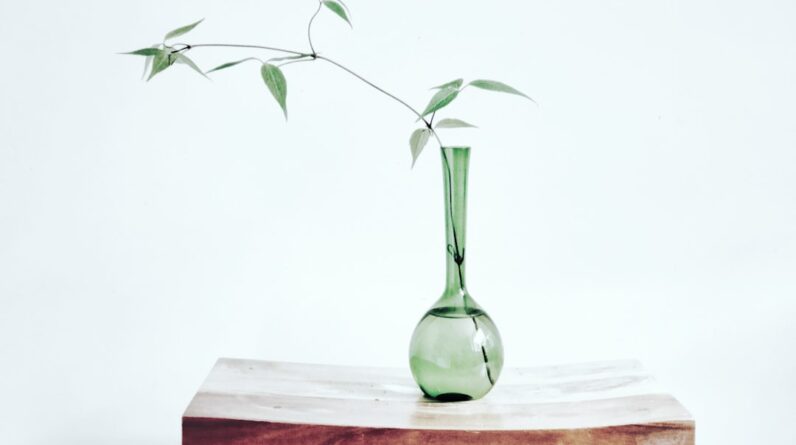
Bringing natural elements into your Zen retreat is essential for creating a harmonious atmosphere. Nature has an innate ability to soothe the mind and body, making it an ideal source of inspiration for your design. You might consider incorporating plants, stones, or water features into your space.
Indoor plants not only purify the air but also add a touch of life and vibrancy to your retreat. Consider low-maintenance options like succulents or ferns that thrive indoors and require minimal care. In addition to plants, think about how you can use natural materials in your design.
Wooden furniture, bamboo accents, or stone decor can all contribute to a grounded and organic feel. You might even want to create a small indoor water feature, such as a fountain or a bowl of water with floating candles, to introduce the calming sound of water into your space. By integrating these natural elements, you’ll create an environment that feels connected to the earth and encourages relaxation and reflection.
Selecting Furniture and Decor for a Zen Retreat
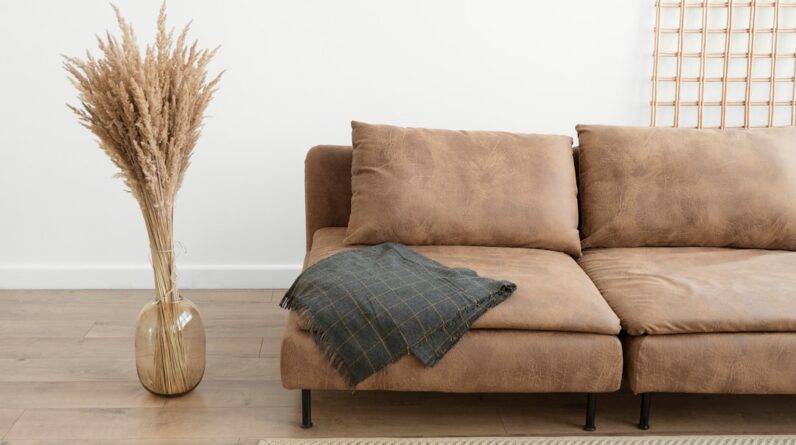
When it comes to selecting furniture for your Zen retreat, simplicity is key. Opt for pieces that are functional yet aesthetically pleasing, avoiding overly ornate designs that can create visual clutter. Low-profile furniture, such as floor cushions or low tables, can help maintain an open and airy feel in the space.
You might also consider multi-functional pieces that serve more than one purpose, such as storage ottomans or benches that can double as seating. In terms of decor, choose items that resonate with you personally while still adhering to the principles of minimalism. Artwork that inspires tranquility or photographs from nature can enhance the peaceful ambiance of your retreat.
However, be mindful not to overcrowd the space with too many decorative items; instead, select a few meaningful pieces that evoke positive emotions and contribute to the overall serenity of the environment. By carefully curating your furniture and decor choices, you’ll create a space that feels both inviting and calming.
Creating a Clutter-Free Space for Relaxation
A clutter-free environment is essential for fostering relaxation and mindfulness in your Zen retreat. When your surroundings are tidy and organized, it becomes easier for your mind to settle into a state of calmness. Start by decluttering the space; remove any items that do not serve a purpose or bring you joy.
This process can be liberating and may help you gain clarity about what truly matters in your life. Once you’ve decluttered, consider implementing storage solutions that keep your retreat organized without sacrificing aesthetics. Baskets, shelves, or hidden compartments can help maintain order while still allowing for easy access to items you use regularly.
Additionally, establish a routine for keeping the space tidy; dedicating just a few minutes each day to maintaining order can make a significant difference in how peaceful your retreat feels. By prioritizing cleanliness and organization, you’ll create an environment that supports relaxation and mindfulness.
Utilizing Soft Lighting and Natural Light Sources
Here is the rewritten text with 3-4 Creating a Peaceful Ambiance
Soft lighting is essential in creating an inviting atmosphere that encourages relaxation and introspection. Consider using dimmable lamps or soft LED lights to achieve this effect.
Adding Warmth and Ambiance
You might also want to incorporate candles or lanterns for added warmth and ambiance; their flickering glow can evoke feelings of tranquility and comfort.
Maximizing Natural Light
In addition to artificial lighting, maximizing natural light sources is essential for creating an uplifting environment. Large windows or skylights can flood your space with sunlight during the day, enhancing your mood and energy levels.
Balancing Light and Privacy
If privacy is a concern, consider sheer curtains that allow light to filter through while still providing some level of seclusion. By thoughtfully combining soft lighting with natural light sources, you’ll create a harmonious atmosphere that promotes relaxation and mindfulness throughout the day.
Incorporating Minimalist Design Principles
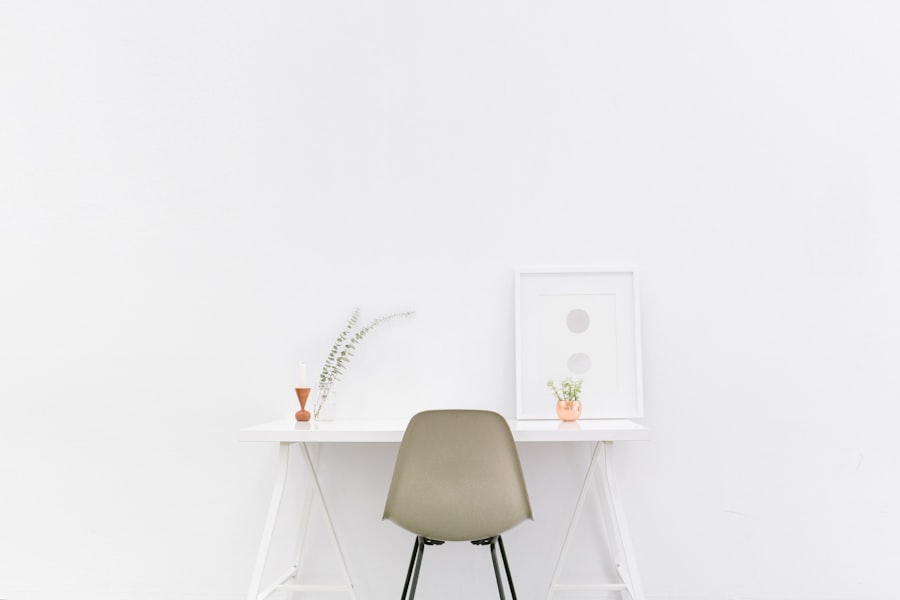
Minimalism is at the heart of Zen design principles, emphasizing simplicity and intentionality in every aspect of your retreat. To embrace this philosophy, focus on reducing excess and prioritizing quality over quantity in your design choices. Each item in your space should serve a purpose or bring you joy; if it doesn’t, consider letting it go.
This approach not only creates a more serene environment but also encourages you to be more mindful about what you bring into your life. When designing your retreat with minimalism in mind, think about clean lines and uncluttered spaces. Choose furniture with simple silhouettes and avoid overly decorative elements that can distract from the overall calmness of the room.
You might also want to limit color variations within the space; sticking to a cohesive palette can enhance the feeling of unity and tranquility. By incorporating minimalist design principles into your Zen retreat, you’ll cultivate an environment that fosters peace and mindfulness.
Adding Personal Touches for a Unique Zen Retreat Experience
While creating a serene environment is essential for your Zen retreat, adding personal touches can make the space uniquely yours. Consider incorporating items that hold special meaning or evoke positive memories—perhaps a piece of art from a favorite trip or photographs of loved ones enjoying nature together. These personal elements can enhance the emotional connection you have with your retreat and make it feel like a true sanctuary.
You might also want to include items that support your mindfulness practice, such as meditation cushions or journals for reflection. Creating an altar with meaningful objects—like crystals, incense holders, or symbols of gratitude—can further personalize your space while serving as reminders of your intentions for peace and mindfulness. By infusing your Zen retreat with personal touches, you’ll create an environment that resonates deeply with you and enhances your overall experience of relaxation and self-discovery.
In conclusion, designing a Zen retreat is an enriching journey that allows you to cultivate peace and mindfulness in your life. By understanding the core principles of Zen design—such as simplicity, natural elements, and personal significance—you can create a sanctuary that nurtures both body and spirit. As you embark on this creative process, remember that each choice contributes to the overall atmosphere of tranquility you seek to achieve.
Embrace this opportunity to reconnect with yourself and find solace in the beauty of simplicity.
FAQs
What is contemporary interior design?
Contemporary interior design refers to the current trends and styles in interior design. It often incorporates clean lines, minimalism, and a focus on functionality and comfort.
What are the key elements of a Zen retreat?
Key elements of a Zen retreat include natural materials, minimalistic design, neutral color palettes, and a focus on creating a sense of calm and tranquility.
How can contemporary interior design be used to create a Zen retreat?
Contemporary interior design can be used to create a Zen retreat by incorporating elements such as natural light, open spaces, simple furniture, and a clutter-free environment to promote relaxation and mindfulness.
What are some popular color schemes for a Zen retreat?
Popular color schemes for a Zen retreat include neutral tones such as white, beige, and soft greys, as well as natural earthy tones such as muted greens and browns.
What are some essential furniture pieces for a Zen retreat?
Essential furniture pieces for a Zen retreat include low-profile seating, such as floor cushions or minimalist sofas, as well as natural wood or bamboo furniture, and simple, uncluttered storage solutions.
How can lighting be used to enhance the Zen atmosphere in a retreat?
Soft, natural lighting can be used to enhance the Zen atmosphere in a retreat, as well as incorporating elements such as paper lanterns, candles, and dimmer switches to create a calming ambiance.