When you delve into the world of interior design, you quickly realize that traditional and contemporary styles each possess unique characteristics that define their essence. Traditional design often draws inspiration from historical periods, showcasing rich textures, intricate patterns, and a sense of timelessness. You might find yourself captivated by the elegance of classic furniture pieces, ornate moldings, and warm color palettes that evoke a sense of nostalgia.
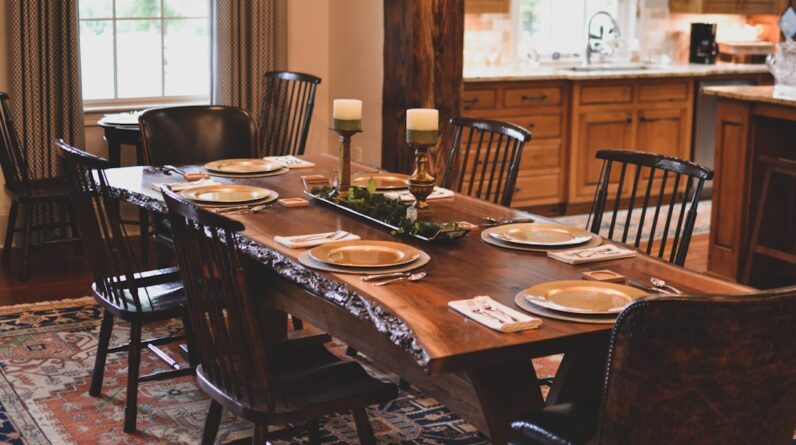
Traditional design emphasizes craftsmanship and often incorporates materials like wood, leather, and heavy fabrics, creating an inviting atmosphere that feels both luxurious and comfortable. On the other hand, contemporary design is all about the here and now. It embraces minimalism, clean lines, and a focus on functionality.
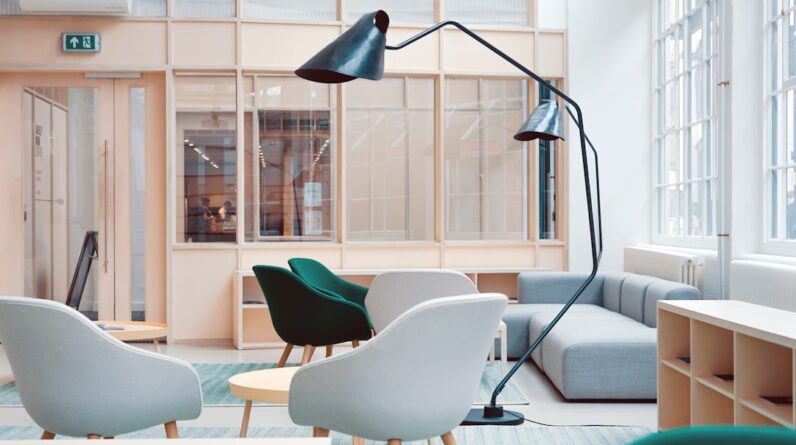
You may notice that contemporary spaces often feature open layouts, large windows that invite natural light, and a neutral color palette punctuated by bold accents. The use of innovative materials such as glass, metal, and concrete is prevalent in contemporary design, reflecting a modern aesthetic that prioritizes simplicity and practicality. Understanding these fundamental differences will empower you to create a harmonious blend of both styles in your own space.
Key Takeaways
- Traditional design elements include ornate details and rich colors, while contemporary design elements focus on clean lines and minimalism.
- Finding a balance between traditional and contemporary styles involves mixing old and new furniture and decor in a harmonious way.
- Incorporating traditional patterns and textures in a contemporary space can add warmth and depth to the design.
- Mixing traditional and contemporary furniture and decor can create a unique and eclectic look in a space.
- Using color and materials to blend traditional and contemporary elements can help create a cohesive and balanced design.
Finding a Balance Between Traditional and Contemporary Styles
Identifying Your Preferences
By pinpointing these preferences, you can begin to envision how to merge the two styles seamlessly. One effective approach is to select a dominant style for your space while allowing the other to complement it.
Blending Traditional and Contemporary Elements
For instance, if you lean towards traditional design, you can incorporate contemporary elements as accents—think modern art pieces or sleek lighting fixtures that contrast with classic furniture. Conversely, if contemporary design is your preference, you can introduce traditional elements through textiles or decorative accessories that add warmth and character.
Creating a Cohesive Environment
This thoughtful interplay between the two styles will create a cohesive environment that feels both inviting and stylish.
Incorporating Traditional Patterns and Textures in a Contemporary Space
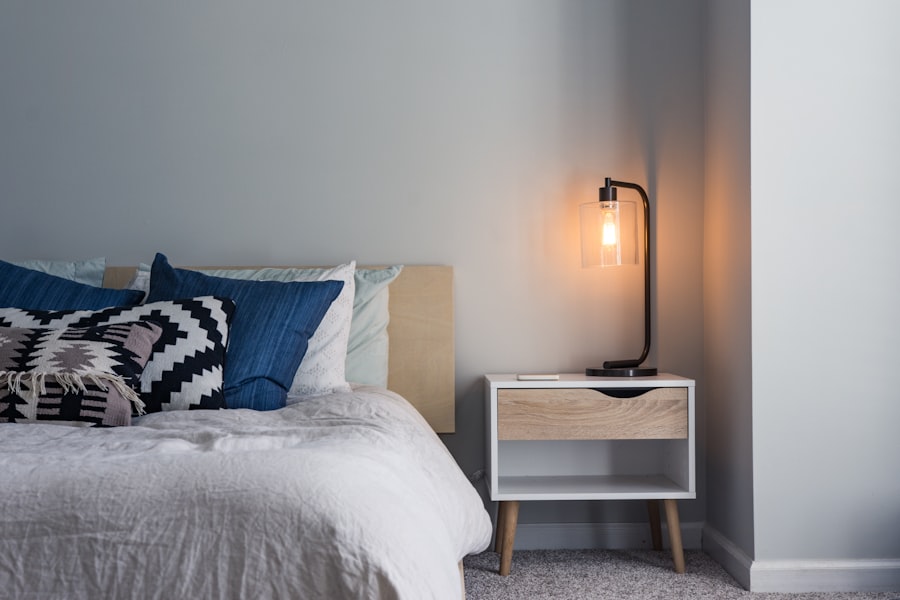
Incorporating traditional patterns and textures into a contemporary space can add depth and interest to your design. You might consider using textiles such as damask or paisley in throw pillows or area rugs to introduce a touch of traditional elegance. These patterns can serve as focal points within a room, drawing the eye and creating a sense of balance against the backdrop of sleek furniture and clean lines.
Textures play a crucial role in this blending process as well. You could opt for rich fabrics like velvet or brocade for upholstery, which can soften the starkness often associated with contemporary design. Layering different textures—such as combining smooth leather with plush wool—can create a tactile experience that invites comfort while maintaining a modern aesthetic.
By thoughtfully integrating these traditional elements, you can enrich your contemporary space without overwhelming it.
Mixing Traditional and Contemporary Furniture and Decor
When it comes to mixing traditional and contemporary furniture and decor, the key lies in finding pieces that complement rather than clash with one another. You might start by selecting a statement piece from one style—perhaps a beautifully carved wooden dining table or a sleek glass coffee table—and then build around it with items from the other style. This approach allows you to create visual interest while maintaining a sense of cohesion.
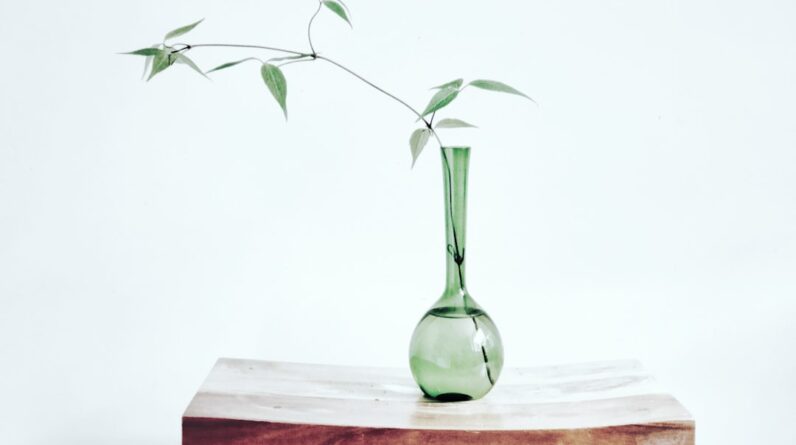
You could also consider the scale and proportion of your furniture when blending styles. For example, pairing a large, ornate traditional armchair with a minimalist contemporary sofa can create an intriguing contrast that enhances the overall aesthetic of the room. Additionally, incorporating decor items such as vases or artwork that reflect both styles can further unify the space.
By being intentional about your choices, you can curate an environment that feels both eclectic and harmonious.
Using Color and Materials to Blend Traditional and Contemporary Elements
Color plays a pivotal role in bridging the gap between traditional and contemporary design elements. You might choose a neutral base palette—think whites, grays, or beiges—that serves as a canvas for both styles. From there, you can introduce pops of color through accessories or artwork that reflect your personality while maintaining balance.
For instance, vibrant cushions or bold wall art can infuse energy into a traditionally styled room without overpowering it. Materials are equally important in this blending process. You could experiment with combining classic materials like wood or brass with modern finishes such as chrome or acrylic.
This juxtaposition not only adds visual interest but also creates a dialogue between the two styles. For example, a traditional wooden sideboard paired with contemporary metal accents can create an engaging focal point in your dining area. By thoughtfully selecting colors and materials, you can achieve a seamless integration of traditional and contemporary elements.
Creating a Focal Point with a Blend of Traditional and Contemporary Art and Accessories
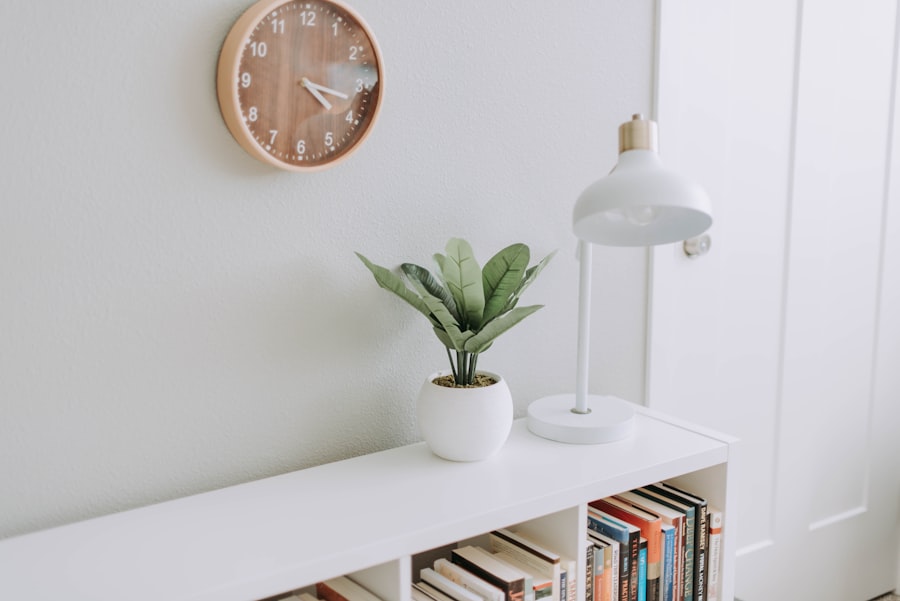
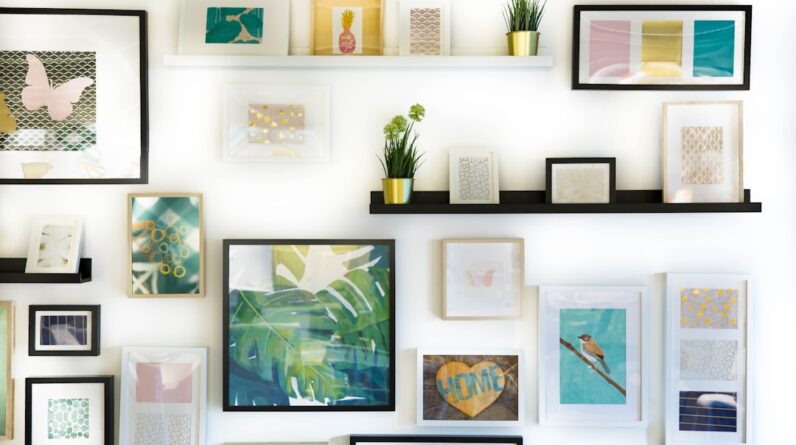
Art and accessories are powerful tools for creating focal points in your space while blending traditional and contemporary styles. You might consider displaying a large piece of contemporary art above a traditional fireplace mantel or incorporating vintage-inspired frames for modern artwork. This juxtaposition not only draws attention but also encourages conversation about the unique blend of styles in your home.
Accessories such as sculptures or decorative objects can also play a significant role in this process. You could choose traditional ceramics or glassware to complement modern furniture pieces, creating an engaging visual narrative throughout the room. By curating your art and accessories with intention, you can establish focal points that celebrate both traditional craftsmanship and contemporary creativity.
Incorporating Technology and Modern Amenities into a Traditional Home Design
In today’s fast-paced world, incorporating technology and modern amenities into traditional home design is essential for creating functional living spaces. You might consider integrating smart home systems that allow you to control lighting, temperature, and security seamlessly while maintaining the charm of traditional architecture. For instance, hidden speakers or smart thermostats can enhance your living experience without detracting from the aesthetic appeal of your home.
Additionally, modern appliances can be integrated into traditional kitchens without compromising their character. You could opt for stainless steel appliances that blend seamlessly with classic cabinetry or choose retro-style appliances that evoke nostalgia while offering modern functionality. By thoughtfully incorporating technology into your traditional home design, you can enjoy the best of both worlds—timeless elegance paired with modern convenience.
Seeking Professional Guidance and Inspiration for Blending Traditional and Contemporary Elements
As you embark on your journey to blend traditional and contemporary design elements, seeking professional guidance can be invaluable. Interior designers often possess the expertise needed to navigate this complex interplay of styles effectively. They can help you identify key elements that resonate with your vision while ensuring that your space remains cohesive and functional.
Inspiration can also be found in various sources—design magazines, online platforms like Pinterest or Instagram, or even visiting local galleries or showrooms. You might find yourself drawn to specific color palettes or furniture arrangements that spark ideas for your own space. By gathering inspiration from multiple sources and collaborating with professionals when needed, you can create an environment that beautifully marries traditional charm with contemporary flair.
In conclusion, blending traditional and contemporary design elements is an art form that requires careful consideration and creativity. By understanding the characteristics of each style, finding balance, incorporating patterns and textures, mixing furniture and decor thoughtfully, using color and materials strategically, creating focal points with art and accessories, integrating technology seamlessly, and seeking professional guidance when necessary, you can craft a space that reflects your unique taste while celebrating the best of both worlds. Embrace this journey as an opportunity to express yourself through design—your home should be a true reflection of who you are.
FAQs
What are traditional elements in interior design?
Traditional elements in interior design typically include classic furniture pieces, ornate details, rich colors, and formal arrangements. These elements often draw inspiration from historical styles such as Victorian, Georgian, or Colonial.
What are contemporary elements in interior design?
Contemporary elements in interior design often feature clean lines, minimalism, neutral colors, and a focus on functionality. This style is influenced by current trends and modern design principles.
How can I blend traditional and contemporary elements in my home’s interior design?
To blend traditional and contemporary elements in interior design, consider mixing classic furniture with modern accessories, incorporating traditional patterns in a contemporary color palette, or combining ornate details with sleek, minimalist furnishings. It’s important to find a balance that creates a cohesive and harmonious look.
What are some examples of blending traditional and contemporary elements in interior design?
Examples of blending traditional and contemporary elements in interior design include pairing a classic chandelier with a modern dining table, using traditional wallpaper in a contemporary color scheme, or mixing antique furniture with contemporary art pieces. These combinations can create a unique and visually interesting space.