


If you’re looking to transform your living space into a haven of style and elegance, look no further than our Interior Design Service in New Orleans, Louisiana. With our expert team of designers, we’re here to bring your vision to life and create a space that truly reflects your unique personality and taste. Whether you’re seeking a complete renovation or simply a fresh, new look, our services are tailored to meet your every need. From selecting the perfect color palette to sourcing the finest furniture and accessories, we’ll guide you through every step of the process to ensure a seamless and stunning result. Get ready to fall in love with your home all over again with our exceptional Interior Design Service in New Orleans, Louisiana.

Overview of Interior Design
Definition of interior design
Interior design is the art and science of enhancing the interior of a space to achieve a more aesthetically pleasing and functional environment. It involves the careful selection and arrangement of furniture, colors, materials, and other elements to create a cohesive and harmonious space that meets the needs and preferences of the occupants. Interior design encompasses both residential and commercial spaces, and it requires a blend of creativity, technical skills, and an understanding of human psychology and behavior.
Importance of interior design
Interior design plays a significant role in our everyday lives, whether we realize it or not. A well-designed interior can greatly impact our mood, productivity, and overall well-being. It has the power to transform a space from ordinary to extraordinary, turning a house into a home or a generic office into an inspiring workspace. Good interior design not only creates visually appealing spaces but also improves functionality, optimizing the use of space and enhancing the flow and organization of rooms. It is not simply about following trends or decorating preferences, but about creating environments that work for the people who live or work in them.
Role of an interior designer
Interior designers are professionals who specialize in creating functional and attractive interiors. They possess a unique set of skills that enable them to turn a client’s vision into reality. An interior designer’s role extends beyond mere decoration; they are trained to consider all aspects of a space, including its layout, lighting, color scheme, and furnishings. They work closely with clients to understand their needs, preferences, and budget, and then develop a design concept that reflects their vision. Interior designers have a keen eye for detail and a deep understanding of space planning, allowing them to optimize every square inch of a room. They also have knowledge of building codes and regulations, ensuring that designs comply with safety and accessibility standards. From concept development to final execution, an interior designer guides clients through the entire design process, creating spaces that are both functional and beautiful.
Interior Design in New Orleans
Unique characteristics of New Orleans’ interior design
New Orleans is known for its rich history, vibrant culture, and distinctive architecture, and these elements heavily influence the city’s interior design style. One of the unique characteristics of New Orleans’ interior design is its fusion of different cultural influences, including French, Spanish, African, Caribbean, and Creole. This blend of styles creates a diverse and eclectic design aesthetic that is truly one-of-a-kind. New Orleans’ interior design often exhibits a sense of warmth, charm, and elegance, combining old-world charm with modern sensibilities.
Influence of history and culture on design
The history and culture of New Orleans have a profound impact on its interior design. The city’s architecture, which includes the iconic shotgun houses, Creole townhouses, and grand antebellum mansions, sets the stage for the design style. The city’s history of colonization, trade, and migration has resulted in a mix of architectural styles, such as French Quarter balconies, Spanish courtyards, and African-inspired decorative elements. This rich cultural heritage is reflected in the interior design, with influences ranging from ornate French furniture to colorful African textiles.
Popular interior design styles in New Orleans
New Orleans embraces a variety of interior design styles, reflecting the diverse tastes and preferences of its residents. Some popular styles include:
- French Quarter: This style draws inspiration from the iconic architecture of the historic French Quarter. It incorporates elements such as wrought iron accents, antique furnishings, and vibrant colors.
- Creole: Influenced by the cultural fusion of African, French, and Spanish traditions, Creole design features vibrant hues, intricate patterns, and an eclectic mix of furniture and accessories.
- Contemporary: While rooted in modern design principles, contemporary interiors in New Orleans often incorporate traditional elements such as ornate chandeliers, antique furniture, and rich materials, creating a unique blend of old and new.
- Coastal: Given its proximity to the Gulf of Mexico, New Orleans has a strong coastal influence on its interior design. Coastal styles often feature light, airy color palettes, natural textures, and nautical accents.

Finding the Right Interior Designer
Factors to consider in choosing an interior designer
Choosing the right interior designer is crucial in achieving your desired design outcome. Here are some factors to consider when selecting an interior designer:
-
Experience: Look for designers with a proven track record and experience in the type of project you have in mind. An experienced designer will be able to provide insights, solutions, and suggestions based on their industry knowledge and expertise.
-
Style compatibility: Find an interior designer whose style aligns with your vision and preferences. Look at their portfolio to see if their past projects reflect a similar aesthetic to what you envision for your space.
-
Communication and collaboration: Effective communication and collaboration are essential in any design project. Choose a designer who listens to your ideas, understands your needs, and is able to translate your vision into a cohesive design plan.
-
Budget considerations: Discuss your budget with potential interior designers to ensure that they can work within your financial constraints. A good designer will be able to provide cost-effective solutions without compromising on quality.
Researching and reviewing interior designers
When researching interior designers, start by asking for recommendations from friends, family, or colleagues who have recently worked with designers. You can also search online directories, social media platforms, and design blogs to find local designers. Take the time to read reviews and testimonials from their past clients to gauge their level of satisfaction and the designer’s professionalism.
It’s also essential to review the designer’s website and portfolio to get a sense of their style and the quality of their work. Pay attention to the level of detail, functionality, and overall aesthetic appeal in their projects. Many designers also have a presence on social media platforms such as Instagram, where they showcase their work and provide design tips and inspiration.
Evaluating design portfolios
An interior designer’s portfolio is a collection of their past projects, showcasing their design style, creativity, and attention to detail. When evaluating a designer’s portfolio, consider the following:
-
Variety of projects: Look for a diverse range of projects in the designer’s portfolio. This demonstrates their ability to adapt their style to different design aesthetics and project types.
-
Consistency: Pay attention to the consistency of the designer’s work. Look for a common thread that ties their projects together, such as a specific color palette, use of materials, or design principles.
-
Attention to detail: Observe the level of detail in the designer’s work. Look for well-thought-out design solutions, innovative use of space, and attention to finer elements such as lighting, textures, and finishes.
-
Quality of craftsmanship: Assess the quality of craftsmanship in the designer’s projects. Look for clean lines, seamless finishes, and overall attention to quality and durability.
By carefully researching and reviewing interior designers, you can find the right professional who aligns with your design goals and preferences.
Interior Design Process
Initial consultation and goal setting
The first step in the interior design process is an initial consultation between the client and the designer. During this meeting, the designer gathers information about the client’s needs, preferences, and budget. They discuss the functional requirements of the space, any specific design goals or challenges, and the desired timeline for the project. The designer also takes measurements and photographs of the space.
Goal setting is a crucial part of establishing a clear direction for the project. The designer and client work together to define the project goals, taking into consideration factors such as functionality, aesthetics, and budget. This initial consultation sets the foundation for the design concept and development stage.
Design concept and development
Based on the information gathered during the initial consultation, the designer creates a design concept for the space. This concept includes ideas for color schemes, furniture layouts, material selection, lighting plans, and any other elements that will be incorporated into the design.
The design concept is presented to the client, giving them an opportunity to provide feedback and make any necessary revisions. The designer works collaboratively with the client to refine the design, ensuring that it meets their expectations and aligns with their vision.
Once the design concept is finalized, the designer develops detailed drawings, floor plans, and 3D renderings to bring the design to life. These visual representations help the client visualize the final result and make informed decisions about materials, finishes, and furniture selections.
Selection of materials, furniture, and accessories
The next step in the interior design process is the selection of materials, furniture, and accessories. The designer helps the client navigate through the myriad of options available in the market, considering factors such as style, durability, sustainability, and budget.
For materials, the designer assists in selecting paint colors, wallpaper, flooring materials, tiles, and other finishes. They also help in sourcing furniture, lighting fixtures, fabrics, window treatments, and decorative accessories that align with the design concept.
The designer often collaborates with suppliers, contractors, and artisans to ensure that the chosen materials and furnishings are of high quality and that the implementation process runs smoothly.
Throughout the selection process, the designer keeps the client’s budget in mind, providing options that offer the best value without compromising on style or quality.

Residential Interior Design Services
Designing functional and aesthetically pleasing living spaces
Residential interior design focuses on creating functional and aesthetically pleasing living spaces that reflect the client’s personality and lifestyle. Whether it’s a single room or an entire home, an interior designer can transform a space into a sanctuary that meets the specific needs and desires of the homeowner.
A residential interior design project begins with a thorough understanding of the client’s lifestyle and requirements. The designer considers factors such as the number of occupants, their ages, any special needs, and personal preferences. They also take into account the architectural features and natural lighting of the space to create a cohesive design.
The designer develops a design plan that considers the flow and functionality of each room, the color scheme, furniture selection, lighting design, and other elements necessary to create a cohesive and inviting space. They work closely with the client to ensure that their vision is realized, while also providing guidance and expertise in areas such as space planning, material selection, and budget management.
Room by room interior design
In a residential interior design project, each room is approached individually to create a cohesive and harmonious overall design. The designer considers the purpose and function of each room, as well as the unique needs of the occupants.
For example, the living room may be designed to be welcoming and comfortable, while the bedroom should promote relaxation and restful sleep. The kitchen design may prioritize functionality and practicality, while the bathroom design may focus on creating a spa-like retreat.
The designer carefully selects furniture, materials, colors, and accessories that suit the specific requirements of each room, while maintaining a consistent design language throughout the home. By developing a cohesive design plan for each room, the designer ensures that the entire space flows seamlessly, creating a harmonious and inviting environment.
Kitchen and bathroom design
The kitchen and bathroom are two of the most important spaces in a home, and their design requires careful consideration of both form and function. An interior designer can help create functional and aesthetically pleasing kitchen and bathroom designs that meet the needs of the occupants.
In kitchen design, the designer takes into account factors such as the layout, workflow, storage requirements, and the client’s cooking and entertaining habits. They collaborate with the client to select materials, finishes, cabinetry, appliances, and lighting that create a visually appealing and efficient kitchen space.
Similarly, in bathroom design, the designer considers the client’s preferences for fixtures, finishes, storage, and lighting. They create a design that maximizes the available space, incorporates functionality, and creates a relaxing and luxurious ambiance.
An interior designer combines their technical expertise with a keen eye for aesthetics to create kitchen and bathroom designs that are both beautiful and practical, making these spaces a joy to use and adding value to the home.
Commercial Interior Design Services
Creating inviting and functional work environments
Commercial interior design focuses on creating inviting and functional work environments that enhance productivity, employee satisfaction, and the overall success of a business. It involves designing spaces such as office buildings, retail stores, hospitality establishments, and other commercial settings.
An interior designer takes into account the specific needs and goals of the business, the nature of the work being done, and the target audience or customers. They consider elements such as branding, space utilization, traffic flow, acoustics, lighting, and ergonomics.
The design of a commercial space should promote a positive and inspiring atmosphere, improve employee well-being, and facilitate efficient workflow. By designing functional and well-organized spaces, an interior designer can help businesses maximize productivity and create a positive impression on clients and customers.
Office and workspace design
Office and workspace design are critical in creating a conducive environment for work and collaboration. An interior designer can optimize the layout and aesthetics of an office space to enhance employee satisfaction, productivity, and overall well-being.
In office design, the designer considers factors such as the available space, the number of employees, the nature of the work being done, and the company’s culture and brand identity. They create a design that supports collaboration, communication, and creativity, while also providing areas for focused individual work.
The designer incorporates ergonomic furniture, adequate lighting, sound-absorbing materials, and other elements that contribute to a comfortable and productive workspace. They also consider the psychological aspects of design, using color psychology and biophilic design principles to create an environment that promotes employee satisfaction and reduces stress.
Restaurant and hospitality design
Restaurant and hospitality design require careful consideration of both aesthetics and functionality to create an inviting and memorable experience for customers. An interior designer can help create a cohesive and immersive atmosphere that reflects the brand identity and enhances customer satisfaction.
In restaurant design, the designer takes into account factors such as the target market, the type of cuisine, the desired ambiance, and the operational requirements. They consider elements such as lighting, seating arrangement, color palette, music, and artwork to create a unique and immersive dining experience.
In hospitality design, the interior designer creates welcoming and comfortable spaces for guests, such as hotel lobbies, guest rooms, and public areas. They consider factors such as the brand image, the desired level of luxury, and the specific needs of different guest segments. By integrating elements such as furniture, lighting, textures, and artwork, an interior designer can create an environment that leaves a lasting impression on guests.
Commercial interior design aims to create spaces that not only attract customers but also enhance their experience, fostering customer loyalty and increasing business success.

Color and Lighting in Interior Design
Choosing the right color scheme for different spaces
Color plays a crucial role in interior design, setting the mood, creating visual interest, and influencing our emotions and behavior. When choosing a color scheme for a specific space, an interior designer considers several factors:
-
Function and purpose of the space: Different colors evoke different emotions and have different psychological effects. For instance, warm colors like red and orange can stimulate appetite and energy, making them suitable for dining spaces or exercise rooms. Cool colors like blue and green promote relaxation and calmness, making them ideal for bedrooms or living rooms.
-
Natural lighting: The amount and quality of natural light in a space can significantly affect how colors appear. A space with abundant natural light can handle bolder and darker colors, while spaces with limited natural light may benefit from lighter and brighter color palettes.
-
Architectural features: The architectural features of a space, such as the ceiling height, shape, and materials, can influence color choices. For instance, a high-ceilinged room can handle darker colors without feeling oppressive, while a small room with a low ceiling may benefit from lighter and brighter colors to create a sense of openness.
-
Personal preferences and branding: The client’s personal preferences and the desired brand image or identity should also be considered. The color scheme should align with the client’s vision and resonate with the target audience or occupants of the space.
An interior designer can help clients navigate through various color options, providing guidance and expertise to create a harmonious and visually appealing color scheme that suits the specific needs and objectives of the project.
Impact of lighting on interior design
Lighting is a crucial element in interior design as it affects the functionality, aesthetics, and mood of a space. Lighting design involves planning and implementing both natural and artificial light sources to achieve the desired ambiance and functionality.
Natural lighting: The careful placement and design of windows, skylights, and other openings allow natural light to enter a space. Natural light is associated with numerous benefits, including improved mood, increased productivity, and reduced energy consumption. An interior designer considers the orientation and layout of a space to maximize the entry of natural light, reducing the need for artificial lighting during the day.
Artificial lighting: Artificial lighting comes in various forms, including overhead fixtures, task lighting, accent lighting, and ambient lighting. Each type of lighting serves a specific purpose and contributes to the overall design scheme. Task lighting, such as desk lamps and under-cabinet lighting, is used to provide focused illumination for specific tasks. Ambient lighting, such as chandeliers and recessed lighting, creates a general light level and sets the overall mood of a space. Accent lighting, such as spotlights and wall sconces, highlights specific features or objects in a room, adding visual interest.
An interior designer works closely with lighting designers or electricians to create a comprehensive lighting plan that addresses the functional, aesthetic, and energy efficiency requirements of a space. By carefully selecting and integrating different types of lighting, an interior designer can transform a space, enhancing its atmosphere and highlighting its design features.
Incorporating natural and artificial lighting
A well-designed interior incorporates a combination of both natural and artificial lighting to create a balanced and visually appealing environment. The strategic use of natural light enhances the overall aesthetic and functionality of a space, while artificial lighting provides flexibility and control over the lighting conditions.
Incorporating natural light: An interior designer maximizes the use of natural light by carefully considering the placement and size of windows, the use of skylights or light wells, and the selection of light-colored finishes that reflect and diffuse natural light. They also consider the orientation of the space to optimize the exposure to natural light throughout the day.
To control the amount of natural light, the designer may use window treatments such as blinds, curtains, or shades. These treatments can be adjusted to regulate the amount of light entering the space, provide privacy, and reduce glare.
Incorporating artificial lighting: Artificial lighting is used to supplement and complement natural light, ensuring consistent and adequate illumination throughout the day and night. An interior designer selects appropriate fixtures, such as pendant lights, recessed lighting, or wall sconces, that enhance the overall design scheme while providing the necessary functionality.
The designer considers the different lighting needs of various areas within a space and incorporates lighting controls such as dimmers or sensors to provide flexibility and energy efficiency. By carefully designing the lighting plan, an interior designer can create a harmonious and well-lit space that meets both functional and aesthetic requirements.
Furniture and Accessories
Selecting furniture that matches the design style
Furniture selection is a critical aspect of interior design, as it not only defines the functionality of a space but also contributes to its aesthetics. When selecting furniture, an interior designer considers several factors:
-
Design style: The furniture should reflect the overall design style and concept of the space. For instance, a modern design scheme may call for sleek and minimalist furniture with clean lines, while a traditional design may include ornate and vintage-inspired pieces.
-
Functionality: The furniture should be selected based on the specific needs and requirements of the space. For example, a living room may require comfortable seating options, ample storage, and space for entertainment, while a bedroom may prioritize a comfortable bed, storage solutions, and a cozy seating area.
-
Proportions and scale: The furniture should be proportionate to the size and scale of the room. Oversized furniture can overwhelm a small space, while undersized furniture can make a large room feel empty. An interior designer carefully considers the dimensions and layout of the space to select furniture that fits beautifully and provides the desired functionality.
-
Material and finishes: The choice of materials and finishes for furniture can greatly impact the overall look and feel of a space. The designer considers factors such as durability, maintenance requirements, comfort, and aesthetics when selecting materials such as wood, metal, fabric, or leather.
By combining all these considerations, an interior designer can curate a collection of furniture that not only matches the design style but also meets the functional and visual needs of the users.
Choosing accessories and décor elements
Accessories and décor elements add the finishing touches to a well-designed space, enhancing its aesthetics and creating a personalized look. An interior designer helps clients curate and arrange accessories and décor elements that reflect their style and give a space a cohesive and inviting feel.
When selecting accessories, the designer considers factors such as the color scheme, the overall design style, and the scale of the space. Accessories can include items such as artwork, rugs, curtains, throw pillows, decorative objects, and plants.
The designer works with clients to carefully select and arrange these items, paying attention to balance, proportion, and visual interest. They consider the intended focal points of the room and use accessories to draw attention to them. Additionally, the designer may incorporate personal and sentimental items that reflect the client’s personality and add a personal touch to the space.
By selecting and arranging accessories and décor elements, an interior designer can create a space that tells a story and reflects the client’s unique style and taste.
Arranging furniture and creating focal points
The arrangement of furniture is a crucial aspect of interior design that affects the functionality and flow of a space. An interior designer carefully considers the layout and placement of furniture to create a harmonious and inviting environment.
When arranging furniture, an interior designer considers several factors:
-
Traffic flow: The designer ensures that the arrangement of furniture allows for easy navigation and movement within a space. They consider the typical paths people take through the room and ensure that furniture placement does not block these paths.
-
Functionality: The design of a room should support its intended function. An interior designer arranges furniture in a way that facilitates conversations, promotes relaxation, or enhances productivity, depending on the purpose of the room.
-
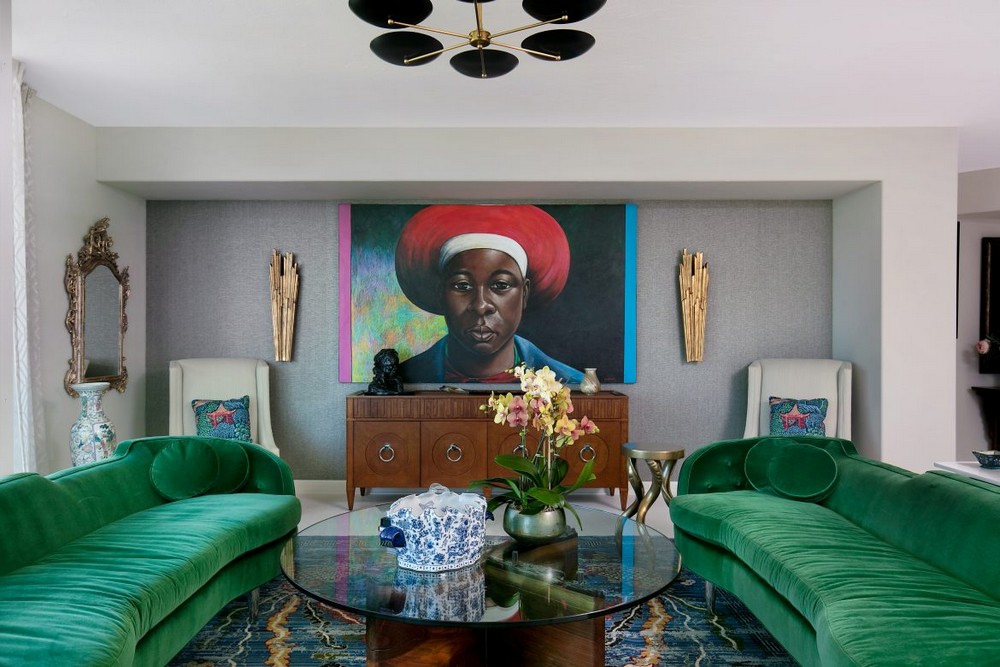
Focal points: Focal points are the areas of a room that draw the most attention. An interior designer identifies existing focal points, such as a fireplace or a large window, and arranges furniture in a way that complements and highlights these features. If there are no natural focal points, the designer may create them using artwork, lighting, or furniture placement.
-
Balance and visual interest: The arrangement of furniture should create a sense of balance and visual interest. The designer considers the size, shape, and scale of furniture pieces and arranges them in a way that creates visual harmony. They may use principles such as symmetry, asymmetry, or repetition to achieve a balanced and visually appealing arrangement.
By considering all these factors, an interior designer can create furniture arrangements that optimize the use of space, facilitate movement, and create visually appealing and functional rooms.
Budgeting and Project Management
Setting a realistic budget for interior design
Setting a realistic budget is crucial when starting an interior design project. An interior designer helps clients determine a budget that aligns with their goals and expectations while considering factors such as the size and complexity of the project.
To establish a budget, the interior designer and client discuss the scope of the project, the desired quality of materials and finishes, and any specific requirements or preferences. The designer provides guidance on the estimated costs of furniture, materials, labor, and other expenses that may be incurred during the project.
Designers often work with clients to prioritize their needs and wants, helping them make informed decisions about where to allocate their budget. By setting a realistic budget from the outset, the client and interior designer can work together to achieve the desired design outcome without exceeding financial limitations.
Managing expenses and tracking costs
During the project, an interior designer takes on the role of a project manager, overseeing all aspects of the design process, including budget management. The designer monitors expenses, tracks costs, and ensures that the project stays within the established budget.
To manage expenses and track costs effectively, the designer uses project management tools and systems. They maintain detailed records of purchases, contracts, and invoices, and communicate regularly with contractors, suppliers, and the client.
The designer strives to maintain transparency in all financial matters and keeps the client informed about any changes or deviations from the initial budget. They provide regular updates on expenses, highlight any cost-saving opportunities, and make recommendations for alternative solutions if necessary.
By effectively managing expenses and tracking costs, an interior designer ensures that the project stays on track and that the client’s budget is respected.
Coordination with contractors and suppliers
An integral part of the interior design process involves coordinating with contractors and suppliers to execute the design plan. An interior designer acts as a liaison between the client and these professionals, ensuring that the project runs smoothly and according to the established timeline and budget.
The designer works closely with contractors, such as builders, electricians, plumbers, and painters, to ensure that the design plan is implemented correctly. They communicate the design requirements, provide specifications, and oversee the quality of workmanship.
Additionally, the designer collaborates with suppliers, such as furniture retailers, fabric vendors, and manufacturers, to source and procure the necessary materials, furnishings, and accessories. They coordinate deliveries, address any issues or delays, and ensure that the client receives high-quality products that meet their design specifications.
By effectively coordinating with contractors and suppliers, an interior designer takes the stress off the client’s shoulders and ensures that the design plan is executed seamlessly.
Benefits of Hiring an Interior Designer
Saving time and reducing stress
Embarking on an interior design project can be overwhelming, especially for individuals with little experience or architectural knowledge. By hiring an interior designer, you can save time and reduce stress. The designer takes care of every aspect of the project, from concept development to final execution, allowing you to focus on other important aspects of your life.
An interior designer has the expertise and industry knowledge to navigate through the design process efficiently. They can quickly assess your needs, provide creative solutions, source materials and furnishings, and coordinate with contractors and suppliers. This not only ensures a smooth and timely project but also minimizes the risk of mistakes or design errors.
By entrusting your design project to a professional, you can relax and enjoy the transformation of your space, knowing that everything is being handled with expertise and attention to detail.
Access to industry resources and contacts
Interior designers have access to a vast network of industry resources, suppliers, contractors, and artisans. They can tap into this network to source unique materials, furniture, and accessories that may not be readily available to the general public.
Designers also have established relationships with contractors and suppliers, allowing them to negotiate favorable pricing and discounts on behalf of their clients. This can result in significant cost savings and access to high-quality products that may otherwise be out of reach.
By leveraging their industry connections, an interior designer can help you access a wide range of resources and ensure that your design project is executed with the highest level of quality and craftsmanship.
Enhanced aesthetics and functionality
Perhaps the most significant benefit of hiring an interior designer is the ability to create a space that is not only aesthetically pleasing but also highly functional. Interior designers possess a keen eye for aesthetics and a deep understanding of spatial planning and ergonomics.
They consider every aspect of the design, from the layout and flow of the space to the selection of materials, colors, and furnishings. By optimizing the use of space, incorporating smart storage solutions, and selecting appropriate furniture and accessories, an interior designer can create a space that meets your specific needs and preferences.
The designer also considers factors such as lighting, acoustics, and sustainability, enhancing the overall comfort and usability of the space. By marrying aesthetics with functionality, an interior designer can transform a space into a beautiful and highly functional environment that reflects your unique style and personality.
In conclusion, interior design is a multifaceted discipline that combines art, science, and psychology to create aesthetically pleasing and functional spaces. Whether it’s a residential or commercial project, a well-designed interior has the power to enhance our well-being, productivity, and overall quality of life. By hiring an interior designer, you can benefit from their expertise, industry resources, and design skills to transform your space into a beautiful and functional environment that brings joy and satisfaction.