Scandinavian design is more than just a style; it embodies a philosophy that prioritizes simplicity, functionality, and a deep connection to nature. Originating from the Nordic countries—Denmark, Sweden, Norway, Finland, and Iceland—this design movement has gained global recognition for its clean lines and understated elegance. As you delve into the world of Scandinavian design, you will discover how it reflects the cultural values of its origins, emphasizing a harmonious balance between aesthetics and practicality.
At its core, Scandinavian design is about creating spaces that are not only visually appealing but also livable and comfortable. This approach stems from a historical context where the harsh climates of the North necessitated a focus on warmth and functionality. As you explore this design ethos, you will find that it encourages a lifestyle that embraces minimalism while celebrating the beauty of everyday objects.
The principles of Scandinavian design resonate with those who seek to create environments that foster well-being and tranquility.
Key Takeaways
- Scandinavian design is known for its minimalist aesthetic, functional furniture, and use of natural materials.
- The design style focuses on creating light and airy spaces with a neutral color palette and cozy textiles.
- Scandinavian design emphasizes the integration of nature into interior spaces, bringing the outdoors inside.
- The use of natural materials such as wood, leather, and wool is a key characteristic of Scandinavian design.
- The design style prioritizes simplicity, functionality, and comfort, creating a timeless and inviting atmosphere.
Minimalist Aesthetic
Embracing Serenity
By adopting this aesthetic, you can transform your home into a serene space where every piece of furniture or decor has a purpose, contributing to the overall ambiance. This approach focuses on quality over quantity, drawing you to well-crafted pieces that combine beauty and functionality.
Investing in Timeless Pieces
This design philosophy encourages you to invest in fewer, high-quality items that will stand the test of time, rather than filling your space with fleeting trends. By curating your surroundings with intention, you create a sanctuary that reflects your personal style while embodying the essence of Scandinavian design.
Reflecting Your Personal Style
Ultimately, embracing Scandinavian design allows you to create a space that not only exudes serenity but also reflects your unique personality.
Functional Furniture
One of the hallmarks of Scandinavian design is its emphasis on functional furniture. Each piece is thoughtfully designed to serve a specific purpose while maintaining an aesthetic appeal. As you consider your own living space, think about how furniture can enhance your daily life.
Whether it’s a sleek coffee table that doubles as storage or a modular sofa that adapts to your needs, functional furniture allows you to maximize your space without sacrificing style. Incorporating functional furniture into your home can transform how you interact with your environment. You may find that multi-purpose pieces not only save space but also encourage a more organized lifestyle.
For instance, a dining table that can expand for gatherings or a bed with built-in drawers can make your home feel more efficient and welcoming. By prioritizing functionality in your design choices, you create an atmosphere that is both practical and aesthetically pleasing.
Natural Materials
Natural materials play a significant role in Scandinavian design, reflecting the region’s close relationship with nature. Wood, stone, leather, and textiles are commonly used to create warm and inviting spaces. When you choose natural materials for your home, you bring an element of authenticity and organic beauty into your environment.
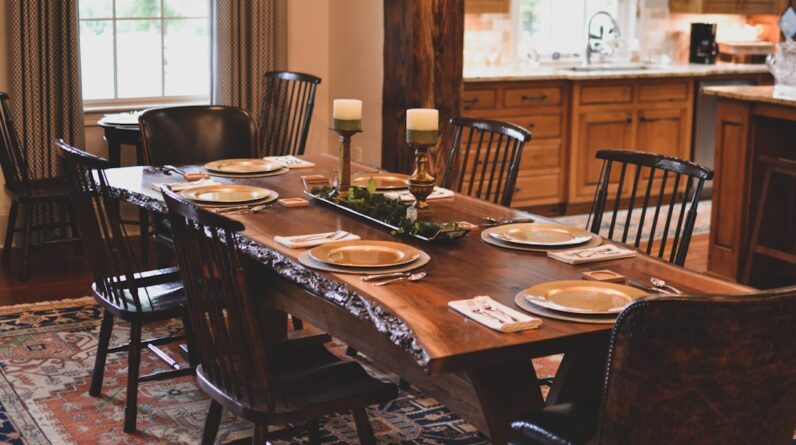
The textures and colors found in these materials can evoke a sense of calm and connection to the outdoors. As you explore options for incorporating natural materials into your design, consider how they can enhance the overall ambiance of your space. A wooden dining table can serve as a focal point in your kitchen, while stone accents in your bathroom can create a spa-like atmosphere.
By selecting materials that resonate with you personally, you not only elevate your home’s aesthetic but also foster a deeper appreciation for the natural world around you.
Light and Airy Spaces
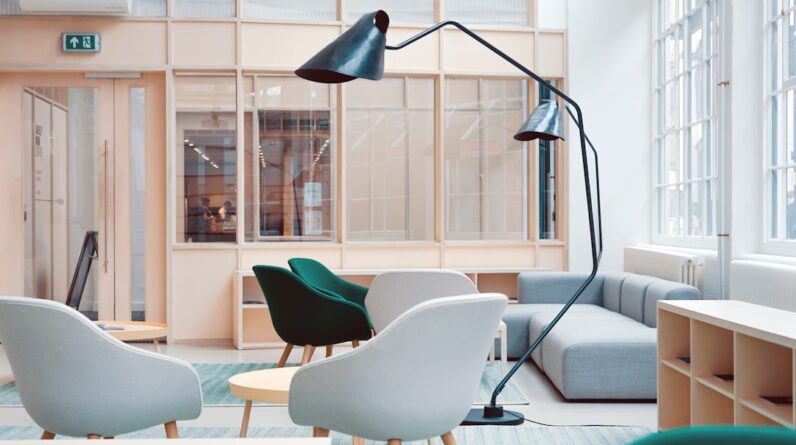
Light and airy spaces are a defining characteristic of Scandinavian design, promoting a sense of openness and tranquility. Large windows that invite natural light are essential in creating this atmosphere, allowing you to feel connected to the outside world even when indoors. As you design your own space, consider how you can maximize light through strategic window placement or by using mirrors to reflect brightness throughout the room.
In addition to natural light, the layout of your space plays a crucial role in achieving an airy feel. Open floor plans and minimal barriers between rooms can create a seamless flow that enhances the overall sense of spaciousness. You might also experiment with furniture arrangements that encourage movement and interaction, making your home feel more inviting and less confined.
By prioritizing light and openness in your design choices, you cultivate an environment that promotes relaxation and well-being.
Neutral Color Palette
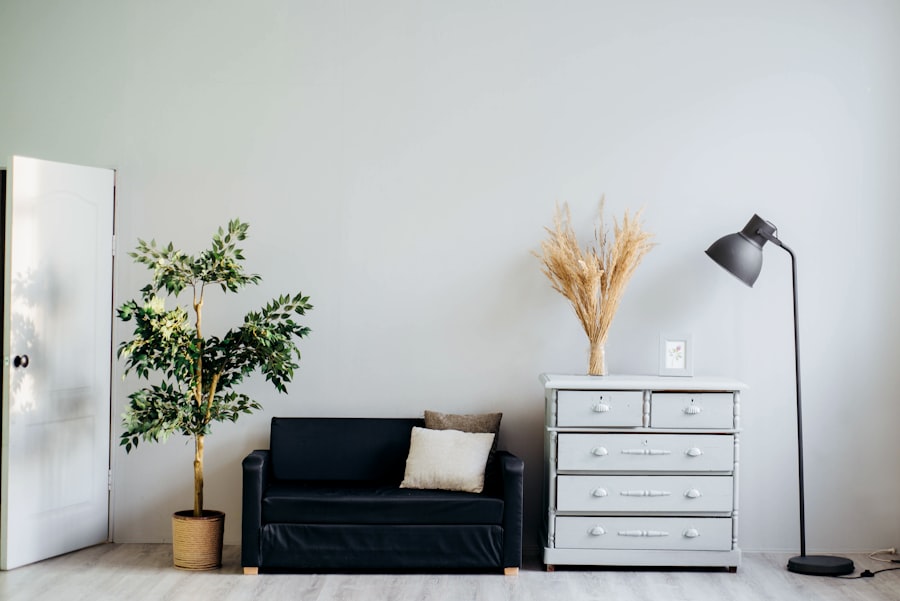
A neutral color palette is another key element of Scandinavian design, providing a soothing backdrop for your living spaces. Soft whites, grays, beiges, and muted pastels create an atmosphere of calmness and serenity. When you choose a neutral palette for your home, you allow for versatility in decor while ensuring that each element harmonizes with one another.
This approach enables you to easily switch out accessories or artwork without clashing with the overall aesthetic. Incorporating a neutral color scheme doesn’t mean sacrificing personality or warmth. You can add depth and interest through textures and patterns in textiles or decorative elements.
For instance, layering different shades of gray or introducing subtle patterns in cushions or rugs can create visual intrigue while maintaining the serene vibe characteristic of Scandinavian design. By embracing a neutral palette, you create a timeless foundation that allows for personal expression through carefully curated accents.
Cozy Textiles
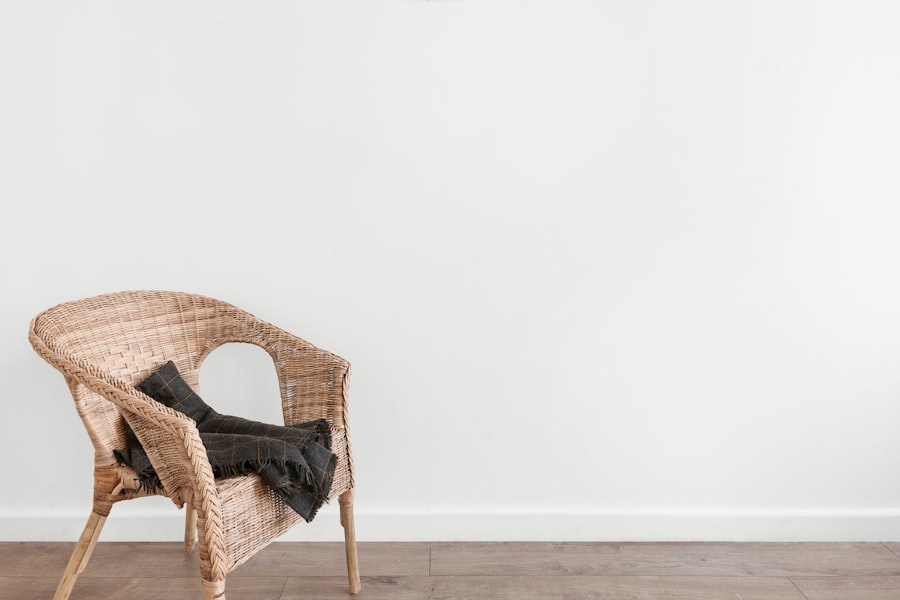
Cozy textiles are essential in Scandinavian design, adding warmth and comfort to otherwise minimalist spaces. Soft throws, plush cushions, and natural fiber rugs invite you to relax and unwind in your home. As you consider how to incorporate textiles into your design scheme, think about how they can enhance both comfort and style.
Layering different textures can create an inviting atmosphere that encourages you to spend time in your space. When selecting textiles for your home, opt for materials that feel good against the skin and contribute to the overall aesthetic. Wool, cotton, linen, and cashmere are popular choices that embody both comfort and elegance.
You might choose a chunky knit throw for your sofa or lightweight linen curtains that flutter gently in the breeze. By thoughtfully integrating cozy textiles into your design, you create an environment that feels warm and welcoming—a true reflection of Scandinavian sensibilities.
Integration of Nature
Finally, the integration of nature is a fundamental aspect of Scandinavian design that resonates deeply with its cultural roots. This philosophy encourages you to bring elements of the outdoors inside, fostering a sense of connection with nature even within urban environments. Incorporating plants into your home not only enhances air quality but also adds life and vibrancy to your spaces.
As you explore ways to integrate nature into your design, consider using indoor plants as focal points or accents throughout your home. Large leafy plants can make bold statements in corners or on tabletops, while smaller succulents can add charm to windowsills or shelves. Additionally, incorporating natural light through large windows or skylights allows you to experience the changing seasons from within your home.
By embracing nature in your design choices, you cultivate an environment that nurtures both body and spirit. In conclusion, Scandinavian design offers a holistic approach to creating beautiful and functional living spaces. By embracing minimalism, prioritizing functionality, utilizing natural materials, maximizing light, adopting a neutral color palette, incorporating cozy textiles, and integrating nature into your home, you can create an environment that reflects both style and comfort.
As you embark on this journey of design exploration, remember that Scandinavian principles encourage not just aesthetic appeal but also a deeper connection to the world around you—an invitation to live harmoniously within your space.
FAQs
What is Scandinavian interior design?
Scandinavian interior design is a minimalist and functional style that originated in the Nordic countries of Denmark, Norway, Sweden, and Finland. It is characterized by simplicity, clean lines, natural materials, and a neutral color palette.
What are the key elements of Scandinavian interior design?
Key elements of Scandinavian interior design include light and airy spaces, natural light, functional furniture, clean lines, minimalism, neutral colors, and the use of natural materials such as wood, leather, and wool.
How has Scandinavian interior design influenced contemporary interior design?
Scandinavian interior design has had a significant influence on contemporary interior design trends worldwide. Its emphasis on simplicity, functionality, and natural materials has been embraced by designers and homeowners seeking a clean and timeless aesthetic.
What are some popular Scandinavian design brands?
Some popular Scandinavian design brands include IKEA, HAY, Muuto, Georg Jensen, Marimekko, and Artek. These brands are known for their modern and minimalist designs that embody the principles of Scandinavian interior design.
How can I incorporate Scandinavian design into my home?
To incorporate Scandinavian design into your home, focus on creating a light and airy space with minimal clutter. Use natural materials such as wood, leather, and wool, and choose furniture with clean lines and a simple, functional aesthetic. Stick to a neutral color palette with pops of color from textiles or artwork.