In recent years, you may have noticed a significant shift in the way interiors are designed and curated. The rise of artisanal craftsmanship has become a defining feature of contemporary interiors, as more individuals seek to create spaces that reflect their personal stories and values. This movement is not merely a trend; it represents a deeper desire for authenticity and connection in a world increasingly dominated by mass production.
You might find yourself drawn to the unique character that handcrafted items bring to your living space, as they often carry the essence of the artisan’s skill and passion. Artisanal craftsmanship emphasizes the importance of human touch in design, celebrating the imperfections and nuances that come with handmade creations. As you explore this realm, you may discover that each piece tells a story, whether it’s a hand-thrown ceramic vase or a meticulously woven textile.
This appreciation for individuality resonates with many, as it allows you to curate an environment that feels both personal and meaningful. The rise of artisanal craftsmanship is not just about aesthetics; it’s about fostering a sense of belonging and connection to the materials and the people behind them.
Key Takeaways
- Artisanal craftsmanship is on the rise in contemporary interiors, with a focus on unique, handcrafted pieces.
- The influence of artisanal craftsmanship is shaping interior design trends, with a shift towards authenticity and individuality.
- Handcrafted pieces can be incorporated into modern interiors to add character and a sense of history to the space.
- Traditional techniques are being celebrated in contemporary interior design, adding a timeless and cultural element to the space.
- Artisanal craftsmanship is making a significant impact on sustainable design, promoting ethical production and consumption practices.
The Influence of Artisanal Craftsmanship on Interior Design Trends
Natural Imperfections and Authenticity
This movement encourages embracing the raw and unrefined aspects of materials, creating an inviting atmosphere that feels grounded and authentic. The use of natural materials helps to create a sense of warmth and coziness in a space.
Traditional Techniques in Modern Design
Artisanal craftsmanship has led to a resurgence of traditional techniques in modern design. Many contemporary designers are drawing inspiration from age-old methods, such as hand-weaving or pottery, to create pieces that blend seamlessly with modern aesthetics. This fusion of old and new allows appreciating the rich history behind each technique while enjoying the sleek lines and functionality of contemporary design.
Valuing Heritage and Innovation
As you incorporate these elements into your home, you contribute to a broader narrative that values heritage and innovation in equal measure. By embracing artisanal craftsmanship but also modern design, you create a unique and authentic space that reflects your personality and style.
Incorporating Handcrafted Pieces into Modern Interiors
When it comes to incorporating handcrafted pieces into your modern interiors, the possibilities are endless. You may start by selecting a few statement items that resonate with your personal style. A hand-carved wooden coffee table or a set of artisanal ceramics can serve as focal points in your living space, drawing attention and sparking conversation.
As you curate these pieces, consider how they interact with your existing decor; the goal is to create a harmonious balance between handcrafted items and contemporary design elements. In addition to statement pieces, you can also integrate smaller handcrafted items throughout your home. Think about adding handwoven textiles as throw pillows or blankets, or displaying unique art pieces created by local artisans.
These subtle touches can infuse your space with character and warmth, making it feel more inviting. As you experiment with different combinations, you’ll likely find that handcrafted items not only enhance your interior aesthetic but also create a sense of connection to the artisans who created them.
Celebrating Traditional Techniques in Contemporary Interior Design
As you explore the world of artisanal craftsmanship, you may find yourself increasingly fascinated by traditional techniques that have stood the test of time. These methods often reflect cultural heritage and local resources, offering a glimpse into the history and identity of a community. By celebrating these techniques in contemporary interior design, you not only honor the artisans who practice them but also enrich your own living space with layers of meaning.
Incorporating traditional techniques into your interiors can take many forms. For instance, you might choose to feature hand-painted tiles in your kitchen or bathroom, showcasing intricate patterns that tell a story of craftsmanship passed down through generations. Alternatively, consider investing in handmade furniture that employs traditional joinery methods, ensuring durability while adding an element of artistry to your home.
By embracing these time-honored practices, you contribute to their preservation and encourage future generations to appreciate the beauty of artisanal craftsmanship.
The Impact of Artisanal Craftsmanship on Sustainable Design
Sustainability is an increasingly important consideration in contemporary interior design, and artisanal craftsmanship plays a vital role in this movement. As you seek to create an eco-friendly home, you may find that handcrafted items often prioritize sustainable materials and ethical production methods. Artisans typically source their materials locally, reducing transportation emissions and supporting their communities in the process.
By choosing handcrafted pieces for your interiors, you align your values with those of artisans who are committed to sustainable practices. Moreover, artisanal craftsmanship often emphasizes quality over quantity. When you invest in handcrafted items, you are more likely to acquire pieces that are built to last, reducing the need for frequent replacements associated with mass-produced goods.
This longevity not only benefits your wallet but also contributes to a more sustainable lifestyle by minimizing waste. As you curate your space with an eye toward sustainability, consider how artisanal craftsmanship can help you achieve your goals while creating a beautiful and meaningful environment.
Supporting Local Artisans in Contemporary Interior Design
Boosting the Local Economy
One of the most rewarding aspects of incorporating artisanal craftsmanship into your interiors is the opportunity to support local artisans. By choosing handcrafted items from nearby creators, you contribute to the local economy and help sustain traditional crafts that might otherwise be lost in an age of mass production. You may find joy in discovering unique pieces that reflect the culture and identity of your community while fostering connections with the artisans themselves.
Gaining Insight into Creative Processes
When you support local artisans, you also gain insight into their creative processes and stories behind their work. This connection can deepen your appreciation for the items you choose to bring into your home. You might even consider visiting local craft fairs or artisan markets to meet creators in person and learn about their techniques firsthand.
Fostering a Vibrant Community
By engaging with artisans directly, you not only enrich your own understanding of craftsmanship but also help cultivate a vibrant community that values creativity and individuality.
Balancing Artisanal Craftsmanship with Modern Technology in Interiors
In today’s fast-paced world, finding a balance between artisanal craftsmanship and modern technology is essential for creating harmonious interiors. While handcrafted pieces bring warmth and character to your space, technology can enhance functionality and convenience. As you navigate this balance, consider how both elements can coexist to create a cohesive environment that meets your needs.
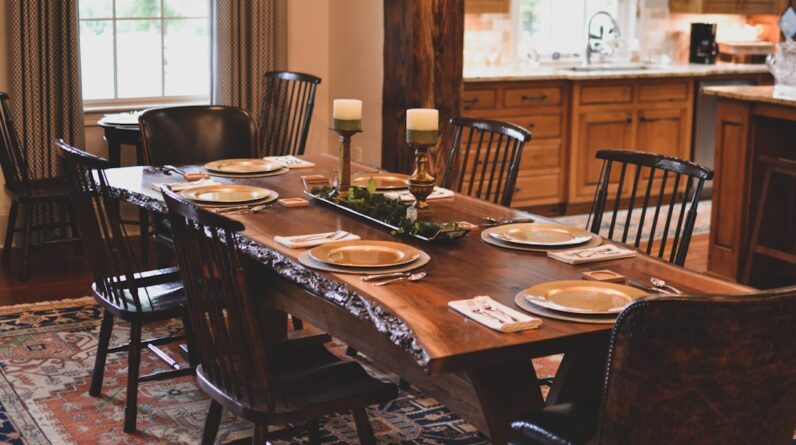
For instance, you might choose to pair a handcrafted wooden dining table with sleek modern chairs that incorporate innovative materials or ergonomic designs. This combination allows you to enjoy the beauty of artisanal craftsmanship while benefiting from contemporary advancements in comfort and usability. Additionally, consider integrating smart home technology discreetly within your handcrafted decor; for example, using hidden speakers or smart lighting systems that complement rather than detract from your carefully curated space.
By thoughtfully blending these elements, you can create an interior that feels both timeless and relevant.
The Future of Artisanal Craftsmanship in Contemporary Interior Design
As you look ahead to the future of artisanal craftsmanship in contemporary interior design, it’s clear that this movement is poised for continued growth. With increasing awareness around sustainability and ethical consumption, more individuals are likely to seek out handcrafted items that resonate with their values. You may find yourself part of a larger community advocating for authenticity and individuality in design choices.
Moreover, as technology continues to evolve, artisans will likely find new ways to integrate modern tools into their creative processes while maintaining their commitment to traditional techniques. This fusion could lead to innovative designs that honor heritage while appealing to contemporary sensibilities. As you embrace this future, remember that your choices as a consumer play a crucial role in shaping the landscape of interior design.
By supporting artisanal craftsmanship today, you contribute to a vibrant future where creativity, sustainability, and individuality thrive together in harmony.
FAQs
What is artisanal craftsmanship in contemporary interiors?
Artisanal craftsmanship in contemporary interiors refers to the use of traditional, handcrafted techniques and materials in modern interior design. It involves the creation of unique, high-quality pieces that showcase the skill and artistry of the craftspeople who make them.
What are some examples of artisanal craftsmanship in contemporary interiors?
Examples of artisanal craftsmanship in contemporary interiors include hand-carved wooden furniture, handwoven textiles, hand-blown glassware, and hand-painted ceramics. These pieces often feature intricate details and unique designs that set them apart from mass-produced items.
Why is artisanal craftsmanship valued in contemporary interiors?
Artisanal craftsmanship is valued in contemporary interiors for its authenticity, attention to detail, and connection to cultural traditions. It adds a sense of warmth, character, and individuality to interior spaces, and supports the preservation of traditional craft techniques.
How can artisanal craftsmanship be incorporated into contemporary interiors?
Artisanal craftsmanship can be incorporated into contemporary interiors through the use of handmade furniture, textiles, ceramics, and decorative objects. Designers and homeowners can also commission custom pieces from skilled craftspeople to create one-of-a-kind elements for their spaces.
What are the benefits of supporting artisanal craftsmanship in contemporary interiors?
Supporting artisanal craftsmanship in contemporary interiors helps to sustain traditional craft practices, preserve cultural heritage, and provide economic opportunities for skilled artisans. It also contributes to the creation of unique, meaningful, and sustainable interior environments.