Chandler Arizona Interior Design Services for Small Spaces
You are seeking interior design solutions tailored for small spaces in Chandler, Arizona. This guide will provide an overview of the services and approaches you can expect from professionals in this field, addressing the unique challenges and opportunities of compact living environments. Navigating the landscape of small-space design requires a strategic mindset, much like a skilled cartographer mapping out an intricate, confined territory.
Chandler’s urban development, while offering diverse housing options, often includes apartments, condominiums, and smaller single-family homes, with efficient space utilization paramount. These dwellings, though potentially limited in square footage, offer highly personalized, functional living.
Common Small Space Types in Chandler
You will encounter various small-space configurations in Chandler, each with distinct design considerations.
- Apartments and Condominiums: These typically feature open-concept living areas that demand flexible furniture arrangements and zoning strategies.
- Townhouses: Often multi-level, townhouses can present vertical challenges and opportunities for built-in storage.
- Smaller Single-Family Homes: While offering greater autonomy, even these homes may have compact rooms that require clever design solutions to maximize perceived and actual space.
- Accessory Dwelling Units (ADUs): Increasingly popular, ADUs often have minimal footprints, requiring meticulous planning.
The Small Space Design Imperative
For you, the resident of a compact Chandler home, optimizing every square inch is not merely an aesthetic choice but a functional necessity. An experienced translating designer for small spaces acts as a translator, converting your needs into a cohesive, efficient environment, transforming constraints into creative solutions.
The Role of a Chandler Interior Designer for Small Spaces
When you engage a Chandler interior designer for your small space, you are not simply hiring someone to pick out furniture. You are collaborating with a specialist who understands the unique challenges of compact living and possesses the toolkit to address them effectively. Their role is akin to that of an architect of coziness and efficiency.
Initial Consultation and Needs Assessment
Your design journey begins with a thorough discussion where you articulate your lifestyle, preferences, and challenges.
- Lifestyle Analysis: The designer will inquire about your daily routines, hobbies, and how you intend to use each area. Do you work from home? Do you entertain frequently? These factors dictate functional requirements.
- Spatial Analysis: A detailed assessment of your existing space will be conducted, measuring dimensions, identifying architectural features, and noting natural light sources.
- Budget and Timeline Discussion: Transparent communication about your financial parameters and desired project completion is crucial at this stage.
Space Planning and Layout Optimization
This is where the designer’s expertise in maximizing square footage truly shines. They approach your space as a puzzle, meticulously arranging pieces for optimal flow and utility.
- Floor Plan Development: You will receive detailed floor plans showcasing proposed furniture arrangements, traffic patterns, and potential reconfigurations.
- Zoning Strategies: In open-concept spaces, designers employ subtle divisions (rugs, shelving, furniture placement) to delineate distinct functional zones without erecting physical barriers.
- Multi-functional Furniture Integration: Recommendations will include items like sofa beds, nesting tables, ottomans with storage, and expandable dining tables.
Storage Solutions and Decluttering Strategies
Storage in a small space is not an afterthought; it is fundamental. Designers help you reclaim order from potential chaos.
- Built-in Cabinetry and Shelving: Custom units designed to fit specific nooks and crannies can dramatically increase storage capacity.
- Vertical Storage Maximization: Walls, often overlooked, become prime real estate for shelving, wall-mounted desks, and vertical garden elements.
- Hidden Storage: Solutions such as under-bed storage, hollow ottomans, and stair drawers will be explored.
- Decluttering Guidance: While not professional organizers, designers often provide advice on minimizing possessions to fit within the designated storage.
Design Principles for Small Spaces
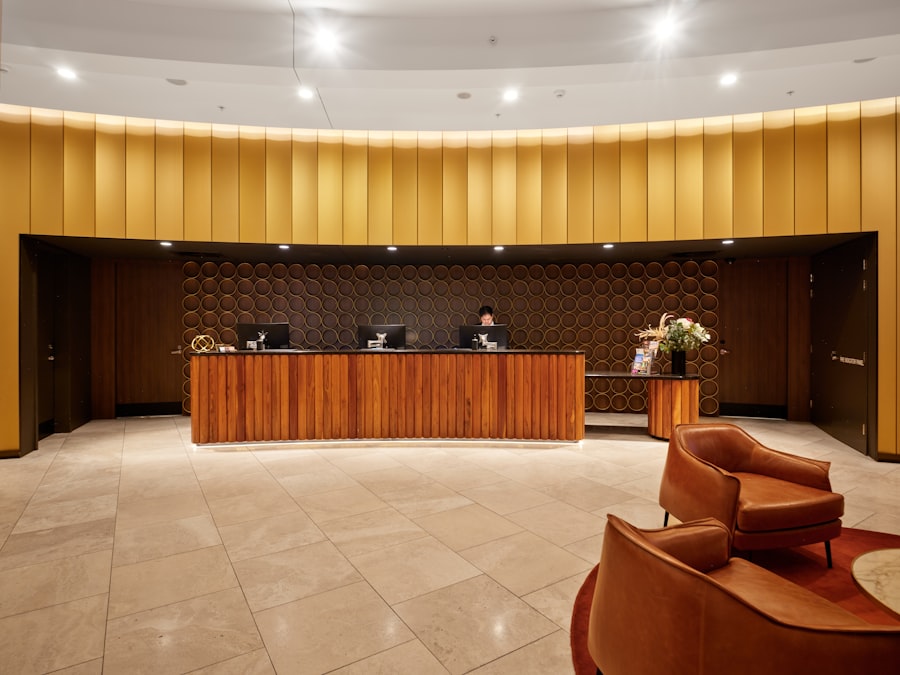
Several core design principles guide professionals in transforming compact areas into functional and inviting environments. These principles serve as a compass, guiding design choices toward perceived spaciousness and genuine utility.
Maximizing Light
Light, both natural and artificial, is a powerful tool for expanding the perception of space.
- Natural Light Enhancement: Designers will advise on window treatments that allow maximum light penetration, such as sheer curtains or blinds that can be fully retracted. Mirrors strategically placed opposite windows can reflect light and expand views, creating an illusion of depth.
- Layered Artificial Lighting: A combination of ambient (general illumination), task (for specific tasks), and accent (to highlight features) lighting helps prevent dark corners that can shrink a room. Wall-mounted or slim floor lamps are often preferred over bulky fixtures.
- Light Color Palettes: Lighter wall and ceiling colors reflect light, making rooms feel airier and larger. This does not preclude incorporating pops of color, but the dominant hues are typically brighter.
Strategic Color and Material Selection
The choices you make in colors and materials can significantly affect how you experience a small space. Like a master illusionist, the designer uses these elements to create a sense of expansiveness.
- Monochromatic or Limited Color Schemes: Using variations of a single color or a tightly controlled palette creates visual continuity, preventing areas from feeling disjointed or “chopped up.”
- Reflective Surfaces: Glass, polished metals, and high-gloss finishes can bounce light and create a sense of openness.
- Pattern and Texture: While bold, large patterns can overwhelm a small space, subtle textures and smaller-scale patterns can add interest without making the room feel busy. Area rugs, for instance, can define zones without adding visual clutter.
- Translucent Materials: Elements like glass partitions or sheer fabrics allow light to pass through, maintaining an open feel while still providing a subtle division.
Scale and Proportion of Furnishings
The dimensions of your furniture are critical in a small space. Incorrectly scaled pieces can quickly overwhelm a room.
- Appropriate Sizing: You will be guided towards furniture that fits the room without dominating it. For example, a sleek, armless sofa might be chosen over a bulky sectional.
- Leggy Furniture: Pieces with exposed legs allow light to pass underneath, making them appear lighter and less imposing than solid, floor-sitting items.
- Verticality: Tall, slender bookcases or shelving units draw the eye upwards, enhancing the perception of height.
- Avoid Over-furnishing: The temptation to fill every corner must be resisted. A few well-chosen, appropriately sized pieces are more effective than many ill-fitting ones.
Technology and Smart Home Integration in Small Spaces
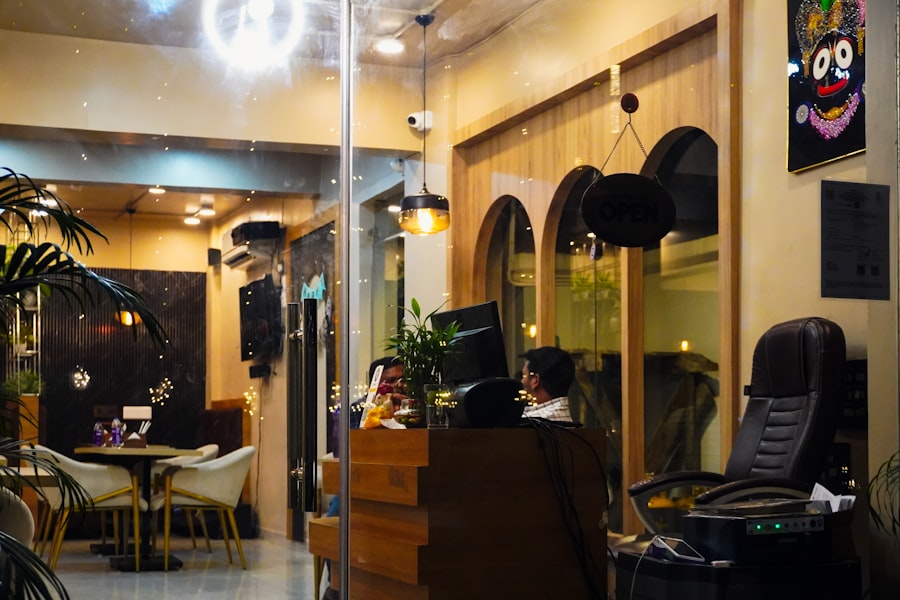
In Chandler’s contemporary homes, technology can significantly enhance the functionality and comfort of small spaces. Think of smart home integration as the nervous system of your compact dwelling, coordinating various functions with invisible efficiency.
Optimizing with Smart Devices
Smart home technology allows for streamlined control and often reduces physical clutter.
- Integrated Lighting Systems: Dimmable lights, scheduled lighting changes, and motion-activated lights can save energy and adapt the ambiance to various needs without numerous switches.
- Climate Control: Smart thermostats learn your preferences and adjust temperatures to enhance comfort and energy efficiency.
- Sound Systems: Built-in or discreet wireless sound systems eliminate bulky speakers and wires, preserving valuable floor space.
Space-Saving Tech Solutions
Beyond automation, certain technological choices inherently free up space.
- Wall-Mounted Televisions and Displays: Eliminating the need for large entertainment units.
- Wireless Charging Stations: Reducing cable clutter.
- Compact Appliances: Smaller footprint kitchen and laundry appliances designed for urban living.
- Virtual Assistants: Voice-activated devices reduce the need for physical controls and help manage tasks efficiently.
The Design Process: What to Expect
| Service Aspect | Details | Average Cost | Typical Project Duration | Customer Satisfaction |
|---|---|---|---|---|
| Space Planning | Optimizing layout for small apartments and studios | 150 – 400 | 1 – 2 weeks | 4.5 / 5 |
| Custom Furniture Design | Multi-functional and space-saving furniture solutions | 500 – 1500 | 3 – 6 weeks | 4.7 / 5 |
| Lighting Design | Maximizing natural and artificial light in small spaces | 100 – 300 | 1 week | 4.6 / 5 |
| Storage Solutions | Innovative storage ideas to reduce clutter | 200 – 600 | 2 – 3 weeks | 4.8 / 5 |
| Color Consultation | Choosing palettes to enhance space perception | 100 – 250 | 1 week | 4.4 / 5 |
Embarking on an interior design project, regardless of space size, follows a standard process. For your small space in Chandler, this process is refined to prioritize efficiency and personalized solutions.
Phase 1: Discovery and Conceptualization
This initial stage is about gathering information and envisioning possibilities.
- Client Briefing: You will articulate your vision, budget, and functional requirements.
- Site Visit and Measurement: The designer will meticulously document existing conditions.
- Mood Boards and Inspiration: Visual references will be shared to establish a shared aesthetic direction.
- Preliminary Layouts: Initial sketches and floor plans will be presented for your feedback.
Phase 2: Design Development
At this point, the concepts begin to take concrete form, much like a sculptor refines their clay.
- Detailed Floor Plans and Elevations: Precise drawings illustrating furniture placement, built-ins, and architectural modifications.
- Material and Finish Selection: Samples of fabrics, flooring, paint colors, and hardware will be presented for your approval.
- Furniture and Fixture Selection: Specific pieces will be sourced based on scale, function, and aesthetics within your budget.
- 3D Renderings (Optional): Many designers offer realistic visualizations to help you better understand the proposed design.
Phase 3: Implementation and Project Management
This is where the design transitions from paper to reality. The designer acts as your advocate and coordinator.
- Procurement: Ordering and tracking of all selected items, managing logistics, and addressing any delays or issues.
- Contractor Coordination: If renovation is involved, the designer liaises with contractors to ensure the design intent is executed correctly.
- Installation and Staging: Overseeing the delivery, assembly, and placement of furniture and decorative elements.
- Walkthrough and Punch List: A final review of the completed space to ensure all aspects meet your satisfaction and address any deficiencies.
Why Professional Design Services are an Investment
While you might consider a DIY approach, especially for a smaller space, engaging a professional offers distinct advantages. They bring an objective eye, a wealth of experience, and a network of resources that can save you time, money, and potentially costly mistakes.
They are adept at foreseeing issues you might not, much like an experienced hiker can spot impending weather changes long before an amateur. They transform what could be a frustrating puzzle into a functional and aesthetically pleasing reality, perfectly suited to your Chandler small space.
FAQs
What types of interior design services are available for small spaces in Chandler, Arizona?
Interior design services for small spaces in Chandler, Arizona, typically include space planning, custom furniture design, color consultation, lighting design, and storage solutions tailored to maximize functionality and aesthetics in limited areas.
How can interior designers help maximize space in small homes or apartments?
Interior designers can help maximize space by creating efficient layouts, selecting multi-functional furniture, utilizing vertical storage, optimizing lighting, and choosing color schemes that make rooms appear larger and more open.
Are there specific design trends popular in Chandler, Arizona, for small spaces?
Yes, popular design trends in R for small spaces include minimalist styles, natural materials, desert-inspired color palettes, and smart technology integration to enhance comfort and efficiency.
What should I consider when hiring an interior designer for a small space in Chandler?
When hiring a small-space interior designer, consider their experience with small-space projects, portfolio of past work, understanding of local standards and climate, ability to work within your budget, and approach to personalized design solutions.
Can interior design services in Chandler help with budget-friendly solutions for small spaces?
Yes, many interior designers in Chandler offer budget-friendly solutions by recommending cost-effective materials, repurposing existing furniture, prioritizing essential design elements, and providing creative ideas to enhance small spaces without overspending.
Maps Of Chandler, Arizona
Weather In Chandler, Arizona
Here is one Chandler Arizona Interior Design Services for Small Spaces
Chandler Arizona Interior Design Services for Small Spaces
Maya Design – Interior Designer
Interior designer
7+ years in business · Chandler, AZ, United States
+1 480-494-9086
Indigo Interiors
Interior designer
7+ years in business
+1 602-341-3250
Kimberley Kay Interiors
Interior designer
7+ years in business
+1 925-413-1877