Interior design is an art form that transcends mere aesthetics; it is a reflection of personal identity, cultural influences, and lifestyle choices. The myriad of styles available today allows individuals to express their unique tastes while creating functional and inviting spaces. From the opulence of traditional designs to the minimalist allure of modern aesthetics, each style carries its own history, principles, and emotional resonance.
Understanding these various styles not only enhances one’s appreciation for the craft but also aids in making informed decisions when curating a living space that feels both comfortable and representative of one’s personality. As we delve into the world of interior design styles, it becomes evident that each has its own distinct characteristics and philosophies. Traditional interior design, for instance, often evokes a sense of nostalgia and warmth, while modern design embraces simplicity and innovation.
Industrial design channels the rawness of urban environments, whereas Scandinavian design emphasizes functionality and minimalism. Bohemian design, on the other hand, celebrates eclecticism and creativity. By exploring these diverse styles, we can better understand how they influence our surroundings and contribute to the overall ambiance of our homes.
Key Takeaways
- Interior design styles encompass a wide range of aesthetics and influences, allowing for personal expression and creativity in home decor.
- Traditional interior design emphasizes classic, elegant furnishings, rich colors, and intricate details, creating a timeless and sophisticated atmosphere.
- Modern interior design features clean lines, minimalism, and a focus on open spaces, creating a sleek and contemporary look.
- Industrial interior design draws inspiration from urban lofts and warehouses, incorporating raw materials, exposed structures, and a utilitarian aesthetic.
- Scandinavian interior design prioritizes simplicity, functionality, and natural elements, creating a cozy and minimalist atmosphere with a focus on light and airy spaces.
- Bohemian interior design embraces a free-spirited and eclectic approach, combining vibrant colors, global influences, and a mix of patterns and textures for a relaxed and artistic vibe.
- When choosing the right interior design style for your home, consider your personal preferences, lifestyle, and the overall atmosphere you want to create in each space.
Traditional Interior Design
Characteristics of Traditional Interior Design
Traditional interior design is deeply rooted in history, drawing inspiration from European decor, particularly from the 18th and 19th centuries. This style is characterized by its rich color palettes, ornate furnishings, and intricate details. Elements such as crown moldings, wainscoting, and decorative ceiling medallions are commonly found in traditional spaces, creating an atmosphere that feels both elegant and timeless.
The Role of Fabrics and Symmetry
Fabrics play a significant role in this style, with luxurious materials like silk, velvet, and brocade frequently used for upholstery and drapery. The overall effect is one of sophistication, where every piece seems to tell a story of craftsmanship and heritage. In traditional interior design, symmetry is paramount. Rooms are often arranged in a balanced manner, with furniture pieces mirroring each other across a central axis. This creates a sense of order and harmony that is visually pleasing.
Adding Character and Depth
Traditional designs often incorporate antique or vintage items, which add character and depth to the space. Accessories such as ornate mirrors, classic artwork, and decorative vases further enhance the traditional aesthetic. These elements not only add visual interest but also create a sense of history and heritage in the space.
Creating a Warm and Inviting Environment
While traditional interior design may seem formal to some, it can also be adapted to create a warm and inviting environment that feels like home. By incorporating personal touches and carefully selecting accessories, it’s possible to create a space that feels both elegant and welcoming.
Modern Interior Design
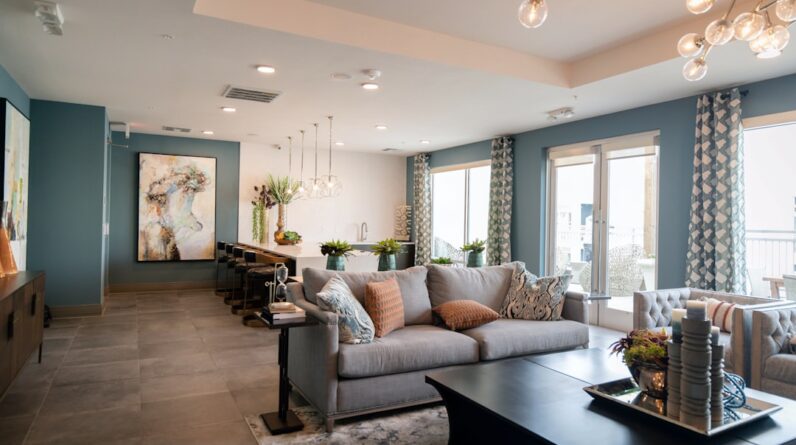
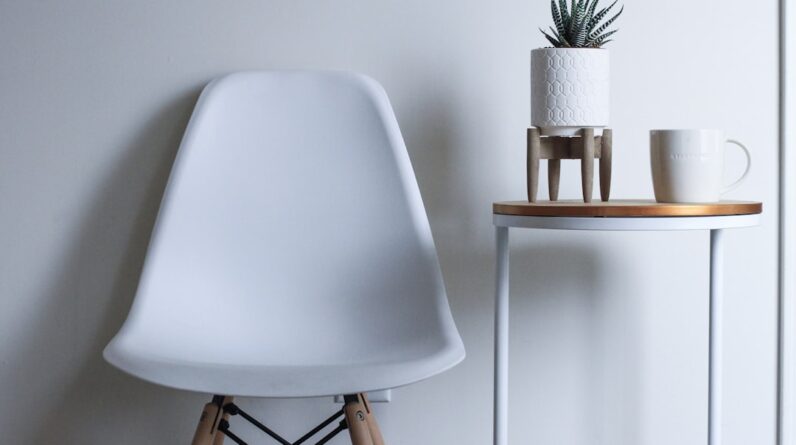
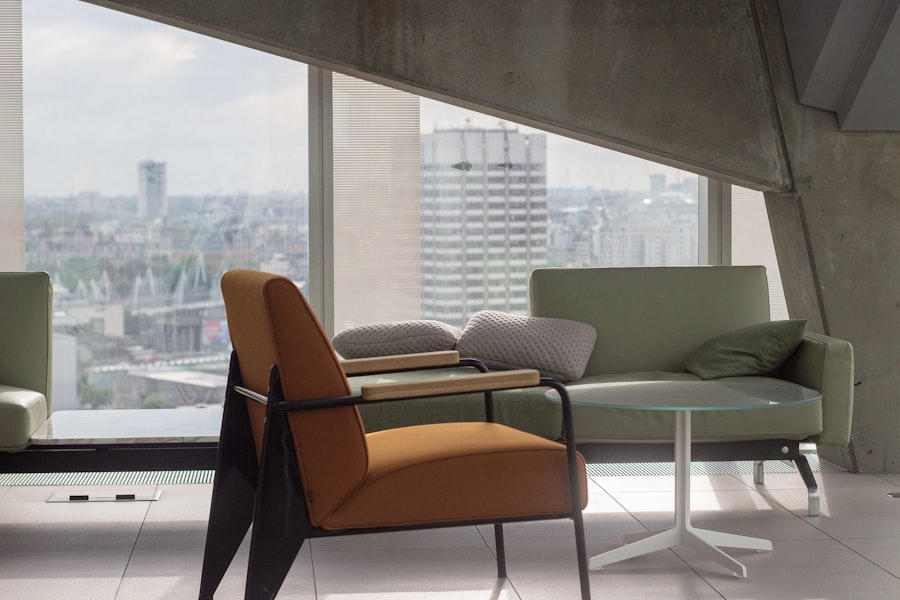
Modern interior design emerged in the early to mid-20th century as a response to the ornate styles that preceded it. This design philosophy champions simplicity, functionality, and a connection to nature. Clean lines, open spaces, and a neutral color palette are hallmarks of modern design.
The emphasis is on creating uncluttered environments that promote relaxation and ease of movement. Furniture pieces are often low-profile and made from materials such as metal, glass, and molded plastic, reflecting the technological advancements of the time. One of the defining features of modern interior design is its focus on form following function.
Every element within a space serves a purpose, whether it be aesthetic or practical. This approach encourages the use of multi-functional furniture that maximizes space without sacrificing style. Large windows are also a common feature in modern homes, allowing natural light to flood in and create an airy atmosphere.
The integration of indoor plants further enhances this connection to nature, bringing life into the minimalist aesthetic. Ultimately, modern interior design offers a refreshing take on living spaces, prioritizing comfort and simplicity while embracing contemporary trends.
Industrial Interior Design
| Aspect | Metrics |
|---|---|
| Space Utilization | Open floor plan, high ceilings, exposed pipes |
| Materials | Raw materials like metal, wood, and concrete |
| Color Palette | Neutral colors with pops of industrial hues |
| Furniture | Utilitarian and functional pieces |
| Lighting | Exposed bulbs, pendant lights, and track lighting |
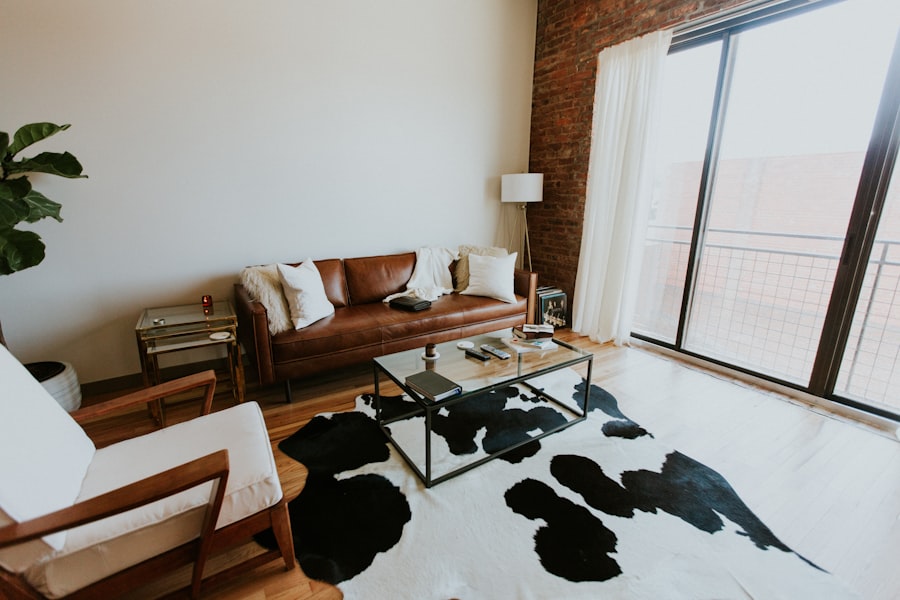
Industrial interior design draws inspiration from the raw aesthetics of warehouses and factories, celebrating the beauty of unfinished materials and utilitarian structures. This style is characterized by exposed brick walls, concrete floors, and metal accents that evoke a sense of ruggedness and authenticity. The open floor plans typical of industrial spaces allow for flexibility in layout and function, making them ideal for both residential and commercial environments.
Large windows are often featured prominently, providing ample natural light while showcasing the architectural elements that define this style. In industrial design, the use of reclaimed materials is prevalent, reflecting a commitment to sustainability and resourcefulness. Furniture pieces may be crafted from salvaged wood or repurposed metal components, adding character and history to the space.
Accessories such as vintage light fixtures, factory-style stools, and industrial shelving units contribute to the overall aesthetic while serving practical purposes. The color palette tends to lean towards neutral tones with occasional pops of color through artwork or decorative items. This style appeals to those who appreciate an urban vibe and seek to create spaces that feel both modern and grounded in history.
Scandinavian Interior Design
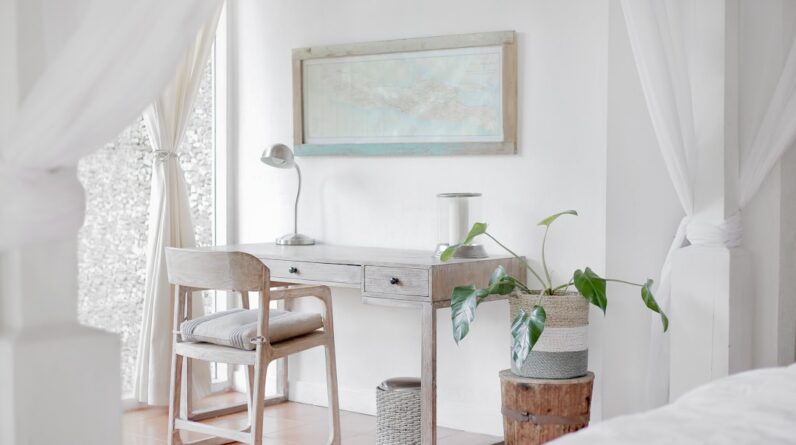
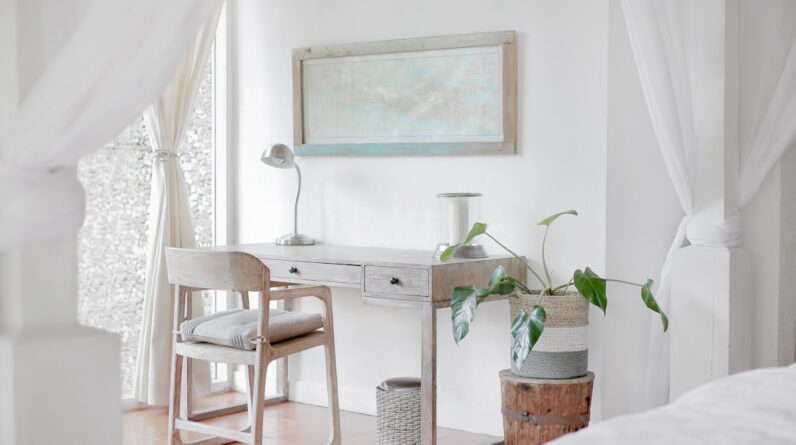
Scandinavian interior design is renowned for its emphasis on minimalism, functionality, and a deep connection to nature. Originating from the Nordic countries, this style embodies simplicity while prioritizing comfort and warmth. Characterized by light color palettes—often featuring whites, soft grays, and muted pastels—Scandinavian design creates an inviting atmosphere that feels both serene and spacious.
Natural materials such as wood are frequently used in furniture and decor, enhancing the organic feel of the space. One of the key principles of Scandinavian design is the concept of hygge—a Danish term that encapsulates coziness and contentment. This philosophy encourages the incorporation of soft textiles like wool throws and plush cushions to create inviting nooks within a home.
Additionally, Scandinavian interiors often feature functional furniture with clean lines that serve multiple purposes without overwhelming the space. The use of plants is also prevalent in this style, bringing life indoors while reinforcing the connection to nature. Ultimately, Scandinavian interior design offers a harmonious blend of aesthetics and practicality that resonates with those seeking tranquility in their living environments.
Bohemian Interior Design
Layering and Cozy Corners
The bohemian aesthetic encourages layering—both in terms of decor items and furniture arrangements—creating cozy corners that invite relaxation. In bohemian design, there are no strict rules; rather, it thrives on personal expression and. Vintage finds coexist with contemporary items, while handmade items add a unique touch to the decor.
Plants and Accessories
Plants play a significant role in this style as well; they not only enhance the visual appeal but also contribute to a sense of within the space. Accessories such as dreamcatchers, macramé hangings, and eclectic artwork further enrich the bohemian vibe.
Creating a Space that Reflects Your Identity
Ultimately, this style appeals to those who value freedom of expression in their living spaces and seek to create an environment that reflects their diverse experiences. The bohemian style is all about creating a space that reflects your identity and personal expression, and it is this aspect that makes it so appealing to those who value freedom of expression in their living spaces.
Choosing the Right Interior Design Style for Your Home
Selecting an interior design style for your home is a deeply personal journey that reflects your tastes, values, and lifestyle preferences. Each style offers its own unique charm and functionality; therefore, it’s essential to consider what resonates most with you on both an emotional and practical level. Whether you are drawn to the timeless elegance of traditional design or the minimalist allure of modern aesthetics, understanding these styles can help you create a space that feels authentically yours.
As you embark on this journey of transformation within your home, consider blending elements from different styles to curate a look that is uniquely yours. The beauty of interior design lies in its versatility; you can mix traditional pieces with modern accents or incorporate bohemian textiles into an industrial setting for an eclectic yet cohesive look. Ultimately, your home should be a sanctuary that reflects your personality while providing comfort and functionality for everyday living.
Embrace the process of exploration as you discover which elements speak to you most profoundly—after all, your home is not just a place; it is an extension of who you are.
FAQs
What are interior design styles?
Interior design styles refer to the different aesthetic and functional approaches to decorating and furnishing a space. These styles are influenced by various factors such as historical periods, cultural movements, and geographical regions.
What are some popular interior design styles?
Some popular interior design styles include modern, contemporary, traditional, industrial, Scandinavian, mid-century modern, bohemian, and minimalist. Each style has its own unique characteristics and design elements.
How do I choose the right interior design style for my space?
When choosing an interior design style for your space, consider your personal preferences, the architectural features of the space, and the functionality of the room. It’s also helpful to gather inspiration from design magazines, websites, and social media platforms.
What are the key elements of interior design styles?
Key elements of interior design styles include color schemes, furniture and decor choices, textures, patterns, and architectural details. Each style has its own distinct elements that contribute to its overall look and feel.
Can I mix different interior design styles in one space?
Yes, it is possible to mix different interior design styles in one space to create a unique and eclectic look. However, it’s important to maintain a sense of cohesion and balance to ensure that the different styles complement each other harmoniously.