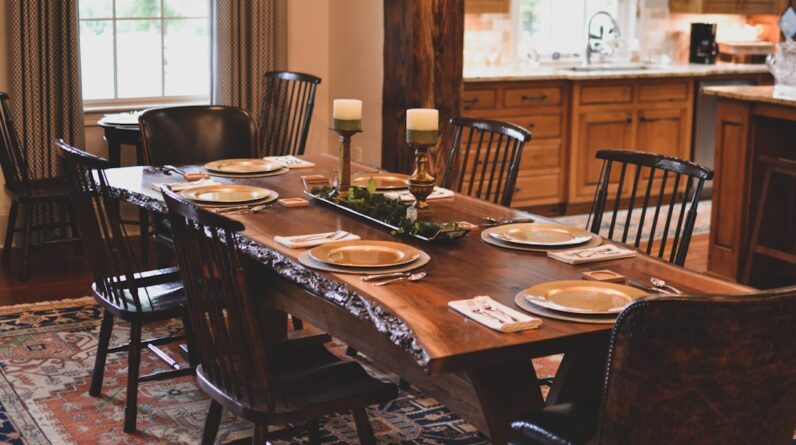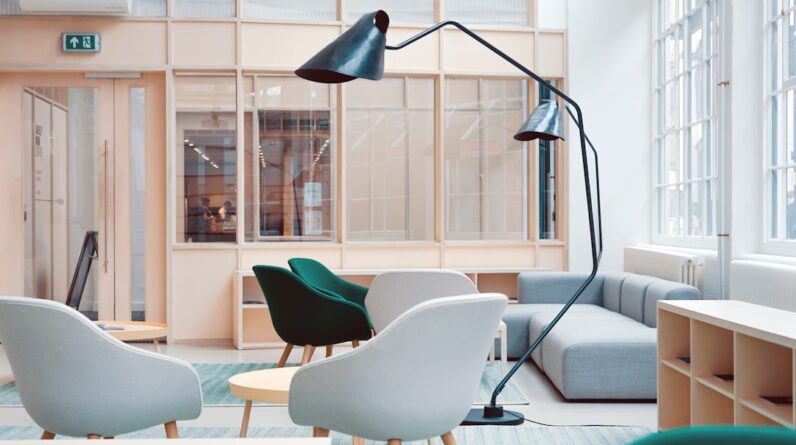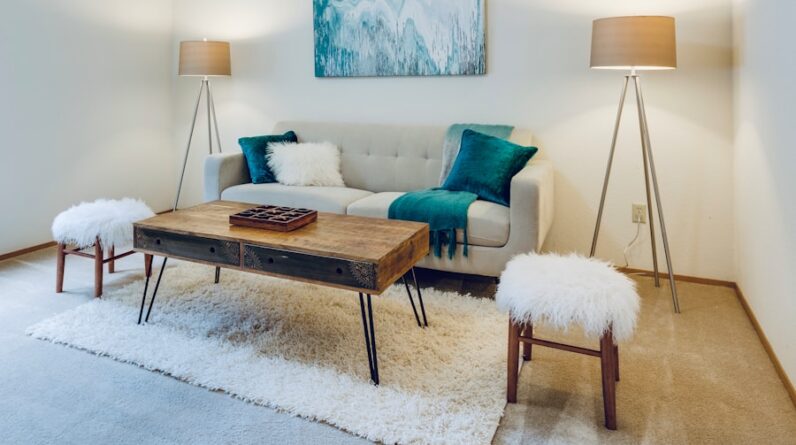
When you begin the process of furnishing a room, the first step is to assess its function and layout. Consider what activities will take place in this space. Is it a living room where you’ll entertain guests, a bedroom for relaxation, or perhaps a home office where productivity reigns?
Understanding the primary purpose of the room will guide your decisions on furniture selection and arrangement. For instance, if the room is meant for social gatherings, you might prioritize comfortable seating and a layout that encourages conversation. Conversely, if it’s a workspace, you’ll want to focus on a desk and chair that promote efficiency and comfort.
Next, take a close look at the room’s layout. Analyze the flow of movement within the space. Are there any architectural features, such as windows or doors, that will influence where you place furniture?
You might find that certain areas are better suited for specific pieces. For example, placing a sofa against a wall with a view can create an inviting atmosphere, while leaving pathways clear will ensure that the room feels open and accessible. By carefully considering both the function and layout of the room, you set a solid foundation for your furnishing journey.
Key Takeaways
- Assess the room’s function and layout to understand how the space will be used and what furniture is needed.
- Determine the style and aesthetic of the room to ensure the furniture complements the overall design.
- Set a budget for furniture purchases to avoid overspending and prioritize essential pieces.
- Measure the space and create a floor plan to visualize how the furniture will fit and flow in the room.
- Research and select furniture pieces that not only fit the style but also meet the functional needs of the space.
- Consider the materials and durability of the furniture to ensure longevity and quality.
- Test the comfort and functionality of the furniture before making a final decision to ensure it meets practical needs.
- Make the final decision and arrange the furniture in the room to create a cohesive and functional space.
Determining the Style and Aesthetic of the Room
Reflecting Your Personality
Once you have a clear understanding of the room’s function and layout, it’s time to determine its style and aesthetic. This step is crucial as it will influence not only your furniture choices but also the overall ambiance of the space. Think about what styles resonate with you—are you drawn to modern minimalism, rustic charm, or perhaps a classic traditional look?
Harmonizing with Existing Elements
Your personal taste should guide your decisions, ensuring that the room reflects your personality and preferences. As you explore different styles, consider how they can harmonize with existing elements in the room. For instance, if you have hardwood floors or exposed brick walls, certain styles may complement these features better than others.
Creating a Cohesive Look
You might also want to create a cohesive look by selecting a color palette that ties everything together. Whether you opt for bold hues or soft neutrals, your choices will significantly impact the room’s overall feel. By thoughtfully determining the style and aesthetic, you can create a space that feels both inviting and uniquely yours.
Setting a Budget for Furniture Purchases
With a clear vision of the room’s function and style in mind, it’s essential to set a budget for your furniture purchases. Establishing a financial framework will help you make informed decisions and avoid overspending. Start by determining how much you can realistically allocate for furniture without compromising other financial obligations.
This budget should encompass all aspects of your furnishing project, including not just the furniture itself but also delivery fees, assembly costs, and any additional decor items you may want to include. Once you have a budget in place, prioritize your purchases based on necessity and impact. For example, investing in a high-quality sofa may be more important than decorative pillows or artwork.
Consider creating a list of essential items versus optional ones, allowing you to allocate funds accordingly. This approach ensures that you focus on acquiring key pieces first while leaving room for additional items as your budget allows. By setting a budget early in the process, you can navigate your furnishing journey with confidence and clarity.
Measuring the Space and Creating a Floor Plan
Before diving into furniture shopping, measuring the space and creating a floor plan is crucial. Accurate measurements will help you understand what will fit comfortably within the room without overcrowding it. Start by measuring the length and width of the room, noting any architectural features such as windows, doors, or built-in shelves that may affect furniture placement.
It’s also wise to measure doorways and hallways to ensure that larger pieces can be moved into the space without difficulty. Once you have your measurements, sketch out a floor plan to visualize how different furniture arrangements might look. You can do this on paper or use online tools designed for creating room layouts.
Experiment with various configurations to find the most functional arrangement that aligns with your vision for the space. This planning phase allows you to see how different pieces will interact with one another and helps prevent costly mistakes when it comes time to make purchases. By taking the time to measure and plan, you set yourself up for success in creating a well-designed room.
Researching and Selecting Furniture Pieces
With your budget set and floor plan in hand, it’s time to research and select furniture pieces that align with your vision. Start by exploring various retailers—both online and in-store—to get a sense of what’s available within your price range. Pay attention to different styles, materials, and brands to find options that resonate with your aesthetic preferences.
Don’t hesitate to read reviews or seek recommendations from friends or family who have experience with specific pieces or retailers. As you narrow down your options, consider how each piece fits into your overall design scheme. Look for furniture that complements your chosen style while also fulfilling its intended function.
For example, if you’re furnishing a cozy reading nook, seek out an inviting armchair paired with a stylish side table for your books and beverages. Take your time during this selection process; finding the right pieces can make all the difference in achieving a cohesive and inviting atmosphere in your room.
Considering the Materials and Durability of the Furniture
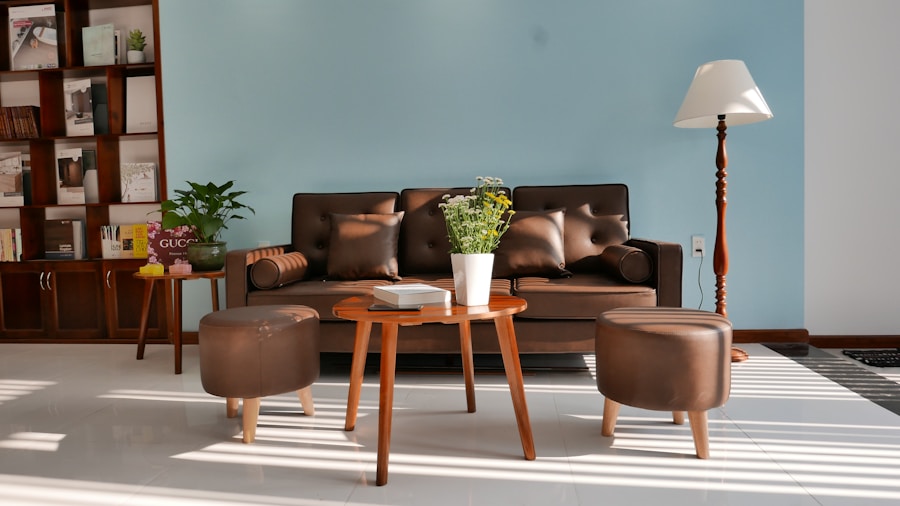
When selecting furniture pieces, it’s essential to consider not only their aesthetic appeal but also their materials and durability. The materials used in furniture construction can significantly impact its longevity and maintenance requirements. For instance, solid wood furniture tends to be more durable than particleboard alternatives but may come at a higher price point.
Similarly, upholstery fabrics vary widely in terms of durability; leather may be more resistant to wear than certain textiles but requires specific care. Think about how much use each piece will receive and choose materials accordingly. If you have pets or young children, opting for stain-resistant fabrics or sturdy finishes can save you from future headaches.
Additionally, consider how much time you’re willing to invest in maintenance; some materials require regular upkeep while others are more forgiving. By carefully evaluating materials and durability, you can make informed choices that ensure your furniture stands the test of time while still looking great.
Testing the Comfort and Functionality of the Furniture
Before making any final purchases, it’s crucial to test the comfort and functionality of your selected furniture pieces. If possible, visit showrooms or stores where you can sit on sofas, chairs, or try out desks firsthand. Comfort is subjective; what feels great to one person may not work for another.
Take your time testing different options—sit down, recline, or even lie back if it’s appropriate! This hands-on approach will help ensure that your choices meet your comfort needs. In addition to comfort, consider functionality as well.
For example, if you’re purchasing a sofa bed for guests, ensure that it opens easily and provides adequate sleeping space. If you’re selecting a dining table, think about how many people you’ll typically host and whether it accommodates them comfortably. By thoroughly testing each piece before committing to a purchase, you can avoid potential disappointments down the line and ensure that your new furniture enhances both comfort and usability in your space.
Making the Final Decision and Arranging the Furniture in the Room
After careful consideration of all factors—functionality, style, comfort, materials—you’re finally ready to make your final decisions on furniture purchases. This moment can be both exciting and daunting; after all, these choices will shape your living environment for years to come. Take a moment to reflect on everything you’ve learned throughout this process before finalizing your selections.
Trust your instincts; if something feels right for your space and lifestyle, it likely is. Once you’ve made your purchases, it’s time to arrange the furniture in the room according to your floor plan. Start by placing larger pieces first—like sofas or beds—before adding smaller items such as side tables or accent chairs.
Keep in mind the flow of movement within the space; ensure pathways are clear and that each piece serves its intended purpose without obstructing access to other areas of the room. As you arrange everything, step back periodically to assess how it all comes together visually. Adjust as needed until you achieve a harmonious balance that feels both functional and aesthetically pleasing.
By following these steps—from assessing function and layout to making final decisions—you can create a beautifully furnished room that reflects your personal style while meeting all practical needs. Enjoy the process of transforming your space into something uniquely yours!
FAQs
What factors should be considered when selecting furniture for a room?
When selecting furniture for a room, it’s important to consider the size and layout of the room, the function of the space, the existing decor and color scheme, as well as the personal style and preferences of the occupants.
What are some tips for choosing the right furniture for a room?
Some tips for choosing the right furniture for a room include measuring the space to ensure the furniture will fit, considering the scale and proportion of the furniture in relation to the room, selecting pieces that serve the intended function of the space, and choosing furniture that complements the existing decor and style of the room.
How can I ensure that the furniture I select will fit in the room?
To ensure that the furniture you select will fit in the room, it’s important to measure the space and consider the dimensions of the furniture. You can also use masking tape to outline the dimensions of the furniture on the floor to visualize how it will fit in the room.
What are some common mistakes to avoid when selecting furniture for a room?
Some common mistakes to avoid when selecting furniture for a room include choosing pieces that are too large or too small for the space, neglecting to consider the function of the room, selecting furniture that clashes with the existing decor, and failing to take into account the personal preferences and lifestyle of the occupants.
How can I ensure that the furniture I select complements the existing decor of the room?
To ensure that the furniture you select complements the existing decor of the room, consider the color scheme, style, and materials of the existing decor. Look for furniture pieces that harmonize with these elements and enhance the overall aesthetic of the room.