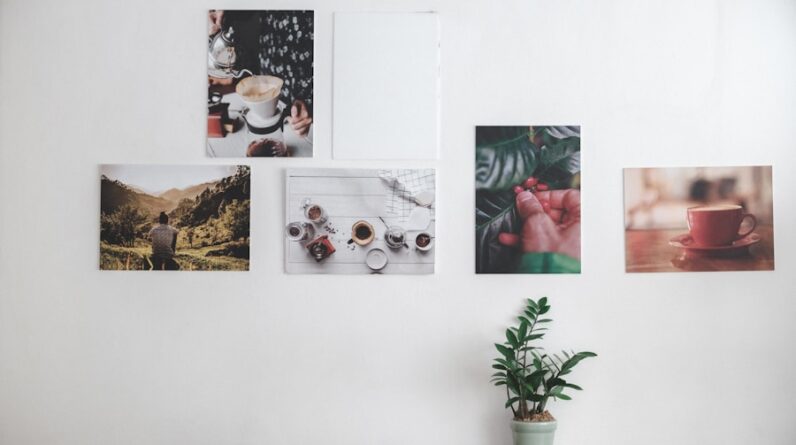
When it comes to creating a gallery wall, the first step is selecting the perfect wall. You want to find a space that not only has enough room for your artwork but also complements the overall aesthetic of your home. Consider areas that naturally draw the eye, such as a prominent wall in your living room, a hallway that could use some character, or even a cozy nook in your bedroom.
The wall you choose should be large enough to accommodate multiple pieces without feeling cramped, allowing each artwork to breathe and be appreciated. Additionally, think about the wall’s color and texture. A neutral backdrop can serve as a blank canvas, allowing your artwork to take center stage.
Conversely, a bold or textured wall can add depth and interest, enhancing the visual impact of your gallery. Take a moment to envision how different pieces will interact with the wall’s color and texture. You might even want to test out paint samples or hang fabric swatches to see how they look in different lighting throughout the day.
Ultimately, the right wall will not only showcase your art but also enhance the overall ambiance of your space.
Key Takeaways
- Choose a wall that is easily visible and complements the overall aesthetic of the room
- Select artwork and photographs that reflect your personal style and evoke positive emotions
- Arrange the layout by starting with the largest piece in the center and building around it
- Create a cohesive look by using frames and mats that complement each other and the artwork
- Add personal touches such as souvenirs or mementos to make the gallery wall unique to you
- Use lighting to accentuate the artwork and regularly update the gallery wall with new pieces
- Maintain the gallery wall by dusting and cleaning the frames and adjusting the layout as needed
Selecting the Artwork and Photographs
Reflecting Your Personality
Once you’ve chosen the ideal wall, it’s time to dive into selecting the artwork and photographs that will adorn it. This is where your personal taste truly shines. Think about what resonates with you—whether it’s vibrant abstract pieces, serene landscapes, or candid family photographs.
Curating a Harmonious Collection
The key is to curate a collection that reflects your personality and tells a story. You might want to consider themes or color palettes that can tie your selections together, creating a harmonious visual experience. As you gather your pieces, don’t hesitate to mix different mediums and styles.
Adding Dimension and Emotion
Combining paintings, prints, and photographs can create an eclectic yet cohesive look. You might also want to include three-dimensional objects like small sculptures or decorative plates for added dimension. Remember that this is your gallery; it should evoke emotions and memories that are meaningful to you.
Taking Your Time to Create a Meaningful Gallery
Take your time in selecting each piece, ensuring that it resonates with you on a personal level while also contributing to the overall narrative of your gallery wall.
Arranging the Layout
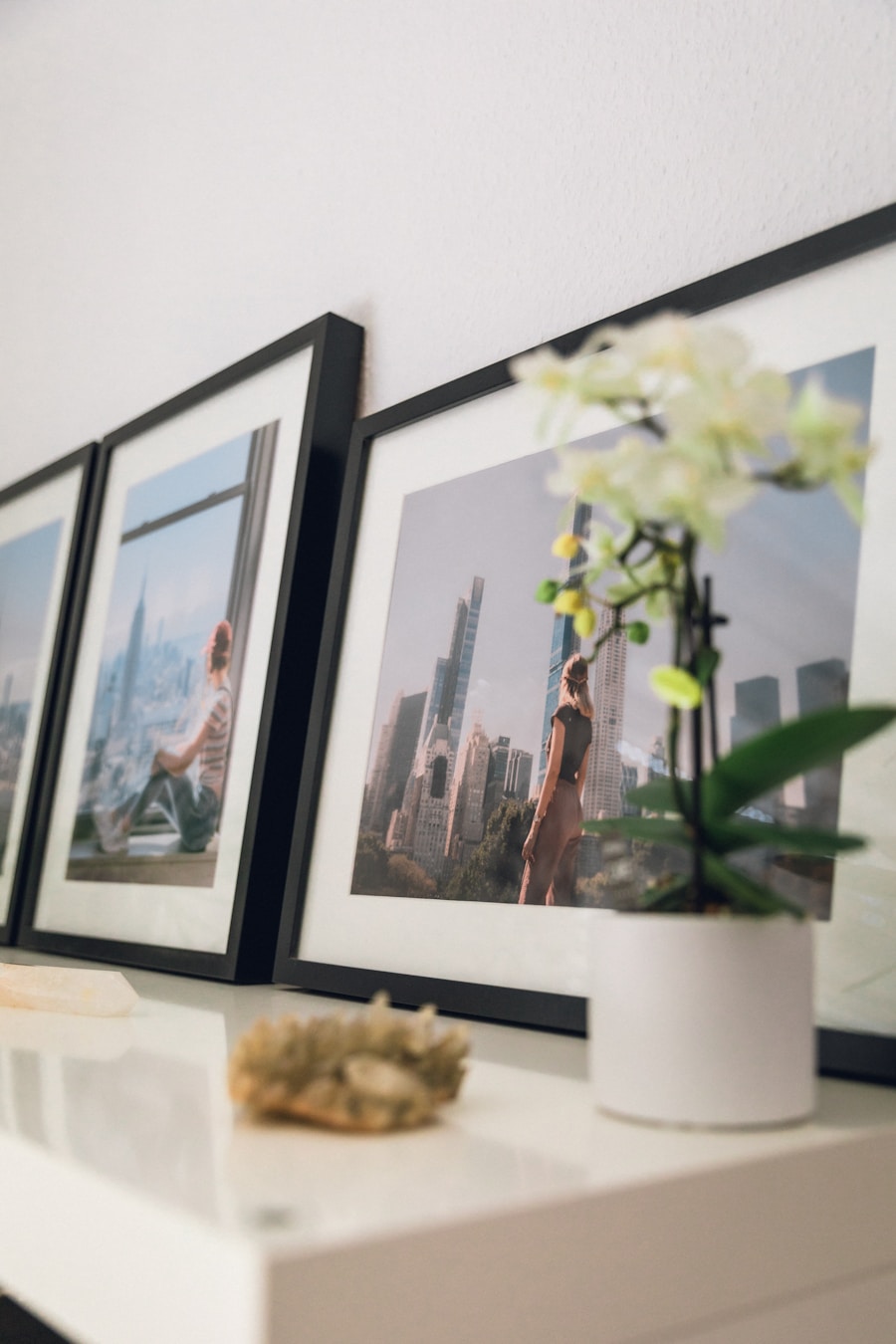
With your artwork in hand, the next step is arranging the layout on your chosen wall. This part can be both exciting and challenging, as it requires a bit of experimentation to find the perfect configuration. Start by laying out your pieces on the floor or using painter’s tape to outline their positions on the wall.
This allows you to visualize how they will interact with one another before making any permanent decisions. Consider varying the sizes and orientations of your pieces; a mix of large and small artworks can create visual interest and balance. As you arrange your layout, think about the flow of the arrangement.
You might want to create a grid pattern for a more structured look or opt for an organic arrangement for a more casual feel. Pay attention to spacing as well; leaving consistent gaps between pieces can help unify the collection while allowing each artwork to stand out. Don’t be afraid to step back frequently to assess how everything looks from different angles.
This process may take some time, but it’s essential for achieving a layout that feels both intentional and visually appealing.
Creating a Cohesive Look
Creating a cohesive look for your gallery wall is crucial in ensuring that all elements work together harmoniously. One effective way to achieve this is by establishing a unifying theme or color palette. For instance, if you have a collection of black-and-white photographs, consider framing them in similar styles or using monochromatic mats to tie them together visually.
Alternatively, if you prefer a more colorful approach, select artworks that share complementary colors or motifs. Another aspect of cohesion involves considering the overall style of your home. If your decor leans towards modern minimalism, opt for sleek frames and clean lines in your artwork selection.
On the other hand, if your space is more eclectic or bohemian, embrace a mix of textures and styles that reflect that vibe. The goal is to create a gallery wall that feels like an extension of your home’s personality while still allowing each piece to shine individually.
Using Frames and Mats
Frames and mats play an essential role in enhancing the visual appeal of your gallery wall. They not only protect your artwork but also serve as an important design element that can elevate the overall look of your display. When selecting frames, consider materials and finishes that complement both your artwork and the surrounding decor.
For instance, sleek metal frames can add a contemporary touch, while ornate wooden frames may evoke a more traditional feel. Mats are another opportunity to add depth and sophistication to your gallery wall. A well-chosen mat can create a visual buffer between the artwork and the frame, drawing attention to the piece itself while providing contrast against the wall color.
Experiment with different mat colors and widths; sometimes, a simple white mat can make vibrant colors pop, while darker mats can add drama and elegance. Ultimately, both frames and mats should enhance rather than distract from your artwork, contributing to a polished and cohesive presentation.
Adding Personal Touches
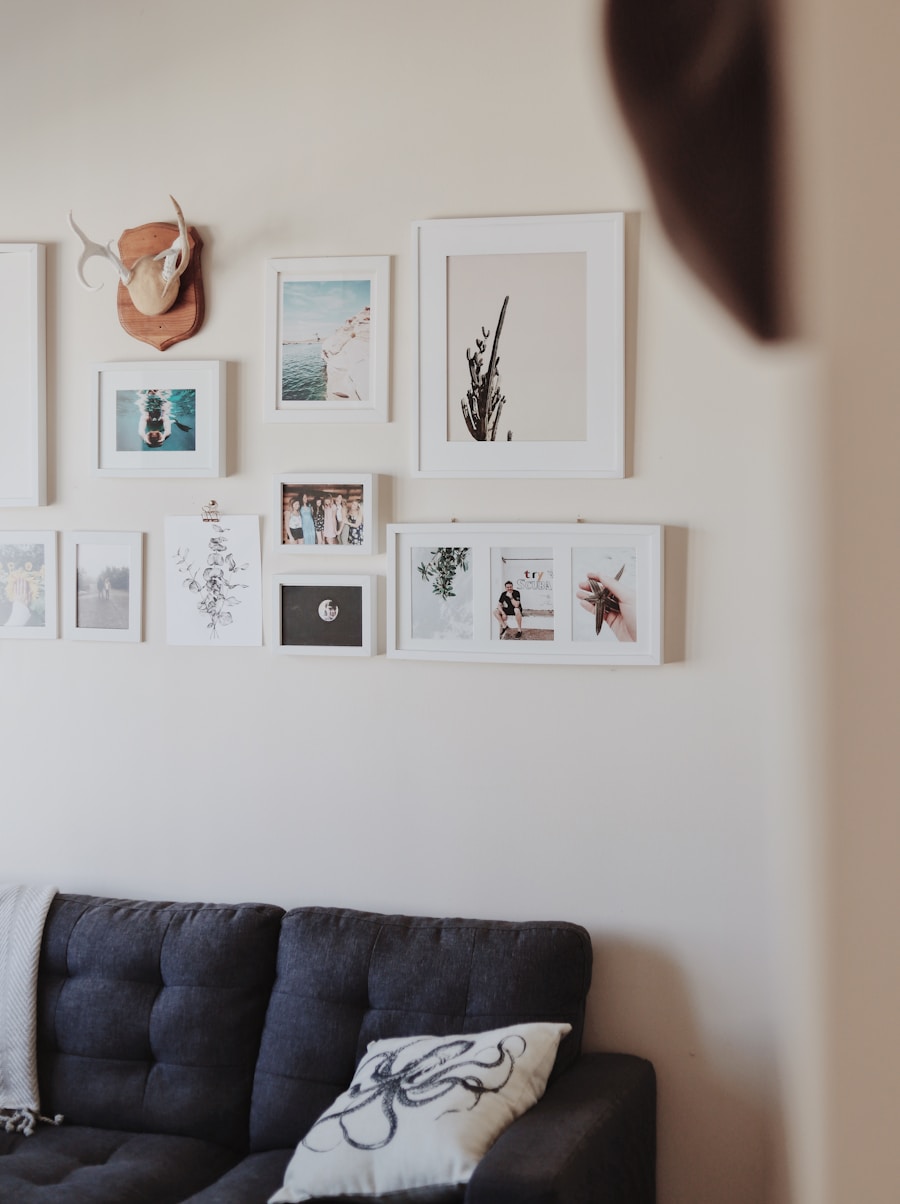
Adding Sentimental Value
This could include family photos that capture cherished memories or travel souvenirs that remind you of special adventures. Incorporating personal elements not only adds sentimental value but also invites conversation and connection with anyone who visits your home.
Incorporating Handmade Items
Consider including handmade items or art created by friends and family members as well. These pieces often carry stories and emotions that resonate deeply with you, making them perfect additions to your gallery wall.
Keeping it Fresh and Authentic
You might even want to rotate these personal touches periodically, keeping the display fresh and allowing new memories to take center stage over time. By infusing your gallery wall with personal significance, you create a space that feels warm, inviting, and authentically you.
Lighting and Accentuating
Once your gallery wall is complete, it’s time to think about lighting and how it can enhance the overall presentation of your artwork. Proper lighting can dramatically change how art is perceived; it can highlight colors, textures, and details that might otherwise go unnoticed in dim light. Consider using picture lights or adjustable sconces that can be directed towards specific pieces for added emphasis.
Natural light can also play a significant role in showcasing your gallery wall. If possible, position your artwork where it can benefit from soft daylight without direct sunlight exposure, which can fade colors over time. Additionally, think about using accent lighting such as LED strips or spotlights to create dramatic effects during evening hours.
The right lighting not only enhances visibility but also sets the mood for the entire space, making your gallery wall an inviting focal point in your home.
Maintaining and Updating the Gallery Wall
Creating a stunning gallery wall is just the beginning; maintaining its beauty over time is equally important. Regularly dusting frames and checking for any signs of wear will help keep everything looking fresh and vibrant. If you notice any fading or damage to specific pieces, consider replacing them or rotating in new artwork to keep things dynamic.
Updating your gallery wall periodically can also breathe new life into your space. As you acquire new art or photographs that resonate with you, don’t hesitate to swap out older pieces or rearrange existing ones for a fresh perspective. This not only keeps your display current but also allows you to reflect changes in your tastes and experiences over time.
By maintaining and updating your gallery wall regularly, you ensure it remains a cherished part of your home—a living testament to your evolving journey through art and memories.
FAQs
What is a gallery wall?
A gallery wall is a display of artwork, photographs, and other decorative items arranged in a visually appealing manner on a wall in a home or space.
How can I create a gallery wall in my home?
To create a gallery wall, start by selecting a variety of artwork and photographs that you would like to display. Then, plan the layout by arranging the pieces on the floor before hanging them on the wall. Use a mix of frame sizes, shapes, and styles to create visual interest.
What are some tips for effectively displaying artwork and photographs in my home?
Some tips for effectively displaying artwork and photographs in your home include using cohesive frames or mats to create a unified look, considering the scale and proportion of the wall and the pieces being displayed, and using proper hanging hardware to ensure the pieces are secure.
How can I ensure that my gallery wall looks cohesive and visually appealing?
To ensure that your gallery wall looks cohesive and visually appealing, consider using a common theme or color scheme, balancing the placement of different sized pieces, and leaving enough space between each piece to create a harmonious display.
What are some alternative ways to display artwork and photographs in my home?
Some alternative ways to display artwork and photographs in your home include using picture ledges, leaning artwork against the wall, creating a grid layout, or using a single large statement piece as a focal point.