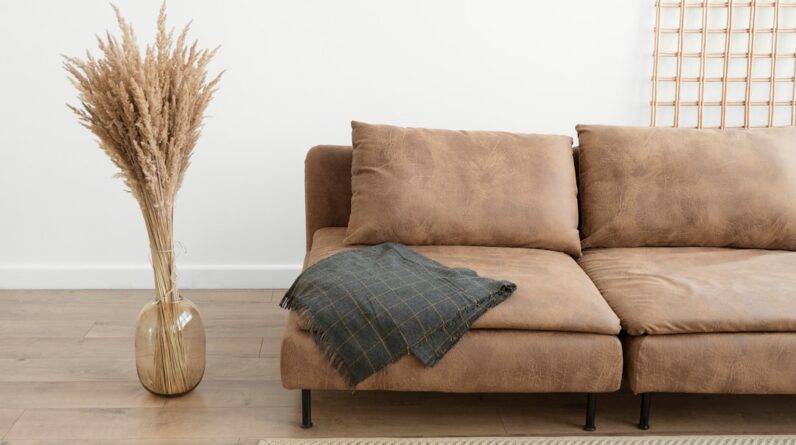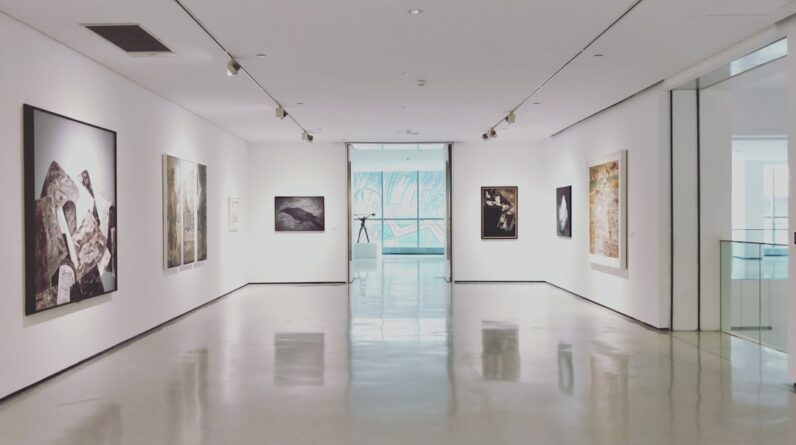
When you begin to think about displaying art in your home, the first step is to consider the space and layout of the area. Each room has its own unique characteristics, and understanding these can help you make informed decisions about where and how to showcase your art. Take a moment to assess the dimensions of the room, the existing furniture, and the overall flow of the space.
You want to create a harmonious environment where your art can shine without overwhelming the area. As you evaluate your space, think about the walls that are available for display. Are they large and expansive, or are they smaller and more intimate?
A large wall can serve as a canvas for a bold statement piece, while smaller walls may benefit from a collection of smaller works that create a gallery feel. Additionally, consider the height at which you will hang your art. Ideally, art should be displayed at eye level to ensure it is easily appreciated.
By taking the time to analyze your space, you can create a thoughtful layout that enhances both the art and the room itself.
Key Takeaways
- Consider the space and layout to ensure that the art pieces complement the overall design and flow of the room.
- Choose the right lighting to highlight and enhance the art pieces, creating a visually appealing display.
- Mix and match art pieces to add variety and interest to the space, creating a dynamic and eclectic look.
- Create a focal point with a standout art piece that draws attention and anchors the room’s design.
- Incorporate sculptures and 3D art to add depth and dimension to the space, creating a multi-dimensional visual experience.
Choose the Right Lighting
Natural Light: Warmth and Vibrancy
Natural light can bring warmth and vibrancy to your artwork, but be cautious of direct sunlight, which can cause fading over time. If your space allows for it, position your art near windows where it can benefit from soft, diffused light.
Artificial Lighting: Drawing Attention
For artificial lighting, think about using spotlights or track lighting to draw attention to specific pieces. Adjustable fixtures allow you to change the angle and intensity of the light, ensuring that your art is always showcased in the best possible way.
Creating an Inviting Atmosphere
Wall sconces can also add an elegant touch while providing ambient light that complements your artwork. By carefully considering your lighting options, you can create an inviting atmosphere that enhances the beauty of your art collection.
Mix and Match Art Pieces

One of the most exciting aspects of curating an art collection is the opportunity to mix and match different pieces. This approach allows you to create a dynamic visual experience that reflects your personal style. When combining various artworks, consider factors such as size, color, and theme.
A large abstract painting can be beautifully juxtaposed with smaller, more detailed pieces, creating a sense of balance and intrigue. Don’t shy away from mixing different mediums as well. Combining paintings with photographs or prints can add depth to your display.
You might also consider incorporating textiles or mixed media pieces for added texture. The key is to maintain a cohesive theme or color palette that ties everything together while still allowing for individuality within each piece. By embracing variety in your collection, you can create an engaging and visually stimulating environment that tells a story.
Create a Focal Point
Every well-designed space benefits from a focal point—an element that draws the eye and anchors the room. In terms of art display, this could be a large painting or an eye-catching sculpture that commands attention. When selecting a focal point, think about what you want to highlight in your space.
It could be a piece that resonates with you personally or one that complements the overall aesthetic of the room. Once you’ve chosen your focal point, arrange other elements around it to enhance its prominence. This could involve positioning smaller artworks nearby or using furniture to frame the piece visually.
The goal is to create a sense of balance while ensuring that your focal point remains the star of the show. By thoughtfully designing around this central element, you can create a cohesive look that draws visitors in and encourages them to appreciate the art on display.
Incorporate Sculptures and 3D Art
While paintings and prints are often the first types of art that come to mind, incorporating sculptures and 3D art into your collection can add an exciting dimension to your space. These pieces can serve as conversation starters and provide a tactile experience that flat artworks cannot offer. When selecting sculptures, consider their size and placement carefully; larger pieces may work well on pedestals or as standalone installations, while smaller sculptures can be integrated into shelves or tabletops.
In addition to traditional sculptures, think about incorporating other forms of 3D art, such as wall-mounted pieces or mixed media installations. These can add depth and interest to your walls while breaking up flat surfaces. When arranging 3D art, be mindful of sightlines and how they interact with other elements in the room.
By thoughtfully integrating these pieces into your decor, you can create a rich visual tapestry that invites exploration and engagement.
Use Floating Shelves or Ledges
Flexibility in Arrangement
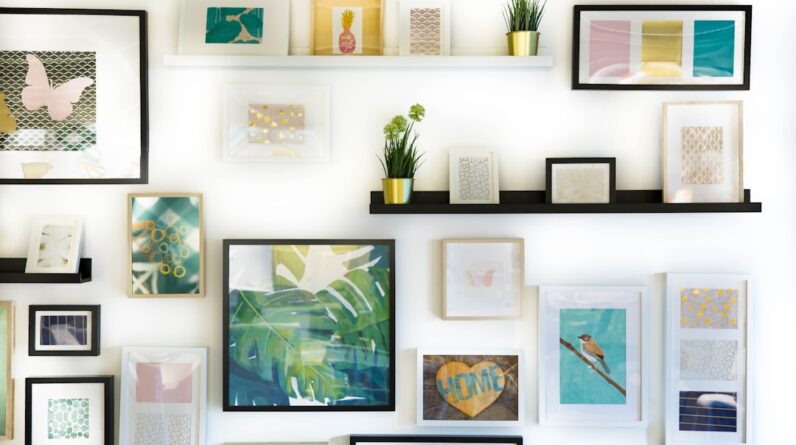
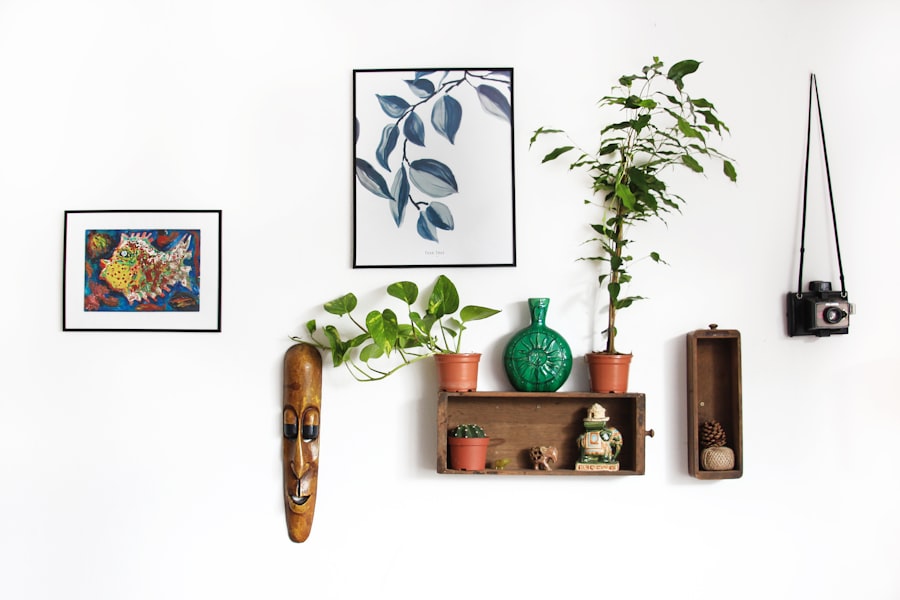
You can arrange artworks on shelves in various configurations, stacking them or leaning them for a casual yet polished look.
Adding Depth and Visual Interest
When using floating shelves, consider incorporating other decorative elements alongside your art, such as plants or small sculptures. This layering effect adds depth and visual interest, creating a more personalized display. Additionally, floating shelves can be installed at varying heights to create an engaging visual rhythm throughout the room.
Dynamism in Art Display
By adopting this adaptable approach, you can keep your art collection dynamic and ever-evolving.
Consider the Color Scheme
The color scheme of your space plays a significant role in how art is perceived and appreciated. When selecting artworks, think about how their colors will interact with the existing palette of your room. A piece with bold colors can serve as a striking contrast against neutral walls, while softer hues may blend seamlessly into a more monochromatic environment.
You might also consider creating a color story throughout your collection by choosing pieces that share similar tones or themes. This approach can create a sense of cohesion across different artworks while allowing for diversity in style and medium. Additionally, don’t forget about the impact of framing; choosing frames that complement or contrast with your color scheme can further enhance the overall aesthetic of your display.
By being mindful of color choices, you can create an inviting atmosphere that highlights your art collection beautifully.
Incorporate Art into Functional Furniture
Art doesn’t have to be confined to walls; it can also be integrated into functional furniture pieces for a unique twist on decor. Consider items like coffee tables with artistic designs or bookshelves that feature built-in artwork. This approach not only maximizes space but also allows you to showcase your collection in unexpected ways.
For example, you might choose a dining table with an artistic base or a bench adorned with colorful upholstery that doubles as a statement piece. By incorporating art into furniture design, you create functional yet visually appealing elements that enhance both style and utility in your home. This innovative approach allows you to express your creativity while ensuring that art remains an integral part of your everyday life.
In conclusion, displaying art in your home is an opportunity to express yourself and create an environment that reflects your personality and taste. By considering factors such as space layout, lighting, color schemes, and innovative display methods like floating shelves or functional furniture integration, you can curate a collection that not only enhances your living space but also brings joy and inspiration into your daily life. Embrace the process of selecting and arranging art as a creative journey—one that transforms your home into a gallery of personal expression.
FAQs
What are some strategies for displaying an art collection within a contemporary interior?
Some strategies for displaying an art collection within a contemporary interior include creating a focal point with a large piece of art, using a gallery wall to display multiple pieces, incorporating art into the overall design scheme, and using lighting to highlight the artwork.
How can a focal point be created with a large piece of art?
A focal point can be created with a large piece of art by placing it in a prominent location, such as above a fireplace or on a feature wall. This draws attention to the artwork and can anchor the room’s design.
What is a gallery wall and how can it be used to display multiple pieces of art?
A gallery wall is a collection of artwork displayed together on a single wall. It can be used to display multiple pieces of art in a cohesive and visually appealing way, creating a dynamic focal point in the room.
How can art be incorporated into the overall design scheme of a contemporary interior?
Art can be incorporated into the overall design scheme of a contemporary interior by considering the color palette, style, and scale of the artwork to complement the space. It can also be integrated with other design elements, such as furniture and accessories, to create a cohesive look.
How can lighting be used to highlight artwork in a contemporary interior?
Lighting can be used to highlight artwork in a contemporary interior by using track lighting, picture lights, or recessed lighting to direct attention to the artwork. This can create a dramatic effect and enhance the visual impact of the art collection.