Contemporary interior design is a dynamic and ever-evolving field that reflects the current trends and cultural influences of our time. As you step into a contemporary space, you are often greeted by clean lines, open layouts, and a harmonious blend of functionality and aesthetics. This design style is not just about the visual appeal; it also emphasizes the importance of creating environments that resonate with the way you live today.
The essence of contemporary design lies in its ability to adapt and incorporate new ideas, materials, and technologies, making it a versatile choice for many homeowners and designers alike. In this exploration of contemporary interior design, you will discover how textures play a pivotal role in shaping the overall ambiance of a space. Textures can evoke emotions, create focal points, and enhance the sensory experience of your surroundings.
By understanding how to effectively use textures, you can transform your living spaces into reflections of your personality and lifestyle. This article will guide you through the various aspects of textures in contemporary design, helping you appreciate their significance and encouraging you to embrace them in your own home.
Key Takeaways
- Contemporary interior design focuses on clean lines, minimalism, and a balance of form and function.
- Textures play a crucial role in adding depth and visual interest to interior spaces.
- Incorporating a variety of textures, such as wood, metal, fabric, and glass, can enhance the overall atmosphere of a space.
- Textures can create a cozy and inviting atmosphere, making a space feel more welcoming and comfortable.
- Balancing textures is key in contemporary interior design to avoid overwhelming the space and to create a harmonious environment.
Understanding Textures in Interior Design
Textures are the tactile qualities of surfaces that can be perceived through touch or sight. They can range from smooth and glossy finishes to rough and matte surfaces, each contributing to the overall feel of a room. In contemporary interior design, textures are not merely decorative elements; they serve as essential components that influence how you perceive and interact with your environment.
By understanding the different types of textures available, you can make informed choices that enhance the aesthetic appeal and functionality of your space. When you think about textures, consider both natural and synthetic materials. Natural textures might include wood grains, stone surfaces, or woven fabrics, while synthetic options could encompass polished metals or engineered materials.
Each texture brings its own character to a room, allowing you to create a unique atmosphere that resonates with your personal style. By combining various textures, you can achieve a layered look that adds depth and interest to your interiors, making them feel more inviting and engaging.
Incorporating Textures into Contemporary Interior Design
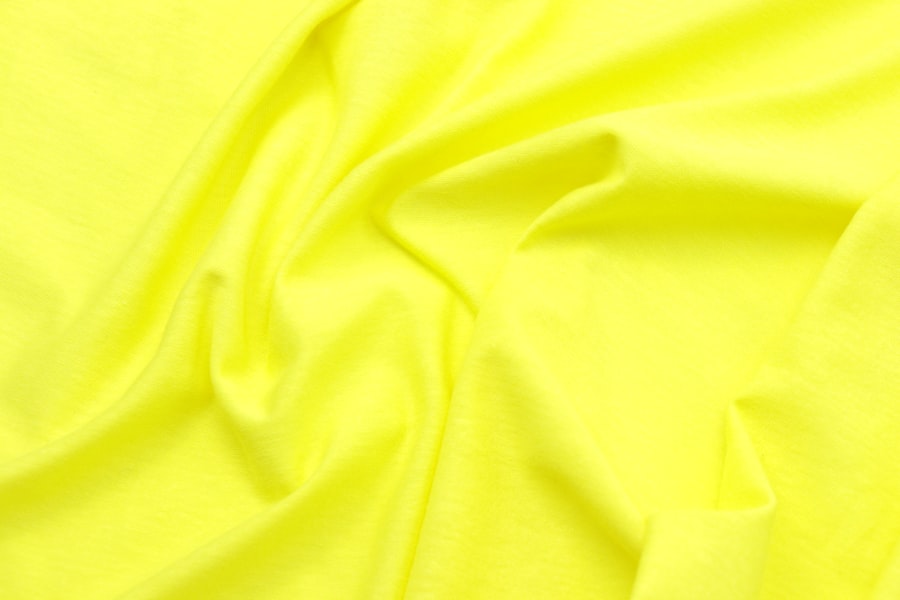
Incorporating textures into your contemporary interior design can be an exciting journey of creativity and self-expression. One effective way to start is by selecting a focal point in the room where you want to emphasize texture. This could be a feature wall adorned with textured wallpaper or a statement piece of furniture upholstered in a rich fabric.
By drawing attention to a specific area, you can create a visual anchor that sets the tone for the rest of the space. Another approach is to layer different textures throughout the room. For instance, you might combine soft textiles like plush rugs and cushions with harder surfaces such as glass or metal furniture.
This interplay between soft and hard materials not only adds visual interest but also creates a tactile experience that invites you to engage with your surroundings. As you experiment with various textures, consider how they interact with light; glossy surfaces can reflect light beautifully, while matte finishes absorb it, creating a more subdued atmosphere.
The Impact of Textures on the Atmosphere of a Space
The atmosphere of a space is profoundly influenced by the textures you choose to incorporate. Textures can evoke specific feelings and moods, transforming an ordinary room into an extraordinary experience. For example, soft fabrics like velvet or chenille can create a sense of warmth and comfort, making a space feel cozy and inviting.
On the other hand, sleek and shiny surfaces may impart a sense of modernity and sophistication, appealing to those who prefer a more minimalist aesthetic. As you consider the impact of textures on your space, think about how they align with your lifestyle and preferences. If you enjoy hosting gatherings with friends and family, incorporating inviting textures like warm woods or plush upholstery can foster an atmosphere of relaxation and connection.
Conversely, if you seek tranquility in your personal retreat, opting for calming textures such as smooth stones or soft linens can help create a serene environment conducive to relaxation and reflection.
Using Textures to Create Visual Interest and Depth
Visual interest is crucial in contemporary interior design, as it keeps the eye engaged and encourages exploration within a space. Textures are one of the most effective tools at your disposal for achieving this goal. By thoughtfully layering different textures, you can create depth that draws attention and invites curiosity.
For instance, pairing a rough-hewn wooden table with sleek metal chairs can create a striking contrast that adds dimension to your dining area. Additionally, consider using textiles in various patterns and weaves to enhance visual interest further. A mix of patterned throw pillows on a solid-colored sofa can add vibrancy and personality to your living room.
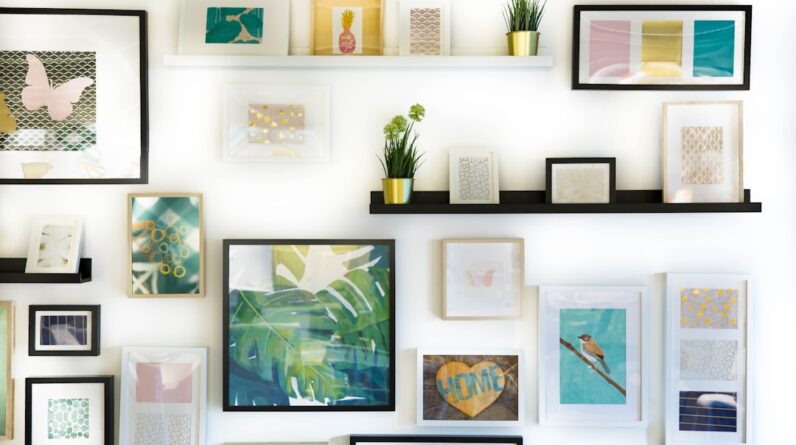
Similarly, incorporating textured wall art or sculptures can serve as conversation starters while enriching the overall aesthetic of your home. The key is to strike a balance between different textures so that they complement rather than compete with one another.
Balancing Textures in Contemporary Interior Design
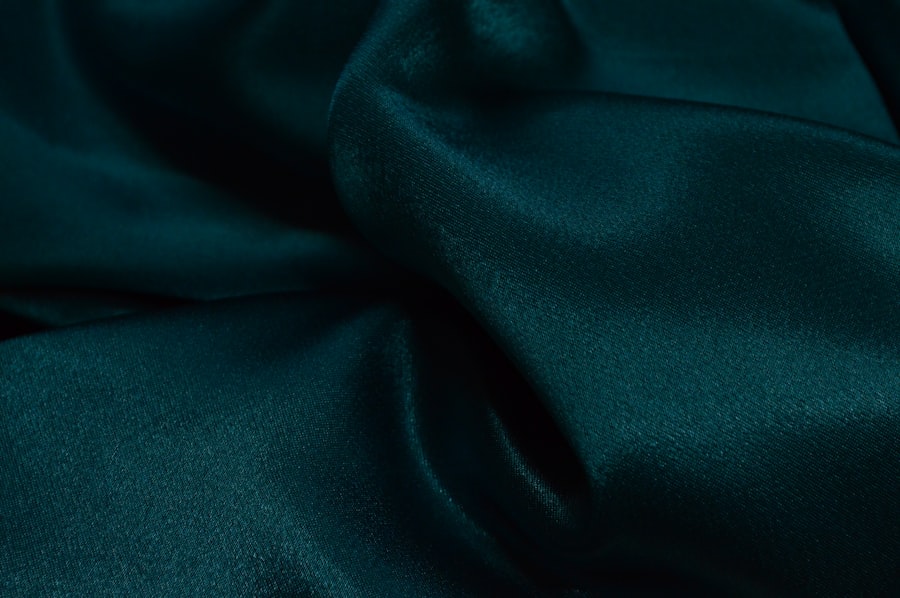
Establishing a Unifying Theme
To maintain harmony in your space, consider establishing a unifying theme or color palette that ties different textures together. This approach allows you to explore diverse materials while ensuring they work in concert with one another.
Balancing Texture Degrees
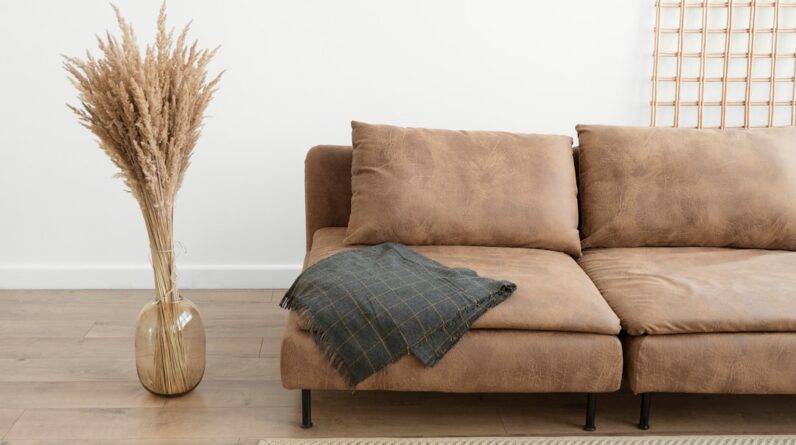
One effective strategy for balancing textures is to use varying degrees of texture within similar categories. For example, if you have a plush velvet sofa, consider pairing it with a knitted throw blanket or linen cushions that offer different tactile experiences without overwhelming the senses.
Mindful of Scale
Additionally, be mindful of scale; larger textures can dominate a space while smaller ones can provide subtle accents. By thoughtfully curating your selection of textures, you can create an inviting environment that feels both dynamic and harmonious.
The Role of Textures in Creating a Cozy and Inviting Space
Creating a cozy and inviting space is often at the forefront of contemporary interior design goals. Textures play an integral role in achieving this warmth and comfort that many seek in their homes. Soft textiles like wool throws, cotton curtains, or plush area rugs can instantly transform a stark room into a welcoming haven where you feel at ease.
These elements invite touch and interaction, encouraging you to sink into the comfort of your surroundings. Moreover, layering textures can enhance this cozy atmosphere even further. Imagine curling up on a soft sofa adorned with an array of cushions in varying fabrics—each inviting you to relax and unwind after a long day.
Incorporating natural elements such as wooden accents or stone features can also contribute to this sense of warmth by connecting your space to nature. By thoughtfully selecting and layering textures, you can create an environment that feels not only stylish but also deeply comforting.
Embracing Textures in Contemporary Interior Design
In conclusion, embracing textures in contemporary interior design is essential for creating spaces that are not only visually appealing but also rich in character and warmth. As you navigate through the world of interior design, remember that textures are powerful tools that can influence mood, enhance visual interest, and foster an inviting atmosphere within your home. By understanding how to incorporate various textures thoughtfully and balancing them effectively, you can transform your living spaces into reflections of your unique style.
As you embark on your design journey, allow yourself the freedom to experiment with different materials and finishes. Whether it’s through layering textiles or combining natural elements with modern accents, each choice contributes to the overall narrative of your home. Ultimately, embracing textures will not only elevate your interior design but also create spaces where you feel truly at home—spaces that resonate with comfort, style, and individuality.
FAQs
What is contemporary interior design?
Contemporary interior design refers to the current trends and styles in interior decorating. It often incorporates modern elements and focuses on clean lines, minimalism, and a mix of different materials and textures.
What role do textures play in contemporary interior design?
Textures play a crucial role in contemporary interior design as they add depth, visual interest, and tactile appeal to a space. Different textures, such as smooth, rough, shiny, or matte, can create contrast and enhance the overall design aesthetic.
How are textures incorporated into contemporary interior design?
Textures are incorporated into contemporary interior design through various elements such as furniture, fabrics, wall coverings, flooring, and decorative accessories. Designers often mix and layer different textures to create a visually dynamic and inviting space.
What are some popular textures used in contemporary interior design?
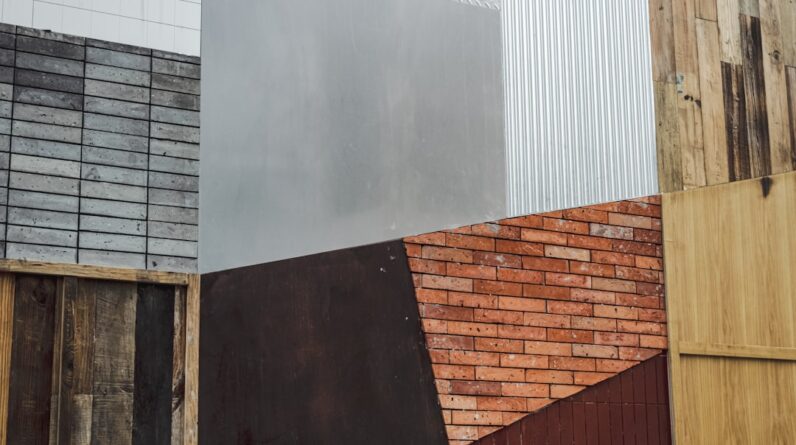
Some popular textures used in contemporary interior design include natural materials like wood, stone, and metal, as well as tactile fabrics such as velvet, leather, and linen. Additionally, textured wall treatments like exposed brick, concrete, or wallpaper add visual interest to a space.
How can textures enhance the overall design of a contemporary interior?
Textures can enhance the overall design of a contemporary interior by adding warmth, depth, and character to the space. They can also create a sense of balance and harmony, as well as evoke a specific mood or atmosphere within the room.