Embarking on a kitchen renovation in Power Ranch, Gilbert, Arizona, is a significant undertaking, akin to writing a new chapter in your home’s story. This process moves beyond mere cosmetic updates; it’s about reimagining the very heart of your dwelling, transforming it from a functional space into a testament to your lifestyle and aesthetic preferences. Gilbert, with its blend of suburban charm and modern amenities, offers a fertile ground for such transformations. Power Ranch, in particular, is a community known for its family-friendly atmosphere and well-established homes, many of which are ripe for a contemporary facelift. This guide will walk you through the key considerations for a kitchen renovation in this specific locale, focusing on design, functionality, and the practicalities of bringing your vision to life.
Power Ranch, nestled within Gilbert’s vibrant landscape, possesses a certain architectural character. While individual homes may vary, there’s a prevailing sense of comfortable, family-oriented living. Your kitchen renovation should harmonize with this existing context, either by subtly reinforcing established styles or by introducing a complementary modern flair.
Embracing Desert Modernism
Many homes in Power Ranch, and indeed across the greater Phoenix metropolitan area, lend themselves to a Desert Modernist aesthetic. This style, popular in Arizona, blends clean lines and natural materials with an emphasis on indoor-outdoor living.
Key Elements of Desert Modernism
- Natural Materials: Think of incorporating materials like stone, wood, and concrete. These elements ground the design and connect it to the surrounding arid environment.
- Neutral Color Palettes: Earth tones, warm grays, and muted whites create a sense of calm and sophistication, reflecting the natural hues of the Arizona desert.
- Large Windows and Natural Light: Maximizing natural light is crucial in desert climates. Expansive windows not only brighten the space but also draw the stunning desert vistas indoors.
- Seamless Indoor-Outdoor Flow: Consider how your kitchen can extend the living space to outdoor patios or entertainment areas, a hallmark of Arizona living.
Integrating Traditional Touches
While Desert Modernism is prevalent, many Power Ranch homes also feature elements of more traditional design. Your renovation can either lean into these established features or create a thoughtful juxtaposition.
Strategies for Traditional Integration
- Classic Cabinetry: If your home has traditional architectural elements, consider shaker-style or raised-panel cabinetry that echoes these features.
- Timeless Finishes: Opt for materials like granite or marble countertops, which have a classic appeal and stand the test of time.
- Warm Wood Tones: Incorporating warm wood finishes, whether in cabinetry, flooring, or accent pieces, can add a touch of timeless elegance.
- Subtle Detailing: Think about classic hardware, decorative moldings, and backsplash tiles that complement a more traditional leaning.
The Role of Community Context
When designing your kitchen, it’s beneficial to observe the prevalent styles in your immediate neighborhood within Power Ranch. While your personal taste is paramount, a renovation that feels overly incongruous with its surroundings might impact resale value or the overall streetscape appeal. This isn’t about conformity, but about understanding the dialect of your architectural neighborhood.
Kitchen Layout and Flow: The Blueprint of Functionality
The layout of your kitchen is the skeleton upon which all other design elements are built. In Power Ranch, where family life often takes center stage, a functional and intuitive layout is not just desirable, it’s essential. You’re not just designing a room; you’re orchestrating the daily symphony of your household.
The Work Triangle: A Time-Tested Principle
The concept of the work triangle, connecting the sink, refrigerator, and range, remains a foundational principle for efficient kitchen design. Optimizing this triangle minimizes unnecessary steps and creates a smooth workflow.
Optimizing the Work Triangle
- Sufficient Clearance: Ensure ample space between each point of the triangle to avoid bottlenecks, especially when multiple people are in the kitchen.
- Proximity of Related Items: Store frequently used items close to their point of use. For example, spatulas and cooking oils near the range.
- Minimizing Obstructions: Avoid placing the refrigerator or range directly across from each other without adequate counter space in between.
Open-Concept Living: A Modern Imperative
The trend towards open-concept living has permeated many suburban communities, including Power Ranch. Extending your kitchen into adjacent living and dining areas can create a more social and connected environment.
Benefits of Open-Concept Kitchens
- Enhanced Social Interaction: This layout allows you to be part of conversations while cooking or cleaning, fostering a more engaging family dynamic.
- Perceived Spaciousness: Breaking down walls can make smaller homes feel larger and more airy.
- Improved Natural Light Distribution: Light can flow more freely throughout the combined spaces.
Island vs. Peninsula: Strategic Seating and Workspace
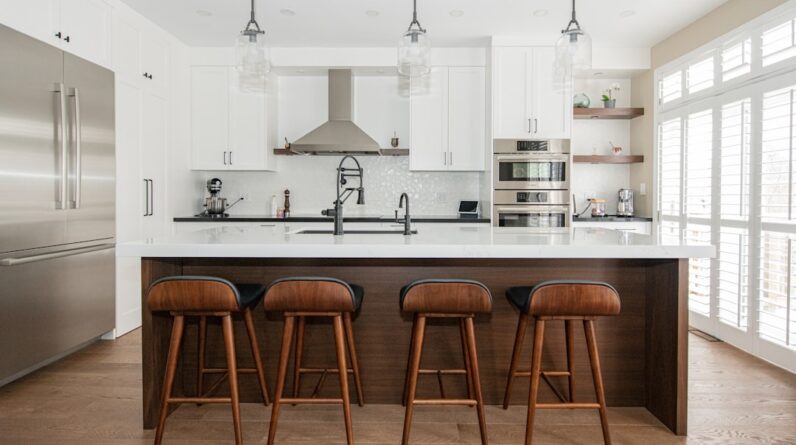
The addition of a kitchen island or peninsula can significantly enhance both functionality and aesthetics. These elements introduce valuable counter space for prep work, casual dining, or a gathering spot for family and friends.
Island Considerations
- Size and Proportion: Ensure the island is appropriately sized for your kitchen and allows for comfortable traffic flow around it.
- Functionality: Consider incorporating a sink, cooktop, or additional storage into the island for added utility.
- Seating: Designate space for stools to create a casual dining or morning coffee spot.
Peninsula Considerations
- Space Optimization: Peninsulas can be a good option when an island is too large or impractical for your space.
- Defining Zones: They can effectively delineate the kitchen area from the dining or living room without completely closing off the space.
- Integrated Seating: Similar to islands, peninsulas can accommodate seating.
Material Selection: The Palette of Your Kitchen
The choice of materials in your Power Ranch kitchen renovation will dictate its durability, aesthetic appeal, and overall feel. These selections are the colors you’ll use to paint your culinary canvas.
Countertops: The Workhorse of Your Kitchen
Countertops are a significant investment and a focal point of any kitchen. In Arizona’s climate, consider materials that are durable, heat-resistant, and relatively low-maintenance.
Quartz: Engineered Excellence
Quartz countertops are a popular choice, offering exceptional durability and a wide range of styles and patterns.
- Pros: Non-porous (resists stains and bacteria), highly durable, low maintenance, available in a vast spectrum of colors and patterns that can mimic natural stone.
- Cons: Can be susceptible to damage from extreme heat (hot pots directly from the stove), can be expensive.
Granite: Natural Beauty and Strength
Granite countertops offer timeless elegance and robust performance, a natural fit for many home styles.
- Pros: Highly durable, heat-resistant, unique natural patterns, can increase home value.
- Cons: Porous (requires sealing to prevent staining), can chip or scratch under extreme force, maintenance required.
Butcher Block: Warmth and Rustic Charm
For a warmer, more tactile feel, butcher block offers a distinct aesthetic.
- Pros: Warm and inviting, can be sanded and refinished, relatively affordable.
- Cons: Requires regular oiling and sealing to protect against moisture and stains, susceptible to nicks and scratches, not as heat-resistant as stone.
Cabinetry: The Foundation of Storage and Style
Cabinets are the backbone of your kitchen’s storage and a primary driver of its aesthetic.
Shaker Style: Versatile and Timeless
Shaker cabinets, characterized by their simple, clean lines and flat center panels, are a perennial favorite that complements a wide range of design styles.
- Pros: Extremely versatile, can be painted or stained, fits well with both modern and traditional aesthetics.
- Cons: Can look too simple for some highly ornate design preferences.
Flat Panel (Slab) Cabinets: Modern Minimalism
For a sleek, contemporary look, flat panel cabinets offer uncluttered lines and a minimalist appeal.
- Pros: Modern and minimalist, easy to clean, highlights hardware choices.
- Cons: Can sometimes appear too stark if not balanced with other textures and materials.
Material Choices for Cabinets
- Wood Veneers: Offering the look of solid wood at a potentially lower cost, veneers can provide a consistent grain pattern.
- MDF (Medium-Density Fiberboard): Often used for painted cabinets, MDF provides a smooth surface ideal for a flawless finish.
- Solid Wood: The traditional choice, offering durability and natural beauty, but generally the most expensive option.
Backsplashes: A Canvas for Texture and Color
The backsplash offers an opportunity to add personality and define your kitchen’s style.
Subway Tile: Classic and Adaptable
Subway tile remains a popular choice due to its simplicity and versatility.
- Pros: Affordable, easy to clean, comes in a variety of colors and finishes, can be laid in numerous patterns.
- Cons: Grout lines can require cleaning and maintenance.
Natural Stone: Organic Elegance
From marble to travertine, natural stone backsplashes add a touch of organic luxury.
- Pros: Unique natural beauty, adds a sense of sophistication.
- Cons: Can be more expensive, may require sealing depending on the stone type.
Mosaic Tiles: Pattern and Pizzazz
Mosaic tiles, with their intricate patterns and varied materials, can be a statement piece.
- Pros: Offers visual interest and texture, can incorporate multiple colors and materials.
- Cons: Grout lines can be more numerous and challenging to clean.
Appliance Selection: The Engine of Your Kitchen’s Performance
Your appliances are the hardworking heart of your kitchen, driving its functionality and efficiency. In Power Ranch, a community that values convenience and modern living, selecting the right appliances is paramount.
Integrated Appliances: Seamless Aesthetics
For a truly streamlined and high-end look, consider integrated appliances that blend seamlessly with your cabinetry.
Benefits of Integrated Appliances
- Cohesive Design: They create a unified and uncluttered visual appearance, maintaining the cabinet’s aesthetic.
- Space Saving: Some integrated designs can be more compact, optimizing space.
- Modern Appeal: They convey a sense of sophistication and contemporary design.
Stainless Steel: The Contemporary Standard
Stainless steel remains a dominant force in kitchen appliances, offering a sleek and professional look.
Considerations for Stainless Steel
- Durability: It’s a robust material that can withstand regular use.
- Maintenance: Fingerprints and smudges can be an issue, though “fingerprint-resistant” finishes are widely available.
- Versatility: It complements a wide range of kitchen styles.
Smart Appliances: The Future of the Kitchen
The integration of smart technology into kitchen appliances is rapidly transforming home functionality.
Examples of Smart Appliances
- Smart Refrigerators: Featuring touch screens, internal cameras for inventory management, and recipe suggestions.
- Smart Ovens: Allowing remote preheating, recipe downloads, and precise temperature control.
- Smart Dishwashers: Offering energy efficiency monitoring and delayed start functions.
Energy Efficiency: A Practical Consideration
Given Arizona’s climate and the general interest in sustainability, prioritizing energy-efficient appliances is a wise choice. Look for the ENERGY STAR® label to ensure you are investing in units that minimize energy consumption.
Lighting Design: Illuminating Your Culinary Space
| Metric | Details |
|---|---|
| Location | Power Ranch, Gilbert, Arizona |
| Average Renovation Size | 150 – 300 sq ft |
| Popular Design Styles | Modern, Transitional, Farmhouse |
| Common Materials Used | Quartz countertops, Hardwood cabinets, Tile backsplash |
| Average Renovation Duration | 4 – 8 weeks |
| Typical Project Scope | Cabinet replacement, Countertop upgrade, Lighting installation |
| Energy Efficiency Features | LED lighting, Energy Star appliances |
| Local Contractor Availability | High |
| Customer Satisfaction Rate | 90%+ |
Lighting is not merely about visibility; it’s about setting the mood, highlighting features, and enhancing the overall ambiance of your kitchen. In Power Ranch, where natural light is abundant, thoughtful artificial lighting complements this openness.
Task Lighting: Precision for Preparation
Task lighting is crucial for work areas like countertops and sinks, ensuring adequate illumination for safe and efficient food preparation.
Types of Task Lighting
- Under-Cabinet Lighting: Essential for illuminating countertops without creating shadows. LED strips are a popular and energy-efficient option.
- Pendant Lights: Positioned over islands or peninsulas, these provide focused light for prep work and can also serve as decorative elements.
- Recessed Lighting: Strategically placed in the ceiling, recessed lights offer general illumination for the entire kitchen.
Ambient Lighting: Setting the Mood
Ambient lighting provides the overall illumination for the kitchen, creating a comfortable and inviting atmosphere.
Options for Ambient Lighting
- Overhead Fixtures: Ceiling-mounted lights like flush mounts or semi-flush mounts can provide diffused light.
- Track Lighting: Offers flexibility to direct light where needed, especially in larger kitchens.
- Dimmers: Installing dimmers on most light sources allows you to adjust the light levels to suit different activities and times of day.
Accent Lighting: Highlighting Features
Accent lighting is used to draw attention to specific architectural features, artwork, or decorative elements within your kitchen.
Creative Uses for Accent Lighting
- Cabinet Interior Lighting: Illuminating glassware or décor inside glass-front cabinets.
- Toe-Kick Lighting: Faint illumination at the base of cabinets can add a touch of modern sophistication and safety.
- Spotlights: Directed at art pieces or display shelves, these can create visual interest.
The Renovation Process: From Vision to Reality
Bringing your Power Ranch kitchen renovation to life involves a structured process, from initial planning to the final walkthrough. This journey requires patience, clear communication, and a well-defined plan.
Budgeting and Planning: The Foundation of Success
Before any demolition begins, establishing a realistic budget and a detailed plan is paramount. This is where you define the scope and scale of your investment.
Key Budgeting Components
- Design and Planning Fees: Costs associated with architects, interior designers, or kitchen planners.
- Material Costs: A significant portion of the budget, including cabinets, countertops, flooring, backsplashes, and appliances.
- Labor Costs: The expense of contractors, plumbers, electricians, and other tradespeople.
- Permits and Inspections: Necessary governmental approvals for construction.
- Contingency Fund: Always allocate a percentage (typically 10-20%) for unforeseen issues that may arise.
Hiring Professionals: Your Guides Through the Process
Selecting the right professionals is critical to a smooth and successful renovation.
Choosing a Contractor
- Experience and Reputation: Look for contractors with a proven track record in kitchen renovations, especially in the Gilbert area.
- References and Portfolio: Always request references from previous clients and review their past projects.
- Licensing and Insurance: Ensure the contractor is properly licensed and insured to protect you from liability.
- Communication Style: Choose a contractor with whom you feel comfortable communicating clearly and openly.
The Role of a Designer
An experienced kitchen designer can offer invaluable expertise in layout optimization, material selection, and aesthetic cohesion, ensuring your vision is realized effectively.
The Construction Phase: Patience and Adaptability
This phase is where your kitchen transformation physically takes shape. It’s often the most disruptive, but also the most exciting.
Navigating Demolition and Construction
- Clear Communication: Maintain regular communication with your contractor to stay informed about progress and any potential challenges.
- Minimizing Disruption: Discuss strategies with your contractor to minimize the impact on your daily life, such as setting up a temporary kitchen.
- Flexibility: Be prepared for minor adjustments or delays that may occur during the construction process.
Final Touches and Walkthrough: The Culmination of Effort
The final stages involve the finishing touches and a thorough review of the completed work.
The Final Walkthrough
- Detailed Inspection: Conduct a comprehensive walkthrough with your contractor, scrutinizing every detail from paint finishes to appliance functionality.
- Punch List: Create a list of any items that require correction or completion before final payment.
- Documentation: Obtain all warranties and manuals for your new appliances and fixtures.
By approaching your Power Ranch kitchen renovation with a clear understanding of these elements, you can ensure a transformation that not only enhances the beauty and functionality of your home but also stands as a testament to your investment in quality and design.
FAQs
What are popular kitchen renovation design trends in Power Ranch, Gilbert, Arizona?
Popular kitchen renovation trends in Power Ranch include open-concept layouts, modern cabinetry with clean lines, quartz or granite countertops, energy-efficient appliances, and incorporating natural light through large windows or skylights. Many homeowners also prefer neutral color palettes with pops of color for a contemporary look.
How long does a typical kitchen renovation take in Gilbert, Arizona?
A typical kitchen renovation in Gilbert, Arizona, can take anywhere from 4 to 8 weeks depending on the scope of the project, availability of materials, and contractor schedules. More extensive remodels involving structural changes may take longer.
Are there any local regulations or permits required for kitchen renovations in Power Ranch?
Yes, kitchen renovations in Power Ranch, Gilbert, Arizona, often require permits, especially if the project involves electrical, plumbing, or structural changes. It is important to check with the City of Gilbert’s Building Division to ensure all necessary permits are obtained before starting the renovation.
What is the average cost of a kitchen renovation in Gilbert, Arizona?
The average cost of a kitchen renovation in Gilbert, Arizona, typically ranges from $20,000 to $50,000, depending on the size of the kitchen, materials used, and the extent of the renovation. High-end custom designs and luxury appliances can increase the overall cost.
How can homeowners in Power Ranch ensure their kitchen renovation adds value to their home?
Homeowners can add value by focusing on quality materials, functional layouts, and modern design elements that appeal to buyers. Incorporating energy-efficient appliances, ample storage, and durable surfaces also enhances the kitchen’s appeal and resale value. Consulting with local design professionals familiar with the Power Ranch market can provide tailored advice.