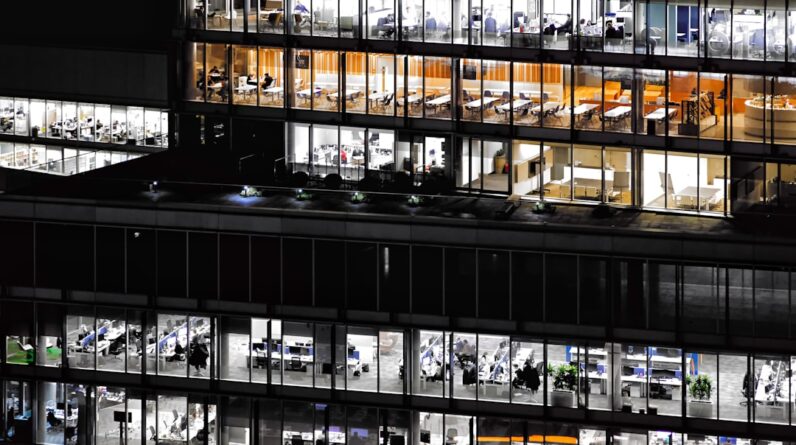
Contemporary design has significantly reshaped the landscape of office spaces, moving away from the traditional cubicle layout to more open and flexible environments. You may have noticed that modern offices prioritize collaboration and creativity, reflecting a shift in how work is perceived. This evolution is not merely aesthetic; it embodies a philosophy that values employee engagement and well-being.
By incorporating elements such as open floor plans, communal areas, and natural light, contemporary design fosters a sense of community among employees, encouraging them to interact and share ideas. Moreover, the influence of contemporary design extends beyond mere layout. It encompasses the choice of materials, colors, and furnishings that create an inviting atmosphere.
You might find that many modern offices utilize sustainable materials and biophilic design principles, integrating nature into the workspace. This connection to the natural world can enhance mood and productivity, making employees feel more at ease in their environment. As you explore various office designs, you will likely see how these elements come together to create spaces that are not only functional but also inspiring.
Key Takeaways
- Contemporary design has a significant influence on office spaces, shaping the way they look and function.
- Modern offices prioritize creating a productive and collaborative environment to enhance employee performance and satisfaction.
- Commercial office design incorporates technology and flexibility to adapt to the changing needs of businesses and employees.
- Aesthetics and branding play a crucial role in contemporary retail design, influencing customer perception and experience.
- Innovative retail design focuses on maximizing customer experience through creative and functional solutions.
Creating a Productive and Collaborative Environment in Modern Offices
Breaking Down Barriers
Modern offices often feature collaboration zones with comfortable seating and technology that encourages teamwork. These spaces are designed to break down barriers, allowing for spontaneous discussions and brainstorming sessions that can lead to innovative solutions.
Finding Quiet in the Storm
Additionally, the incorporation of quiet zones is essential for maintaining focus amidst the hustle and bustle of a collaborative environment. You might appreciate having access to areas where you can retreat for concentrated work without distractions.
Striking a Balance
This balance between collaborative spaces and quiet zones is crucial in fostering an atmosphere where creativity can flourish while still allowing for individual productivity. As you navigate through these modern office designs, you will likely find that they are thoughtfully crafted to support both teamwork and personal focus.
Incorporating Technology and Flexibility in Commercial Office Design
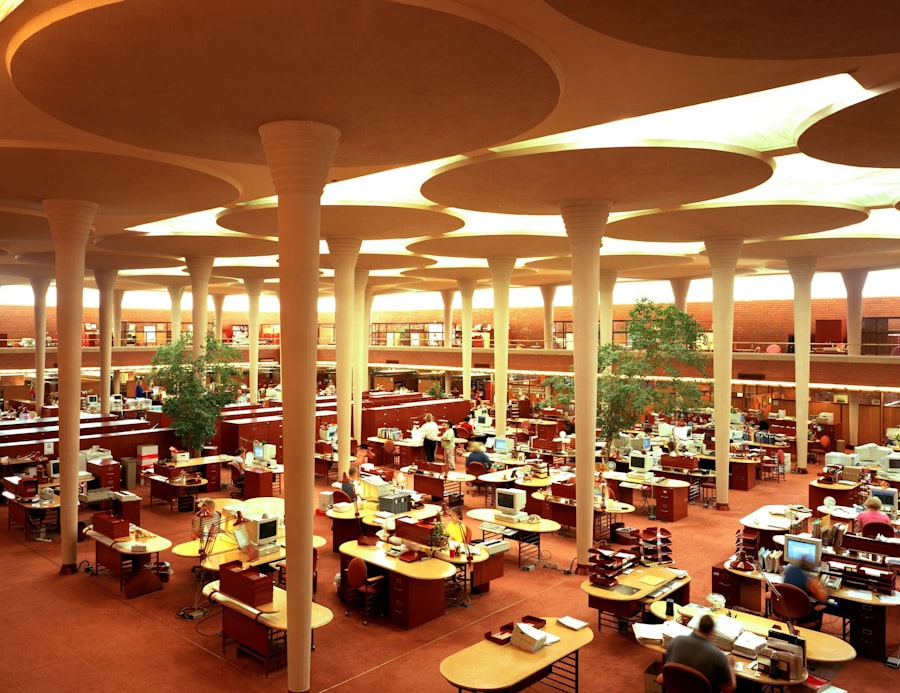
The integration of technology into commercial office design has revolutionized how you interact with your workspace. Smart technology solutions, such as adjustable lighting, temperature control, and advanced communication tools, are becoming standard features in modern offices. You may find that these innovations not only enhance comfort but also improve efficiency by allowing you to tailor your environment to your specific needs.
The ability to control your surroundings through technology empowers you to create an optimal working atmosphere. Flexibility is another key aspect of contemporary office design. You might notice that many modern workplaces offer modular furniture that can be easily reconfigured to accommodate different tasks or team sizes.
This adaptability allows for a dynamic work environment where spaces can evolve based on the needs of the moment. Whether you are collaborating with colleagues or focusing on individual tasks, the flexibility of your workspace can significantly impact your overall productivity and satisfaction.
The Role of Aesthetics and Branding in Contemporary Retail Design
In the realm of retail design, aesthetics play a crucial role in shaping customer perceptions and experiences. You may have observed how contemporary retail spaces are meticulously crafted to reflect a brand’s identity while also appealing to consumers’ senses. The use of color schemes, textures, and layouts is strategically employed to create an inviting atmosphere that resonates with shoppers.
This attention to detail not only enhances the shopping experience but also reinforces brand loyalty. Furthermore, contemporary retail design often incorporates storytelling elements that engage customers on a deeper level. You might find that many stores use visual merchandising techniques to narrate a brand’s story or highlight its values.
This immersive approach encourages you to connect with the brand beyond just the products it offers. As you explore various retail environments, you will likely appreciate how aesthetics and branding work hand in hand to create memorable experiences that keep customers coming back.
Maximizing Customer Experience through Innovative Retail Design
Maximizing customer experience is at the forefront of innovative retail design. You may have noticed that many retailers are now focusing on creating experiential spaces that go beyond traditional shopping. These environments often include interactive displays, immersive installations, and even areas for socializing or relaxation.
By transforming shopping into an experience, retailers aim to engage customers on multiple levels, making their visits more enjoyable and memorable. Additionally, the layout of retail spaces is increasingly designed with customer flow in mind. You might find that stores are organized in a way that encourages exploration and discovery, guiding you through various product offerings seamlessly.
This thoughtful approach not only enhances your shopping experience but also increases the likelihood of impulse purchases. As you navigate through these innovative retail designs, you will likely recognize how they prioritize customer engagement and satisfaction as essential components of success.
Sustainable and Eco-Friendly Practices in Commercial Design
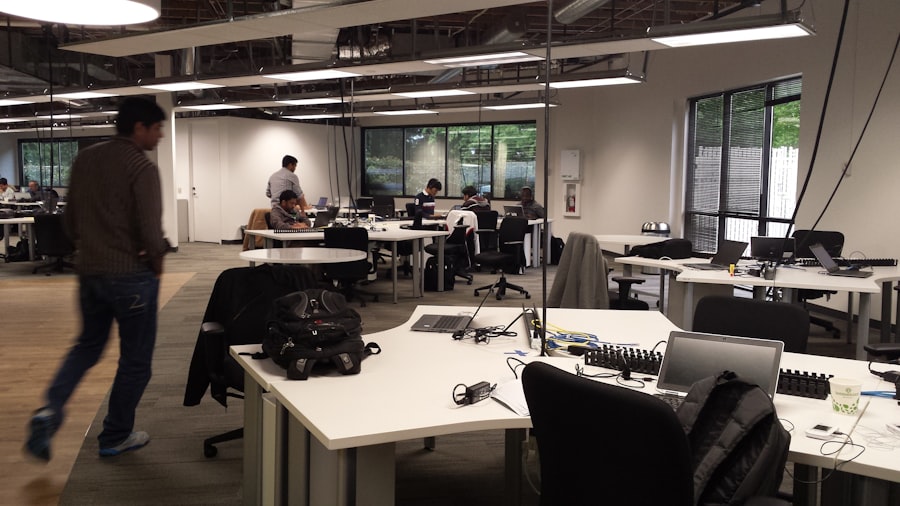
Sustainability has become a cornerstone of contemporary commercial design, reflecting a growing awareness of environmental issues. You may have noticed that many businesses are now prioritizing eco-friendly practices in their design choices, from using sustainable materials to implementing energy-efficient systems. This commitment not only reduces their carbon footprint but also resonates with consumers who increasingly value sustainability in their purchasing decisions.
Incorporating green spaces into commercial designs is another trend gaining traction. You might find that many offices and retail spaces now feature living walls or rooftop gardens that promote biodiversity while enhancing air quality. These elements not only contribute to a healthier environment but also create visually appealing spaces that foster well-being among employees and customers alike.
As you explore various commercial designs, you will likely appreciate how sustainability is woven into the fabric of contemporary architecture, reflecting a collective responsibility toward the planet.
The Impact of Contemporary Design on Employee Well-being and Satisfaction
The impact of contemporary design on employee well-being cannot be overstated. You may have experienced how a thoughtfully designed workspace can enhance your mood and productivity levels. Modern offices often prioritize natural light, ergonomic furniture, and access to outdoor spaces—all factors that contribute to a healthier work environment.
By investing in employee well-being through design, companies demonstrate their commitment to fostering a positive workplace culture. Moreover, contemporary design encourages social interaction among employees, which can lead to increased job satisfaction and collaboration. You might find that open layouts and communal areas facilitate connections between colleagues, fostering a sense of belonging within the organization.
This emphasis on community not only enhances morale but also drives innovation as diverse perspectives come together to solve problems. As you reflect on your own experiences in various work environments, you will likely recognize how contemporary design plays a pivotal role in shaping employee satisfaction.
The Future of Commercial Design: Trends and Innovations
As we look toward the future of commercial design, several trends and innovations are poised to shape the industry further. You may have noticed an increasing emphasis on hybrid work models that blend remote and in-office experiences. This shift is prompting designers to create flexible spaces that accommodate various work styles while prioritizing collaboration and connectivity.
Additionally, advancements in technology will continue to influence commercial design in profound ways. You might anticipate seeing more integration of augmented reality (AR) and virtual reality (VR) experiences within retail environments, allowing customers to engage with products in new and exciting ways. These innovations not only enhance customer experiences but also provide valuable data insights for businesses looking to refine their strategies.
In conclusion, contemporary design has transformed commercial spaces across various sectors, from offices to retail environments. As you navigate these evolving landscapes, you will likely appreciate how thoughtful design choices impact productivity, customer experience, sustainability, and employee well-being. The future promises even more exciting developments as trends continue to evolve, shaping the way we interact with our workspaces and shopping environments for years to come.
FAQs
What is contemporary design in commercial spaces?
Contemporary design in commercial spaces refers to the use of modern and current design elements, materials, and technologies to create a fresh and current look. It often incorporates clean lines, minimalism, and a focus on functionality.
How is contemporary design used in office spaces?
In office spaces, contemporary design is used to create a modern and efficient work environment. This may include open floor plans, flexible workstations, natural light, and the use of sustainable materials.
How is contemporary design used in retail spaces?
In retail spaces, contemporary design is used to create an inviting and visually appealing environment for customers. This may include innovative displays, interactive technology, and a focus on creating a memorable shopping experience.
What are the benefits of contemporary design in commercial spaces?
The benefits of contemporary design in commercial spaces include improved functionality, increased productivity, enhanced customer experience, and a modern and attractive aesthetic.
What are some key elements of contemporary design in commercial spaces?
Key elements of contemporary design in commercial spaces may include clean lines, minimalistic furniture, use of natural light, incorporation of sustainable materials, and the integration of technology for efficiency and convenience.