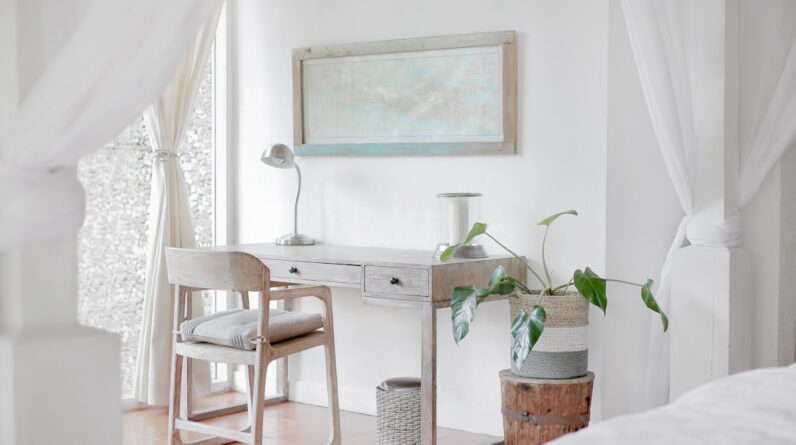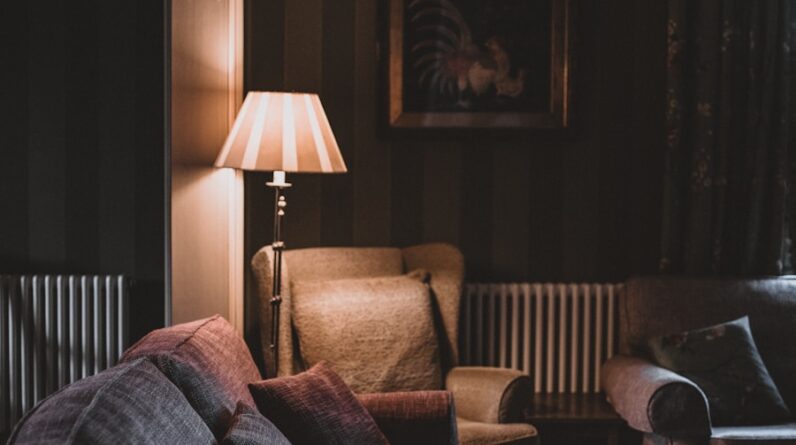
Lighting plays a pivotal role in shaping the atmosphere of any space. It is often said that lighting can make or break a room, and this statement holds true in various contexts, from residential homes to commercial spaces. When you enter a room, the first thing that captures your attention is often the lighting.
It sets the tone, influences your emotions, and can even affect your behavior. For instance, soft, warm lighting can create a cozy and intimate environment, perfect for relaxation or social gatherings. Conversely, bright, harsh lighting can evoke feelings of alertness and energy, making it suitable for workspaces or areas where focus is essential.
Understanding the psychological impact of lighting is crucial for anyone looking to enhance their living or working environment. You might find that different types of lighting can evoke different feelings; for example, dimmed lights can encourage a sense of calm and tranquility, while brighter lights can stimulate productivity and creativity. By being mindful of how you use lighting, you can transform a mundane space into one that resonates with your desired mood and purpose.
Whether you are hosting a dinner party or simply unwinding after a long day, the right lighting can significantly enhance your experience.
Key Takeaways
- Lighting plays a crucial role in setting the mood and ambiance of a room.
- Different areas of a room require different types of lighting to fulfill their purpose effectively.
- Natural light can create a warm and inviting atmosphere, and should be utilized whenever possible.
- Task lighting is essential for functionality, while also contributing to the overall ambiance of the room.
- Dimmers and smart lighting systems offer control over the mood and can enhance the overall atmosphere of a room.
Choosing the Right Type of Lighting for Different Areas of the Room
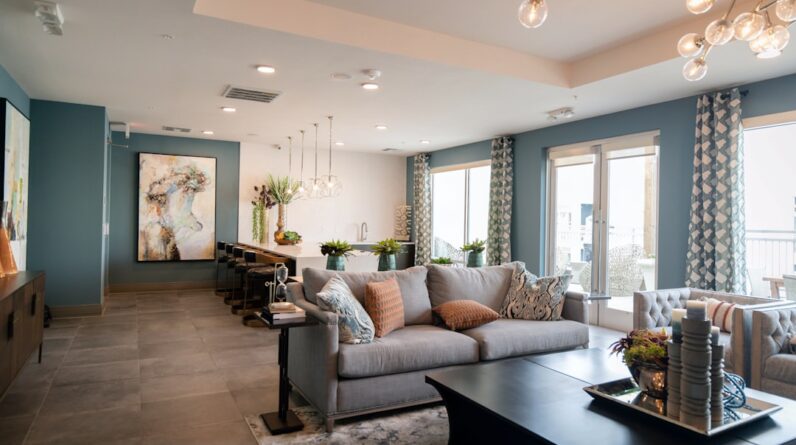
When it comes to selecting lighting for various areas of a room, it’s essential to consider the function of each space. For instance, in a living room where you entertain guests or spend time with family, you may want to opt for a combination of ambient and accent lighting. Ambient lighting provides overall illumination, while accent lighting can highlight artwork or architectural features.
You might choose floor lamps or wall sconces that complement your decor while providing the necessary light levels for comfort and functionality. In contrast, areas like the kitchen or home office require more focused lighting. Task lighting is crucial in these spaces to ensure that you can perform activities such as cooking or working without straining your eyes.
Under-cabinet lights in the kitchen or desk lamps in an office setting can provide the necessary illumination for these tasks. By carefully considering the purpose of each area, you can select lighting that not only enhances the aesthetic appeal but also serves practical needs.
Utilizing Natural Light to Create a Warm and Inviting Atmosphere
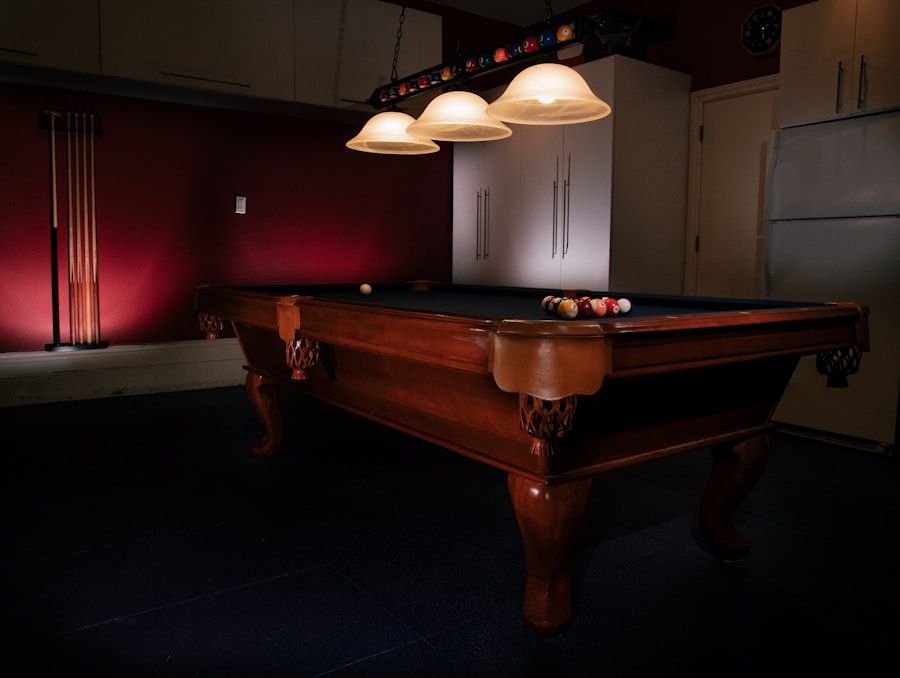
Natural light is one of the most effective ways to create a warm and inviting atmosphere in any room. You may find that spaces filled with natural light feel more open and welcoming. Large windows, skylights, and glass doors can flood your home with sunlight, making it feel alive and vibrant.
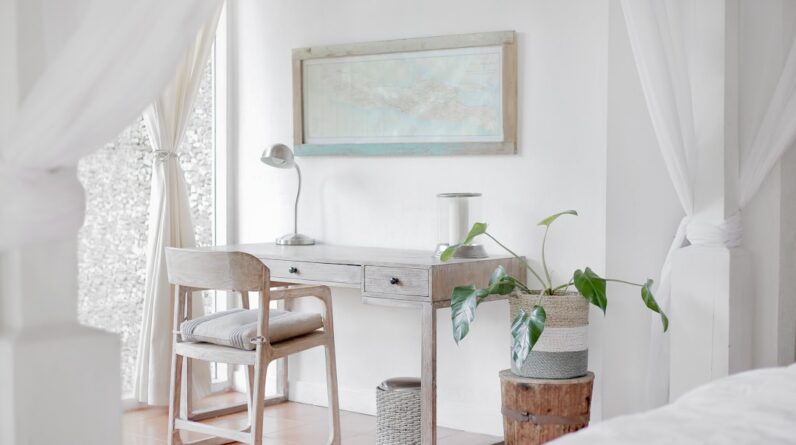
To maximize natural light, consider using sheer curtains or blinds that allow sunlight to filter through while still providing privacy. This approach not only brightens your space but also connects you with the outdoors, creating a sense of harmony with nature. In addition to enhancing the ambiance, natural light has numerous health benefits.
Exposure to sunlight can improve your mood and increase your energy levels. You might notice that rooms bathed in natural light feel more uplifting and invigorating. To further enhance this effect, consider incorporating mirrors strategically throughout the room; they can reflect light and make the space feel even larger and brighter.
By embracing natural light, you create an environment that feels both refreshing and comforting.
Incorporating Task Lighting for Functionality and Ambiance
Task lighting is essential for ensuring that specific activities can be performed safely and efficiently. In areas such as kitchens, home offices, and reading nooks, having adequate task lighting is crucial. You might choose adjustable desk lamps for your workspace or pendant lights over kitchen islands to provide focused illumination where it’s needed most.
This type of lighting not only enhances functionality but also contributes to the overall ambiance of the room. However, task lighting doesn’t have to be purely utilitarian; it can also add character to your space. For example, a stylish floor lamp in your reading corner can serve as both a source of light and a decorative element.
By selecting task lighting that complements your decor style—be it modern, rustic, or eclectic—you can create a cohesive look while ensuring that each area serves its intended purpose effectively.
Using Dimmers and Smart Lighting to Control the Mood
One of the most versatile tools in lighting design is the dimmer switch. By allowing you to adjust the brightness of your lights, dimmers enable you to create different moods throughout the day or during various activities. You might find that dimming the lights during dinner creates an intimate atmosphere, while brighter settings are ideal for lively gatherings or family game nights.
This flexibility allows you to tailor your environment to suit your needs at any given moment. In addition to traditional dimmers, smart lighting technology offers even greater control over your home’s ambiance. With smart bulbs and systems, you can adjust brightness levels and color temperatures through an app on your smartphone or via voice commands.
This level of customization allows you to experiment with different lighting scenarios effortlessly. Imagine being able to set the perfect scene for movie night with just a few taps on your phone! By incorporating dimmers and smart lighting into your design, you gain unparalleled control over the mood of your space.
Adding Accent Lighting to Highlight Key Features and Create Depth
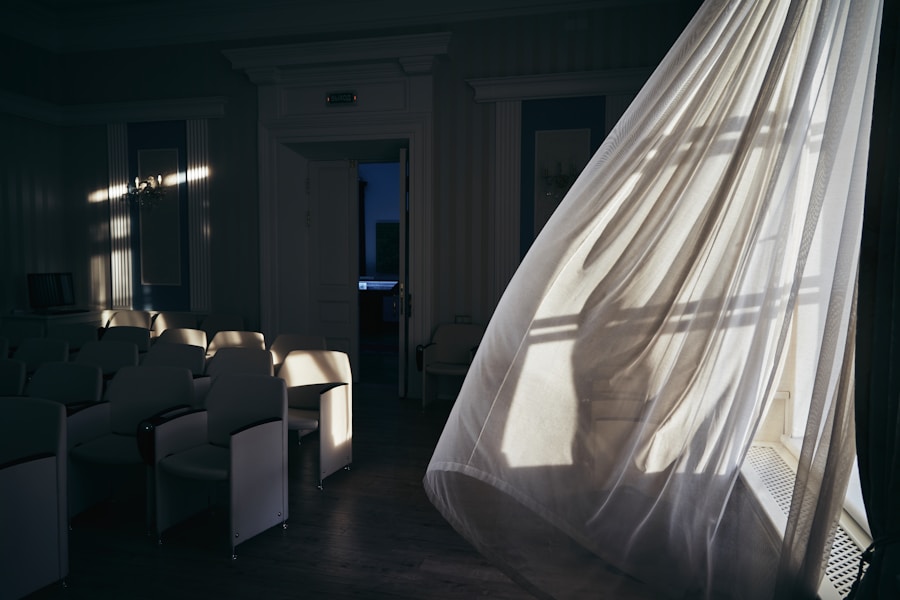
Creating Visual Interest
This type of lighting not only enhances visual interest but also creates layers within your space, making it feel more dynamic. By highlighting specific features, you can create a sense of drama and sophistication, making your space feel more engaging and inviting.
Balancing Light Sources
When planning accent lighting, it’s essential to consider how it interacts with other light sources in the room. The interplay between ambient, task, and accent lighting can create a harmonious balance that elevates your design. By thoughtfully combining these different light sources, you can create a cohesive and balanced atmosphere that feels both welcoming and refined.
Personalizing Your Space
By incorporating accent lighting into your design scheme, you can create an inviting atmosphere that feels both sophisticated and personalized. Whether you’re highlighting a stunning piece of art or a beautiful architectural feature, accent lighting can help you create a space that truly reflects your unique style and personality.
Experimenting with Different Light Bulbs and Color Temperatures
The type of light bulb you choose can significantly impact the overall feel of a room. Different bulbs emit varying color temperatures—ranging from warm yellow tones to cool blue hues—which can influence how a space feels. You might prefer warm white bulbs for living areas where comfort is key, while cooler daylight bulbs may be more suitable for workspaces where clarity and focus are essential.
Experimenting with different light bulbs allows you to discover what works best for each area of your home. You may find that certain color temperatures enhance specific activities; for example, warm tones may be ideal for relaxation in bedrooms or living rooms, while cooler tones could boost productivity in home offices or kitchens. By being intentional about your bulb choices, you can create an environment that aligns with your lifestyle and preferences.
Considering the Overall Aesthetic and Decor of the Room when Planning Lighting Design
When planning your lighting design, it’s essential to consider how it fits within the overall aesthetic and decor of the room. The style of your fixtures should complement existing elements such as furniture, color schemes, and architectural features. For instance, if you have a modern decor style characterized by clean lines and minimalism, sleek pendant lights or recessed fixtures may be appropriate choices.
On the other hand, if your space has a more traditional feel, ornate chandeliers or vintage-inspired lamps could enhance its charm. Additionally, think about how different lighting elements work together to create a cohesive look. Layering various types of lighting—ambient, task, accent—can help achieve balance while ensuring that each area serves its intended purpose effectively.
By taking into account both functionality and aesthetics when planning your lighting design, you can create a harmonious environment that reflects your personal style while meeting practical needs. In conclusion, effective lighting design is an art form that requires careful consideration of various factors—from mood setting to functionality and aesthetics. By understanding the importance of lighting in shaping atmosphere and experimenting with different techniques and technologies, you can transform any space into one that feels inviting and tailored to your lifestyle.
Whether you’re illuminating a cozy reading nook or creating an energetic workspace, thoughtful lighting choices will enhance both the beauty and functionality of your home.
FAQs
What is the importance of lighting in enhancing the ambiance and mood of a room?
Lighting plays a crucial role in setting the ambiance and mood of a room. It can create a cozy and inviting atmosphere, highlight specific features, and even influence emotions and behavior.
What are the different types of lighting that can be used to enhance the ambiance and mood of a room?
There are three main types of lighting: ambient, task, and accent lighting. Ambient lighting provides overall illumination, task lighting serves a specific purpose such as reading or cooking, and accent lighting adds drama and highlights specific areas or objects.
How can I effectively use ambient lighting to enhance the ambiance and mood of a room?
Ambient lighting can be achieved through overhead fixtures, recessed lights, or wall sconces. It should be soft and diffused to create a warm and inviting atmosphere.
What are some tips for using task lighting to enhance the ambiance and mood of a room?
Task lighting should be strategically placed to provide focused illumination for specific activities, such as reading or working. It should be adjustable and positioned to minimize glare and shadows.
How can accent lighting be used to enhance the ambiance and mood of a room?
Accent lighting can be used to highlight artwork, architectural features, or decorative elements in a room. It adds depth and visual interest, creating a more dynamic and inviting space.
What are some general tips for effectively using lighting to enhance the ambiance and mood of a room?
Consider the function of the room, the natural light available, and the desired atmosphere when choosing and placing lighting fixtures. Use a combination of different types of lighting to create layers of illumination and achieve the desired ambiance and mood.