


Are you in need of professional interior design services in San Jose, California? Look no further! Our team of expert designers is here to transform your space into a stylish and functional oasis. With years of experience and a keen eye for detail, we pride ourselves on creating unique and personalized designs that reflect your taste and lifestyle. Whether you’re looking to revamp your living room, bedroom, or office, our talented designers will work closely with you to bring your vision to life. Contact us today to schedule a consultation and let us help you create the home of your dreams!
What is Interior Design?
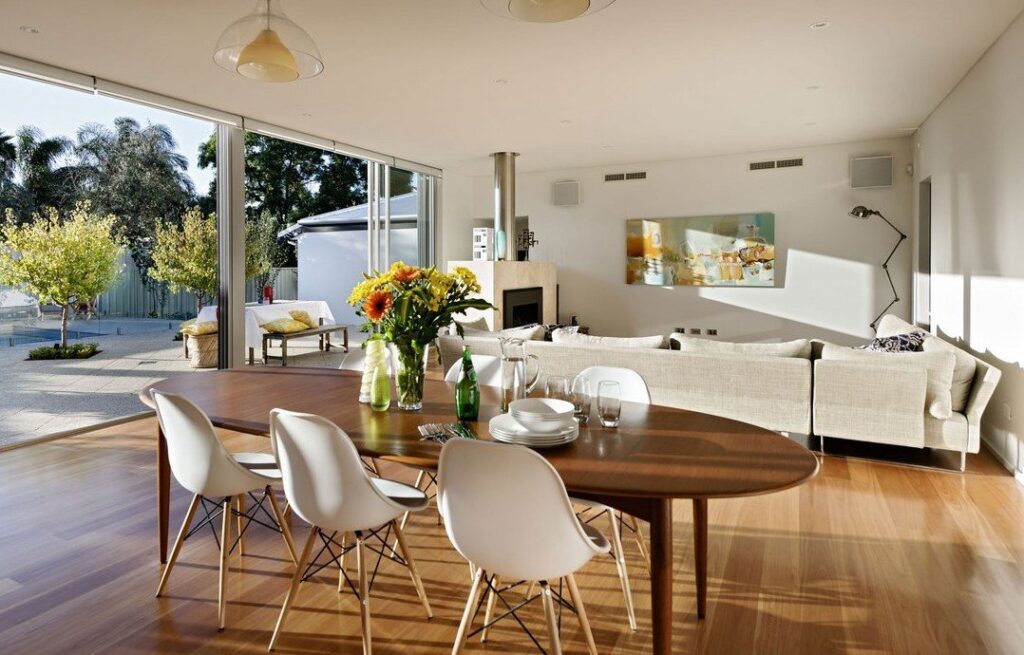
Interior design is the art and science of enhancing the interior of a space to create a functional and aesthetically pleasing environment. It involves transforming a plain area into a beautiful and inviting space through the careful selection and arrangement of furniture, color schemes, accessories, lighting, and materials. Interior design goes beyond just aesthetics; it considers factors such as the flow of space, the usage of the area, and the overall mood and atmosphere that is desired.
Definition of Interior Design
Interior design encompasses various elements, including space planning, furniture arrangement, color consultation, material selection, lighting design, and much more. It is the process of combining these elements in a cohesive and harmonious way to create a well-designed space that meets the needs and desires of the client.
Importance of Interior Design
Interior design plays a crucial role in our lives as it has a significant impact on our well-being and overall quality of life. A well-designed space can enhance productivity, improve mood, and create a sense of harmony and balance. Whether it is a home or a commercial space, the design of the interior has the power to transform a space into something extraordinary and unique.
Role of an Interior Designer
An interior designer is a trained professional who specializes in creating functional and visually appealing spaces. They have a deep understanding of design principles, color theory, and ergonomics. The role of an interior designer is to collaborate with clients to understand their needs and preferences, and then develop a design plan that meets those requirements. They are responsible for selecting appropriate furnishings, materials, and finishes, as well as overseeing the execution of the design.
Benefits of Hiring an Interior Design Service
When it comes to transforming your space, hiring an interior design service can offer numerous benefits. Here are some of the key advantages:
Personalized Design Solutions
One of the most significant benefits of working with an interior design service is the ability to receive personalized design solutions. Interior designers take the time to understand your lifestyle, preferences, and needs, and then create a design plan that reflects your unique style. They have the knowledge and expertise to bring your vision to life, while also ensuring that the space functions well and meets your practical requirements.
Save Time and Effort
Designing a space from scratch can be a time-consuming and overwhelming task. By hiring an interior design service, you can save valuable time and effort. Interior designers are experienced professionals who are accustomed to managing complex projects. They can efficiently handle the entire design process, from concept development to overseeing the construction and installation. This allows you to focus on other aspects of your life while the experts take care of creating your dream space.
Cost-Effective Approach
Contrary to popular belief, hiring an interior design service can actually be a cost-effective approach in the long run. Interior designers have access to a wide range of resources, including suppliers, contractors, and artisans, who offer competitive pricing. They can help you make informed decisions and avoid costly mistakes. Furthermore, a well-designed space may increase the value of your property, making it a wise investment for the future.
Finding the Right Interior Design Service
Finding the right interior design service is crucial to ensuring a successful project. Here are some important factors to consider when searching for the perfect match:
Research and Recommendations
Start by conducting thorough research on interior design services in your area. Look for firms or individual designers who specialize in the style and type of project you have in mind. You can also ask for recommendations from friends, family, or colleagues who have recently worked with an interior designer. Gathering information and reading reviews will give you a better understanding of the quality of work and reputation of different designers.
Portfolio and Previous Projects
Review the portfolios and previous projects of the interior designers you are considering. This will give you an idea of their style, creativity, and attention to detail. Pay attention to their ability to work with different design aesthetics and their consistency in delivering high-quality results.
Client Reviews and Testimonials
Reading reviews and testimonials from past clients can provide valuable insights into the designer’s reliability, professionalism, and customer satisfaction. Look for designers who have positive feedback and a track record of happy clients. This will give you confidence in their abilities and ensure a positive working relationship.
Services Offered by Interior Designers
Interior designers offer a wide range of services to meet various design needs. Here are some of the services commonly provided by interior designers:
Space Planning and Furniture Layout
One of the essential aspects of interior design is space planning and furniture layout. Interior designers analyze the available space and create a functional layout that maximizes the flow and use of the area. They carefully consider the placement of furniture, fixtures, and accessories to ensure optimal usage of the space.
Color Consultation
Color plays a significant role in the overall ambiance and mood of a space. Interior designers are skilled in selecting the appropriate colors for different areas based on the desired atmosphere and purpose of the space. They consider factors such as natural light, existing furnishings, and personal preferences to create a harmonious and visually pleasing color scheme.
Material and Finishes Selection
Interior designers have extensive knowledge of different materials and finishes available in the market. They can guide you in selecting the right materials and finishes for various surfaces, such as flooring, walls, countertops, and cabinetry. This ensures not only an aesthetically pleasing design but also durability and functionality.
Lighting Design
Lighting plays a crucial role in enhancing the overall look and functionality of a space. Interior designers are well-versed in the principles of lighting design and can create a lighting plan that complements the design and meets the specific requirements of each area. They take into account factors such as natural light, task lighting, and ambient lighting to create a well-lit and inviting space.
Custom Furniture and Cabinetry
If you are looking for unique and one-of-a-kind furniture pieces or cabinetry, an interior designer can help. They have access to skilled artisans and craftsmen who can create custom-made furniture and cabinetry to fit your design vision perfectly. This allows you to have bespoke pieces that are tailored to your specific requirements and style.
Window Treatments
Window treatments, such as curtains, blinds, and shades, not only provide privacy but also add a finishing touch to the overall design. Interior designers can assist you in selecting the right window treatments that complement your design style and meet your functional needs. They consider factors such as light control, privacy, and aesthetic appeal to create a cohesive and polished look.
Accessorizing and Styling
The finishing touches of a space are what bring it to life. Interior designers have a keen eye for detail and can help select and arrange accessories, artwork, and decor items that complement the overall design aesthetic. They have a deep understanding of scale, proportion, and balance, ensuring that every element in the space works together harmoniously.
Factors to Consider Before Hiring an Interior Design Service
Before making a final decision and hiring an interior design service, it is essential to consider the following factors:
Budget
Having a clear budget in mind is crucial when working with an interior designer. Communicate your budget expectations to the designer at the beginning of the project, so they can develop a design plan that aligns with your financial parameters. Be open to discussing any budgetary constraints, as a good interior designer will work within your budget to achieve your desired outcomes.
Timeline
Time is another important factor to consider when hiring an interior design service. Discuss your preferred timeline with the designers, and ensure that they can accommodate your schedule. However, keep in mind that designing a space takes time, and rushing the process may compromise the final outcome. It’s important to find a balance between a reasonable timeline and achieving the best results.
Project Scope
Clearly define the scope of your project and communicate it to the interior designer. Be specific about what you expect to be included in the design services and what you are responsible for sourcing or managing yourself. This will help avoid any misunderstandings or conflicts later on in the project.
Communication and Collaboration
Effective communication and collaboration are vital for a successful interior design project. Ensure that you can easily communicate with the interior designer and that they are responsive to your ideas, feedback, and concerns. A good designer will actively involve you in the decision-making process and keep you updated on the progress of the project.
Popular Interior Design Styles in San Jose, California
San Jose, California is known for its vibrant design scene and diverse range of architectural styles. Here are some popular interior design styles in the city:
Modern and Contemporary
Modern and contemporary design styles are characterized by clean lines, minimalism, and a focus on functionality. These styles often feature open floor plans, neutral color palettes, and a combination of sleek materials like glass, steel, and concrete.
Mid-Century Modern
Mid-century modern design draws inspiration from the design trends of the mid-20th century. It is characterized by organic shapes, bold colors, and a mix of traditional and modern materials. Mid-century modern interiors often feature iconic furniture pieces, such as Eames chairs and vintage lighting fixtures.
Traditional
Traditional interior design is inspired by classic European styles and exudes elegance and sophistication. It often features rich colors, ornate detailing, and luxurious fabrics. Traditional interiors are known for their symmetry and balance.
Industrial
Industrial design takes inspiration from old factories and warehouses, featuring exposed brick walls, raw materials like metal and wood, and open spaces. It has a rugged and edgy aesthetic, often incorporating salvaged or repurposed items.
Minimalistic
Minimalistic design is all about simplicity and functionality. It focuses on clean lines, a limited color palette, and uncluttered spaces. Minimalistic interiors often feature furniture with sleek profiles and a lack of unnecessary ornamentation.
Eclectic
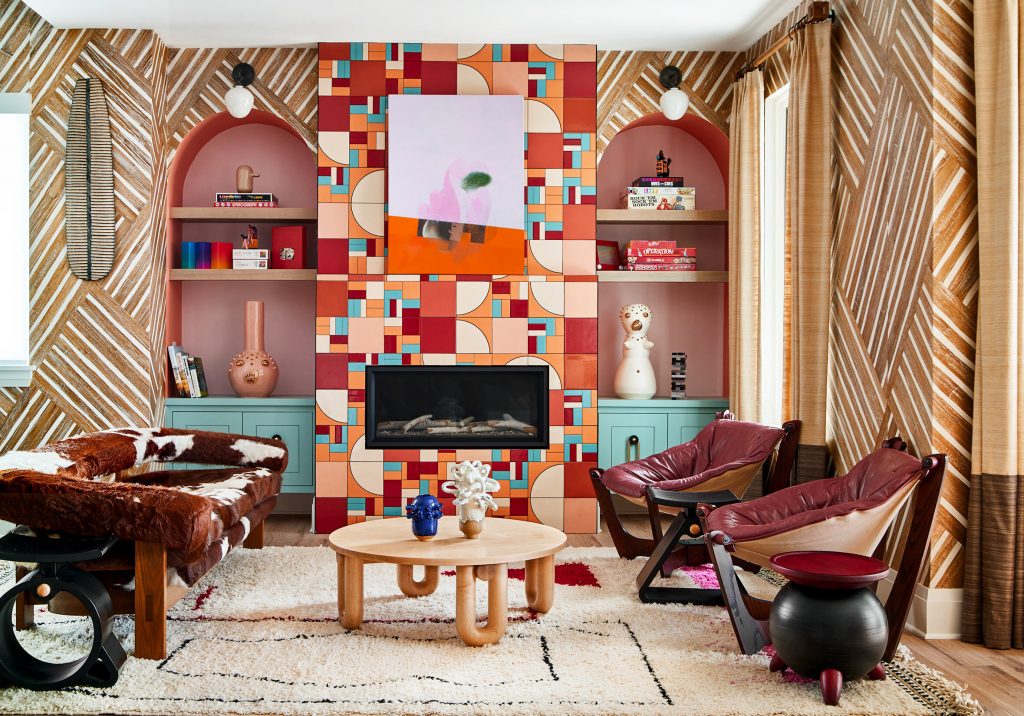
Eclectic design embraces a mix of different styles, periods, and cultures. It is a design style that encourages creativity and the use of personal mementos, unique finds, and unconventional combinations. Eclectic interiors are known for their vibrant colors, varied textures, and an eclectic mix of furniture and decor items.
Coastal
Coastal design is inspired by the beach and the ocean, evoking a sense of calmness and relaxation. It often features a light and airy color palette, natural materials like rattan and driftwood, and nautical elements such as stripes or seashell accents.
Farmhouse
Farmhouse design draws inspiration from rural farmhouses, featuring rustic elements, distressed wood, and vintage-inspired accents. It has a cozy and welcoming feel, often characterized by neutral colors and a mix of textures.
Scandinavian
Scandinavian design is known for its simplicity, functionality, and focus on natural materials. It often features light-colored woods, clean lines, and minimalistic furniture. Scandinavian interiors have a warm and serene ambiance.
Bohemian
Bohemian design is characterized by a free-spirited and eclectic approach. It embraces bold colors, global influences, and a mix of patterns, textures, and textiles. Bohemian interiors often feature handmade or vintage pieces and an abundance of plants.
Designing Specific Spaces
Interior design is not limited to just the overall aesthetic but also involves the art of designing specific spaces within a home or a commercial setting. Here are some tips for designing different spaces:
Living Room
The living room is often the heart of the home, where family and friends gather. Designing a living room involves creating a comfortable and inviting space that reflects your personal style. Consider factors such as seating arrangements, lighting, and a focal point, such as a fireplace or a statement piece of art.
Bedroom
The bedroom is a place of rest and relaxation. When designing a bedroom, consider comfort and tranquility. Pay attention to the selection of a comfortable mattress, soft bed linens, and appropriate lighting. Create a calming color scheme and incorporate storage solutions to keep the space organized.
Kitchen
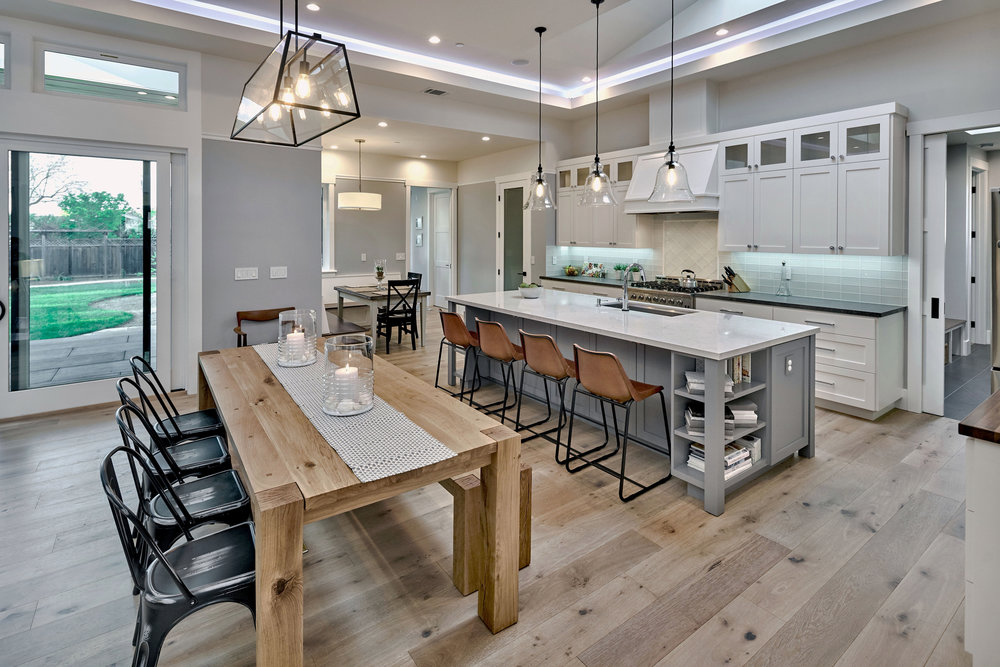
The kitchen is the heart of the home, where meals are prepared and memories are made. When designing a kitchen, consider the layout, storage needs, and functionality. Select durable materials for countertops and cabinets, and incorporate efficient lighting for both task and ambient lighting.
Bathroom
The bathroom is a functional space that can also be a sanctuary for relaxation. When designing a bathroom, consider the layout, storage solutions, and the selection of fixtures and finishes. Pay attention to lighting and ventilation to create a comfortable and refreshing space.
Home Office
With the rise of remote work, having a well-designed home office has become increasingly important. When designing a home office, consider your work requirements, the ergonomics of the furniture, and the overall organization and functionality of the space. Create a dedicated work area that is separate from the rest of the home to maximize focus and productivity.
Dining Room
The dining room is a space for gathering and entertaining. When designing a dining room, consider the size of the dining table, the seating arrangements, and the lighting. Pay attention to creating a warm and inviting atmosphere that encourages comfortable dining experiences.
Outdoor Areas
Outdoor spaces are an extension of the interior living space. When designing outdoor areas, consider the purpose of the space and how it will be used. Pay attention to the selection of outdoor furniture, lighting, and landscaping that creates a welcoming and enjoyable environment for outdoor activities.
Tips for a Successful Interior Design Project
Embarking on an interior design project can be an exciting and transformative experience. Here are some tips to ensure a successful outcome:
Define Your Style and Requirements
Before starting a project, take the time to define your style preferences and requirements. Consider your lifestyle, tastes, and how you want the space to function. This will help guide the design process and ensure that the end result is personalized and tailored to your needs.
Set a Realistic Budget
Establish a realistic budget for your project and communicate it clearly to the interior designer. A budget will help guide the design decisions and ensure that the project stays on track financially. Be open to discussing any budget constraints, as the designer can offer creative solutions to fit within your budget.
Communicate Clearly with the Designer
Effective communication with the interior designer is crucial for a successful project. Clearly express your ideas, preferences, and concerns, and actively engage in the decision-making process. Provide feedback and ask for clarification when needed. The more open and transparent the communication, the better the designer can understand your vision.
Collaborate and Provide Feedback
Interior design is a collaborative process. Be open to suggestions from the designer and actively participate in the design process. Provide feedback on design concepts and offer constructive input as the project progresses. Collaboration and communication are key to creating a space that reflects your personal style and meets your functional needs.
Plan for Flexibility and Adjustments
Interior design projects can encounter unexpected challenges or changes along the way. It is important to be flexible and open to adjustments as the project evolves. Discuss potential scenarios and solutions with the designer to ensure that you are prepared for any changes that may arise.
Stay Organized and Document Everything
Maintain good organizational practices throughout the project. Keep track of design selections, invoices, contracts, and any other relevant documentation. This will help ensure that the project runs smoothly and that all aspects are properly documented for future reference.
Enjoy the Process and Trust the Designer
Interior design is a creative and exciting process. Embrace the journey and enjoy the transformation of your space. Trust the expertise and vision of the interior designer, knowing that they have your best interests in mind. Remember that the ultimate goal is to create a space that not only looks beautiful but also functions well and reflects your unique personality.
Interior Design Trends in San Jose, California
In San Jose, California, several interior design trends are prevalent. These trends reflect the city’s forward-thinking mindset and its emphasis on sustainability and innovation. Here are some popular interior design trends in San Jose:
Functional and Sustainable Design
San Jose residents place importance on practicality and sustainability. Interior design trends in the city focus on creating functional spaces that maximize efficiency and minimize waste. This includes utilizing multi-purpose furniture, incorporating sustainable materials and finishes, and implementing energy-efficient lighting and appliances.
Use of Natural and Organic Materials
There is a growing trend in San Jose towards using natural and organic materials in interior design. This includes incorporating elements such as reclaimed wood, bamboo, natural fibers, and stone. San Jose homeowners appreciate the beauty and durability of these materials, as well as their connection to nature.
Bringing the Outdoors In
With San Jose’s favorable climate, there is a desire to blur the boundaries between indoor and outdoor spaces. Interior design trends in the city often include large windows, bi-fold doors, and outdoor living areas that seamlessly connect to the interior space. This integration allows residents to enjoy the beautiful weather and natural surroundings.
Smart Home Technology Integration
San Jose is known for being a technology hub, and this influence extends to interior design trends as well. Smart home technology is increasingly being integrated into homes in San Jose. This includes features such as automated lighting, climate control systems, and smart appliances that can be controlled remotely through mobile devices.
Mixing Vintage and Modern Elements
San Jose residents appreciate the juxtaposition of vintage and modern elements in interior design. This trend often involves mixing antique or vintage furniture pieces with contemporary furnishings and accessories. The result is a unique and eclectic space that showcases the homeowner’s personality and style.
Statement Lighting Fixtures
Lighting has a significant impact on the overall ambiance of a space. In San Jose, there is a trend towards incorporating statement lighting fixtures that serve as focal points. These fixtures can be bold and sculptural, adding a touch of drama and personality to the space.
Bold Color Accents
While San Jose interiors often lean towards neutral color palettes, there is a growing trend towards incorporating bold pops of color. This can be achieved through accent walls, vibrant artwork, or colorful accessories. Bold colors add visual interest and create a sense of energy and vibrancy in the space.
Layered Textures and Patterns
Texture and pattern play a vital role in adding depth and visual interest to a space. San Jose designers often incorporate layered textures and patterns to create a rich and inviting environment. This can be achieved through the use of textured wall coverings, patterned fabrics, and tactile materials.
Maximizing Small Spaces
With the increasing demand for housing in San Jose, there is a need to maximize small spaces. Interior design trends in the city often focus on creating functional and efficient layouts that make the most of limited square footage. This includes utilizing innovative storage solutions, multi-functional furniture, and space-saving design techniques.
Creating Tranquil and Relaxing Environments
With the fast pace of life in San Jose, there is a growing emphasis on creating tranquil and relaxing environments. Interior design trends often incorporate elements that evoke a sense of calmness and serenity. This can be achieved through the use of soothing color palettes, natural materials, and comfortable furnishings.
Conclusion
Choosing the right interior design service is essential to transforming your space into a beautiful and functional area. By hiring an interior designer, you can benefit from personalized design solutions, save time and effort, and take a cost-effective approach to your project. When searching for an interior design service, it is important to conduct research, review portfolios, and read client reviews. Interior designers offer a wide range of services, including space planning, color consultation, material selection, and window treatments. Before hiring a designer, consider factors such as budget, timeline, project scope, and communication. In San Jose, California, there are various interior design styles to choose from, including modern, traditional, and eclectic. Designing specific spaces such as the living room, bedroom, kitchen, and bathroom requires careful consideration of functionality and aesthetics. Successful interior design projects require defining your style and requirements, setting a realistic budget, and maintaining open communication with the designer. In San Jose, interior design trends include functional and sustainable design, the use of natural materials, and the integration of smart home technology. Mixing vintage and modern elements, incorporating statement lighting fixtures, and using bold color accents are also popular trends. By embracing these trends and working with a talented interior designer, you can transform your space into a beautiful and personalized haven, enhancing the value of your home and enjoying a stress-free design process.


