As you embark on the journey of designing your living environment, it’s essential to grasp the intricate relationship between indoor and outdoor spaces. The way these areas interact can significantly influence your overall experience at home. When you think about your living space, consider how the boundaries between inside and outside can be blurred.
This connection not only enhances the aesthetic appeal of your home but also promotes a sense of well-being. By recognizing the importance of this relationship, you can create a more cohesive and inviting atmosphere. The interplay between indoor and outdoor spaces can be achieved through various design elements.
Large windows, open floor plans, and strategically placed doors can help create a seamless flow between the two environments. Imagine stepping from your cozy living room onto a sun-drenched patio, where the boundaries of your home dissolve into nature. This fluidity encourages you to engage with your surroundings, fostering a deeper appreciation for both your indoor sanctuary and the natural world outside.
By understanding this relationship, you can make informed design choices that enhance your lifestyle.
Key Takeaways
- Indoor and outdoor spaces are interconnected and should be designed to complement each other.
- Natural light and views should be incorporated into the design to create a seamless connection between indoor and outdoor spaces.
- A harmonious color palette can help create a cohesive and inviting atmosphere in both indoor and outdoor areas.
- Consistent materials and finishes should be used to create a unified look throughout the indoor and outdoor spaces.
- Sliding or folding doors can create seamless transitions between indoor and outdoor areas, enhancing the overall flow of the space.
Incorporating Natural Light and Views
Maximizing Natural Light
Consider how you can maximize natural light by strategically placing windows and skylights. Think about the direction of sunlight throughout the day and how it can illuminate different areas of your home. By harnessing this natural resource, you create an inviting environment that feels warm and welcoming.
The Importance of Views
In addition to light, views play a crucial role in connecting indoor and outdoor spaces. When you position windows to frame beautiful landscapes or gardens, you invite the outside world into your home. This connection can create a sense of tranquility and peace, as you can enjoy nature’s beauty from the comfort of your living room.
Creating Emotionally Enriching Spaces
By prioritizing natural light and views, you create spaces that are not only functional but also emotionally enriching. Whether it’s a vibrant garden, a serene lake, or rolling hills, incorporating views into your design will enhance your overall experience.
Creating a Harmonious Color Palette
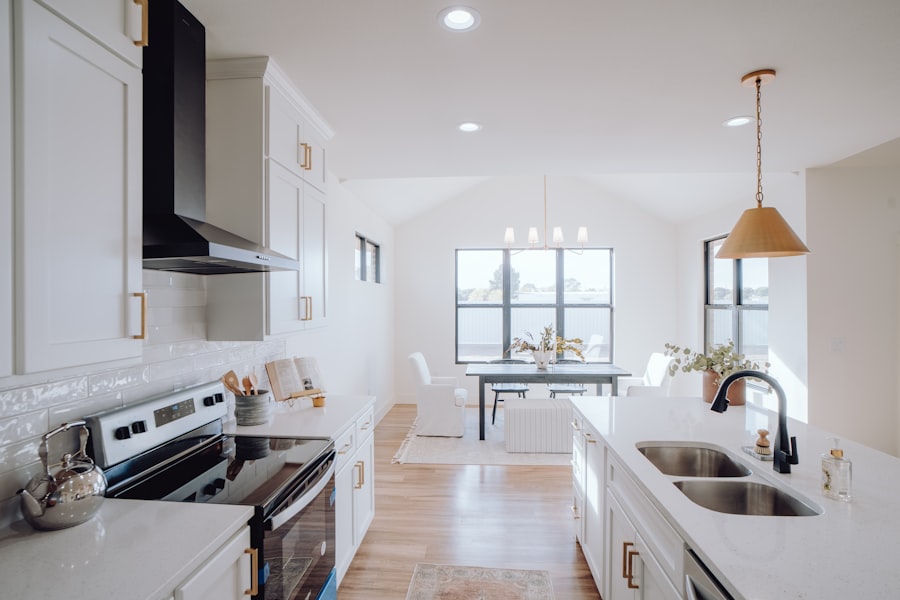
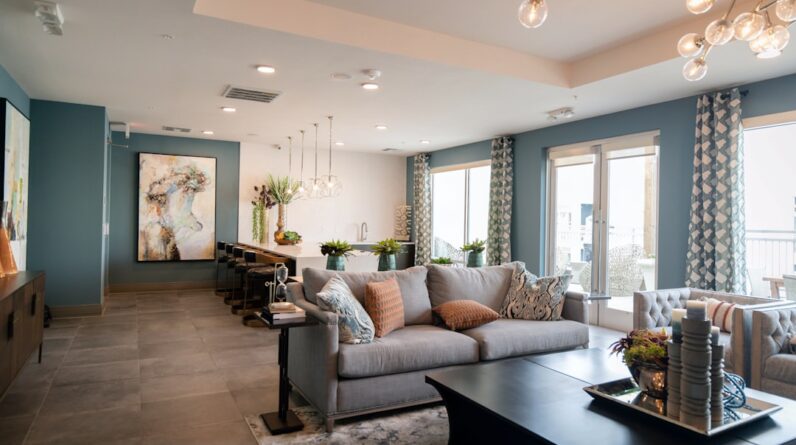
Color has a profound impact on our emotions and perceptions, making it a vital aspect of interior design. When creating a harmonious color palette for your home, consider how colors can bridge the gap between indoor and outdoor spaces. Earthy tones like greens, browns, and soft blues can evoke a sense of nature, making your indoor environment feel more connected to the outdoors.
By selecting colors that reflect the natural world around you, you can create a cohesive aesthetic that flows seamlessly from inside to outside. Moreover, think about how different colors can influence the mood of each space. Lighter shades can make a room feel more open and airy, while darker hues can create a cozy atmosphere.
As you choose your color palette, consider how these shades will interact with natural light throughout the day. A well-thought-out color scheme not only enhances the beauty of your home but also fosters a sense of harmony between your indoor and outdoor environments. By paying attention to color, you can create spaces that resonate with tranquility and balance.
Using Consistent Materials and Finishes
The materials and finishes you choose for your home play a significant role in establishing a cohesive design. When selecting materials for both indoor and outdoor spaces, aim for consistency to create a unified look. For instance, if you opt for natural wood flooring indoors, consider using similar wood finishes for outdoor decking or furniture.
This continuity helps to blur the lines between spaces, making them feel interconnected rather than separate entities. Additionally, think about how different materials can enhance the overall aesthetic of your home. Stone, metal, glass, and wood each bring unique textures and visual interest to your design.
By thoughtfully combining these materials, you can create an inviting atmosphere that reflects your personal style while maintaining harmony between indoor and outdoor areas. Consistent materials not only elevate the visual appeal of your home but also contribute to its overall functionality and durability.
Seamless Transitions with Sliding or Folding Doors
One of the most effective ways to create a seamless transition between indoor and outdoor spaces is through the use of sliding or folding doors. These architectural features allow for easy access to outdoor areas while maximizing natural light in your home. Imagine hosting a gathering where guests can flow effortlessly from your living room to an outdoor patio, creating an expansive space for socializing and relaxation.
This fluidity enhances the overall experience of your home, making it feel more spacious and inviting. When selecting sliding or folding doors, consider their design and material to ensure they complement your overall aesthetic. Large glass panels can provide unobstructed views while allowing ample sunlight to flood your interiors.
Additionally, think about how these doors can be integrated into your existing layout to enhance functionality. By incorporating seamless transitions through these architectural elements, you create an environment that encourages interaction with nature while maintaining comfort indoors.
Extending Living Spaces with Outdoor Furniture and Accessories
To truly embrace the connection between indoor and outdoor spaces, consider extending your living areas with thoughtfully chosen outdoor furniture and accessories. By creating comfortable seating arrangements on patios or balconies, you invite opportunities for relaxation and socialization in nature. Imagine sipping coffee in the morning sun or hosting evening gatherings under the stars—outdoor furniture transforms these experiences into cherished memories.
When selecting outdoor furnishings, prioritize durability without sacrificing style. Look for materials that withstand weather conditions while complementing your indoor decor. Accessories such as cushions, rugs, and lighting can further enhance the ambiance of your outdoor space, making it feel like an extension of your home rather than just an afterthought.
By investing in quality outdoor furniture and accessories, you create inviting spaces that encourage you to spend more time outside while enjoying all the comforts of home.
Incorporating Landscaping and Greenery
Landscaping plays a pivotal role in bridging the gap between indoor and outdoor environments. Thoughtfully designed gardens or green spaces not only enhance curb appeal but also create a serene backdrop for your home. Consider incorporating native plants that thrive in your climate; they require less maintenance while providing habitat for local wildlife.
A well-planned landscape invites nature closer to your living spaces, fostering a sense of tranquility. In addition to traditional landscaping, think about how greenery can be integrated into your indoor spaces as well. Indoor plants not only purify the air but also bring life and vibrancy into your home.
By creating a harmonious balance between indoor plants and outdoor landscaping, you cultivate an environment that feels cohesive and connected to nature. This integration not only enhances aesthetics but also promotes well-being by bringing elements of the outdoors inside.
Balancing Privacy and Openness
While creating an inviting connection between indoor and outdoor spaces is essential, it’s equally important to strike a balance between privacy and openness. You want to enjoy the beauty of nature without feeling exposed or vulnerable in your own home. Consider using landscaping elements such as hedges or trellises to create natural barriers that provide privacy while still allowing light and views to filter through.
Additionally, think about how window treatments can enhance this balance indoors. Sheer curtains or adjustable blinds allow you to control visibility while still enjoying natural light. By thoughtfully considering privacy in conjunction with openness, you create an environment that feels secure yet connected to the outside world.
This balance fosters comfort in your living spaces while encouraging interaction with nature—an essential aspect of modern living. In conclusion, designing a harmonious relationship between indoor and outdoor spaces requires thoughtful consideration of various elements such as natural light, color palettes, materials, transitions, furniture, landscaping, and privacy. By embracing these principles in your design approach, you can create an inviting environment that enhances both functionality and aesthetics while promoting well-being in your daily life.
FAQs
What are the key design principles for achieving a seamless indoor-outdoor flow in contemporary homes?
The key design principles for achieving a seamless indoor-outdoor flow in contemporary homes include creating a visual connection between indoor and outdoor spaces, using consistent flooring materials, incorporating large windows and glass doors, and utilizing similar color palettes and design elements.
How can a visual connection between indoor and outdoor spaces be created?
A visual connection between indoor and outdoor spaces can be created by aligning sight lines, using similar design elements and materials, and strategically placing windows and doors to frame outdoor views.
Why is it important to use consistent flooring materials for indoor and outdoor spaces?
Using consistent flooring materials for indoor and outdoor spaces helps to blur the boundaries between the two areas, creating a seamless transition and flow between the interior and exterior of the home.
What role do large windows and glass doors play in achieving a seamless indoor-outdoor flow?
Large windows and glass doors allow natural light to flood the interior spaces and provide unobstructed views of the outdoor environment, helping to create a seamless connection between the indoor and outdoor areas.
How can similar color palettes and design elements be used to achieve a seamless indoor-outdoor flow?
Using similar color palettes and design elements, such as furniture, decor, and landscaping, helps to create a cohesive and harmonious transition between indoor and outdoor spaces, enhancing the overall flow and connection between the two areas.