


Looking to transform your living space in Tulsa, Oklahoma? Look no further than our exceptional Interior Design Service! With a keen eye for detail and a passion for creating beautiful spaces, we are dedicated to bringing your interior design dreams to life. From selecting the perfect color scheme to choosing furniture and decor that reflects your style, our expert team will guide you every step of the way. Experience the difference of a well-designed home with our top-notch Interior Design Service in Tulsa, Oklahoma.
About Tulsa, Oklahoma
Geographical Location
Tulsa, Oklahoma is a vibrant city located in the northeastern part of the state. Situated on the Arkansas River, the city has a diverse and rich geographical landscape. Tulsa can be found in the Tulsa County and is surrounded by beautiful rolling hills, lush green forests, and picturesque lakes. Its central location makes it easily accessible from other major cities in the region.
Climate
Tulsa experiences a humid subtropical climate, characterized by hot summers and mild winters. The city enjoys an average of 227 sunny days per year, making it a great place for those who enjoy outdoor activities and a sunny lifestyle. Summers in Tulsa can be hot and humid, with temperatures reaching the high 90s°F (mid 30s°C). Winters are relatively mild, with temperatures averaging in the 30s and 40s°F (around 0°C). The city also experiences occasional severe weather, including tornadoes, which are common in the region.
Demographics
Tulsa is a culturally diverse city with a population of over 400,000 residents. The city is known for its welcoming and friendly atmosphere, encouraging individuals from various backgrounds to call Tulsa their home. The population is a mix of different ethnicities, including White, African-American, Native American, Asian, and Hispanic. Tulsa embraces its diverse population and celebrates its multicultural heritage through various festivals, events, and community gatherings.
Cultural Heritage
Tulsa is proud of its cultural heritage, which is deeply rooted in Native American history and oil industry influences. The city has a rich heritage of Native American tribes, such as the Creek, Cherokee, and Osage, which played a significant role in shaping the cultural fabric of Tulsa. Additionally, the discovery of oil in the early 20th century led to an economic boom, attracting individuals from all over the country and contributing to the city’s growth. This fusion of cultures and influences is evident in Tulsa’s art, music, cuisine, and architecture.
Importance of Interior Design
Enhancement of Living Space
Interior design plays a crucial role in enhancing the overall living space. Whether it’s a residential property or a commercial establishment, a well-designed interior can transform a space into a comfortable, functional, and aesthetically pleasing environment. By carefully considering factors such as layout, furniture placement, and color schemes, an interior designer can optimize the use of space, making it more inviting and conducive to the occupants’ needs and lifestyle.
Creation of Functional Spaces
One of the key aspects of interior design is the creation of functional spaces. Interior designers have a deep understanding of how spaces are utilized and can strategically plan and design areas to maximize efficiency and functionality. They consider factors such as traffic flow, storage needs, and access to amenities when designing various rooms and spaces within a property. Whether it’s a kitchen, living room, bedroom, or office space, an interior designer ensures that every area serves its purpose effectively.
Aesthetics and Style
Interior design is also responsible for creating visually appealing spaces that reflect the client’s personal style and taste. With their expertise in color theory, material selection, and furniture arrangement, interior designers can create harmonious and visually pleasing environments. They carefully choose elements such as paint colors, fabrics, textures, and patterns to create a cohesive and stylish look that aligns with the client’s preferences. A well-designed interior not only looks beautiful but also creates a positive and inspiring atmosphere.
Improved Quality of Life
Interior design has a significant impact on the quality of life of individuals. A thoughtfully designed interior can promote well-being, relaxation, and productivity. By considering elements such as lighting, acoustics, and ergonomics, interior designers can create spaces that enhance comfort and contribute to better physical and mental health. They also take into account factors such as accessibility and safety, ensuring that the design is inclusive and functional for people of all ages and abilities.
Types of Interior Design Services
Residential Interior Design
Residential interior design focuses on creating functional and aesthetically pleasing living spaces within homes. Whether it’s a single-family house, an apartment, or a condominium, residential interior designers work closely with homeowners to understand their needs, preferences, and lifestyle. They help in designing and furnishing various rooms, including bedrooms, living rooms, kitchens, bathrooms, and home offices, to create personalized and welcoming environments.
Commercial Interior Design
Commercial interior design focuses on designing spaces for commercial establishments such as offices, retail stores, restaurants, and healthcare facilities. Commercial interior designers consider factors such as branding, customer experience, and functionality when designing these spaces. They ensure that the interior design not only reflects the company’s identity but also optimizes the flow of customers and promotes a positive brand image.
Hospitality Interior Design
Hospitality interior design specializes in creating inviting and luxurious spaces for hotels, resorts, restaurants, and entertainment venues. Hospitality interior designers understand the importance of creating memorable experiences for guests and design spaces that provide comfort, functionality, and a distinct ambiance. They work closely with their clients to design hotel rooms, lobbies, restaurants, and other hospitality areas that align with the desired guest experience and brand image.
Retail Interior Design
Retail interior design focuses on creating attractive and engaging spaces for retail stores, malls, and showrooms. The goal is to entice customers to explore and make purchases within the space. Retail interior designers consider factors such as product display, traffic flow, and customer interaction when designing these spaces. They create visually appealing displays, incorporate effective lighting techniques, and design layouts that facilitate easy navigation and a pleasurable shopping experience.
Key Aspects of Interior Design
Space Planning
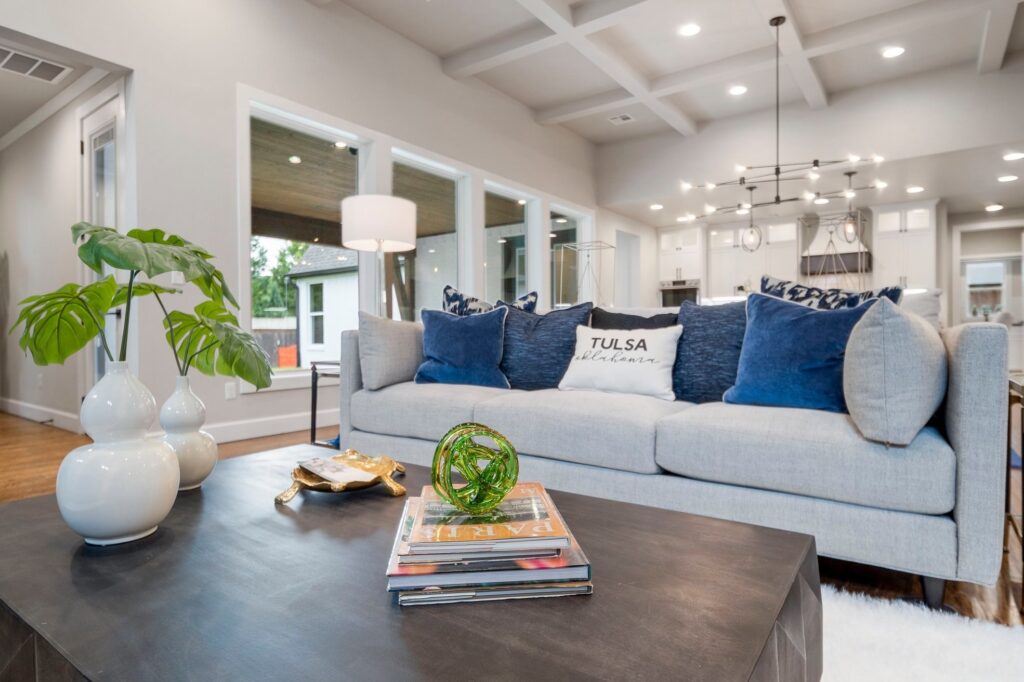
Space planning involves strategically designing and arranging furniture, fixtures, and other elements within a given area to optimize functionality and flow. Interior designers carefully consider the available space and the client’s needs to create layouts that make the best use of the area. They prioritize efficient traffic flow, accessibility, and adequate storage in their space planning process to ensure that the design meets the clients’ requirements.
Color Consultation
Color plays a crucial role in setting the mood and atmosphere of a space. Interior designers offer color consultation services to help clients choose appropriate paint colors, fabrics, and finishes that harmonize with the overall design concept. They understand the impact of color psychology and guide clients in selecting colors that promote the desired ambiance and complement the space’s purpose.
Furniture and Accessories Selection
Choosing the right furniture and accessories is essential to create a cohesive and functional interior. Interior designers have access to a wide range of resources and suppliers, allowing them to select furniture and accessories that fit the design vision, budget, and functional requirements. They consider factors such as ergonomics, durability, and style when curating furniture pieces and accessories that enhance the overall design.
Lighting Design
Lighting design is a crucial aspect of interior design as it can dramatically impact the mood and functionality of a space. Interior designers work with lighting consultants to design lighting schemes that provide the appropriate levels of brightness, highlight focal points, and create a welcoming and comfortable environment. They consider natural and artificial lighting sources, as well as different lighting fixtures, to achieve the desired lighting effects.
Material and Finishes Selection
Choosing the right materials and finishes is crucial for achieving a desired aesthetic and ensuring durability. Interior designers guide clients in selecting materials such as flooring, wall finishes, countertops, and cabinetry that are suitable for the specific space and intended use. They consider factors such as durability, maintenance requirements, and aesthetic appeal to recommend materials that align with the design concept and meet the client’s preferences.
Window Treatments
Window treatments, such as curtains, blinds, or shades, not only provide privacy but also contribute to the overall design of a space. Interior designers assist clients in selecting and installing window treatments that complement the design style, control lighting, and enhance the visual appeal of the space. They consider factors such as fabric choices, colors, and patterns to create window treatments that add a finishing touch to the design.
Art and Décor Curation
Artwork and décor items can bring personality and character to a space. Interior designers assist clients in selecting and curating art pieces, decorative items, and accessories that align with the overall design concept and reflect the client’s taste and interests. They consider factors such as scale, proportion, and color scheme to ensure that the chosen items harmonize with the rest of the design elements.
Budgeting and Cost Management
Interior designers help clients establish and manage their budget for an interior design project. They provide cost estimates, create itemized budgets, and assist in selecting materials, furniture, and fixtures that fit within the allocated budget. Interior designers have industry knowledge and experience, enabling them to recommend cost-effective options and avoid unnecessary expenses while maintaining the design vision.
Project Management
Interior designers oversee all aspects of a project, from conception to completion. They play a vital role in coordinating with contractors, suppliers, and other professionals involved in the project. Interior designers manage timelines, ensure adherence to design specifications, and resolve any project-related issues that may arise. Their project management skills streamline the design and construction process, ensuring a successful outcome.
Choosing an Interior Design Service in Tulsa
Identifying Your Needs
Before selecting an interior design service in Tulsa, it is essential to identify and define your specific needs and requirements. Determine what type of space you need design assistance with and what your goals are for the project. Whether it’s a residential, commercial, hospitality, or retail space, having a clear understanding of your needs will help you find an interior designer who specializes in your desired area.
Researching Designers and Firms
Once you have identified your needs, start researching interior designers and firms in Tulsa. Look for designers who have experience in your desired area of design and have a portfolio that aligns with your style preferences. Consider factors such as their reputation, testimonials, and professional affiliations. Browse their websites, social media profiles, and online directories to gather as much information as possible.
Reviewing Portfolios and Past Projects
Reviewing portfolios and past projects is an excellent way to assess an interior designer’s capabilities and style. Request to see their portfolio or visit their website to view images of their previous work. Look for projects that are similar to your desired design aesthetic and pay attention to the quality of their work, attention to detail, and ability to create functional and visually appealing spaces.
Checking Client Testimonials
Reading client testimonials or reviews can provide valuable insights into an interior designer’s professionalism, communication skills, and ability to meet client expectations. Check for testimonials on the designer’s website or search for reviews on reputable third-party review platforms. Pay attention to feedback regarding the designer’s collaboration, flexibility, and adherence to budget and timeline.
Evaluating Design Fees and Contracts
It is important to understand the designer’s fee structure and contract terms before making a decision. Different designers may have different fee structures, such as hourly rates, flat fees, or a combination of both. Request detailed information on their fees, including any additional costs for procurement and project management. Review their contracts carefully, ensuring that they cover all the necessary aspects of the design project and protect your interests.
Scheduling Consultations
Once you have narrowed down your options, schedule consultations with the interior designers or firms you are considering. During these consultations, you can discuss your project in detail, ask questions, and gauge their level of expertise and professionalism. Pay attention to their communication style, attentiveness to your needs, and their ability to understand and interpret your design vision.
Establishing Communication
Good communication is crucial for a successful design project. Evaluate how effectively the interior designer communicates and how responsive they are to your inquiries and concerns. Look for a designer who listens attentively, asks relevant questions, and keeps you informed throughout the design process. Establishing clear lines of communication and a comfortable working relationship is essential for a smooth and collaborative design experience.
Considering Compatibility and Trust
When selecting an interior design service in Tulsa, consider compatibility and trust. Designing a space requires collaboration and a strong working relationship between the designer and the client. Assess whether you feel comfortable working with the designer and if they understand and respect your design vision. Trust your instincts and choose a designer with whom you have good chemistry and feel confident in their abilities.
Verifying Credentials and Certifications
Ensure that the interior designer or firm you choose is qualified and holds appropriate credentials and certifications. Research industry accreditation and memberships, such as the American Society of Interior Designers (ASID) or the International Interior Design Association (IIDA). These affiliations indicate that the designer meets industry standards and follows ethical practices. Verify their qualifications, licenses, and certifications to ensure they have the necessary expertise and knowledge.
Benefits of Hiring a Professional Interior Designer
Expertise and Knowledge
Professional interior designers possess in-depth knowledge, skills, and expertise in all aspects of interior design. They stay updated with the latest industry trends, techniques, and materials. Their understanding of space planning, color theory, and design principles enables them to create well-executed designs that meet functional and aesthetic requirements.
Access to Industry Resources
Interior designers have access to a vast network of suppliers, contractors, artisans, and manufacturers. They can source unique and high-quality materials, furniture, fixtures, and accessories that may not be easily accessible to the general public. Their industry connections ensure access to the latest products and resources, enabling them to create exceptional designs tailored to their clients’ needs.
Time and Cost Savings
Hiring an interior designer can save you time and effort in researching, sourcing, and managing the various aspects of an interior design project. Designers have the experience and knowledge to streamline the design process, helping you avoid costly mistakes and delays. They can effectively manage budgets, coordinate with contractors, and handle procurement, allowing you to focus on other priorities.
Avoiding Costly Mistakes
Interior designers possess a trained eye for detail and can identify potential design issues or challenges before they arise. They have insights into industry best practices and can guide you in making informed decisions, avoiding expensive design mistakes. From selecting the right materials to ensuring accurate measurements, they help you navigate potential pitfalls and achieve a successful design outcome.
Creating a Cohesive Design
Professional interior designers excel in creating cohesive and harmonious designs. They consider the overall vision, color schemes, textures, and patterns to ensure that all design elements work together seamlessly. By integrating various design elements, they create interiors that feel balanced and aesthetically pleasing, enhancing the overall atmosphere and visual appeal of the space.
Personalized and Unique Spaces
Interior designers understand that each client has unique preferences and requirements. They work closely with clients to create personalized designs that reflect their lifestyle, personality, and taste. By incorporating clients’ input and collaborating throughout the design process, interior designers create spaces that are tailored to the clients’ individual needs and create a sense of identity within the space.
Collaboration and Communication
Working with an interior designer involves close collaboration and clear communication. Designers listen to their clients’ needs and translate them into practical design solutions. They involve clients in decision-making, ensuring that the design aligns with the clients’ preferences and vision. Their collaborative approach fosters a sense of ownership and allows clients to contribute to the design process actively.
Trends in Interior Design
Sustainable and Eco-Friendly Designs
In recent years, there has been a growing emphasis on sustainable and eco-friendly interior design. Designers focus on incorporating environmentally friendly materials, energy-efficient systems, and sustainable practices into their designs. From using recycled materials to integrating renewable energy sources, sustainable interior design aims to minimize the environmental impact of the built environment.
Integration of Technology
Advancements in technology have significantly influenced interior design trends. Smart home automation systems, voice-controlled assistants, and energy-efficient appliances are just a few examples of how technology has been seamlessly integrated into interior design. Designers are incorporating technology-driven solutions to enhance comfort, convenience, and energy efficiency within spaces.
Maximalist and Eclectic Styles
Maximalist and eclectic styles are gaining popularity in interior design. These styles embrace bold patterns, vibrant colors, and an eclectic mix of furniture and décor items. Maximalist and eclectic designs create visually stimulating and expressive spaces, allowing individuals to showcase their personality and creativity through their surroundings.
Biophilic Design
Biophilic design focuses on incorporating elements from nature into interior spaces. It emphasizes the connection between humans and the natural environment to enhance well-being and overall satisfaction. Designers integrate natural materials, living plants, natural light, and views of nature to create a sense of harmony and tranquility within indoor spaces.
Multifunctional Spaces
As space becomes more limited, interior designers are embracing the challenge of creating multifunctional spaces. These designs allow a single area to serve multiple purposes, maximizing the usefulness of the space. From foldable furniture to hidden storage solutions, interior designers are finding innovative ways to adapt spaces to suit evolving needs and lifestyles.
Natural and Organic Materials
The use of natural and organic materials is a growing trend in interior design. From reclaimed wood to natural fibers and stone, incorporating these materials adds warmth, texture, and a sense of connection to the natural world. Interior designers are exploring sustainable and responsibly sourced materials to create environmentally friendly and visually appealing designs.
Minimalism and Scandinavian Influences
Minimalism and Scandinavian design principles continue to be influential in interior design. These designs emphasize simplicity, clean lines, and functionality. Interior designers use neutral color palettes, minimalist furniture, and decluttered spaces to create serene and uncluttered environments that promote relaxation and mindfulness.
Bold Color Palettes
Bold color palettes are making a comeback in interior design. Designers are becoming more adventurous with color choices, incorporating vibrant and unexpected combinations to create visually striking interiors. Whether it’s a bold accent wall or a colorful piece of furniture, bold colors add energy and personality to a space.
Mixing Patterns and Textures
Designers are increasingly mixing patterns and textures to create visually interesting and dynamic interiors. Combining different patterns, such as stripes, florals, and geometric designs, adds depth and complexity to a space. Similarly, incorporating various textures, such as velvets, leathers, and knits, creates tactile interest and visual contrast.
Personalization and Customization
Interior design trends are moving towards personalization and customization. Designers prioritize creating unique and tailored spaces that reflect the individuality of their clients. From custom furniture pieces to personalized art installations, interior designers work closely with clients to make their spaces truly one-of-a-kind.
Interior Design Process
Initial Consultation
The interior design process typically begins with an initial consultation between the client and the interior designer. During this meeting, the designer will gather information about the client’s needs, preferences, and budget. They will also discuss the project timeline and any specific requirements or constraints.
Concept Development
After the initial consultation, the interior designer will develop a concept for the space based on the client’s input. This concept will include a design scheme, color palette, and initial ideas for furniture and finishes. The designer may present mood boards, sketches, or 3D renderings to help the client visualize the proposed design.
Design Presentation
Once the concept is developed, the interior designer will present the design to the client. This presentation will include detailed plans, elevations, and visual representations of the proposed design. The designer will explain the design choices, materials, and finishes, and address any questions or concerns the client may have.
Design Development
After the design presentation, the interior designer will finalize the design plans based on the client’s feedback. They will make any necessary revisions and refinements to the design. This stage may involve further discussions and collaboration between the client and the designer to ensure the final design meets the client’s expectations.
Material and Product Procurement
Once the design is approved, the interior designer will proceed with procuring the necessary materials, furniture, fixtures, and accessories. They will coordinate with suppliers, place orders, and manage the logistics of material delivery and installation. Interior designers often have access to trade discounts, enabling them to secure favorable pricing for their clients.
Implementation and Installation
After all the materials and products are procured, the interior designer will oversee the implementation and installation of the design. They will coordinate with contractors, tradespeople, and suppliers to ensure the design is executed as per the specifications. The designer will also conduct site visits to monitor the progress, address any site-specific issues, and ensure the design is being implemented correctly.
Final Reveal and Client Walkthrough
Once the installation is complete, the interior designer will conduct a final walkthrough with the client. This allows the client to see the finished design and address any final adjustments or issues. The designer will ensure that the client is satisfied with the completed project and address any remaining concerns or requests.
Post-Design Services
Some interior designers offer post-design services to assist clients in maintaining and updating their spaces. This may include seasonal styling, furniture rearrangement, or assistance with adding new elements to the design. Post-design services ensure that the interior continues to look and function at its best even after the initial project is completed.
Project Evaluation
After the project is completed, the interior designer may conduct a project evaluation to gather feedback from the client. This evaluation helps the designer assess their performance, identify areas for improvement, and ensure client satisfaction. It also enables them to build strong client relationships and improve their future design projects.
Factors Influencing Interior Design Costs
Size and Complexity of the Space
The size and complexity of the space significantly impact the interior design costs. Larger spaces require more materials and labor, leading to higher costs. Additionally, complex designs that involve architectural modifications, structural changes, or intricate customizations may require specialized expertise and additional resources, resulting in increased costs.
Scope of Work
The scope of work determines the extent of design services required for a project. The more comprehensive the design services, the higher the associated costs. Projects that involve full-service design, including space planning, procurement, installation, and project management, will typically have higher costs compared to those with limited design services.
Quality of Materials and Finishes
The quality of materials and finishes selected for the project greatly affects the overall cost. Higher-quality materials, such as premium hardwood flooring or custom-made furniture, generally come at a higher price point. The choice of finishes, such as high-end fixtures or luxury textiles, can also impact the budget. It is important to consider the desired quality level when establishing the project budget.
Level of Customization
Customizations and personalized elements often come with added costs. Custom-built cabinetry, bespoke furniture pieces, or unique architectural details require specialized craftsmanship and fabrication, which can increase the overall project costs. The level of customization desired by the client should be considered when budgeting for an interior design project.
Designer’s Experience and Reputation
The experience and reputation of the interior designer can influence the cost of their services. Established and highly sought-after designers often command higher fees due to their expertise, track record, and established client base. However, it is important to evaluate the designer’s qualifications, portfolio, and client testimonials to ensure that the costs are justified by the quality of their work.
Location and Geographic Considerations
Geographic location can impact the cost of an interior design project. The cost of living, local market rates, and availability of resources or labor can vary from one location to another. Interior design costs in metropolitan areas or cities with a high cost of living, such as Tulsa, may be higher compared to smaller towns or regions with a lower cost of living.
Finding Inspiration for Interior Design
Design Websites and Blogs
Design websites and blogs are excellent sources of inspiration for interior design. Platforms such as Houzz, ArchDaily, and Design Milk showcase a wide range of design projects, from residential to commercial spaces. These websites feature articles, photo galleries, and case studies that provide insight into various design styles, trends, and innovative design solutions.
Social Media Platforms
Social media platforms, particularly Instagram and Pinterest, have become go-to sources of interior design inspiration. Following interior designers, design influencers, and design-centric accounts allows you to discover new design ideas, trends, and creative solutions. These platforms showcase real-life projects, curated images, and mood boards that can spark inspiration for your own design project.
Magazines and Books
Interior design magazines and books offer a wealth of inspiration and information. Subscribing to design magazines or purchasing design books provides access to stunning visuals and in-depth articles about design trends, styles, and techniques. These publications often feature interviews with top designers and showcase their work, serving as valuable resources for design inspiration.
Showrooms and Exhibitions
Visiting showrooms and exhibitions allows you to experience design concepts in-person and explore the latest products and materials. Showrooms often display furniture, fixtures, and accessories in realistic settings, allowing you to visualize how these items could be integrated into your own space. Exhibitions and trade shows are also great opportunities to see innovative products and designs firsthand.
Nature and Surrounding Environment
Nature and the surrounding environment can inspire interior design ideas. Take inspiration from the colors, textures, and patterns found in natural landscapes. Incorporating natural materials such as wood, stone, or plants can bring a sense of tranquility and connection to nature into your interior space. Consider integrating organic shapes and elements that mimic the beauty of the natural world.
Travel and Cultural Experiences
Travelling and experiencing different cultures can fuel your creativity and provide inspiration for your interior design projects. Explore local architecture, customs, and design styles when visiting different destinations. Observe how different cultures utilize space, materials, and colors in their interior design. Apply these influences to your own design, incorporating elements that resonate with your personal style.
By exploring these sources of inspiration, you can gather ideas, discover new trends, and find unique design elements to incorporate into your interior design project. Remember to adapt these inspirations and ideas to suit your personal preferences, style, and the specific requirements of your space.
In conclusion, Tulsa, Oklahoma offers a beautiful location and a diverse cultural heritage that provides a vibrant backdrop for interior design projects. Whether you’re looking to enhance your living space, create functional commercial establishments, or embrace the latest design trends, hiring a professional interior designer in Tulsa can help you achieve your goals. The comprehensive range of interior design services, along with the expertise and knowledge of designers in Tulsa, ensures that your vision is brought to life in a way that improves your quality of life and reflects your unique style.


