


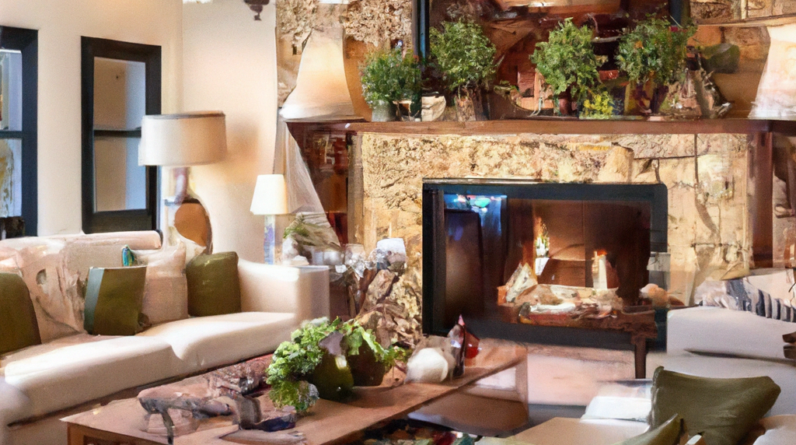
Are you looking to transform your living space into a stylish and functional oasis? Look no further than our premier Interior Design Service in Vancouver, Washington. We understand that your home is a reflection of your personal style and unique taste, which is why our team of expert designers is dedicated to crafting spaces that exceed your wildest imagination. From concept to completion, we will work closely with you to bring your vision to life, ensuring every detail is curated to perfection. With our Interior Design Service in Vancouver, Washington, your dream home is just a phone call away. Trust us to create a space that you’ll love coming back to every day.
Why Hire an Interior Designer
Enhance the Functionality of Your Space
Hiring an interior designer can greatly enhance the functionality of your space. They have the expertise to assess your needs and lifestyle and make recommendations that maximize the use of your space. Whether it’s rearranging furniture, adding storage solutions, or optimizing the flow of your home, an interior designer can help you create a space that works for you.
Create a Personalized Design Plan
One of the key reasons to hire an interior designer is to create a personalized design plan. With their trained eye and knowledge of design principles, they can help you bring your vision to life while ensuring it aligns with your personal style and preferences. From selecting the right color palette to choosing furniture and decor that reflects your taste, an interior designer will work closely with you to design a space that feels uniquely yours.
Save Time and Effort
Designing and decorating a space takes time and effort, especially if you lack experience in the field. Hiring an interior designer can save you valuable time and effort by taking care of the entire design process for you. They will handle everything from researching and sourcing materials to coordinating with contractors and overseeing the project. This allows you to focus on other aspects of your life while still achieving your dream interior.
Access to Industry Resources
Interior designers have access to a wide range of industry resources that can be advantageous for your project. They have established relationships with suppliers, contractors, and other professionals in the field, allowing them to secure quality materials and services at competitive prices. Their industry connections enable them to offer you a wider range of options and ensure that your project is executed to the highest standard.
Expert Eye for Detail
One of the major benefits of hiring an interior designer is their expert eye for detail. They possess a keen sense of design and can identify potential issues or opportunities that may go unnoticed by an untrained eye. From selecting the right paint finish to choosing the perfect lighting fixtures, an interior designer will pay attention to every detail to ensure a cohesive and visually pleasing result.
Achieve a Cohesive Look
Coordinating different elements of your space can be a challenging task. An interior designer can help you achieve a cohesive look by considering all aspects of design, including color, texture, pattern, and scale. They will create a harmonious balance between various design elements and ensure that your space feels unified and visually appealing.
Increase Property Value
Investing in the expertise of an interior designer can significantly increase the value of your property. A well-designed and professionally executed interior can make your space more attractive to potential buyers and tenants. By enhancing the aesthetic appeal and functionality of your space, an interior designer can potentially increase the resale or rental value of your property.
Stay on Budget and Avoid Costly Mistakes
Designing a space on your own can often lead to budget overruns and costly mistakes. An interior designer can help you stay on budget by providing realistic cost estimates and prioritizing your design goals. They have the knowledge and experience to make informed decisions and avoid costly errors. By working with an interior designer, you can save money in the long run and ensure that your project stays on track.
Stay Up-to-Date with Latest Design Trends
Interior design trends are constantly evolving, and it can be challenging to stay up-to-date with the latest styles and concepts. When you hire an interior designer, you benefit from their in-depth knowledge of current design trends. They can recommend innovative and contemporary design elements that will keep your space fresh and relevant. Whether you want a timeless design or a more trendy aesthetic, an interior designer can guide you in making informed design choices.
Professional Guidance and Expertise
Navigating the world of interior design can be overwhelming, especially if you have limited knowledge or experience in the field. Hiring an interior designer provides you with professional guidance and expertise throughout the entire design process. They will provide you with expert advice, answer your questions, and address any concerns you may have. With their guidance, you can make informed decisions and ensure a successful outcome for your project.
Finding the Right Interior Designer
Determine Your Style and Needs
Before hiring an interior designer, it is important to determine your personal style and needs. Consider your preferences, lifestyle, and the purpose of the space you wish to design. This will help you narrow down your search and find an interior designer who specializes in the style you desire. Knowing what you want and need from your space will also allow the designer to create a design plan that meets your specific requirements.
Check Portfolios and Reviews
When considering potential interior designers, take the time to check their portfolios and read reviews from previous clients. Portfolios will give you a sense of their design style and the quality of their work. Reviews can provide insights into their professionalism, communication skills, and ability to meet client expectations. Look for designers with a portfolio that resonates with your personal style and positive reviews from satisfied clients.
Interview Multiple Designers
It is recommended to interview multiple designers before making a decision. This will give you the opportunity to get a feel for their personality, communication style, and approach to design. Prepare a list of questions to ask during the interviews to gather information about their experience, design process, and fees. By interviewing multiple designers, you can compare their responses and determine which one is the best fit for your project.
Consider Their Communication and Collaboration Skills
Good communication and collaboration are essential for a successful working relationship with your interior designer. During the interview process, pay attention to how well the designers listen to your ideas and concerns, as well as how effectively they communicate their own ideas and recommendations. Choose a designer who can effectively communicate and collaborate with you throughout the design process, ensuring that your vision is understood and implemented.
Discuss Budget and Timeline
During the initial consultation, discuss your budget and timeline with the interior designer. Be open and honest about your financial constraints and desired completion date. A good interior designer will work within your budget to create a design plan that meets your needs. They will also provide you with a realistic timeline for the project, taking into account factors such as the scope of work and availability of materials and contractors.
Ensure Proper Licensing and Insurance
Before hiring an interior designer, ensure that they have the proper licensing and insurance. This will protect both you and the designer in case of any unforeseen issues or accidents during the design process. Ask for proof of licensing and insurance, and verify their validity with the relevant authorities or organizations. By choosing a licensed and insured interior designer, you can have peace of mind knowing that you are working with a professional who meets industry standards.
Seek Referrals from Friends and Family
Seeking referrals from friends and family who have worked with interior designers can be a valuable resource in finding the right designer for your project. Personal referrals can provide insight into the designer’s quality of work, professionalism, and overall satisfaction of previous clients. Ask for recommendations and gather information about their experiences to help inform your decision-making process.
Consider Their Area of Expertise
Interior designers often have areas of expertise or specialties. Consider the specific needs of your project and look for a designer who has experience in that particular area. Whether it’s residential design, commercial design, or a specific style or theme, hiring a designer with relevant expertise can result in a more tailored and successful outcome.
Evaluate Their Design Process
A well-defined design process is crucial for a seamless and efficient project. When considering an interior designer, inquire about their design process. Ask about the steps involved, their approach to understanding your needs, how they develop design concepts, and their method of presenting ideas. This will give you a better understanding of their work process and help you decide if it aligns with your expectations and preferences.
Trust Your Instincts
Ultimately, it is important to trust your instincts when choosing an interior designer. While qualifications and experience are important, it is also crucial that you feel comfortable and confident working with the designer. Pay attention to how you connect with them during the interview process and trust your gut feeling. Choose a designer who listens to your ideas, understands your vision, and makes you feel at ease throughout the design process.
Interior Design Services Offered
Consultation and Initial Design Concepts
Most interior designers offer consultation services to assess your space, discuss your needs and preferences, and provide initial design concepts. During this stage, they will gather information about your style, budget, and timeline to formulate a design plan that meets your requirements. This initial consultation is crucial in establishing a clear direction for the project.
Space Planning and Furniture Layout
Space planning involves creating an optimal layout for your space to maximize functionality and flow. An interior designer will consider the dimensions, traffic patterns, and natural light in your space to create a furniture layout that is both functional and aesthetically pleasing. Their expertise in space planning ensures that every square inch of your space is efficiently utilized.
Color and Material Selection
Selecting the right color scheme and materials is essential in creating the desired ambiance and aesthetic for your space. An interior designer will provide guidance and recommendations based on your style preferences and the overall design concept. They will help you choose colors, finishes, and materials that complement each other and create a cohesive look throughout your space.
Lighting Design and Installation
Lighting plays a crucial role in the overall design and functionality of a space. An interior designer can assess your lighting needs and create a lighting design plan that incorporates both natural and artificial light sources. They will recommend lighting fixtures, placement, and control options to achieve the desired ambiance and functionality in your space. Some designers also offer lighting installation services.
Window Treatments and Upholstery
Window treatments and upholstery can greatly enhance the visual appeal and comfort of a space. Interior designers can assist you in selecting curtains, blinds, shades, or other window treatments that suit your style and meet your privacy and light control requirements. They can also help you choose the right upholstery fabrics for furniture, ensuring durability, comfort, and visual harmony with the overall design.
Custom Cabinetry and Built-in Solutions
Custom cabinetry and built-in solutions offer a practical and aesthetically pleasing storage option. An interior designer can work with you to design custom cabinetry that meets your specific storage needs while complementing the overall design of your space. They will collaborate with cabinet makers and contractors to ensure precise measurements, functionality, and a seamless installation process.
Accessories and Decorative Elements
Accessories and decorative elements add the finishing touches to your space and reflect your personal style. Interior designers can help you select and arrange accessories such as artwork, decorative objects, and textiles that enhance the overall design. They will consider scale, proportion, balance, and color harmony to curate a collection of accessories that complements your space and creates visual interest.
Artwork and Wall Coverings
Artwork and wall coverings add personality and visual impact to a space. An interior designer can assist you in selecting artwork that complements your design style and creates a focal point in your space. They can also recommend wall coverings such as wallpaper, wall decals, or textured finishes that enhance the overall design aesthetic and create a unique atmosphere.
Project Management and Coordination
Managing and coordinating a design project involves overseeing various aspects such as sourcing materials, coordinating with contractors, and ensuring the project stays on schedule. Many interior designers offer project management services, acting as a liaison between you, the tradespeople, and suppliers. They will handle the logistical details, communicate updates, and ensure the smooth execution of your design project.
Home Staging Services
If you are looking to sell or rent your property, home staging can greatly increase its appeal and market value. Interior designers who specialize in home staging can stage your property to highlight its best features and create an inviting atmosphere for potential buyers or tenants. They have an understanding of current market trends and buyer preferences, allowing them to showcase your property in the best possible light.
The Benefits of Local Interior Designers
Familiarity with Local Building Codes and Regulations
Local interior designers have a deep understanding of the building codes and regulations specific to their area. This knowledge is essential in ensuring that your design project complies with all necessary legal requirements. Hiring a local interior designer guarantees that your project will be executed in accordance with local regulations, minimizing the risk of costly delays or complications.
Knowledge of Local Suppliers and Resources
Local interior designers have established relationships with local suppliers and resources, which can be advantageous for your project. They can recommend reliable contractors, artisans, and suppliers who offer quality products and services. Their local connections also allow them to access unique materials and resources that may not be readily available elsewhere, providing you with a wider range of options for your design project.
Understanding the Local Aesthetic and Design Preferences
Every region has its own unique aesthetic and design preferences. Local interior designers have a deep understanding of the local design landscape and are familiar with the prevailing styles and trends in their area. This knowledge allows them to create designs that resonate with the local community and reflect the regional cultural and architectural influences.
Ability to Incorporate Regional Influences
Local interior designers have the ability to incorporate regional influences into their designs. They understand the historical and cultural context of their area and can use this knowledge to create designs that are rooted in the local heritage. Whether it’s incorporating traditional materials, architectural details, or indigenous artwork, local interior designers can infuse your space with a sense of place and identity.
Supporting Local Businesses and Community
By hiring a local interior designer, you are supporting local businesses and contributing to the growth of your community. Local designers often collaborate with local contractors, artisans, and suppliers, helping to sustain the local economy. Additionally, by investing in local talent, you are fostering creativity and innovation within your community.
Convenient Accessibility for Consultations and Site Visits
Working with a local interior designer offers the convenience of easy accessibility for consultations and site visits. You can meet in person to discuss your project, view material samples, and get a firsthand look at the progress of the design. This proximity allows for more frequent and efficient communication, ensuring that your vision is accurately translated into the final design.
Personalized Service and Attention to Detail
Local interior designers often provide personalized service and attention to detail, as they are personally invested in their local reputation. They take the time to understand your needs, preferences, and goals, and tailor their design approach accordingly. Their familiarity with the local community allows them to provide a personalized experience, ensuring that your design project reflects your unique personality and style.
Established Network of Tradespeople and Contractors
Local interior designers have an established network of reliable tradespeople and contractors in their area. They have worked with these professionals on previous projects and have developed a level of trust and rapport. This network ensures that your project is carried out by experienced and reputable individuals who are familiar with the designer’s expectations and standards.
Responsive Customer Service
Working with a local interior designer often means receiving responsive customer service. Local designers are typically more accessible and available to address your questions or concerns promptly. They understand the importance of clear communication and will make an effort to keep you informed and updated throughout the design process. Their commitment to excellent customer service ensures a positive experience for you as the client.
Easier Coordination and Collaboration
Coordinating and collaborating with a local interior designer is often easier than working with a designer from a distant location. Close proximity allows for more frequent and efficient communication, resulting in a smoother design process. It is also easier to coordinate site visits, deliveries, and installations, minimizing potential logistical challenges and ensuring a seamless execution of your design project.
Factors Affecting the Cost of Interior Design Services
Size and Complexity of the Project
The size and complexity of your project are significant factors that affect the cost of interior design services. Larger spaces or projects that require extensive renovation or construction work will generally incur higher costs. The scale of the project determines the amount of time, effort, and resources required from the interior designer.
Scope of the Services Required
The scope of services required also impacts the cost of interior design services. If you need a full-service design, which includes everything from initial concept development to project management, the cost will be higher compared to a smaller-scale project that only requires consultation and design concepts. The more comprehensive the services, the higher the cost.
Experience and Reputation of the Designer
The experience and reputation of the interior designer will also influence the cost of their services. Established designers with a proven track record of successful projects and satisfied clients often command higher fees. Their expertise and reputation justify the higher cost and provide assurance of quality and professionalism.
Location and Accessibility
The location and accessibility of the project site can affect the cost of interior design services. If the designer needs to travel long distances or work in remote areas that require additional logistics, the cost may increase. Additionally, designers in major cities or high-cost regions may charge higher fees to account for the increased living and operational expenses in those areas.
Type of Design Style and Materials
The type of design style and materials chosen for your project can impact the cost. Luxury or high-end designs often require more expensive materials, finishes, and furnishings, resulting in a higher overall cost. Similarly, complex or customized design elements may require the services of specialized artisans or craftspeople, which can add to the design budget.
Timeline and Urgency
The timeline and urgency of the project can also affect the cost of interior design services. If you have a tight deadline or require expedited services, the designer may need to allocate additional resources or prioritize your project over others, resulting in higher fees. Rush projects often require overtime work and additional coordination efforts, which can incur additional costs.
Additional Services or Contractors Needed
If your project requires additional services or contractors beyond the scope of interior design, such as architectural work, electrical or plumbing services, or custom fabrication, the overall cost will increase. Interior designers often collaborate with external professionals, and their fees or costs will be factored into the overall project budget.
Extent of Project Management and Coordination
The extent of project management and coordination required can impact the cost of interior design services. If you choose a full-service design package that includes project management, the designer will be responsible for overseeing the entire project, including coordinating with tradespeople, suppliers, and contractors. The more complex the coordination required, the higher the cost.
Customization and Special Requests
Customization and special requests can significantly affect the cost of interior design services. If you have unique design requirements or specific customizations, such as bespoke furniture or custom-built cabinetry, the cost will be higher due to the additional time, effort, and materials involved in fulfilling these requests.
Fees and Payment Structure
Each interior designer has their own fee structure and payment terms, which will impact the overall cost of their services. Some designers charge a flat fee per project, while others charge an hourly rate or a percentage of the total project cost. It is important to clarify the payment structure and understand all associated fees before hiring an interior designer.
Tips for Working with an Interior Designer
Clear Communication and Expectations
Maintaining clear communication and setting expectations from the outset is crucial in working effectively with an interior designer. Clearly communicate your vision, preferences, and expectations for the project. Articulate your goals, timeline, and budget to ensure that the designer understands your requirements and can deliver accordingly.
Establish a Realistic Budget
Before starting a project, establish a realistic budget that aligns with your goals and design aspirations. Be honest with your interior designer about your financial constraints and priorities. A well-defined budget allows the designer to make appropriate recommendations and ensure that their design plans are within your means.
Be Open to New Ideas and Suggestions
While it’s important to communicate your preferences, be open to new ideas and suggestions from your interior designer. They bring expertise and creativity to the table and may have design concepts or solutions that you haven’t considered. Embrace their insights and be willing to explore different options to achieve the best possible outcome.
Collaborate and Provide Feedback
Interior design is a collaborative process that requires your input and feedback. Actively participate in the design process by providing feedback on design concepts, material selections, and furniture options. Your feedback is crucial in refining the design and ensuring that it aligns with your vision. Engage in open and constructive dialogue with your designer throughout the project.
Trust the Designer’s Expertise
Entrust your interior designer with the creative process and trust their expertise. They have the knowledge and experience to make informed design decisions and create spaces that are both functional and visually pleasing. Allow them to guide you through the design process and leverage their expertise and creativity to achieve a successful result.
Be Patient and Flexible
Design projects often involve unforeseen challenges or adjustments along the way. Be patient and flexible as the design evolves. Some design elements may require revisions or modifications to achieve the desired outcome. Embrace the iterative nature of the design process and be open to adapting the design based on the designer’s recommendations and professional judgment.
Maintain Regular Contact and Updates
Maintain regular contact with your interior designer to stay informed about the progress of the project. Regular updates will help you to track milestones, address any concerns promptly, and ensure that the project stays on schedule. Regular communication also allows you to stay involved in the decision-making process and provide timely feedback.
Prepare for Changes and Adjustments
Design projects often involve changes and adjustments along the way. Prepare yourself for the possibility of design revisions based on unforeseen circumstances or new insights that arise throughout the process. Embrace these changes as opportunities for improvement and trust that your designer is working in your best interest to create the best possible outcome.
Follow the Design Timeline and Schedule
Respect and adhere to the agreed-upon design timeline and schedule. Timely decision-making, prompt feedback, and adherence to project milestones are crucial for a successful and efficient design project. Delayed responses or decisions can disrupt the design process, resulting in delays and potential additional costs.
Enjoy the Design Process
Finally, remember to enjoy the design process! Working with an interior designer is an exciting opportunity to create a space that reflects your personality and enhances your lifestyle. Embrace the journey, have fun exploring different design options, and celebrate the transformation of your space into a beautiful and functional environment.
Interior Design Service in Vancouver, Washington
Overview of Vancouver’s Design Scene
Vancouver, Washington boasts a vibrant and diverse design scene that encompasses various styles and aesthetics. From contemporary and modern designs to traditional and rustic influences, Vancouver offers a wide range of design options to cater to different preferences and tastes. The city’s design landscape is inspired by the natural beauty of the Pacific Northwest and reflects the region’s commitment to sustainability and environmental consciousness.
Local Designers and Firms in Vancouver, Washington
Vancouver is home to numerous talented and accomplished interior designers and design firms. These professionals bring a wealth of experience, creativity, and expertise to their projects. They have a deep understanding of the local design scene and cater to the unique needs and styles of their Vancouver clientele. Whether you’re looking for residential or commercial design services, there are local designers who can meet your needs and create stunning spaces.
Design Projects in Vancouver, Washington
Vancouver, Washington has been the site of many notable design projects that have transformed spaces and left a lasting impact on the community. From luxurious residential renovations to innovative commercial spaces, these projects showcase the talent and creativity of local designers. By working with an interior designer in Vancouver, you can tap into this wealth of experience and expertise to create a design project that is truly exceptional.
Client Testimonials and Reviews
Client testimonials and reviews provide valuable insights into the quality of service provided by interior designers in Vancouver, Washington. Reading about the experiences of previous clients can give you a sense of the designer’s professionalism, attention to detail, and ability to meet client expectations. Look for designers with positive reviews and satisfied clients, as this is often a reliable indicator of their commitment to excellence.
Sustainable Design Initiatives in Vancouver
Vancouver, Washington is known for its commitment to sustainability and environmental consciousness. Many local interior designers and firms prioritize sustainable design practices and incorporate eco-friendly materials and technologies into their projects. From sourcing sustainable materials to implementing energy-efficient solutions, designers in Vancouver are at the forefront of sustainable design initiatives. By working with a local designer, you can contribute to the city’s green initiatives and create an environmentally responsible space.
FAQs about Interior Design Services
What is the average cost of hiring an interior designer in Vancouver, Washington?
The average cost of hiring an interior designer in Vancouver, Washington varies depending on the scope and complexity of the project, as well as the experience and reputation of the designer. Design fees typically range from an hourly rate of $75 to $200 or a flat fee based on the project’s size and complexity. It is recommended to obtain quotes from multiple designers and discuss their fee structure and payment terms before making a decision.
How long does an interior design project usually take?
The duration of an interior design project depends on several factors, including the size and complexity of the space, the scope of work, and the availability of materials and contractors. A smaller-scale project, such as a single-room redesign, may take a few weeks to several months to complete. Larger-scale projects, such as whole-house renovations or commercial spaces, can take several months to a year or more.
Can I hire an interior designer for a small project?
Yes, many interior designers are willing to take on small projects. Whether you need assistance with a single room, a small office space, or a specific design challenge, an interior designer can help you achieve your goals. Some designers offer consultation services or hourly rates specifically tailored for smaller projects.
What if I already have an idea for my design?
If you already have a clear idea for your design, it is important to communicate your vision to the interior designer. Bring any inspiration photos, sketches, or design concepts to your initial consultation to help the designer understand your vision. They can then work with you to refine and enhance your ideas, providing their expertise and creativity to bring your vision to life.
How involved will I be in the decision-making process?
You can be as involved as you choose to be in the decision-making process. Interior designers understand that it is your space and that your input is crucial in creating a design that reflects your taste and preferences. They will actively seek your feedback and guidance throughout the design process, ensuring that you have the final say in all major decisions.
Do I need to purchase all new furniture and decor?
No, you do not necessarily need to purchase all new furniture and decor. Interior designers can work with your existing furniture and decor to create a cohesive design plan. They may suggest additions or replacements to enhance the overall look and functionality of your space, but the decision ultimately depends on your budget and preferences.
Can an interior designer help with remodeling projects?
Yes, interior designers are well-equipped to assist with remodeling projects. They can work with architects, contractors, and other professionals to ensure a successful renovation that aligns with your design goals. From creating new floor plans to selecting finishes and materials, an interior designer can guide you through the remodeling process and help you transform your space.
What is the difference between an interior designer and an interior decorator?
While the terms “interior designer” and “interior decorator” are often used interchangeably, there is a distinction between the two. Interior designers typically have formal education and training in design, including knowledge of architectural principles, building codes, and spatial planning. They are qualified to handle all aspects of a design project, including structural modifications and renovations. Interior decorators, on the other hand, primarily focus on aesthetics and decor selection. They can assist with furniture arrangement, color schemes, and accessorizing, but they do not typically have the same level of technical expertise as interior designers.
How do I know if an interior designer is the right fit for my project?
Choosing the right interior designer for your project is a personal decision. Consider factors such as their portfolio, design style, communication style, and experience. Look for designers who have experience in projects similar to yours and whose work resonates with your personal style. It is also important to feel comfortable working with the designer and to have confidence in their ability to bring your vision to life.
What happens if I am not satisfied with the design outcome?
If you are not satisfied with the design outcome, communicate your concerns to the interior designer as soon as possible. A reputable designer will work with you to address your concerns and find a solution that meets your expectations. Interior design is a collaborative process, and open and honest communication is key to ensuring a successful outcome.