


If you’re looking for top-notch interior design services in Jersey City, New Jersey, look no further! Our team of talented designers is here to transform your space into a stylish and functional oasis. Whether you’re seeking a complete home makeover or simply want to spruce up a room, our experts have the vision and expertise to bring your ideas to life. With a keen eye for detail and a commitment to exceptional customer service, we’ll work closely with you to create a space that reflects your unique style and exceeds your expectations. Get ready to fall in love with your home all over again with our Interior Design Service in Jersey City, New Jersey.
About Interior Design
Interior design is the art and science of enhancing the interior of a space to create a visually appealing and functional environment. It involves strategically selecting colors, furniture, accessories, and other elements to transform a space and meet the needs of the occupants. Interior design professionals have the expertise to create spaces that reflect the client’s style and personality while optimizing the use of available space.
What is interior design?
Interior design encompasses various aspects of creating an aesthetically pleasing and functional space. It involves understanding the client’s needs and preferences, analyzing the space, and developing a cohesive design plan. Interior designers consider factors such as layout, furniture, lighting, color schemes, and accessories to create a harmonious and visually appealing environment.
Importance of interior design
Interior design plays a crucial role in enhancing the overall appeal and functionality of a space. A well-designed interior can make a significant difference in how a space is perceived and experienced. It can improve productivity in a workspace, create a cozy and welcoming atmosphere in a home, and establish a memorable brand image in a commercial setting. Interior design combines practical solutions with artistic flair to make a space more appealing, comfortable, and efficient.
Role of an interior designer
An interior designer is a professional who specializes in creating functional and aesthetically pleasing spaces. They possess a deep understanding of design principles, materials, and products, allowing them to transform a space into something extraordinary. An interior designer takes on various roles throughout the design process, including project management, space planning, color selection, furniture sourcing, and installation. They work closely with clients to understand their vision and bring it to life through thoughtful design choices and expert execution.
Services Offered
As part of their comprehensive range of services, interior designers offer various specialized services that cater to different needs and preferences. Some of the services commonly provided by interior designers include:
Residential interior design
Residential interior design focuses on creating functional and visually appealing homes that reflect the individuality and lifestyle of the occupants. Whether it’s a single room or an entire house, an interior designer can transform any space into a personalized haven. They consider factors such as layout, furniture selection, color schemes, lighting, and accessories to create a cohesive design that meets the client’s needs and preferences.
Commercial interior design
Commercial interior design aims to create attractive and efficient workspaces that enhance productivity and reflect the brand image. Interior designers work closely with businesses to understand their goals and create an environment that aligns with their values and vision. This includes designing reception areas, meeting rooms, office spaces, and common areas to ensure optimal functionality and create a positive impression on clients and employees.
Space planning and layout
Space planning and layout involve optimizing the use of available space to create a functional and well-organized environment. Interior designers carefully analyze the space and develop a layout that maximizes efficiency and traffic flow. They consider factors such as room zoning, circulation patterns, and the balance between open and private areas to create a space that meets the client’s needs and enhances their daily activities.
Color consultation
Color consultation focuses on selecting the right colors for each space to create the desired ambiance and mood. Interior designers use color psychology to influence emotions and create a harmonious color scheme throughout the project. They provide color samples and recommendations to ensure that the chosen colors complement the overall design and reflect the client’s preferences and style.
Furniture and accessory selection
Furniture and accessory selection is a critical aspect of interior design that involves sourcing and selecting the right pieces to enhance the overall aesthetic and functionality of a space. Interior designers consider factors such as style, comfort, durability, and size to choose furniture that fits the design theme. They also suggest accessory placement and styling to add depth and personality to the space.
Lighting design
Lighting design is an essential element of interior design that involves creating a well-lit environment using natural and artificial lighting. Interior designers carefully select appropriate fixtures and bulbs to enhance the functionality and atmosphere of a space. They use techniques such as layering lighting and highlighting architectural features to create visual interest and enhance the overall design.
Window treatments
Window treatments are an integral part of interior design that involves enhancing the aesthetics and functionality of windows. Interior designers help clients choose the right window treatments, such as blinds, curtains, or shades, that complement the overall design and provide privacy, light control, and energy efficiency.
Custom design and fabrication
Custom design and fabrication involve creating unique and personalized pieces that are tailored to the client’s design preferences. Interior designers work closely with craftsmen and artisans to bring custom furniture, fixtures, and decorative items to life. These custom pieces add a distinctive touch to the space and create a truly one-of-a-kind design.
Project management
Project management is a vital role that interior designers play in overseeing the entire design process. They coordinate with contractors and vendors, manage project timelines and budgets, and ensure that the design specifications are followed during construction and installation. Interior designers also conduct a final walkthrough to ensure client satisfaction and address any remaining concerns or adjustments.
Design Process
The design process followed by interior designers typically involves several stages that are carefully executed to bring the client’s vision to life. While the exact process may vary depending on the project, here is a general outline of the steps involved:
Initial consultation
The initial consultation serves as an opportunity for the interior designer to understand the client’s needs, preferences, and budget. This is a crucial step in establishing the scope of the project and establishing a strong client-designer relationship.
Concept development
Based on the initial consultation, the interior designer develops a concept and vision for the project. They create mood boards, sketches, and 3D renderings to communicate their ideas and ensure that they align with the client’s expectations.
Space planning
During the space planning stage, the interior designer analyzes the space and develops a layout that optimizes the functionality and flow of the area. They consider factors such as traffic patterns, room zoning, and the balance between open and private areas to create a space that meets the client’s needs.
Material and color selection
The material and color selection stage involves choosing the appropriate materials, finishes, and color schemes for the project. Interior designers consider factors such as durability, aesthetic appeal, and maintenance requirements to select materials that suit the client’s lifestyle and design preferences.
Furniture and accessory sourcing
Once the design concept is finalized, the interior designer sources and selects furniture, fixtures, and accessories that complement the design theme. They consider factors such as style, comfort, durability, and size to choose pieces that enhance the overall aesthetic and functionality of the space.
Design presentation
During the design presentation stage, the interior designer presents the finalized design concept to the client. This includes visual representations such as mood boards, sketches, and 3D renderings to help the client visualize the final outcome and make informed decisions.
Installation and styling
The final stage of the design process involves overseeing the installation and styling of the space. Interior designers work closely with contractors and vendors to ensure that the design specifications are followed, and the project is executed according to plan. They also pay attention to the placement and arrangement of furniture and accessories to bring the design vision to life.
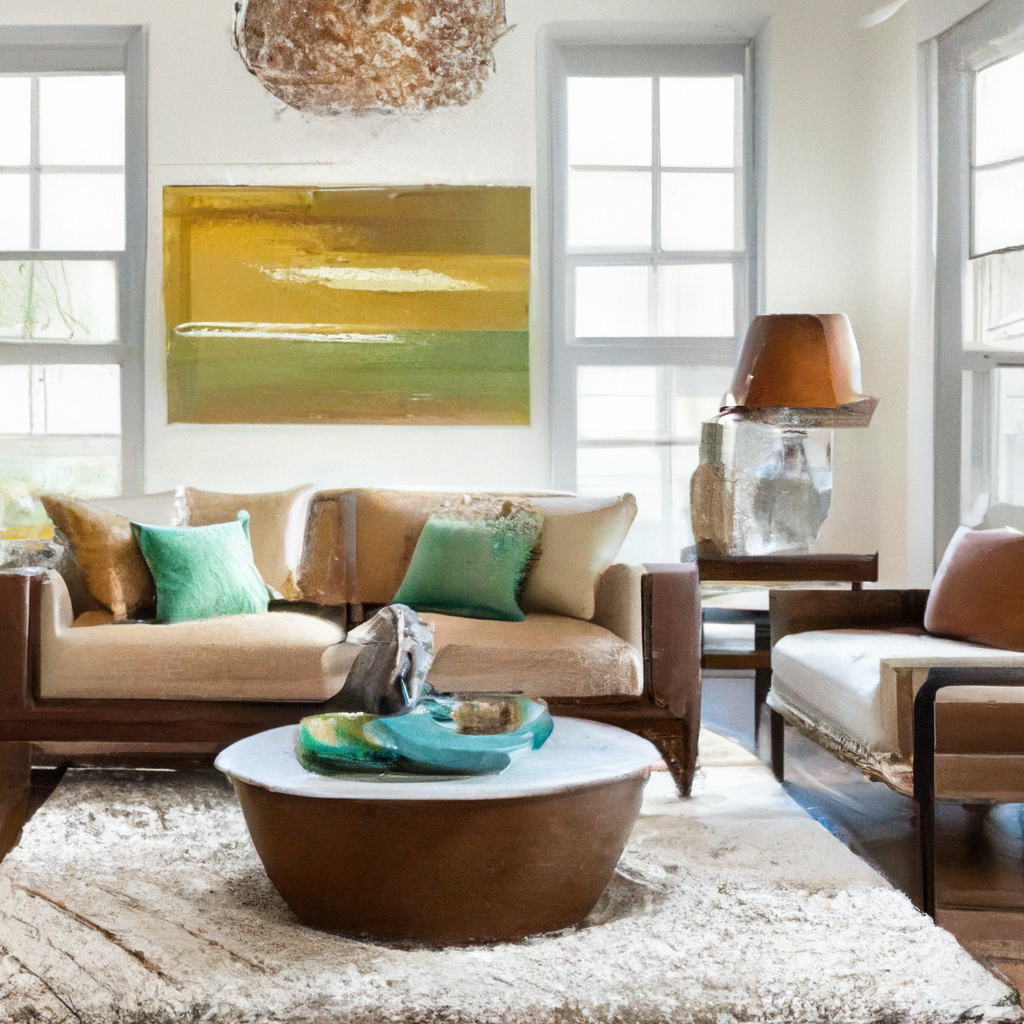
Residential Interior Design
Residential interior design focuses on creating functional and aesthetically pleasing homes that reflect the individuality and lifestyle of the occupants. With their expertise, interior designers can transform any residence into a personalized haven that combines style, comfort, and functionality.
Designing functional and aesthetically pleasing homes
Residential interior design goes beyond aesthetics to prioritize functionality and practicality. Interior designers carefully analyze the layout of the space and consider factors such as traffic flow, room zoning, and the integration of storage solutions to create a home that optimizes the use of available space.
Personalized design solutions for each room
Every room in a home has its own unique purpose and requirements. Interior designers tailor their design solutions to meet the specific needs of each room, whether it’s a cozy living room, a functional kitchen, a serene bedroom, or a stylish home office. They consider the client’s preferences and lifestyle to create a space that reflects their personality and provides optimal comfort and functionality.
Incorporating client preferences and lifestyle
One of the key aspects of residential interior design is incorporating the client’s preferences, lifestyle, and personal style into the design. Interior designers work closely with clients to understand their vision and translate it into a design that reflects their individuality. Whether it’s a specific color palette, a preferred furniture style, or a collection of personal artifacts, interior designers ensure that the design reflects the client’s personality and enhances their daily living experience.
Creating harmonious color schemes and layouts
Color schemes and layouts play a pivotal role in creating the desired atmosphere and visual impact in residential spaces. Interior designers carefully select colors that harmonize with the overall design and evoke the desired emotions. They consider factors such as natural lighting, room size, and function to create a cohesive and visually pleasing color scheme. Similarly, they meticulously plan layouts to optimize the use of space and ensure a seamless flow between different areas of the home.
Selection of furniture, lighting, and accessories
The selection of furniture, lighting, and accessories is an essential aspect of residential interior design. Interior designers carefully choose pieces that align with the design theme and meet the client’s requirements in terms of comfort and durability. They also consider the placement and arrangement of furniture and accessories to create visually appealing and functional compositions that enhance the overall design.
Commercial Interior Design
Commercial interior design focuses on creating attractive and efficient workspaces that enhance productivity and reflect the brand image. Interior designers play a crucial role in improving the functionality and aesthetics of commercial spaces, ranging from offices and retail establishments to restaurants and hotels.
Designing attractive and efficient workspaces
Commercial interior design aims to create workspaces that are visually appealing and conducive to productivity. Interior designers carefully analyze the specific needs and goals of the business and create designs that maximize efficiency and employee satisfaction. Whether it’s an open-plan office, a welcoming reception area, or a relaxing break room, interior designers ensure that the design supports the organizational objectives and enhances the overall work environment.
Enhancing branding and corporate image
Commercial interior design serves as an opportunity to strengthen and communicate a brand’s image to customers and employees. Interior designers work closely with businesses to understand their brand values and develop a design that reflects their identity. This involves incorporating branding elements, such as colors, logos, and artwork, into the design to create a cohesive and memorable brand experience.
Ensuring optimal flow and functionality
Efficient flow and functionality are essential considerations in commercial interior design. Interior designers carefully plan the layout and circulation patterns within a space to optimize the flow of people and enhance productivity. They take into account factors such as traffic patterns, ergonomics, and accessibility to create a workspace that supports the needs of employees and customers.
Creating inviting reception and common areas
The reception and common areas of a commercial space are often the first point of contact for clients and visitors. Interior designers focus on creating a warm and inviting atmosphere in these areas to leave a positive first impression. They carefully select furniture, lighting, and accessories that create a welcoming ambiance and reflect the brand image.
Ergonomic and comfortable office furniture selection
Office furniture plays a significant role in employee productivity, comfort, and overall well-being. Interior designers take into account ergonomic principles when selecting office furniture to ensure that employees can work comfortably and efficiently. From adjustable desks and chairs to supportive seating and appropriate lighting, they consider every aspect that contributes to a healthy and productive work environment.
Space Planning and Layout
Space planning and layout are crucial aspects of interior design that focus on optimizing the use of available space to create a functional and well-organized environment.
Optimizing room layout for better functionality
Interior designers carefully analyze the dimensions and layout of a space to determine the best placement of furniture, fixtures, and other elements. They consider traffic flow, room zoning, and the specific needs of the occupants to create a layout that maximizes functionality and enhances daily activities. This involves strategic placement of furniture and efficient circulation patterns to ensure a comfortable and user-friendly space.
Maximizing available space
Space optimization is a fundamental consideration in interior design. Interior designers utilize creative techniques to make the most of the available space, regardless of its size. This may involve using multifunctional furniture, incorporating smart storage solutions, and utilizing vertical space to create additional storage or display areas. By maximizing available space, interior designers can create a visually appealing and functional environment.
Creating efficient traffic flow
Efficient traffic flow is essential in any interior space, especially in high-traffic areas such as offices, retail establishments, and public spaces. Interior designers carefully plan the circulation patterns within a space to ensure that movement is smooth and intuitive. They consider factors such as entry and exit points, clear pathways, and the placement of furniture and fixtures to create a space that is easy to navigate and enhances the overall user experience.
Balancing open and private areas
Balancing open and private areas is crucial in creating a well-rounded interior space. Interior designers carefully consider the specific needs and activities that will take place within each area to strike the right balance. By creating designated private areas for concentration or meetings and open areas for collaboration and interaction, they ensure that the space meets the needs of the occupants while maintaining a cohesive design.
Room zoning and utilization
Room zoning involves dividing a space into distinct areas that serve different functions while maintaining a sense of unity. Interior designers carefully plan room zoning to ensure that each area is tailored to specific activities or needs. This may involve creating a separate workspace within a living room or dividing a large commercial space into designated areas for different departments. By effectively utilizing room zoning, interior designers can create a harmonious and functional space.
Color Consultation
Color consultation is a specialized service offered by interior designers that focuses on selecting the right colors for each space to create the desired ambiance and mood.
Choosing the right colors for each space
Interior designers carefully consider the purpose and function of each space when selecting colors. They take into account factors such as natural lighting, room size, and the overall design concept to choose colors that enhance the space and create the desired atmosphere. Whether it’s a soothing color palette for a bedroom or bold, vibrant colors for a creative workspace, interior designers have the expertise to make informed color choices.
Creating desired moods and ambiances
Colors have the power to evoke specific emotions and create desired moods within a space. Interior designers leverage color psychology to select hues that align with the intended ambiance. For example, cool tones like blues and greens are often used to create a calming and serene environment, while warm tones like oranges and yellows can create a vibrant and energetic atmosphere. By strategically selecting colors, interior designers can significantly influence the overall experience within a space.
Using color psychology to influence emotions
Color psychology is a powerful tool in interior design that involves understanding how colors can influence emotions and behaviors. Interior designers consider the psychological effects of colors and their associations to create spaces that evoke specific responses. For example, warm colors are often used in dining areas to stimulate the appetite, while cool colors are used in bedrooms to promote relaxation and sleep. By leveraging color psychology, interior designers can create spaces that evoke the desired emotions and enhance the overall experience.
Coordinating color schemes throughout the project
Maintaining color consistency and cohesion is crucial in creating a visually appealing design. Interior designers ensure that the chosen color scheme is coordinated throughout the project, creating a harmonious and unified design. They consider factors such as the relationship between rooms, the flow of natural light, and the overall aesthetic to create a color scheme that seamlessly transitions between spaces.
Providing samples and recommendations
Interior designers provide samples and recommendations to assist clients in visualizing the chosen color scheme and make informed decisions. They provide swatches, paint samples, and color boards to showcase the potential impact of different colors within the space. Their expertise ensures that the chosen colors complement the overall design vision and achieve the desired outcome.
Furniture and Accessory Selection
Furniture and accessory selection is a key aspect of interior design that involves sourcing and selecting the right pieces to enhance the overall aesthetic and functionality of a space.
Sourcing furniture, fixtures, and decorative items
Interior designers have a wide network of resources and contacts that allow them to source a diverse range of furniture, fixtures, and decorative items. They have access to exclusive showrooms, manufacturers, and suppliers, ensuring that clients have access to a variety of options. By sourcing from reputable and unique suppliers, interior designers can find pieces that add character and style to the space.
Considering style, comfort, and durability
When selecting furniture and fixtures, interior designers consider factors such as style, comfort, and durability. They take into account the client’s preferences, the overall design concept, and the intended use of the space to choose pieces that align with these criteria. Interior designers understand the importance of choosing quality furniture and fixtures that not only look good but also withstand the test of time.
Customizing pieces to fit the design theme
Customization allows interior designers to tailor furniture and fixtures to fit the design theme and meet the specific needs of the space. They work closely with craftsmen and manufacturers to bring custom pieces to life, ensuring that every aspect of the design is cohesive and well-executed. Customizing pieces also adds a unique touch to the space, creating a truly one-of-a-kind design.
Creating cohesive and visually appealing arrangements
Arranging furniture and accessories is a skill that interior designers possess to create cohesive and visually appealing compositions. They consider factors such as scale, proportion, and balance to create furniture layouts that are functional, comfortable, and aesthetically pleasing. Interior designers take into account the overall design concept, traffic flow, and purpose of each area to ensure that the arrangement enhances the space and creates a harmonious design.
Suggesting accessory placement and styling
Accessories play a crucial role in adding personality and visual interest to a space. Interior designers offer suggestions on accessory placement and styling to create a cohesive and visually appealing design. They consider factors such as color coordination, layering, and balance to create stylish and inviting arrangements. Whether it’s artwork, rugs, or decorative accents, interior designers have an eye for detail and can provide guidance on how to showcase these elements effectively.
Lighting Design
Lighting design is an essential element of interior design that focuses on creating a well-lit environment using natural and artificial lighting.
Creating a well-lit environment
Lighting is a key factor in enhancing the overall ambiance and functionality of a space. Interior designers carefully analyze the lighting needs of each area and develop a lighting plan that ensures the space is well-lit and visually appealing. They consider factors such as the purpose of the space, natural lighting, and the desired atmosphere to create an optimal lighting scheme.
Incorporating natural and artificial lighting
Natural lighting is a valuable resource that can significantly influence the overall mood and atmosphere of a space. Interior designers consider the placement and orientation of windows and skylights to maximize the use of natural light and minimize the need for artificial lighting. They also carefully select artificial lighting fixtures that complement the natural light and create a cohesive lighting scheme throughout the space.
Choosing appropriate fixtures and bulbs
The selection of lighting fixtures and bulbs is crucial in creating a well-designed lighting scheme. Interior designers consider factors such as the function of the space, the desired ambiance, and energy efficiency when choosing fixtures and bulbs. They ensure that the fixtures blend seamlessly with the overall design and that the bulbs provide the desired level of brightness and color temperature.
Layering lighting for different purposes
Layered lighting involves using multiple light sources to create different lighting effects and cater to various needs within a space. Interior designers utilize techniques such as task lighting, ambient lighting, and accent lighting to create a balanced and visually interesting lighting scheme. By layering lighting, they can create different moods, highlight architectural features, and enhance the overall design.
Highlighting architectural features
Lighting can be used to highlight and accentuate architectural features within a space. Interior designers strategically place lighting fixtures to draw attention to key design elements such as columns, arches, or artwork. By highlighting these features, they create visual interest and add depth to the overall design.
Project Management
Project management is a crucial role that interior designers play in overseeing the entire design process, ensuring a smooth and successful execution of the project.
Coordinating with contractors and vendors
Interior designers act as a liaison between clients, contractors, and vendors throughout the design process. They coordinate with contractors to ensure that construction and installation are carried out according to the design specifications and timeline. They also work closely with vendors to source materials and furnishings, ensuring that they meet the quality and design requirements.
Managing project timelines and budgets
A well-managed project requires strict adherence to timelines and budgets. Interior designers meticulously plan and manage project timelines, ensuring that each stage is completed within the designated timeframe. They also help clients establish a realistic budget and monitor expenses throughout the project, ensuring that the design vision is achieved while staying within budgetary constraints.
Overseeing construction and installation
Interior designers oversee the construction and installation process to ensure that the design vision is executed with precision. They communicate with contractors, artisans, and installers to address any concerns or adjustments that may arise during the implementation phase. By closely monitoring the construction and installation, interior designers ensure that the final outcome aligns with the design concept.
Ensuring adherence to design specifications
Design specifications are the backbone of any interior design project. Interior designers meticulously document and communicate the design specifications to contractors and vendors to ensure that the vision is carried out with accuracy. They conduct regular site visits and quality checks to confirm that the design specifications are being followed and address any issues that may arise.
Final walkthrough and client satisfaction review
Once the project is complete, interior designers conduct a final walkthrough with clients to ensure their satisfaction with the outcome. This provides an opportunity to address any final details or adjustments and ensure that the design meets the client’s expectations. Interior designers take pride in delivering projects that exceed client expectations and create spaces that truly reflect their vision.
In conclusion, interior design encompasses a multitude of services and processes that aim to create functional, aesthetically pleasing, and personalized spaces. With their expertise, interior designers can transform residential and commercial spaces, carefully considering factors such as layout, color schemes, furniture selection, lighting design, and more. From initial consultation to final installation, interior designers take on the role of project managers, ensuring a smooth and successful execution. Through their skills and creativity, interior designers have the power to create spaces that inspire, uplift, and enhance the lives of those who inhabit them.


