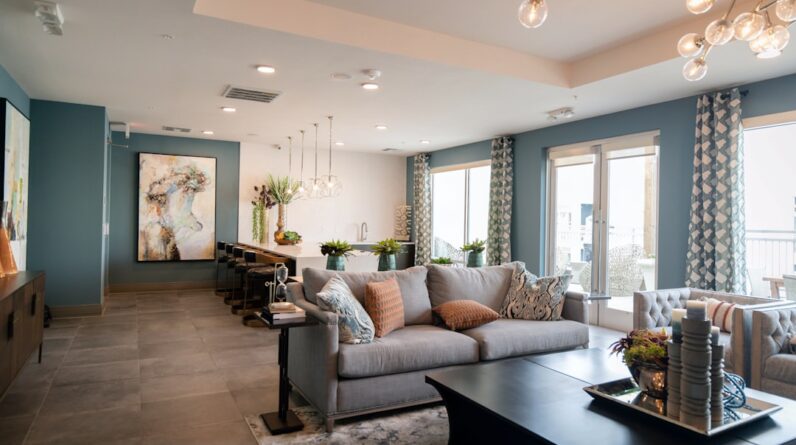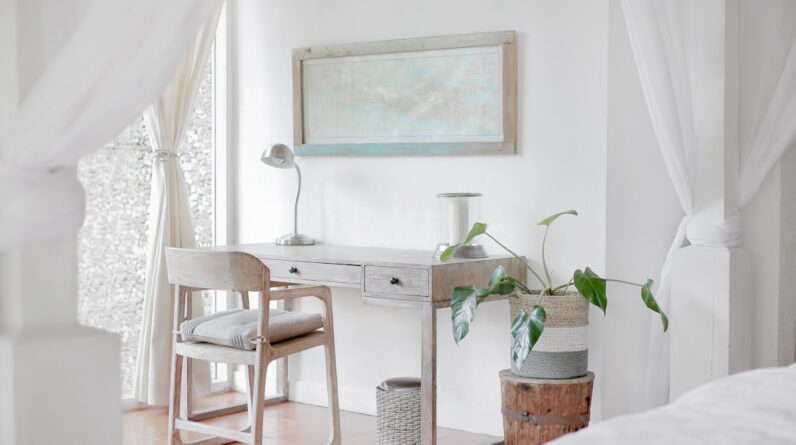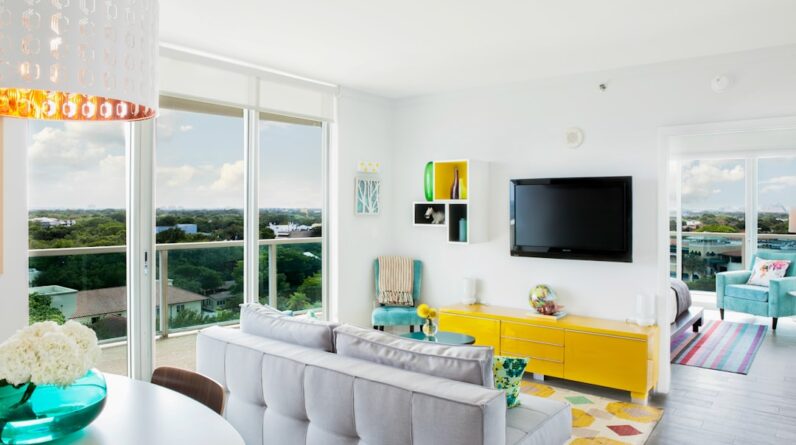
The color scheme of a space serves as its visual foundation, influencing not only the aesthetic appeal but also the emotional atmosphere of a room. When selecting colors, it is essential to consider the purpose of the space and the feelings you wish to evoke. For instance, soft blues and greens can create a serene environment, ideal for bedrooms or relaxation areas, while vibrant reds and yellows may energize a kitchen or dining area.
It is also crucial to think about how colors interact with one another; complementary colors can create harmony, while contrasting shades can add excitement and depth. A well-thought-out palette can transform a mundane room into a vibrant sanctuary or a cozy retreat, making it imperative to invest time in this initial step. Moreover, the choice of color can significantly affect how light interacts with the space.
Lighter shades tend to reflect more light, making a room feel larger and airier, while darker hues can create an intimate and cozy atmosphere. When choosing a color scheme, consider the existing architectural features and the amount of natural light that enters the space. For example, a room with large windows may benefit from bolder colors that stand out against the natural backdrop, while a smaller, dimly lit room might require lighter tones to enhance its perceived size.
Additionally, incorporating various shades of a single color can add depth and interest without overwhelming the senses, allowing for a cohesive yet dynamic look.
Key Takeaways
- Choosing the right color scheme can set the tone for the entire space and affect the mood of the room.
- Utilizing natural light can make a space feel brighter, more open, and can even improve mood and productivity.
- Incorporating statement pieces can add personality and visual interest to a room, serving as conversation starters and focal points.
- Selecting the right furniture is crucial for both comfort and style, and should be chosen with the room’s function and layout in mind.
- Creating functional spaces involves thoughtful organization and layout to ensure that the room serves its intended purpose effectively.
- Adding personal touches can make a space feel more inviting and unique, reflecting the individual’s personality and style.
- Balancing form and function is essential for creating a space that is both aesthetically pleasing and practical for everyday use.
Utilizing Natural Light
The Power of Natural Light in Interior Design
Natural light is one of the most powerful tools in interior design, capable of transforming a space in ways that artificial lighting simply cannot replicate. Harnessing this resource begins with understanding how sunlight moves through your home throughout the day. By observing the patterns of light and shadow, you can strategically place mirrors and reflective surfaces to amplify brightness and create an illusion of spaciousness.
Strategic Placement for Maximum Impact
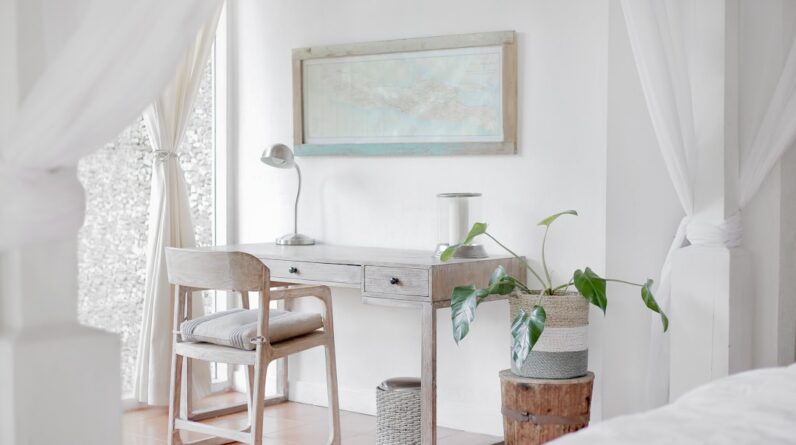
For instance, positioning a large mirror opposite a window can double the effect of natural light, making even the smallest rooms feel expansive and inviting. Additionally, sheer curtains or blinds can filter sunlight while maintaining privacy, allowing you to enjoy the benefits of daylight without sacrificing comfort. Incorporating natural light into your design also involves selecting appropriate colors and materials that enhance its presence.
Enhancing Natural Light with Colors and Materials
Light-colored walls and furnishings can reflect sunlight, further brightening the space and creating an airy ambiance. On the other hand, darker materials may absorb light, which can be beneficial in creating cozy nooks but may require careful consideration in larger areas. Furthermore, consider the use of skylights or larger windows to invite more light into your home.
Creating a Harmonious Balance
These architectural elements not only increase illumination but also connect indoor spaces with the outdoors, fostering a sense of tranquility and well-being. Ultimately, maximizing natural light is about creating a harmonious balance between illumination and comfort, ensuring that your home feels both bright and welcoming.
Incorporating Statement Pieces
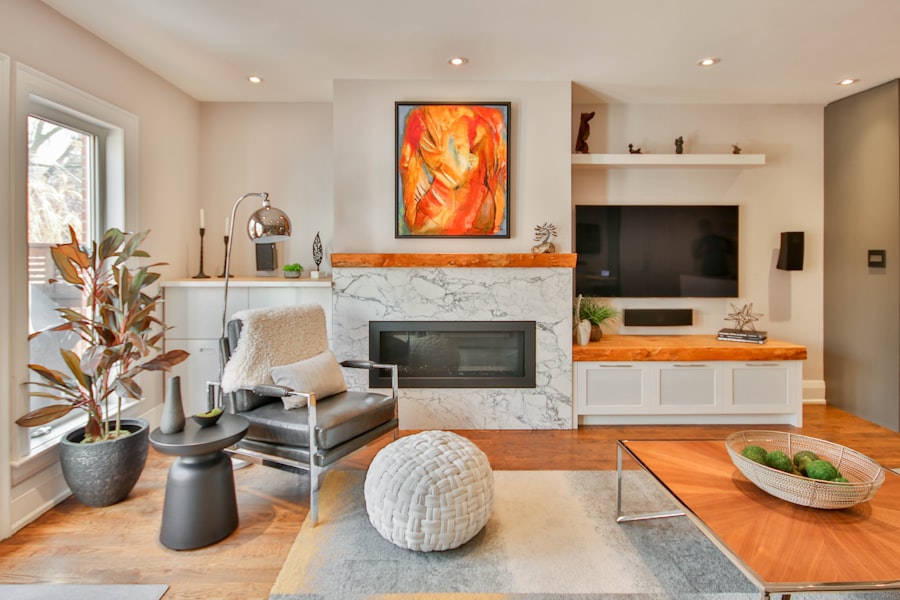
Statement pieces are the focal points of any well-designed space; they draw attention and spark conversation while reflecting your personal style. These standout items can range from bold artwork and unique furniture to striking light fixtures or even an eye-catching rug. When selecting statement pieces, it is essential to consider their scale in relation to the surrounding decor.
A large painting can dominate a wall and set the tone for an entire room, while an oversized sculpture may serve as a dramatic centerpiece in an entryway or living area. The key is to choose items that resonate with you personally while also complementing the overall design aesthetic of your home. Incorporating statement pieces requires a thoughtful approach to placement and arrangement.
Positioning these items strategically can enhance their impact; for example, placing a vibrant piece of art above a neutral sofa creates a stunning visual contrast that draws the eye. Additionally, layering textures and colors around your statement piece can help it stand out even more. Consider using complementary accessories—such as throw pillows or decorative vases—that echo the colors or themes present in your statement item.
This not only creates cohesion within the space but also allows for a more dynamic visual experience. Ultimately, statement pieces should serve as reflections of your personality while enhancing the overall narrative of your home.
Selecting the Right Furniture
| Criteria | Importance | Considerations |
|---|---|---|
| Functionality | High | Consider the purpose and usage of the furniture |
| Comfort | High | Choose furniture that provides comfort and support |
| Size | Medium | Ensure the furniture fits the space and allows for movement |
| Style | Medium | Match the furniture style with the overall decor |
| Durability | High | Select furniture made of quality materials for long-term use |
Choosing furniture is one of the most critical aspects of interior design, as it directly influences both functionality and aesthetics within a space. When selecting furniture pieces, consider not only their style but also their scale and proportion in relation to the room’s dimensions. Oversized furniture in a small space can feel cramped and overwhelming, while too-small pieces in a large room may seem lost and insignificant.
Striking the right balance is essential for creating an inviting atmosphere that feels both comfortable and visually appealing. Additionally, think about how each piece will be used; multifunctional furniture—such as ottomans that double as storage or coffee tables with built-in shelves—can maximize utility without sacrificing style. Moreover, material selection plays a significant role in determining the overall vibe of your space.
Natural materials like wood and stone can add warmth and texture, while metal and glass may lend a more modern or industrial feel. When choosing fabrics for upholstered furniture, consider durability alongside aesthetics; high-traffic areas may benefit from stain-resistant materials that can withstand daily wear and tear. It’s also important to think about how different furniture pieces interact with one another; creating visual harmony through complementary styles or colors can enhance the overall design narrative.
Ultimately, selecting the right furniture is about finding pieces that not only meet your practical needs but also contribute to a cohesive and inviting environment.
Creating Functional Spaces
A well-designed home should prioritize functionality alongside aesthetics, ensuring that each space serves its intended purpose effectively. This begins with understanding how you use each area of your home; for instance, if you frequently entertain guests, an open-concept living area with ample seating may be essential. Conversely, if you work from home, creating a dedicated office space with appropriate storage solutions will enhance productivity and focus.
By assessing your lifestyle needs and habits, you can tailor each room to facilitate daily activities while maintaining an inviting atmosphere. In addition to layout considerations, incorporating smart storage solutions is vital for maintaining organization within functional spaces. Built-in shelves, cabinets, and multifunctional furniture can help keep clutter at bay while ensuring that essential items are easily accessible.
For example, utilizing vertical space with tall bookshelves or wall-mounted storage can free up floor space in smaller rooms while adding visual interest. Furthermore, consider how traffic flows through each area; ensuring clear pathways will enhance usability and comfort for both residents and guests alike. Ultimately, creating functional spaces is about harmonizing practicality with design elements that reflect your personal style.
Adding Personal Touches
Infusing Your Space with Character
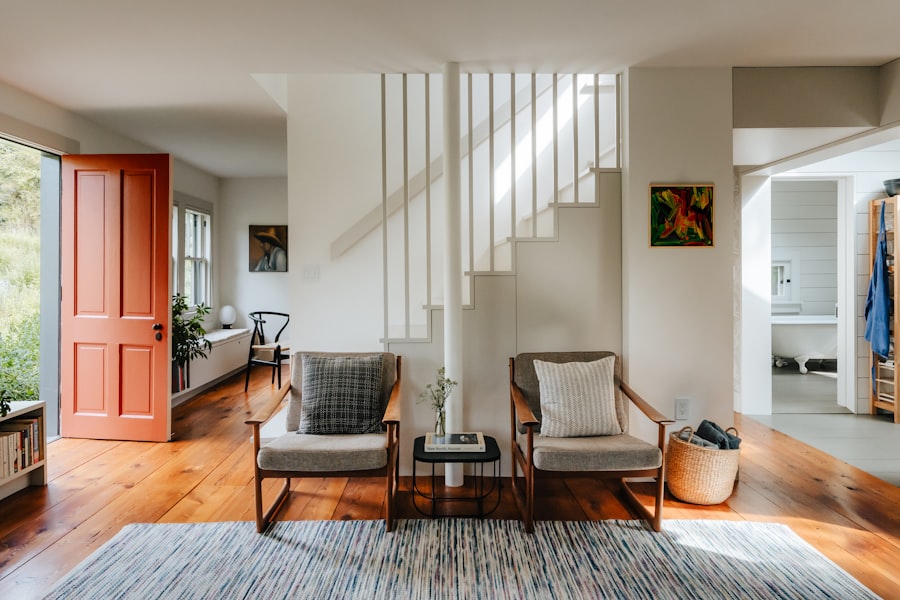
Personal touches are what truly make a house feel like home; they infuse spaces with character and warmth while reflecting your unique identity. Incorporating personal elements can be as simple as displaying family photographs or cherished mementos from travels. These items not only serve as conversation starters but also evoke fond memories that enrich your living environment.
Adding Sentimental Value with Handmade Crafts
Consider showcasing handmade crafts or artwork created by loved ones; these pieces add sentimental value while contributing to the overall aesthetic of your home. Beyond decorative items, personal touches can also be integrated through color choices and design themes that resonate with your experiences or interests.
Reflecting Your Interests and Passions
For instance, if you have a passion for nature, incorporating botanical prints or earthy tones can create a calming atmosphere that reflects your love for the outdoors. Alternatively, if you are an avid reader, dedicating a cozy nook filled with bookshelves and comfortable seating can create an inviting retreat tailored to your interests.
Curating an Environment that Tells Your Story
Ultimately, adding personal touches is about curating an environment that tells your story—one that invites others in while providing comfort and inspiration for yourself.
Balancing Form and Function
Achieving a harmonious balance between form and function is perhaps one of the most challenging yet rewarding aspects of interior design. While aesthetics are undeniably important in creating visually appealing spaces, functionality must never be overlooked; after all, a beautifully designed room that lacks practicality will ultimately fall short of meeting your needs. To strike this balance effectively, begin by identifying key priorities for each space—consider how you want it to look versus how you intend to use it on a daily basis.
This dual focus will guide your decisions regarding layout, furniture selection, and decorative elements. Furthermore, embracing versatility in design can help bridge the gap between form and function. Opting for adaptable furniture pieces—such as extendable dining tables or modular sofas—allows you to accommodate various activities without compromising on style.
Additionally, incorporating smart technology into your home can enhance both convenience and aesthetics; for example, automated lighting systems can create ambiance while providing practical solutions for energy efficiency. Ultimately, balancing form and function requires thoughtful consideration of both visual appeal and usability—ensuring that every element within your home contributes positively to your overall experience while reflecting your personal style.
FAQs
What is interior house design?
Interior house design is the art and science of enhancing the interior of a building to achieve a healthier and more aesthetically pleasing environment for the people using the space.
What are the key elements of interior house design?
Key elements of interior house design include space planning, color schemes, furniture selection, lighting, and decorative elements such as artwork and accessories.
What are the different styles of interior house design?
There are various styles of interior house design, including modern, contemporary, traditional, minimalist, industrial, and eclectic, among others. Each style has its own unique characteristics and design elements.
What are the factors to consider when designing the interior of a house?
Factors to consider when designing the interior of a house include the homeowner’s lifestyle, budget, personal preferences, functionality, and the architectural style of the house.
Why is interior house design important?
Interior house design is important because it can significantly impact the overall look and feel of a home, as well as the well-being and comfort of its occupants. A well-designed interior can also increase the value of a property.