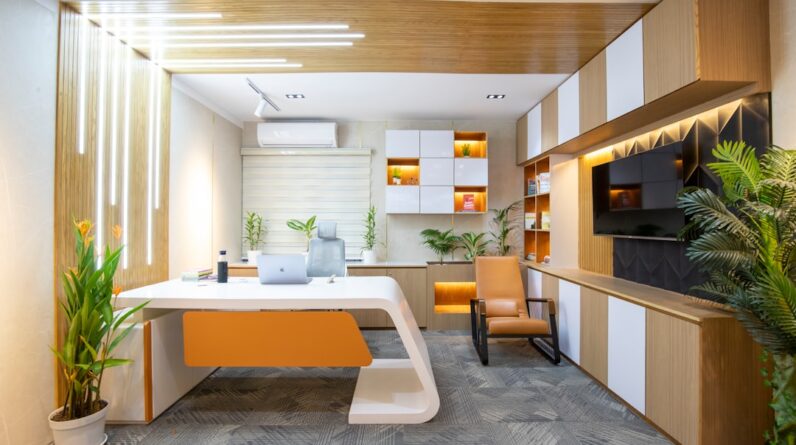
Interior design courses serve as a foundational stepping stone for aspiring designers, offering a comprehensive overview of the principles and practices that govern the field. These courses typically cover a wide array of topics, including color theory, spatial arrangements, furniture design, and the psychological impact of space on human behavior. Students are introduced to the historical context of interior design, learning how various styles have evolved over time and how cultural influences shape contemporary practices.
The curriculum often includes both theoretical knowledge and practical skills, ensuring that students are well-equipped to tackle real-world design challenges upon graduation. Moreover, many interior design programs emphasize the importance of developing a keen eye for aesthetics and functionality. Students engage in hands-on projects that require them to apply their knowledge creatively, allowing them to experiment with different materials, textures, and layouts.
This experiential learning is crucial, as it helps students build a robust portfolio that showcases their unique design sensibilities. Additionally, courses often incorporate technology, such as computer-aided design (CAD) software, which is essential for modern interior designers. By blending traditional design principles with cutting-edge technology, these programs prepare students for the dynamic and ever-evolving landscape of interior design.
Key Takeaways
- Interior design courses provide a foundation in design principles, color theory, and spatial planning.
- When choosing an interior design program, consider factors such as accreditation, faculty expertise, and available resources.
- Creativity is essential in interior design, and courses can help students develop their unique design style and vision.
- Hands-on experience, such as internships or design projects, is crucial for gaining practical skills and industry knowledge.
- Interior design courses offer opportunities to explore various styles, techniques, and trends in the field.
Finding the Right Interior Design Program for You
Accreditation and Quality Education
Accreditation ensures that the program meets industry standards and provides a quality education, which can be vital when seeking employment after graduation.
Aligning with Your Interests and Goals
Researching various institutions and their offerings can help you identify programs that align with your personal interests and career goals, whether you are drawn to residential design, commercial spaces, or sustainable practices. In addition to accreditation and curriculum, prospective students should also evaluate the learning environment and support services offered by each program. Some institutions may provide mentorship opportunities, internships, or networking events that can enhance your educational experience and facilitate connections within the industry.
Finding the Right Fit
Visiting campuses, attending open houses, or speaking with current students can provide valuable insights into the culture and community of each program. Ultimately, finding the right fit involves a combination of personal reflection and thorough research to ensure that you select a program that resonates with your aspirations and nurtures your growth as a designer.
Unleashing Your Creativity in Interior Design
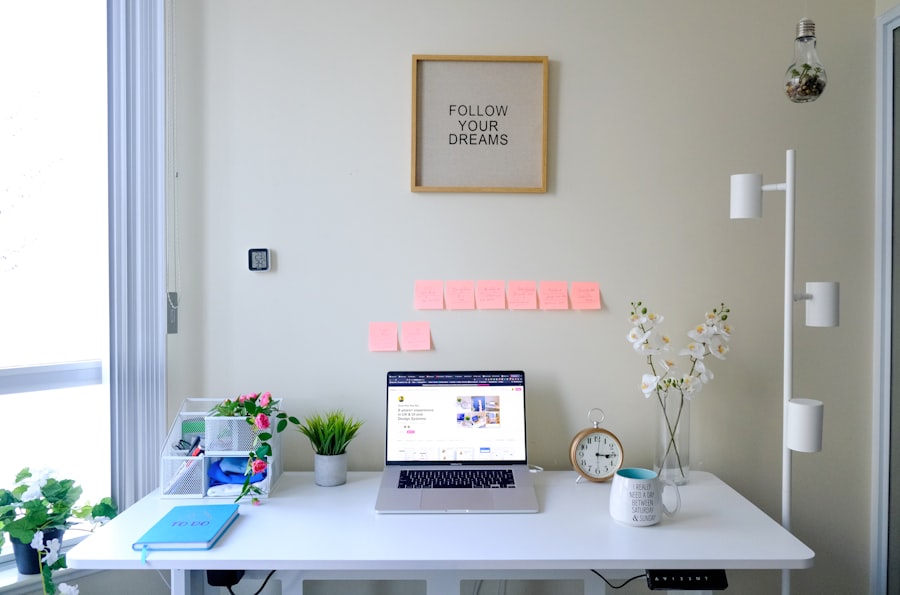
Creativity is at the heart of interior design, serving as both an inspiration and a driving force behind innovative solutions. Interior design courses encourage students to think outside the box and explore unconventional ideas while adhering to practical constraints. This balance between creativity and functionality is essential for creating spaces that are not only visually appealing but also serve their intended purpose effectively.
Students are often challenged to push their creative boundaries through various assignments that require them to conceptualize unique designs tailored to specific client needs or project parameters. Moreover, fostering creativity in interior design involves cultivating an awareness of current trends and emerging technologies. Students are encouraged to stay informed about new materials, sustainable practices, and innovative design techniques that can enhance their work.
Engaging in collaborative projects with peers can also stimulate creative thinking, as diverse perspectives often lead to unexpected solutions. By embracing experimentation and remaining open to feedback, aspiring designers can develop a distinctive style that reflects their individuality while resonating with clients’ desires.
The Importance of Hands-On Experience in Interior Design Courses
| Metrics | Importance |
|---|---|
| Enhanced Learning | Hands-on experience allows students to apply theoretical knowledge in real-world scenarios, leading to better understanding and retention of concepts. |
| Skills Development | Practical experience helps students develop essential skills such as spatial planning, material selection, and project management, which are crucial for a successful career in interior design. |
| Creative Exploration | Hands-on projects encourage creativity and innovation, allowing students to experiment with different design elements and techniques. |
| Industry Readiness | Real-life projects and internships provide students with the practical knowledge and confidence needed to enter the workforce and succeed in the interior design industry. |
Hands-on experience is an invaluable component of interior design education, bridging the gap between theory and practice. Many programs incorporate studio-based learning, where students work on real or simulated projects that mimic the challenges faced by professional designers. This practical approach allows students to apply their theoretical knowledge in tangible ways, honing their skills in space planning, material selection, and client communication.
Engaging in these projects not only builds confidence but also prepares students for the complexities of the industry by teaching them how to navigate client expectations and project constraints. Internships are another critical aspect of gaining hands-on experience in interior design courses. Many programs facilitate internship opportunities with established firms or independent designers, providing students with a chance to immerse themselves in the professional world.
These experiences offer insights into daily operations, project management, and client interactions while allowing students to build valuable networks within the industry. By combining classroom learning with real-world applications, aspiring designers can develop a well-rounded skill set that enhances their employability upon graduation.
Exploring Different Styles and Techniques in Interior Design
The world of interior design is rich with diverse styles and techniques that reflect cultural influences, historical contexts, and personal preferences. Interior design courses often expose students to a wide range of design movements—from minimalist Scandinavian aesthetics to opulent Baroque interiors—encouraging them to explore various approaches to space creation. Understanding these styles not only broadens students’ design vocabulary but also equips them with the ability to adapt their work to meet different client needs and preferences.
In addition to exploring established styles, students are encouraged to experiment with innovative techniques that push the boundaries of traditional design. This may include incorporating sustainable materials, utilizing smart home technology, or blending different styles to create eclectic spaces. By engaging in projects that challenge conventional norms, aspiring designers can cultivate a unique aesthetic that sets them apart in a competitive market.
The exploration of styles and techniques fosters versatility in design thinking, enabling students to approach each project with creativity and confidence.
Career Opportunities in the Field of Interior Design
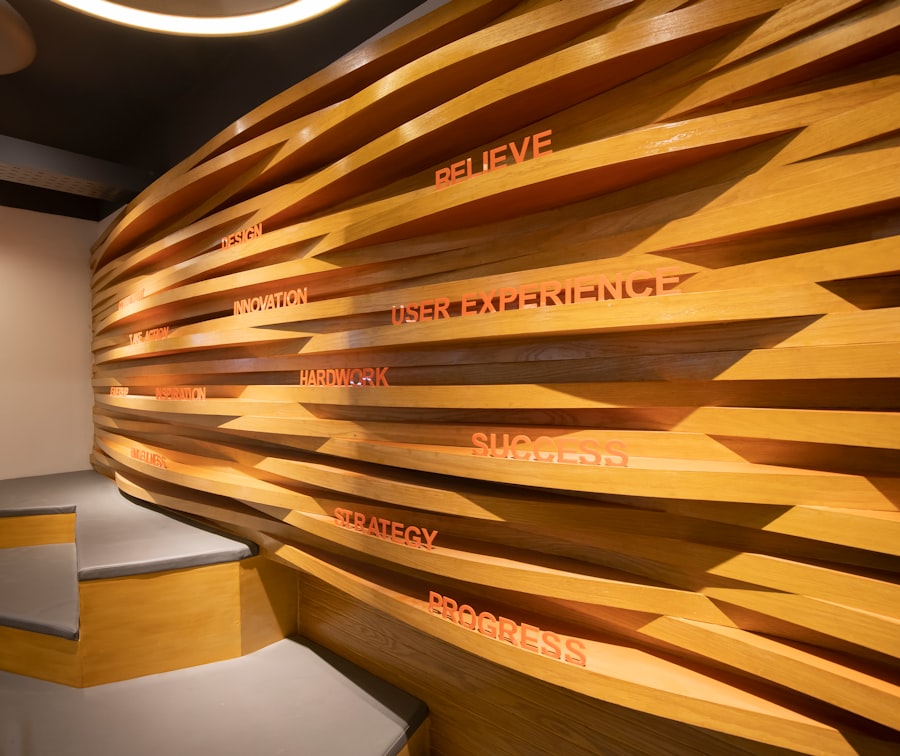
Career Paths in Established Firms
Many designers choose to work for established firms, where they collaborate with teams on residential or commercial projects. These positions often involve working closely with clients to understand their needs and preferences while developing comprehensive design plans that encompass everything from layout to furnishings.
Specializing in Niche Areas
Additionally, some designers may specialize in niche areas such as hospitality design, healthcare environments, or sustainable practices, allowing them to carve out unique career paths within the industry.
Entrepreneurship and Independent Consulting
Entrepreneurship is another viable option for interior design graduates who wish to establish their own businesses. Many successful designers launch their own firms or work as independent consultants, providing personalized services tailored to individual clients’ needs. This path offers greater creative freedom but also requires strong business acumen and marketing skills to attract clients and manage projects effectively.
The demand for skilled interior designers continues to grow across various sectors, such as residential real estate development, commercial spaces, and event planning, making the career prospects for graduates promising.
Tips for Success in Interior Design Courses
Success in interior design courses hinges on a combination of dedication, creativity, and effective time management. Students should approach their studies with an open mind and a willingness to learn from both successes and setbacks. Actively participating in class discussions, seeking feedback from instructors, and collaborating with peers can enhance understanding and foster a supportive learning environment.
Additionally, maintaining a well-organized schedule that balances coursework with hands-on projects will help students manage their time effectively while ensuring they meet deadlines without compromising quality. Networking is another crucial element for success in interior design education. Building relationships with industry professionals through internships, workshops, or networking events can provide valuable insights into the field while opening doors for future job opportunities.
Students should also take advantage of online platforms and social media to showcase their work and connect with other designers. By cultivating a strong professional network and continuously honing their skills through practice and exploration, aspiring interior designers can position themselves for success in an ever-evolving industry landscape.
FAQs
What are interior design courses?
Interior design courses are educational programs that provide students with the knowledge and skills necessary to pursue a career in interior design. These courses cover various aspects of interior design, including space planning, color theory, furniture design, and architectural drafting.
What do interior design courses cover?
Interior design courses cover a wide range of topics, including design principles, architectural drafting, space planning, color theory, furniture design, and interior decorating. Students also learn about building codes, sustainability, and the use of computer-aided design (CAD) software.
What are the different types of interior design courses?
There are various types of interior design courses available, including certificate programs, diploma programs, associate degree programs, and bachelor’s degree programs. Some courses may focus on specific areas of interior design, such as residential design, commercial design, or sustainable design.
What are the benefits of taking interior design courses?
Interior design courses provide students with the knowledge and skills necessary to pursue a career in interior design. These courses also offer opportunities for networking, internships, and hands-on experience in the field. Additionally, completing a formal interior design program can enhance a student’s credibility and marketability in the industry.
Are interior design courses available online?
Yes, there are many interior design courses available online. These online courses offer flexibility and convenience for students who may not be able to attend traditional on-campus classes. Online interior design courses cover the same material as traditional programs and may include virtual design projects and interactive learning modules.