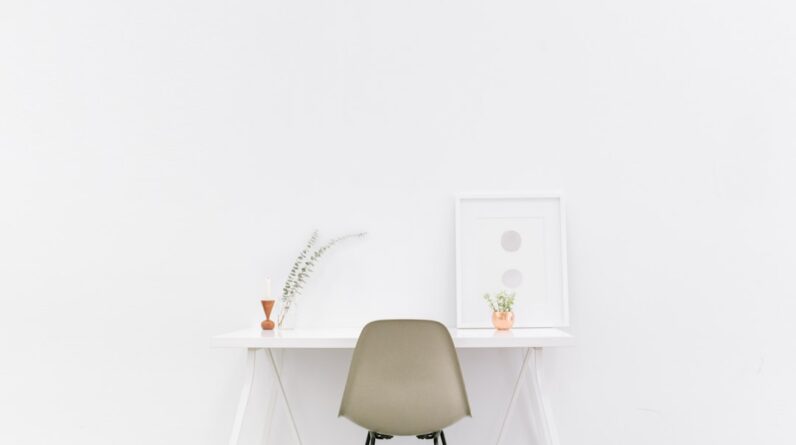
Scandinavian interior design is a style that has gained immense popularity over the years, characterized by its simplicity, functionality, and connection to nature. Originating from the Nordic countries, this design philosophy emphasizes clean lines, minimalism, and a sense of harmony with the environment. The aesthetic is often marked by an uncluttered look, where every piece of furniture and decor serves a purpose, contributing to a serene and inviting atmosphere.
The Scandinavian approach to design is not merely about aesthetics; it embodies a lifestyle that values comfort, practicality, and sustainability. This philosophy encourages individuals to create spaces that are not only visually appealing but also promote well-being and mindfulness. At its core, Scandinavian design is about creating a balance between form and function.
This means that while the visual appeal is important, the usability of each element is paramount. The use of natural materials such as wood, leather, and textiles is prevalent, reflecting a deep respect for nature and the environment. Furthermore, Scandinavian design often incorporates large windows to maximize natural light, fostering a sense of openness and connection to the outdoors.
This emphasis on light and space is crucial in regions where daylight can be scarce during the long winter months. By understanding these foundational principles, one can begin to appreciate the beauty and functionality that Scandinavian interior design brings to modern living.
Key Takeaways
- Scandinavian interior design focuses on simplicity, functionality, and minimalism
- Incorporate natural elements such as wood, plants, and natural light to bring the outdoors inside
- Choose furniture that is both minimalist and functional, with clean lines and multi-purpose designs
- Embrace neutral colors and textures such as whites, grays, and light woods for a calming and cohesive look
- Create a cozy and inviting atmosphere by adding soft textiles, warm lighting, and comfortable seating
- Add personal touches and embrace the concept of hygge, creating a sense of warmth and contentment
- Maintain a clutter-free space by organizing and decluttering regularly, and utilizing storage solutions to keep things tidy
Incorporating Natural Elements into Your Home
Embracing the Warmth of Wood in Scandinavian Design
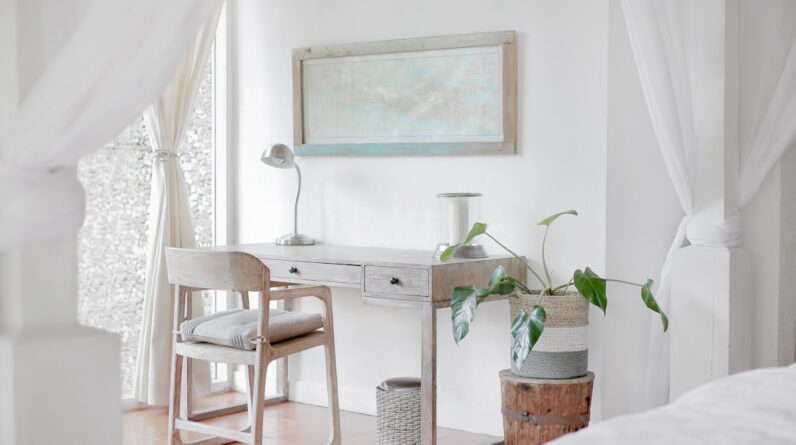
Integrating natural elements into your home is a hallmark of Scandinavian design that not only enhances aesthetic appeal but also promotes a sense of tranquility. One of the most effective ways to achieve this is through the use of wood, which is a predominant material in Nordic interiors. From hardwood floors to wooden beams and furniture, the warmth of wood creates an inviting atmosphere that resonates with the natural world.
Bringing Life to Your Space with Plants
Incorporating plants into your living space can significantly enhance the connection to nature. Houseplants not only purify the air but also add a vibrant touch of greenery that can uplift any room. Whether it’s a tall fiddle leaf fig in the corner or small succulents on a windowsill, these natural elements breathe life into your home.
Enhancing the Connection to Nature with Organic Materials
The use of stone and other organic materials can further enhance this connection to nature. Stone countertops, for instance, provide a rugged yet elegant touch to kitchens and bathrooms, while natural textiles like wool and linen add warmth and texture to living spaces. The key is to create a harmonious blend of these elements that reflect the beauty of the outdoors.
Blending Indoor and Outdoor Spaces
Large windows that frame picturesque views or allow ample sunlight to flood in can also serve as a bridge between indoor and outdoor spaces. By thoughtfully incorporating these natural elements into your home, you not only embrace the essence of Scandinavian design but also cultivate an environment that fosters relaxation and well-being.
Utilizing Minimalist and Functional Furniture
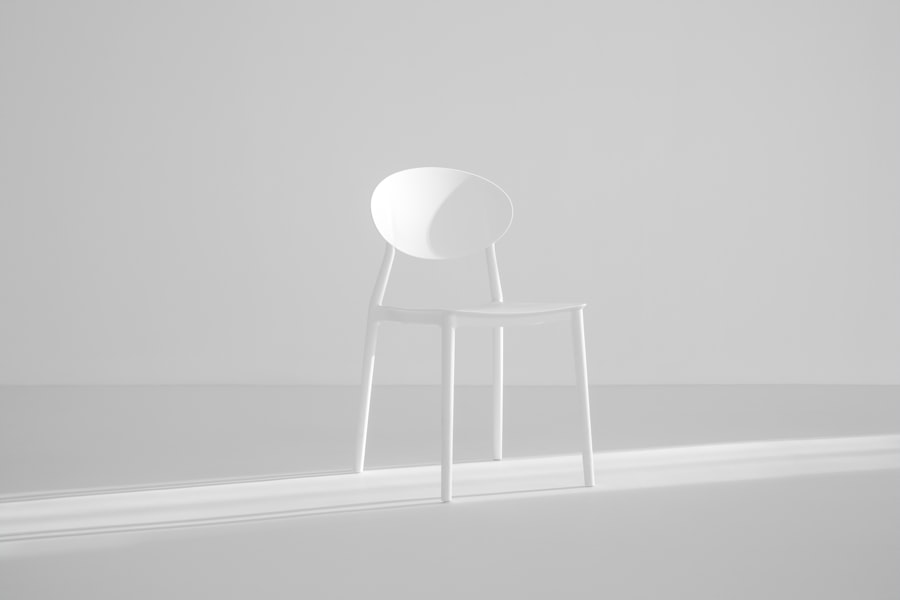
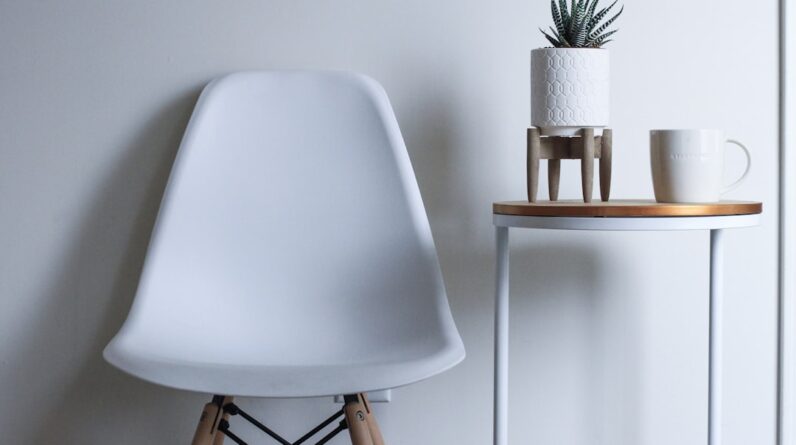
In Scandinavian interior design, furniture plays a pivotal role in achieving both aesthetic appeal and functional efficiency. The minimalist approach encourages homeowners to select pieces that are not only stylish but also serve multiple purposes. For instance, a sleek coffee table with built-in storage can help maintain a clutter-free environment while providing a focal point for the living room.
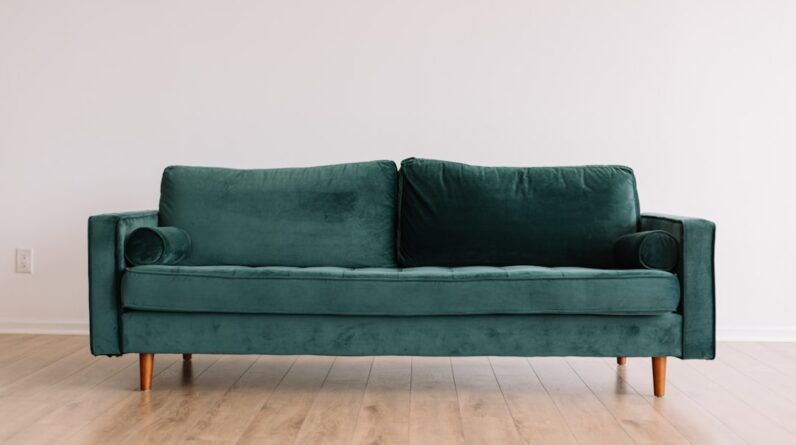
Similarly, modular sofas that can be rearranged according to need exemplify the versatility that is central to this design philosophy. By prioritizing functionality without sacrificing style, Scandinavian furniture embodies the principle that less is indeed more. Additionally, the emphasis on craftsmanship in Scandinavian furniture design cannot be overstated.
Many pieces are created with an eye for detail and an appreciation for quality materials, ensuring longevity and durability. This focus on well-made items encourages consumers to invest in fewer pieces that will stand the test of time rather than opting for disposable furniture that contributes to waste. The clean lines and understated elegance of Scandinavian furniture allow it to blend seamlessly into various decor styles while maintaining its unique character.
By choosing minimalist and functional furniture, you not only enhance your living space but also align with sustainable practices that are increasingly important in today’s world.
Embracing Neutral Colors and Textures
| Neutral Colors and Textures | Benefits |
|---|---|
| Enhanced Relaxation | Creates a calming and soothing environment |
| Timeless Elegance | Provides a classic and sophisticated look |
| Versatile Decor | Blends well with various styles and color schemes |
| Visual Harmony | Brings balance and cohesion to the space |
A defining characteristic of Scandinavian interior design is its palette of neutral colors that evoke calmness and serenity. Shades of white, gray, beige, and soft pastels dominate the landscape, creating a soothing backdrop that allows other elements within the space to shine. This restrained color scheme not only makes rooms feel more spacious but also provides a versatile canvas for layering textures and patterns.
By incorporating various materials such as wool throws, linen cushions, and wooden accents, you can add depth and interest without overwhelming the senses. The interplay of these textures against a neutral backdrop creates an inviting atmosphere that is quintessentially Scandinavian. Furthermore, embracing neutral colors allows for greater flexibility in decorating and accessorizing your home.
With a subdued palette as your foundation, you can easily introduce pops of color through artwork or decorative items without clashing with the overall aesthetic. This approach encourages creativity while maintaining harmony within the space. Additionally, neutral colors reflect light beautifully, enhancing the natural brightness that is so vital in Scandinavian design.
By thoughtfully selecting colors and textures that complement one another, you can create a cohesive look that embodies both elegance and comfort.
Creating a Cozy and Inviting Atmosphere
The concept of coziness—often referred to as “hygge” in Danish culture—is central to Scandinavian interior design. Creating a cozy atmosphere involves more than just aesthetics; it encompasses feelings of warmth, comfort, and contentment within your living space. One effective way to achieve this is through strategic lighting choices.
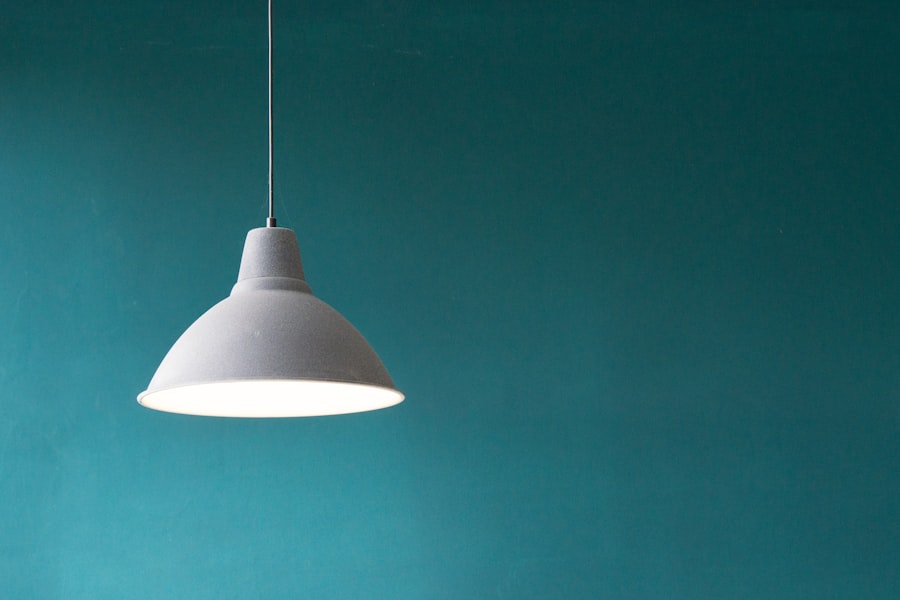
Soft lighting from lamps or candles can transform a room from stark to inviting, casting a warm glow that encourages relaxation. Layering different light sources—such as overhead fixtures combined with table lamps—can create depth and ambiance throughout your home. In addition to lighting, textiles play an essential role in fostering coziness.
Plush rugs underfoot, soft blankets draped over sofas, and an array of cushions can all contribute to an inviting environment where one feels at ease. The careful selection of these elements allows for personalization while adhering to the principles of Scandinavian design. Incorporating elements like a reading nook with comfortable seating or a fireplace can further enhance this sense of coziness.
By focusing on creating spaces that invite relaxation and connection with loved ones, you embody the essence of Scandinavian living—where comfort meets style in perfect harmony.
Adding Personal Touches and Hygge
Embracing Personal Expression in Scandinavian Design
While Scandinavian design emphasizes minimalism and functionality, it also encourages personal expression through thoughtful decor choices. Adding personal touches allows homeowners to infuse their unique personality into their spaces while maintaining the overall aesthetic integrity of their homes. This could be achieved through curated collections of art or photographs displayed on walls or shelves that tell a story about one’s life experiences or travels.
The Role of Personal Artifacts in Scandinavian Homes
These personal artifacts serve as conversation starters while adding warmth and character to an otherwise minimalist environment. The concept of hygge—often translated as coziness or contentment—plays a significant role in this personalization process. It encourages individuals to create spaces that foster connection with family and friends while promoting self-care and relaxation.
Creating a Cozy and Inviting Atmosphere
Incorporating elements such as scented candles, soft throws, or even favorite books can enhance this feeling of comfort within your home. The key is to strike a balance between minimalism and personal expression; by carefully selecting items that resonate with you emotionally while adhering to the principles of Scandinavian design, you can create an inviting sanctuary that reflects your individuality.
Striking the Perfect Balance
By embracing personal expression and incorporating meaningful elements into your Scandinavian-inspired home, you can create a space that not only reflects your unique personality but also promotes a sense of comfort and connection.
Tips for Maintaining a Clutter-Free Space
Maintaining a clutter-free space is essential in achieving the serene aesthetic characteristic of Scandinavian interior design. One effective strategy is adopting a “one in, one out” policy when it comes to acquiring new items for your home. This means that for every new piece you bring in—be it clothing, decor, or furniture—you should consider removing an existing item from your space.
This practice not only helps prevent accumulation but also encourages mindful consumption by prompting you to evaluate what truly adds value to your life. Another useful tip is to establish designated storage solutions throughout your home. Utilizing baskets, bins, or stylish shelving units can help keep items organized while maintaining visual appeal.
Additionally, regularly assessing your belongings—perhaps during seasonal changes—can help identify items that are no longer needed or used. By committing to these practices, you can cultivate an environment that embodies the principles of Scandinavian design: simplicity, functionality, and tranquility. Ultimately, maintaining a clutter-free space allows you to fully appreciate the beauty of your home while fostering a sense of peace and well-being within your daily life.
FAQs
What is Scandinavian interior design style?
Scandinavian interior design style is a minimalist and functional approach to decorating that originates from the Nordic countries of Denmark, Norway, Sweden, and Finland. It is characterized by simplicity, clean lines, natural materials, and a neutral color palette.
What are the key elements of Scandinavian interior design?
Key elements of Scandinavian interior design include light and airy spaces, natural light, a neutral color palette with pops of muted colors, clean lines, functional furniture, natural materials such as wood and leather, and a focus on simplicity and minimalism.
How can I incorporate Scandinavian style into my home?
To incorporate Scandinavian style into your home, focus on decluttering and creating a clean, minimalist space. Use a neutral color palette with pops of muted colors, incorporate natural materials such as wood and leather, choose functional and simple furniture, and prioritize natural light and open spaces.
What are some popular Scandinavian design furniture pieces?
Popular Scandinavian design furniture pieces include the Eames Lounge Chair, the Wegner Wishbone Chair, the Poul Henningsen Artichoke Lamp, the Arne Jacobsen Egg Chair, and the Alvar Aalto Stool.
What are some popular Scandinavian design brands?
Popular Scandinavian design brands include IKEA, HAY, Muuto, Fritz Hansen, Georg Jensen, and Marimekko. These brands are known for their modern and minimalist approach to design.