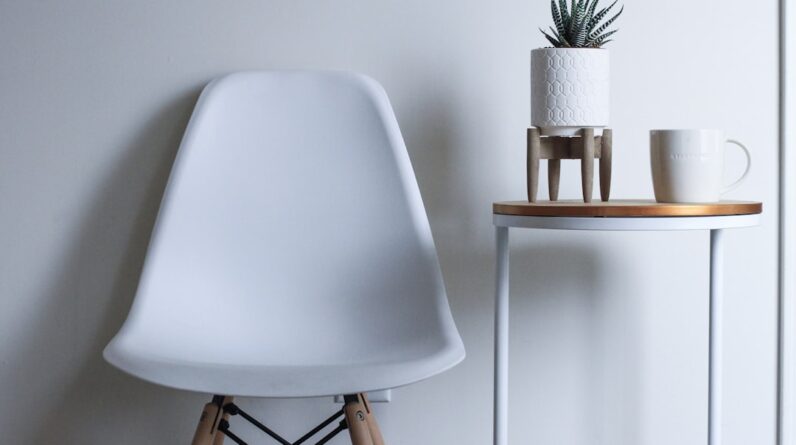
The significance of office interior design cannot be overstated, as it plays a pivotal role in shaping the overall work environment and influencing employee productivity. A well-designed office space not only enhances aesthetic appeal but also fosters a sense of belonging and motivation among employees. When individuals feel comfortable and inspired in their surroundings, they are more likely to engage fully with their tasks, collaborate effectively with colleagues, and contribute positively to the organizational culture.
Moreover, an inviting office design can serve as a powerful tool for attracting top talent, as prospective employees often assess the work environment during their job search. In a competitive job market, companies that prioritize thoughtful interior design can distinguish themselves and create a lasting impression on potential hires. Furthermore, the layout and design of an office can significantly impact communication and teamwork.
Open-concept spaces encourage collaboration and spontaneous interactions, while designated quiet areas can provide employees with the solitude they need for focused work. The strategic arrangement of furniture and communal spaces can facilitate the flow of ideas and foster a sense of community among team members. Additionally, a thoughtfully designed office can reflect the company’s brand identity and values, reinforcing its mission and vision in the minds of both employees and clients.
In essence, investing in office interior design is not merely about aesthetics; it is a strategic decision that can enhance employee satisfaction, drive productivity, and ultimately contribute to the success of the organization.
Key Takeaways
- A well-designed office interior can improve employee productivity, creativity, and overall well-being.
- Choosing the right furniture and layout is crucial for creating a functional and comfortable workspace.
- Incorporating natural elements such as plants and wood can help reduce stress and improve air quality in the office.
- Maximizing natural light in the office can boost mood and energy levels among employees.
- Utilizing color psychology can influence employee emotions and behavior, leading to a more positive work environment.
- Minimizing distractions in the office can improve focus and productivity among employees.
- Incorporating personalization and comfort in the office design can help create a sense of belonging and well-being among employees.
Choosing the Right Furniture and Layout
Encouraging Movement and Flexibility
Providing employees with options for standing desks can encourage movement throughout the day, reducing the risks associated with prolonged sitting. Additionally, incorporating modular furniture allows for flexibility in reconfiguring spaces to accommodate different team sizes or project requirements, fostering a dynamic work environment that can adapt to changing needs.
Fostering Effective Communication and Collaboration
The layout of an office should also facilitate effective communication and collaboration among team members. An open floor plan can promote interaction and teamwork, while designated quiet zones can offer employees a retreat for focused work. It is essential to strike a balance between collaborative spaces and areas for individual concentration.
Creating a Positive Workplace Culture
Thoughtful zoning within the office can help delineate different functions—such as meeting rooms, break areas, and workstations—ensuring that each space serves its intended purpose without causing distractions. Ultimately, the right combination of furniture and layout not only enhances functionality but also contributes to a positive workplace culture where employees feel valued and engaged.
Incorporating Natural Elements

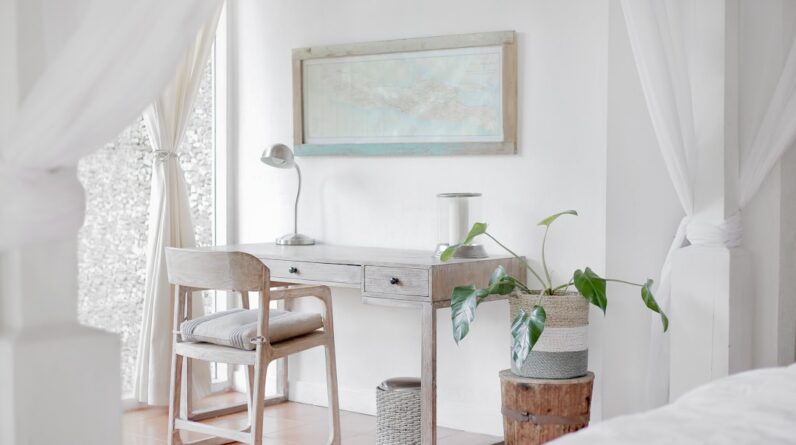
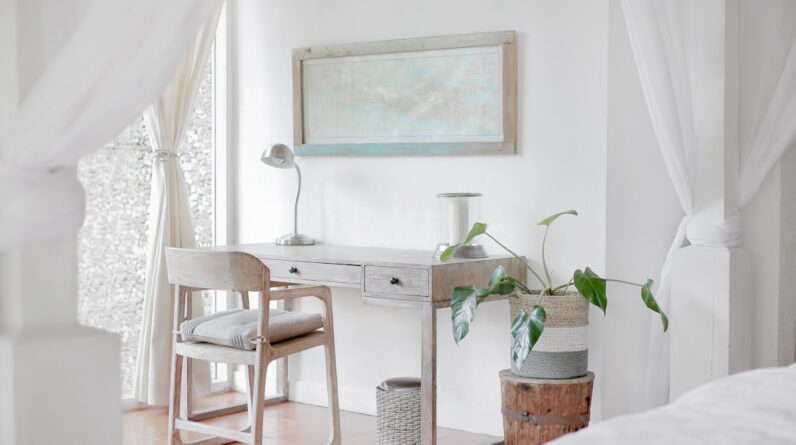
Integrating natural elements into office design has gained popularity in recent years, as research increasingly supports the benefits of biophilic design on employee well-being and productivity. Incorporating plants, natural materials, and organic shapes into the workspace can create a calming atmosphere that reduces stress and enhances focus. For example, strategically placed indoor plants not only improve air quality but also add a touch of greenery that can invigorate an otherwise sterile environment.
Natural wood finishes, stone accents, and water features can further enhance this connection to nature, creating a more inviting and harmonious workspace that resonates with employees on a deeper level. Moreover, the incorporation of natural elements can extend beyond mere aesthetics; it can also influence employee behavior and attitudes toward their work. Studies have shown that exposure to nature can boost creativity and problem-solving skills, making it an invaluable asset in environments that thrive on innovation.
By designing spaces that reflect the beauty of the natural world, organizations can cultivate a sense of tranquility that encourages employees to take breaks, recharge their minds, and return to their tasks with renewed vigor. Ultimately, embracing biophilic design principles not only enhances the visual appeal of an office but also contributes to a healthier, more productive workforce.
Maximizing Natural Light
| Benefits of Maximizing Natural Light | Metrics |
|---|---|
| Improved mood and well-being | Increased productivity |
| Energy cost savings | Reduced reliance on artificial lighting |
| Health benefits | Reduced eye strain and headaches |
| Environmental impact | Reduced carbon footprint |
The role of natural light in office design is paramount, as it has been shown to have profound effects on employee mood, energy levels, and overall productivity. Maximizing natural light within an office space can create an uplifting atmosphere that fosters creativity and engagement. Large windows, skylights, and open layouts that allow light to flow freely throughout the space are effective strategies for harnessing sunlight.
By prioritizing natural light in design plans, organizations can reduce reliance on artificial lighting, which often leads to fatigue and decreased focus over time. Furthermore, exposure to natural light has been linked to improved sleep patterns and overall health, making it an essential consideration for any workplace. In addition to enhancing employee well-being, natural light can also contribute to energy efficiency within an office environment.
By strategically positioning workstations near windows or utilizing reflective surfaces to distribute light more evenly throughout the space, companies can reduce their energy consumption while creating a more pleasant working atmosphere. The psychological benefits of natural light cannot be overlooked either; employees who work in well-lit environments often report higher levels of job satisfaction and lower rates of absenteeism. Therefore, investing in designs that prioritize natural light is not only beneficial for employee morale but also serves as a sustainable practice that aligns with modern environmental standards.
Utilizing Color Psychology
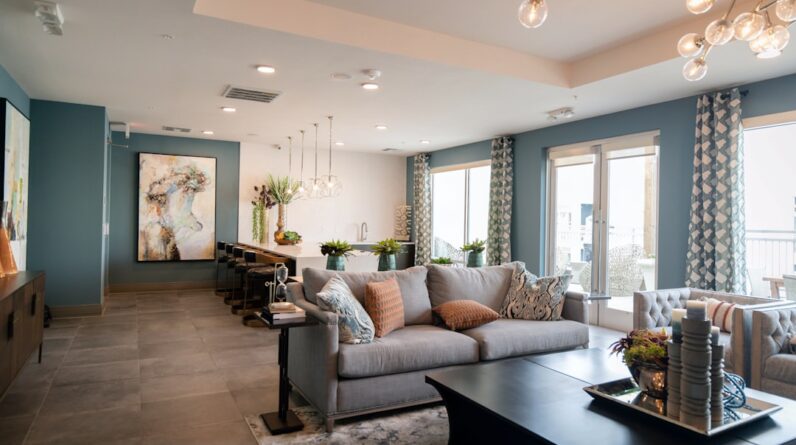
Color psychology plays a significant role in office interior design by influencing mood, behavior, and productivity levels among employees. Different colors evoke distinct emotional responses; for instance, blue is often associated with calmness and focus, making it an ideal choice for areas where concentration is paramount. On the other hand, vibrant colors like yellow or orange can stimulate creativity and energy, making them suitable for collaborative spaces or brainstorming rooms.
By thoughtfully selecting color palettes that align with the intended purpose of each area within the office, organizations can create environments that support various work styles while enhancing overall employee satisfaction. Moreover, color choices can also reflect a company’s brand identity and values. Incorporating brand colors into the office design not only reinforces corporate culture but also creates a cohesive visual experience for both employees and clients.
This alignment between color psychology and branding can foster a sense of pride among employees as they identify with their workplace environment. Additionally, using color strategically can help delineate different functional areas within an office—such as using calming hues in quiet zones while employing more stimulating colors in collaborative spaces—thereby enhancing both functionality and aesthetic appeal. Ultimately, understanding the impact of color psychology is essential for creating an office environment that nurtures creativity, focus, and a strong sense of community.
Minimizing Distractions

Reducing Ambient Noise
Acoustic panels or sound-absorbing materials can be integrated into the design to reduce ambient noise levels in open-plan offices while providing designated quiet zones for those who require solitude for deep concentration.
Minimizing Visual Distractions
Organizing workspaces to minimize visual distractions—such as cluttered desks or excessive decorations—can help employees maintain focus on their tasks without unnecessary interruptions. Furthermore, implementing technology solutions such as noise-canceling headphones or designated collaboration tools can further enhance concentration levels within the workplace.
Empowering Employees
By providing employees with resources that allow them to manage their own environments effectively—whether through personal workspace adjustments or access to collaborative technologies—organizations empower their workforce to take control of their productivity. Creating designated areas for social interaction or informal meetings can also help contain distractions by providing employees with spaces specifically designed for collaboration rather than allowing interruptions to occur in primary work areas.
Fostering a Productive Environment
Ultimately, minimizing distractions through thoughtful design choices fosters an environment where employees can thrive both individually and collectively.
Incorporating Personalization and Comfort
The final element in creating an effective office environment is incorporating personalization and comfort into the design process. Allowing employees to personalize their workspaces fosters a sense of ownership and belonging within the organization. Simple touches such as personal photos, artwork, or meaningful objects can transform a sterile workspace into a reflection of individual personalities and preferences.
This sense of personalization not only enhances employee satisfaction but also encourages creativity by allowing individuals to express themselves in their surroundings. Comfort is equally important in promoting productivity within the workplace. Ergonomic furniture choices—such as adjustable chairs and desks—are essential for ensuring that employees feel physically supported throughout their workday.
Additionally, incorporating soft furnishings like cushions or lounge areas can create inviting spaces where employees can relax during breaks or engage in informal discussions with colleagues. By prioritizing both personalization and comfort in office design, organizations demonstrate their commitment to employee well-being while fostering a positive workplace culture that values individuality alongside collaboration. In conclusion, creating an office environment that balances these elements is key to cultivating a motivated workforce capable of achieving exceptional results.
FAQs
What is office interior design?
Office interior design is the process of creating a functional and aesthetically pleasing workspace by carefully selecting and arranging furniture, decor, and other elements to enhance productivity and employee well-being.
Why is office interior design important?
Office interior design is important because it can significantly impact employee morale, productivity, and overall well-being. A well-designed office space can also leave a positive impression on clients and visitors.
What are the key elements of office interior design?
Key elements of office interior design include space planning, furniture selection, lighting, color schemes, and the incorporation of branding elements. Additionally, factors such as ergonomics and sustainability are also important considerations.
How does office interior design impact productivity?
A well-designed office space can improve productivity by creating a comfortable and efficient work environment. Factors such as natural light, ergonomic furniture, and designated collaborative spaces can all contribute to increased productivity.
What are some popular office interior design trends?
Some popular office interior design trends include open floor plans, flexible workspaces, biophilic design (incorporating nature into the workspace), and the use of sustainable materials. Additionally, incorporating technology and creating a sense of community within the office are also growing trends.
How can I improve the interior design of my office?
To improve the interior design of your office, consider factors such as layout, furniture selection, lighting, and color schemes. It may also be beneficial to consult with a professional interior designer who can provide expertise and guidance tailored to your specific needs and goals.