French Country interior design is a style deeply rooted in the pastoral landscapes and rich cultural heritage of rural France. Originating from the Provence region, this design aesthetic reflects the simplicity and charm of country life, characterized by a harmonious blend of rustic elements and elegant sophistication. The essence of French Country design lies in its ability to evoke a sense of nostalgia, drawing inspiration from the natural beauty of the countryside, traditional craftsmanship, and the warmth of family gatherings.
This style is not merely about aesthetics; it embodies a lifestyle that values comfort, authenticity, and a connection to nature. The historical context of French Country design can be traced back to the 17th and 18th centuries when the French aristocracy sought to escape the formality of urban living by retreating to their country estates. These homes were often adorned with local materials and handcrafted furnishings, creating an inviting atmosphere that celebrated the beauty of rural life.
As the years progressed, French Country design evolved, incorporating influences from various regions and cultures while maintaining its core principles. The style is characterized by its use of natural materials such as wood, stone, and wrought iron, which contribute to its rustic charm. Additionally, the color palette often reflects the surrounding landscape, featuring soft earth tones, muted pastels, and vibrant floral patterns that evoke the essence of blooming gardens and sun-drenched fields.
The combination of these elements creates a warm and inviting environment that encourages relaxation and connection with loved ones. Understanding the roots of French Country interior design is essential for anyone looking to embrace this style in their own home, as it provides a foundation for creating spaces that are not only visually appealing but also rich in history and meaning.
Key Takeaways
- French Country interior design is rooted in the rural homes of the French countryside, emphasizing simplicity, comfort, and natural elements.
- Embrace the rustic and charming aesthetic of French Country style by incorporating distressed wood, wrought iron, and vintage accessories.
- Incorporate natural elements and warm color palettes such as earthy tones, soft yellows, and warm reds to create a cozy and inviting atmosphere.
- Utilize vintage and antique furnishings to create a timeless look, including weathered wood tables, ornate mirrors, and distressed cabinets.
- Add soft and romantic textiles like linen, cotton, and toile fabrics to enhance the cozy atmosphere and create a sense of warmth and comfort.
Embracing the Rustic and Charming Aesthetic of French Country Style
Defining French Country Interior Design
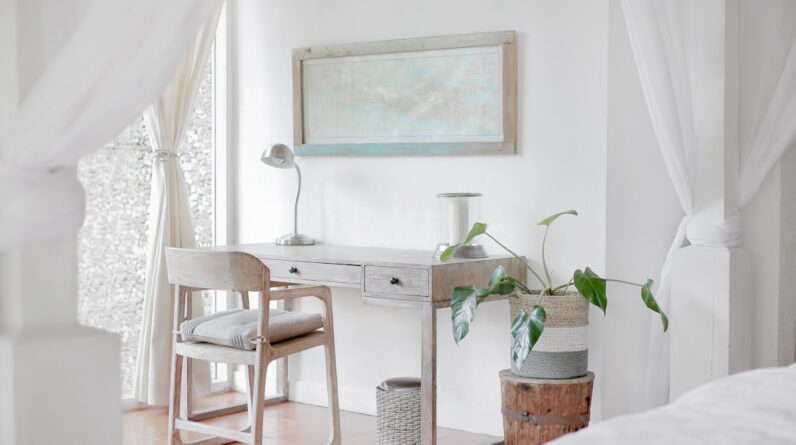
At the heart of French Country interior design lies a rustic charm that invites warmth and comfort into any space. This aesthetic is characterized by an effortless blend of elegance and simplicity, where each element tells a story and contributes to the overall ambiance. The use of natural materials is paramount; wooden beams, stone walls, and terracotta tiles are commonly found in French Country homes, creating a sense of authenticity that resonates with those who appreciate craftsmanship.
Embracing Rustic Elements and Vintage Accessories
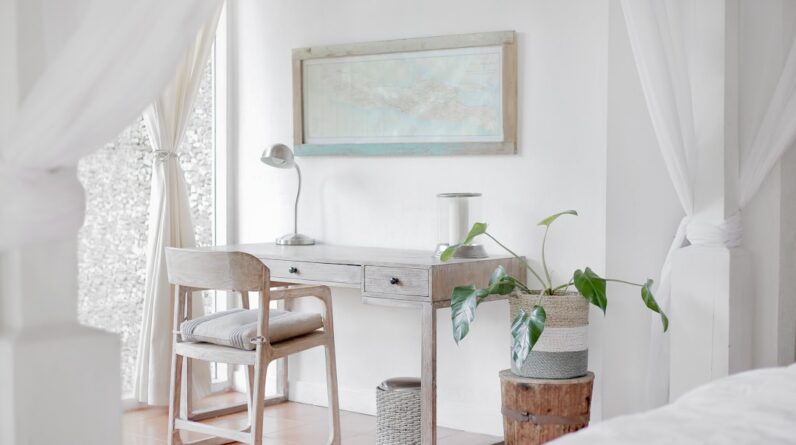
Furniture pieces often feature distressed finishes, showcasing their history and adding character to the space. This rustic appeal is further enhanced by the incorporation of vintage accessories, such as antique mirrors, weathered picture frames, and hand-painted ceramics, which serve as conversation starters while infusing the home with personality. In addition to its rustic elements, French Country design embraces a charming aesthetic that celebrates the beauty of imperfection.
Creating a Welcoming Atmosphere
This is evident in the use of mismatched furniture pieces, which create an inviting and lived-in feel. Soft curves and organic shapes are favored over rigid lines, allowing for a more relaxed atmosphere that encourages social interaction. Floral patterns are also a hallmark of this style, often seen in upholstery, curtains, and decorative accents. These patterns evoke the lush gardens of Provence and add a touch of whimsy to the decor.
Timeless and Welcoming Spaces
By embracing this rustic and charming aesthetic, homeowners can create spaces that feel both timeless and welcoming, inviting family and friends to gather and enjoy each other’s company.
Incorporating Natural Elements and Warm Color Palettes

One of the defining features of French Country interior design is its emphasis on natural elements that bring the outdoors inside. This connection to nature is achieved through the use of organic materials such as wood, stone, and metal, which not only enhance the aesthetic appeal but also promote a sense of tranquility. Exposed wooden beams are often a focal point in French Country homes, adding architectural interest while creating a warm and inviting atmosphere.
Stone fireplaces serve as another key element, providing both functionality and a cozy gathering spot for family and friends. Incorporating these natural elements into your home can create a seamless transition between indoor and outdoor spaces, allowing you to enjoy the beauty of nature from the comfort of your living room. In addition to natural materials, warm color palettes play a crucial role in establishing the inviting ambiance characteristic of French Country design.
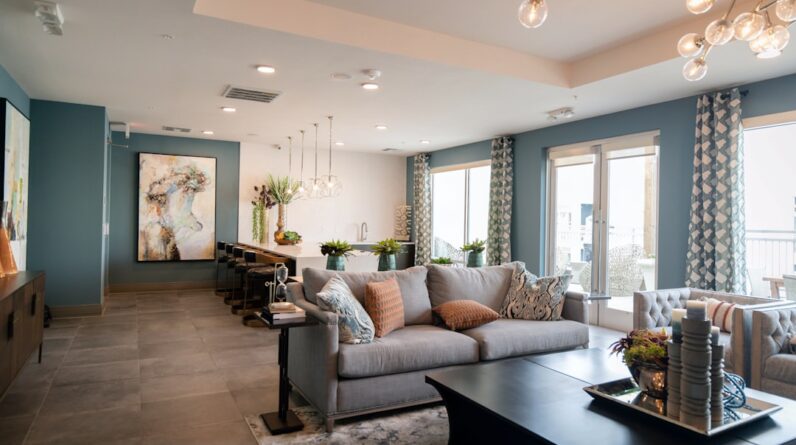
Soft earth tones such as beige, taupe, and warm whites create a soothing backdrop that complements the rustic elements found throughout the space. Accents of muted pastels—think soft yellows, gentle blues, and faded greens—can be introduced through textiles or decorative accessories to evoke the vibrant colors of blooming gardens. These warm hues not only enhance the overall aesthetic but also contribute to a sense of comfort and relaxation within the home.
By thoughtfully incorporating natural elements and warm color palettes into your interior design scheme, you can create a harmonious environment that reflects the beauty of French Country style while promoting a sense of peace and well-being.
Utilizing Vintage and Antique Furnishings to Create a Timeless Look
| Category | Metrics |
|---|---|
| Quality | Assess the condition of vintage and antique furnishings |
| Authenticity | Verify the origin and history of the furnishings |
| Style | Match the furnishings with the desired timeless look |
| Functionality | Ensure that the furnishings are still functional and usable |
| Integration | Incorporate the furnishings seamlessly into the overall design |
The charm of French Country interior design is often amplified by the inclusion of vintage and antique furnishings that tell a story and add depth to the space. These pieces are not merely decorative; they serve as tangible connections to history and tradition, enriching the overall narrative of your home. When selecting vintage or antique items, look for pieces that showcase craftsmanship and character—such as a weathered farmhouse table or an intricately carved armoire.
These furnishings not only provide functional benefits but also serve as focal points that draw the eye and spark conversation among guests. The beauty of incorporating vintage items lies in their ability to blend seamlessly with modern elements, creating an eclectic yet cohesive look that feels both timeless and fresh. In addition to their aesthetic appeal, vintage and antique furnishings contribute to the sustainability aspect of interior design by promoting reuse and reducing waste.
By choosing pre-loved items over new mass-produced furniture, homeowners can create unique spaces that reflect their personal style while minimizing their environmental impact. Furthermore, these pieces often come with their own stories—whether it’s a family heirloom passed down through generations or a charming find from a local flea market—adding an emotional layer to your decor. By thoughtfully curating a collection of vintage and antique furnishings, you can create a timeless look that honors tradition while embracing modern sensibilities in your French Country-inspired home.
Adding Soft and Romantic Textiles for a Cozy Atmosphere
Textiles play an essential role in establishing the cozy atmosphere synonymous with French Country interior design. Soft fabrics such as linen, cotton, and wool are commonly used to create an inviting environment that encourages relaxation and comfort. These materials not only add warmth but also contribute texture to the space, enhancing its overall visual appeal.
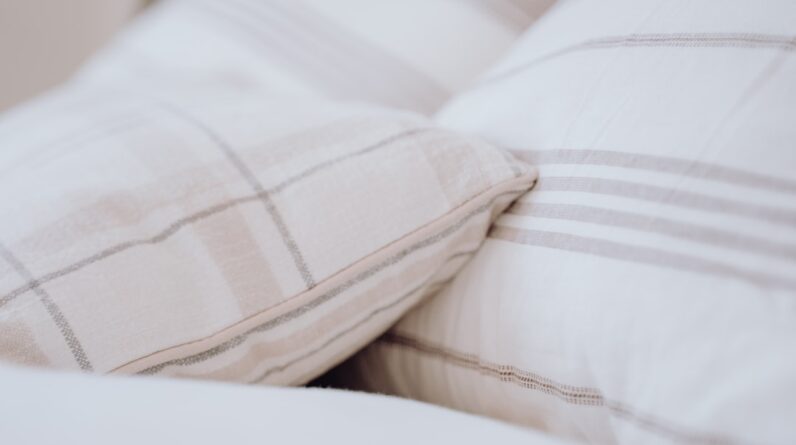
When selecting textiles for your home, consider incorporating various patterns—such as florals, checks, or stripes—that reflect the charm of rural France. Layering different fabrics through throw pillows, blankets, and curtains can create depth while allowing for personal expression within your decor. In addition to their aesthetic qualities, soft textiles also serve practical purposes by providing comfort during colder months or creating a sense of intimacy in larger spaces.
For instance, plush area rugs can anchor a room while adding warmth underfoot, making it an ideal spot for family gatherings or quiet evenings spent reading by the fire. Drapery made from light-filtering fabrics can soften harsh sunlight while maintaining an airy feel throughout your home. By thoughtfully incorporating soft and romantic textiles into your French Country design scheme, you can cultivate an atmosphere that feels both cozy and inviting—a true reflection of the warmth found in traditional French country homes.
Infusing the Space with Provencal and Rustic Accents

Colors Inspired by the French Countryside
Provencal decor often features vibrant colors inspired by local landscapes—think sunflowers swaying in golden fields or lavender blooming against azure skies. Incorporating these colors through decorative accents such as pottery, artwork, or even painted furniture can breathe life into your home while paying homage to its origins.
Rustic Accents for an Authentic Touch
Additionally, rustic accents like wrought iron candle holders or wooden crates can add an authentic touch that enhances the overall aesthetic. These elements can bring a sense of history and tradition to your space, making it feel more connected to the French countryside.
Traditional Craftsmanship and Unique Pieces
Beyond color choices, consider incorporating elements that reflect traditional craftsmanship found in Provence. Handcrafted items such as woven baskets or artisanal ceramics not only serve functional purposes but also add character to your decor. These unique pieces can act as conversation starters while showcasing your appreciation for artistry and heritage. By thoughtfully selecting Provencal and rustic accents for your home, you can create an environment that feels both timeless and deeply connected to its roots—a true celebration of French Country style.
Creating a Welcoming and Inviting Ambiance with French Country Interior Design
Ultimately, the goal of French Country interior design is to create a welcoming ambiance that invites family and friends to gather together in comfort. This style emphasizes warmth through thoughtful layout choices—such as open floor plans that encourage interaction—and carefully curated decor that reflects personal taste while honoring tradition. Incorporating elements like cozy seating arrangements around a fireplace or dining areas designed for shared meals fosters connection among loved ones while creating lasting memories within your home.
Lighting also plays a crucial role in establishing an inviting atmosphere; consider using soft ambient lighting through chandeliers or table lamps with warm-toned bulbs to create a cozy glow during evening gatherings. Natural light should be maximized wherever possible—large windows adorned with light-filtering drapes allow sunlight to pour in while maintaining privacy during intimate moments spent indoors. By focusing on these key aspects—layout choices, lighting considerations, and curated decor—you can cultivate an environment that embodies the spirit of French Country interior design: one that feels like home—a place where laughter echoes through hallways and cherished memories are made around every corner.
FAQs
What is interior design style?
Interior design style refers to a specific aesthetic and atmosphere that is created within a space through the use of furniture, decor, color schemes, and layout. Different interior design styles can evoke different moods and reflect different cultural influences.
What are some popular interior design styles?
Some popular interior design styles include modern, minimalist, traditional, industrial, Scandinavian, bohemian, farmhouse, and mid-century modern. Each style has its own unique characteristics and elements that define it.
How do I choose the right interior design style for my space?
When choosing an interior design style for your space, consider your personal preferences, the function of the space, and the architectural features of the room. It’s also helpful to gather inspiration from magazines, websites, and social media to get a sense of what styles resonate with you.
What are some key elements of interior design style?
Key elements of interior design style include furniture selection, color palette, lighting, textiles, and accessories. These elements work together to create a cohesive and harmonious look within a space.
Can I mix different interior design styles in one space?
Yes, it is possible to mix different interior design styles in one space to create a unique and eclectic look. However, it’s important to ensure that the different styles complement each other and create a cohesive overall aesthetic. This can be achieved through careful selection and placement of furniture and decor.