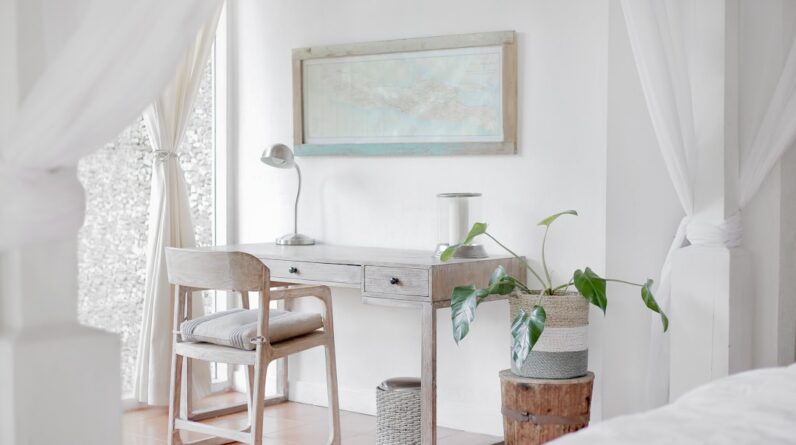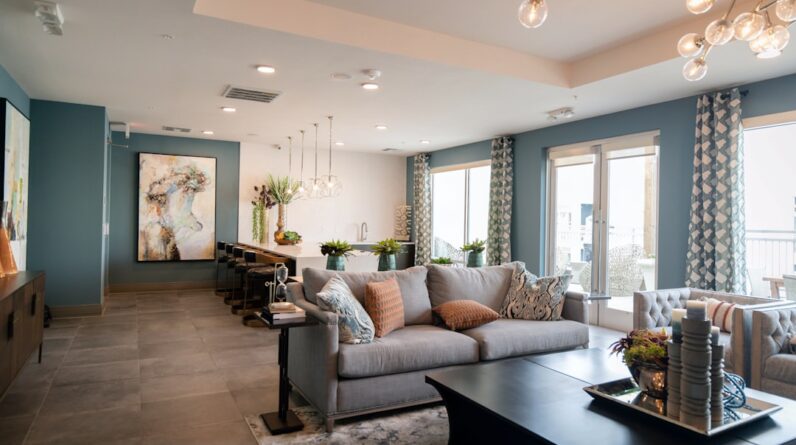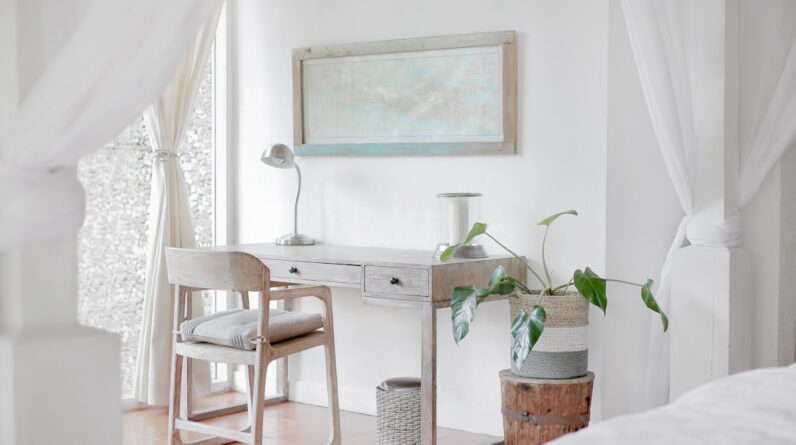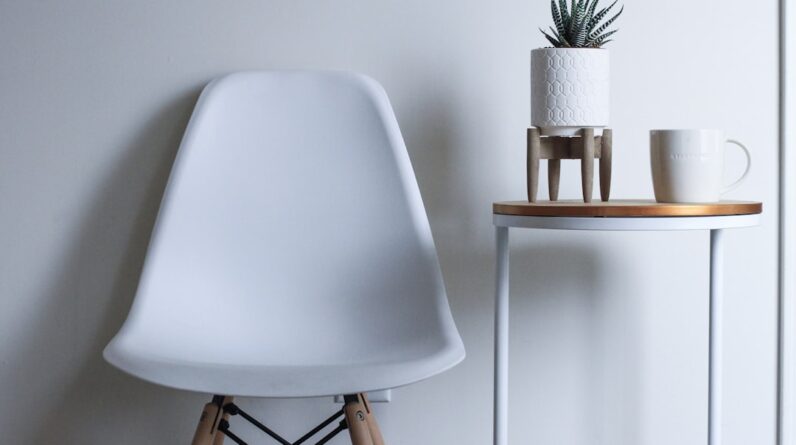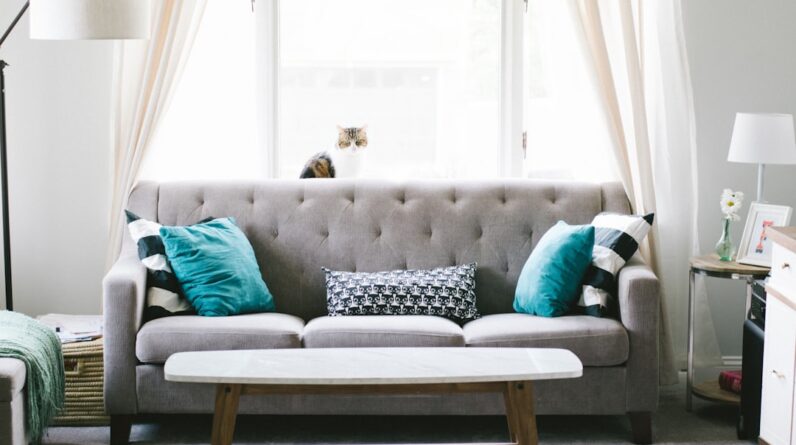
The color scheme of a room serves as the foundation upon which the entire aesthetic is built. It is essential to select hues that not only resonate with your personal style but also harmonize with the intended function of the space. For instance, soft pastels can evoke a sense of tranquility, making them ideal for bedrooms or relaxation areas, while vibrant colors can energize a living room or workspace.
When choosing a color palette, consider the psychological effects of colors; blues and greens are often associated with calmness and serenity, while reds and yellows can stimulate energy and creativity. Additionally, it is wise to think about the natural light that enters the room, as this can significantly alter how colors appear throughout the day. A color that looks stunning in the morning light may take on a completely different character in the evening.
Moreover, the interplay between colors can create depth and interest within a space. A well-thought-out color scheme often incorporates a primary color, complemented by secondary and accent colors that enhance its vibrancy. For example, a neutral base can be enlivened with bold accent colors through accessories or artwork, creating a balanced yet dynamic environment.
It is also beneficial to consider the flow between rooms; a cohesive color scheme throughout your home can create a sense of unity and continuity. By thoughtfully selecting your colors, you can transform any area into a reflection of your personality while ensuring it remains functional and inviting.
Key Takeaways
- Choose a color scheme that reflects your personal style and complements the function of the space.
- Select furniture that is both functional and visually appealing, considering the size and layout of the room.
- Incorporate statement pieces such as artwork or unique furniture to add personality to the space.
- Utilize lighting to create ambiance and highlight key areas of the room.
- Add texture and patterns through rugs, pillows, and curtains to create visual interest and depth in the space.
- Create a focal point in the room, such as a fireplace or a piece of furniture, to draw attention and anchor the space.
- Personalize the space with accessories that reflect your interests and add a personal touch to the room.
Selecting the Perfect Furniture
Measuring Your Space
Measuring your space before making any purchases is vital. This ensures that the furniture you choose fits comfortably in the room, avoiding a cramped or uninviting atmosphere.
Functionality and Purpose
Think about how you intend to use the space. For example, if you frequently entertain guests, investing in ample seating options and versatile tables can enhance both comfort and functionality. The material and style of furniture play significant roles in establishing the overall ambiance of a room.
Creating Harmony
The choice of materials, such as wood, metal, or fabric, can convey different moods and themes. Consider how your furniture choices will interact with other elements in the room, such as color schemes and textures. A well-curated selection of furniture not only enhances the visual appeal but also ensures that your space remains practical and enjoyable for everyday use.
Incorporating Statement Pieces

Statement pieces are the jewels of interior design; they draw attention and serve as focal points that can elevate an entire room’s aesthetic. These standout items can range from oversized artwork to unique furniture or even bold lighting fixtures. The key to successfully incorporating statement pieces lies in their placement and context within the overall design scheme.
For instance, a large abstract painting can serve as a captivating backdrop for a minimalist living room, while an intricately designed coffee table can become a conversation starter in a cozy den. When selecting statement pieces, it is essential to ensure they resonate with your personal style while also complementing the existing decor. Moreover, statement pieces should be used judiciously to avoid overwhelming the space.
A well-placed statement item can create balance and harmony, while too many competing elements may lead to visual chaos. Consider using one or two statement pieces per room to maintain focus and clarity in your design. Additionally, think about how these items can be integrated with other elements in the space; for example, using complementary colors or textures can enhance their impact without detracting from their uniqueness.
Ultimately, incorporating statement pieces allows you to infuse your personality into your home while creating an environment that feels curated and intentional.
Utilizing Lighting to Create Ambiance
| Lighting Type | Effect | Example |
|---|---|---|
| Chandeliers | Elegant and formal ambiance | Crystal chandelier in a dining room |
| String Lights | Cozy and romantic atmosphere | String lights on a patio |
| Spotlights | Dramatic and focused lighting | Spotlights on artwork in a gallery |
| Candles | Soft and intimate glow | Candles on a dinner table |
Lighting is often an overlooked element in interior design, yet it plays a crucial role in shaping the mood and functionality of a space. The right lighting can transform an ordinary room into an inviting sanctuary or an energetic workspace. To achieve this effect, it is essential to layer different types of lighting: ambient, task, and accent lighting all serve distinct purposes that contribute to the overall atmosphere.
Ambient lighting provides general illumination, while task lighting focuses on specific areas where activities such as reading or cooking take place. Accent lighting highlights particular features or decor elements, adding depth and interest to the room. In addition to functionality, the choice of light fixtures can significantly influence the aesthetic appeal of your space.
From sleek modern pendants to ornate chandeliers, lighting fixtures can serve as decorative elements that enhance your design theme. Furthermore, consider incorporating dimmers or smart lighting solutions that allow you to adjust brightness levels according to different times of day or activities. This flexibility not only enhances comfort but also allows you to create various moods within the same space.
By thoughtfully utilizing lighting, you can craft an ambiance that reflects your lifestyle while ensuring that each area serves its intended purpose effectively.
Adding Texture and Patterns
Texture and patterns are vital components in creating visual interest within any interior space. They add depth and dimension, transforming flat surfaces into dynamic environments that engage the senses. Incorporating various textures—such as smooth glass, rough wood, soft fabrics, or metallic finishes—can create a tactile experience that invites interaction.
For instance, layering textiles like throw pillows, blankets, and rugs can soften a room’s appearance while providing comfort and warmth. Similarly, mixing materials like leather with natural fibers can create an intriguing contrast that enhances the overall design. Patterns also play an essential role in defining a space’s character.
Whether through wallpaper, upholstery, or decorative accessories, patterns can convey themes ranging from playful to sophisticated. When integrating patterns into your design scheme, it is crucial to strike a balance; too many competing patterns can lead to visual clutter while too few may render the space uninspired. A good rule of thumb is to choose one dominant pattern and complement it with smaller-scale designs that echo its colors or motifs.
By thoughtfully adding texture and patterns to your decor, you can create an engaging environment that reflects your unique style while remaining cohesive.
Creating a Focal Point
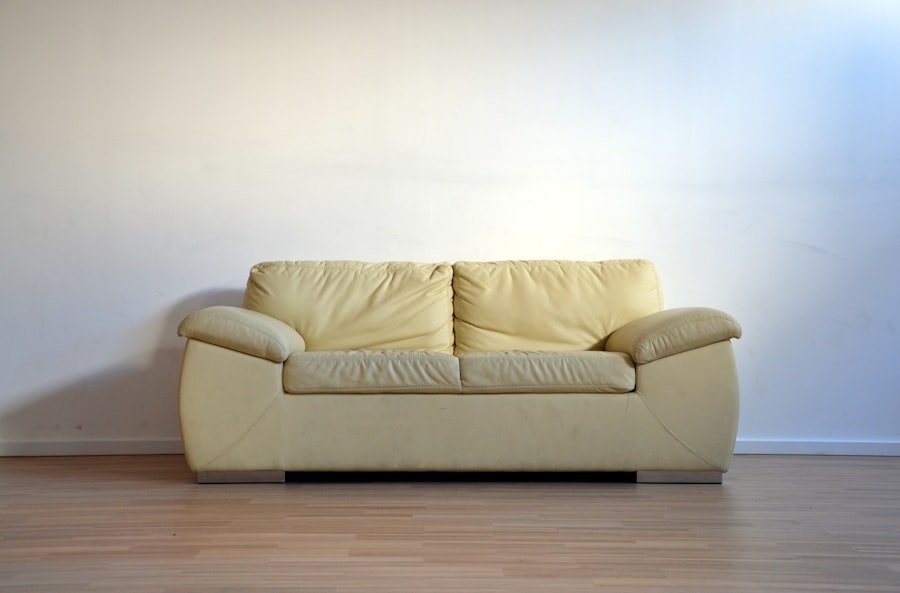
Creating an Effective Focal Point
The key to creating an effective focal point lies in its prominence within the space; it should be easily identifiable yet harmoniously integrated with surrounding elements. For example, if you choose an artwork as your focal point, consider how it interacts with furniture placement and color schemes to ensure it stands out without feeling isolated.
Enhancing Functionality and Social Interaction
In addition to visual appeal, a well-defined focal point can enhance the functionality of a room by directing traffic flow and encouraging social interaction. In living spaces, arranging seating around a focal point fosters conversation and connection among occupants. Similarly, in dining areas, positioning the table in relation to an eye-catching chandelier or centerpiece creates an inviting atmosphere for gatherings.
Cultivating an Engaging Environment
Ultimately, by thoughtfully creating a focal point within your design scheme, you not only enhance visual interest but also cultivate an environment that encourages engagement and connection.
Personalizing the Space with Accessories
Accessories are the finishing touches that breathe life into any interior design project; they allow you to infuse your personality into your home while reflecting your unique tastes and experiences. From decorative pillows and throws to artwork and personal mementos, accessories provide opportunities for self-expression that go beyond basic furnishings. When selecting accessories, consider items that resonate with you personally—whether they are souvenirs from travels or family heirlooms—these elements tell your story and make your space feel truly yours.
Moreover, accessories offer versatility in design; they can be easily swapped out or rearranged to refresh a room’s look without requiring significant investment or effort. This adaptability allows you to experiment with different styles or seasonal themes over time. For instance, changing out throw pillows or adding seasonal decor can instantly transform a space from cozy winter warmth to bright summer cheer.
Additionally, layering accessories—such as combining various sizes of decorative objects on shelves or tables—can create visual interest while maintaining balance within the overall design scheme. By thoughtfully personalizing your space with accessories, you create an environment that feels welcoming and reflective of who you are at every turn.
FAQs
What are some key interior design tips for a living room?
Some key interior design tips for a living room include choosing a focal point, selecting the right furniture arrangement, incorporating proper lighting, adding personal touches, and utilizing the right color scheme.
How can I choose the right furniture arrangement for my living room?
To choose the right furniture arrangement for your living room, consider the size and shape of the room, the traffic flow, and the focal point. It’s important to create a balanced and functional layout that allows for easy movement and conversation.
What are some popular color schemes for living rooms?
Some popular color schemes for living rooms include neutral tones such as white, beige, and gray, as well as bold and vibrant colors like navy blue, emerald green, and mustard yellow. It’s important to choose a color scheme that reflects your personal style and complements the overall aesthetic of the room.
How can I incorporate personal touches into my living room design?
You can incorporate personal touches into your living room design by displaying meaningful artwork, photographs, and decorative items that reflect your personality and interests. Additionally, you can add personal touches through the use of unique textiles, such as throw pillows and blankets, and by incorporating items with sentimental value.
What are some tips for selecting the right lighting for a living room?
When selecting the right lighting for a living room, consider incorporating a mix of ambient, task, and accent lighting to create a well-lit and inviting space. Additionally, consider the natural light in the room and choose window treatments that allow for flexibility in controlling the amount of light.
How can I create a focal point in my living room?
You can create a focal point in your living room by highlighting a prominent feature, such as a fireplace, a piece of artwork, or a statement piece of furniture. By drawing attention to a focal point, you can anchor the room and create a visually appealing centerpiece.