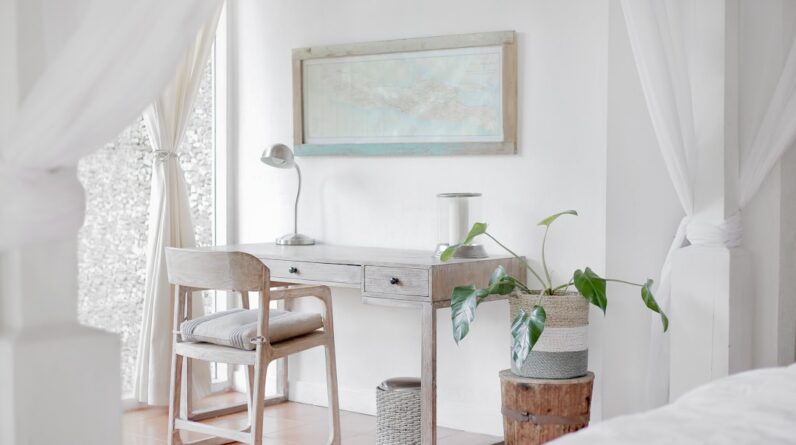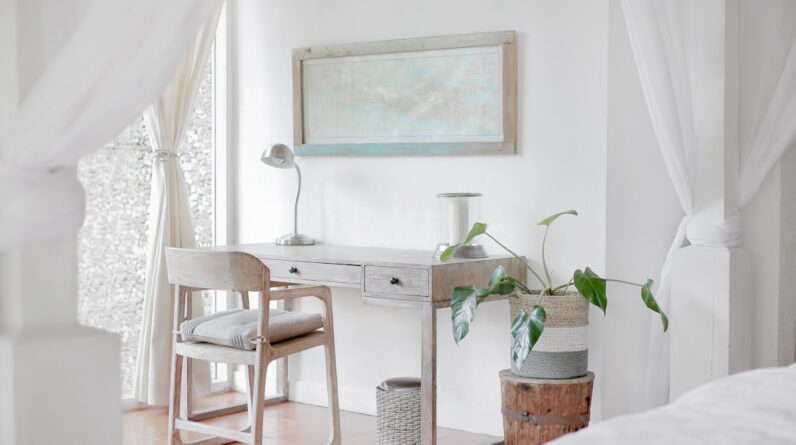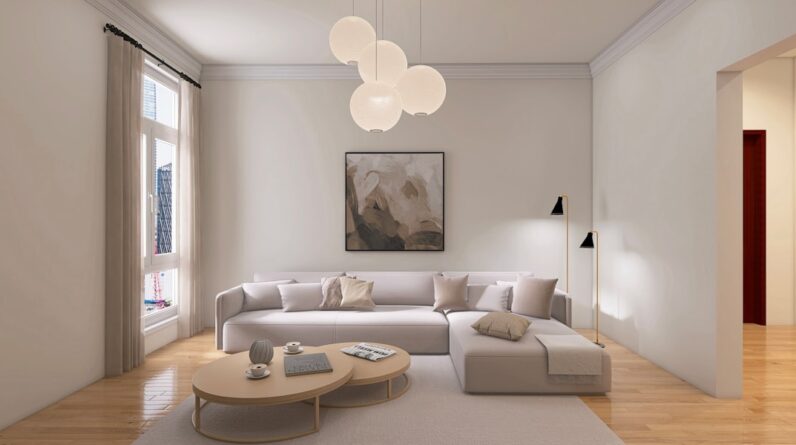
Before embarking on any interior design project, it is crucial to develop a comprehensive understanding of the space at hand. This involves not only measuring the dimensions of the room but also considering its architectural features, natural light sources, and overall layout. Each space has its unique characteristics that can either enhance or hinder the design process.
For instance, a room with large windows may benefit from lighter colors and airy fabrics to accentuate the brightness, while a smaller, dimly lit area might require strategic use of mirrors and lighter hues to create an illusion of spaciousness. Additionally, understanding the purpose of the space is paramount; whether it is a cozy reading nook, a vibrant family room, or a serene bedroom, each function will dictate different design choices. Moreover, it is essential to consider the flow of the space in relation to adjacent areas.
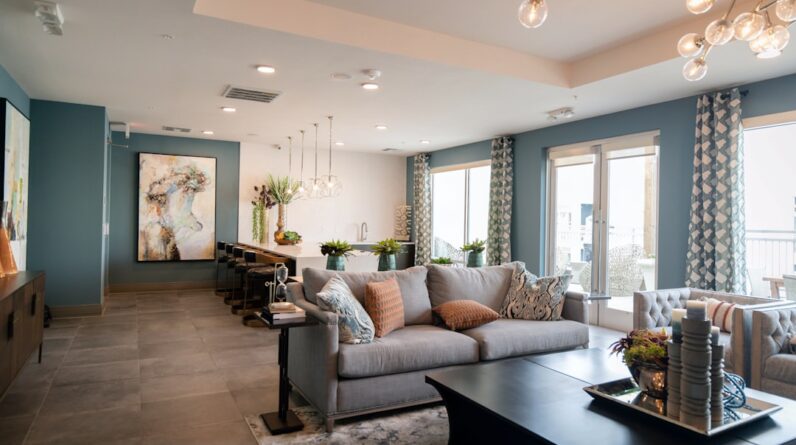
An open-concept living area should seamlessly transition into the dining space, while a more compartmentalized layout may require careful planning to ensure that each room feels cohesive yet distinct. This understanding of spatial dynamics can significantly influence how one approaches the design process. For example, if a room is particularly long and narrow, one might opt for furniture arrangements that encourage conversation and connection rather than isolating individuals at opposite ends.
By taking the time to thoroughly assess and understand the space, designers can create environments that are not only aesthetically pleasing but also functional and inviting.
Key Takeaways
- Understanding the space is crucial for successful interior design, taking into account the size, layout, and natural light.
- Choosing the right color palette can set the tone for the entire room, with considerations for the mood and functionality of the space.
- Selecting the perfect furniture involves finding pieces that are both stylish and functional, while also considering the scale and proportion within the room.
- Adding personal touches can make a space feel unique and inviting, such as incorporating meaningful artwork or sentimental items.
- Incorporating functional lighting is essential for creating a well-lit and comfortable environment, with a mix of ambient, task, and accent lighting.
Choosing the Right Color Palette
Warm Colors: Energy and Warmth
Warm colors like reds, oranges, and yellows can evoke feelings of warmth and energy, making them ideal for social spaces such as living rooms or kitchens.
Cool Colors: Calmness and Tranquility
In contrast, cooler colors like blues and greens tend to promote calmness and tranquility, making them suitable for bedrooms or relaxation areas. The psychological impact of color cannot be overstated; it can influence emotions and even affect behavior within a space.
Considering Lighting and Balance
In addition to considering the emotional effects of color, it is also important to think about how light interacts with different shades throughout the day. Natural light can dramatically alter the appearance of colors, making them appear brighter or duller depending on the time of day. Therefore, testing paint samples in various lighting conditions is essential before making a final decision. Furthermore, incorporating a mix of colors can add depth and interest to a room. A well-balanced palette might include a dominant color complemented by accent shades that highlight specific features or furnishings. By thoughtfully selecting a color palette that reflects personal style while also considering the space’s function and lighting, one can create an environment that feels harmonious and inviting.
Selecting the Perfect Furniture
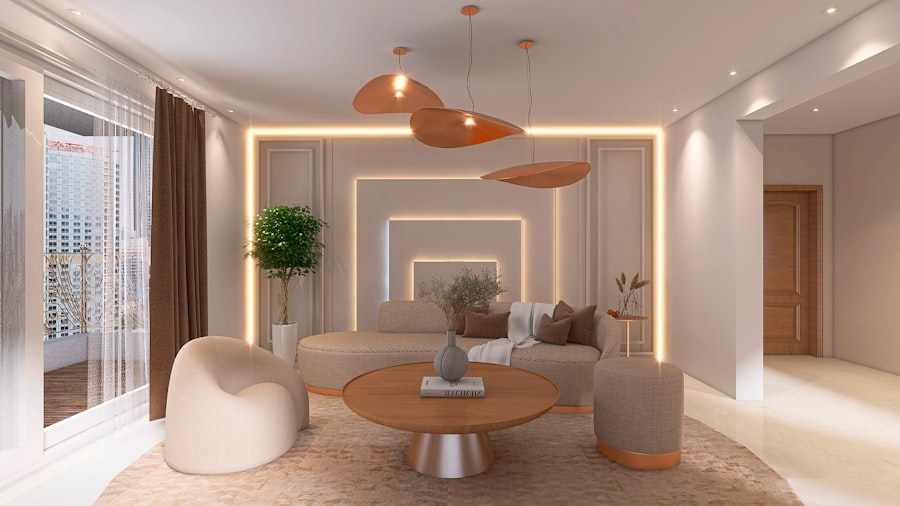
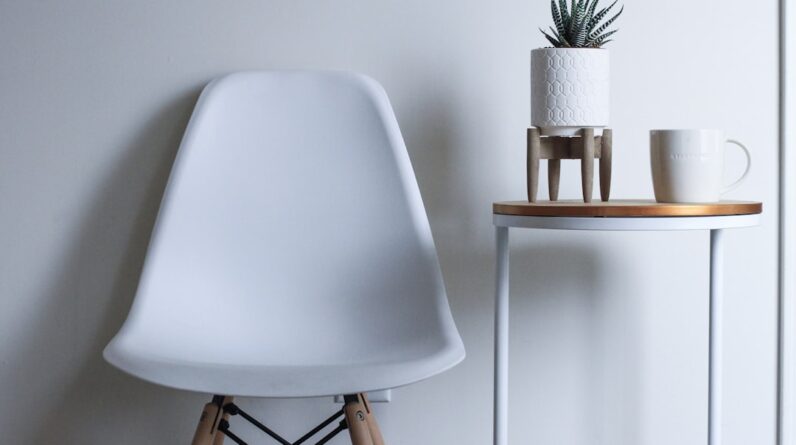
Choosing furniture is one of the most significant aspects of interior design, as it not only defines the functionality of a space but also contributes to its overall aesthetic. When selecting furniture, it is essential to consider both form and function; pieces should be comfortable and practical while also aligning with the desired style of the room. For instance, in a family-oriented space, durable materials that can withstand wear and tear are crucial, whereas a more formal setting may allow for delicate fabrics and intricate designs.
Additionally, scale is an important factor; oversized furniture in a small room can make the space feel cramped, while too-small pieces in a large area may lead to a disjointed appearance. Another critical consideration when selecting furniture is how each piece interacts with others within the space. A cohesive look can be achieved by choosing items that share similar design elements or color schemes.
For example, pairing a modern sofa with sleek accent chairs can create a contemporary vibe, while mixing vintage finds with modern pieces can result in an eclectic yet curated feel. It is also wise to think about versatility; furniture that serves multiple purposes—such as a coffee table with storage or a sofa bed—can maximize functionality without sacrificing style. Ultimately, selecting the perfect furniture requires a balance between personal taste and practical considerations, ensuring that each piece contributes positively to the overall design narrative.
Adding Personal Touches
| Personal Touch | Impact |
|---|---|
| Handwritten Thank You Notes | Increased customer satisfaction |
| Personalized Product Recommendations | Higher conversion rates |
| Customized Birthday Offers | Improved customer loyalty |
Incorporating personal touches into interior design is what transforms a house into a home. These elements reflect individual tastes, experiences, and memories, creating an environment that feels uniquely yours. Personal touches can take many forms, from family photographs displayed in stylish frames to cherished travel souvenirs artfully arranged on shelves.
Art plays a significant role in this aspect; selecting pieces that resonate emotionally can infuse a space with character and warmth. Whether it’s a bold painting that serves as a focal point or subtle prints that complement the overall decor, art can tell stories and evoke feelings that enhance the ambiance of any room. Additionally, textiles are an excellent way to introduce personal flair into your design scheme.
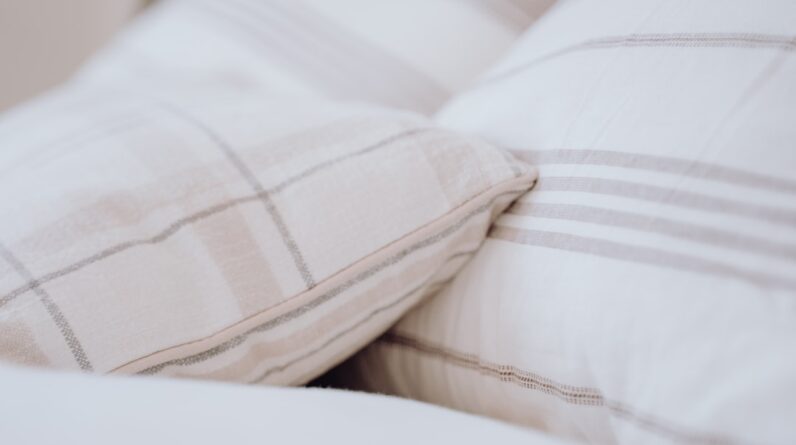
Throw pillows in vibrant patterns or cozy blankets draped over furniture can add layers of comfort and style while reflecting personal preferences. Handmade items or crafts can also serve as meaningful decor; they not only showcase creativity but also provide conversation starters for guests. Plants are another fantastic way to personalize a space; they bring life and vibrancy while allowing for customization based on individual tastes in greenery.
By thoughtfully integrating personal touches throughout your home, you create an inviting atmosphere that resonates with your identity and fosters a sense of belonging.
Incorporating Functional Lighting
Lighting is often an overlooked aspect of interior design, yet it plays a pivotal role in shaping the atmosphere of any space. Functional lighting goes beyond mere illumination; it enhances usability while contributing to the overall aesthetic appeal. A well-designed lighting plan incorporates various types of lighting—ambient, task, and accent—to create layers that cater to different activities within a room.
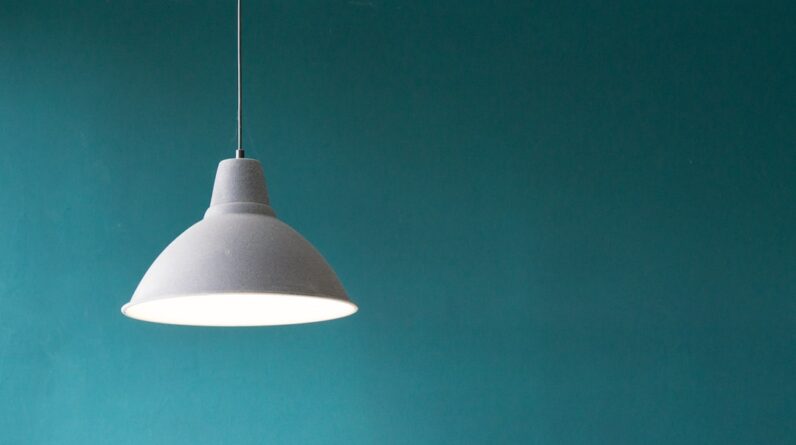
For instance, in a kitchen, bright overhead lights are essential for cooking tasks, while softer under-cabinet lighting can create an inviting ambiance for casual dining or entertaining guests. Moreover, the choice of light fixtures can significantly impact the style of a room. Statement chandeliers or pendant lights can serve as focal points in dining areas or entryways, while sleek recessed lighting may be more appropriate for modern spaces seeking minimalism.
Dimmers are another valuable addition; they allow for adjustable brightness levels depending on the time of day or occasion, providing flexibility in how a space is experienced. Additionally, incorporating natural light through strategically placed mirrors or sheer window treatments can enhance brightness during daylight hours while creating an open feel. By thoughtfully considering functional lighting options, one can elevate both the practicality and aesthetic appeal of any interior space.
Utilizing Textures and Patterns
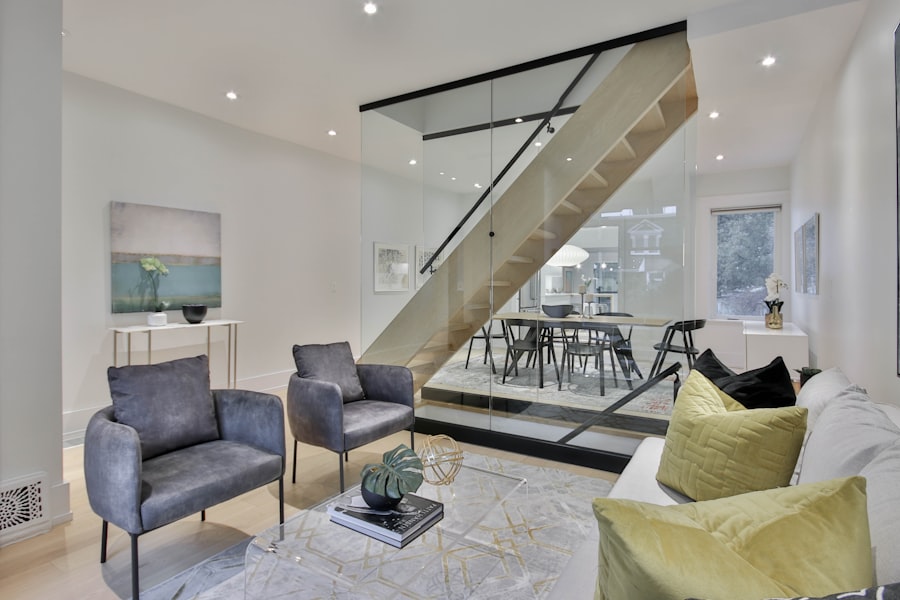
Introducing Textures through Materials
Textures can be introduced through various materials, each contributing its unique tactile quality to the environment. For instance, pairing smooth leather sofas with chunky knit throws creates an inviting contrast that encourages touch and interaction. Similarly, layering different textures within textiles, such as combining velvet cushions with linen curtains, can enhance comfort while adding visual intrigue.
The Role of Patterns in Defining a Space
Patterns play a crucial role in defining a space’s character, evoking specific styles or themes within a room. From bold geometric prints to delicate florals, patterns can add visual interest and personality to a space. However, it’s essential to strike a balance when incorporating patterns, as too many competing designs can create visual chaos rather than harmony.
Striking a Balance with Patterns and Accessories
A common approach to incorporating patterns is to select one dominant pattern for larger elements, such as area rugs or wallpaper, and then introduce smaller patterns through accessories like throw pillows or artwork. This method allows for cohesion while still celebrating diversity in design elements. By thoughtfully utilizing textures and patterns throughout your home, you can create an engaging environment that invites exploration and appreciation.
Creating a Harmonious Flow
Achieving a harmonious flow within an interior space is essential for creating an inviting atmosphere that feels cohesive and well-planned. This concept involves considering how each area connects with others—both visually and functionally—ensuring that transitions between spaces are seamless and intuitive. One effective way to establish flow is through consistent design elements such as color schemes or materials used throughout different rooms.
For instance, using similar hues in adjacent spaces can create visual continuity while allowing each area to maintain its unique character. Additionally, furniture arrangement plays a significant role in promoting flow within a space. Ensuring that pathways are clear and that furniture is arranged to facilitate conversation can enhance usability while contributing to an overall sense of harmony.
Open spaces should encourage movement between areas without obstruction, while more intimate settings may benefit from arrangements that foster connection among occupants. Incorporating elements like area rugs can also help define spaces within larger rooms while maintaining an overall sense of unity. By focusing on creating harmonious flow throughout your home, you cultivate an environment that feels balanced and welcoming—a true reflection of thoughtful design principles at work.
FAQs
What is interior design?
Interior design is the art and science of enhancing the interior of a space to achieve a healthier and more aesthetically pleasing environment for the people using the space.
What is room design?
Room design is the process of planning and decorating a specific room in a way that is both functional and visually appealing.
What are the key elements of interior design?
The key elements of interior design include space, line, forms, light, color, texture, and pattern.
What are some popular interior design styles?
Some popular interior design styles include modern, contemporary, traditional, industrial, Scandinavian, and minimalist.
What are some important considerations in room design?
Important considerations in room design include the room’s purpose, the available space, the desired atmosphere, and the budget for the project.
What are some common interior design mistakes to avoid?
Common interior design mistakes to avoid include overcrowding a space, ignoring the importance of lighting, neglecting the functionality of the space, and not considering the overall flow and balance of the room.