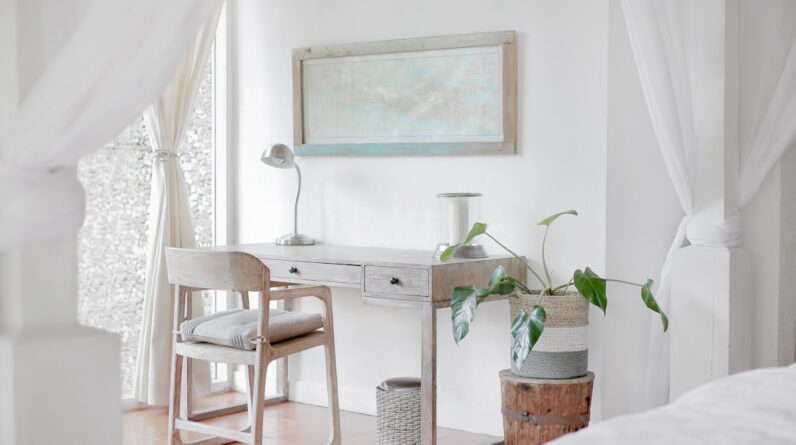
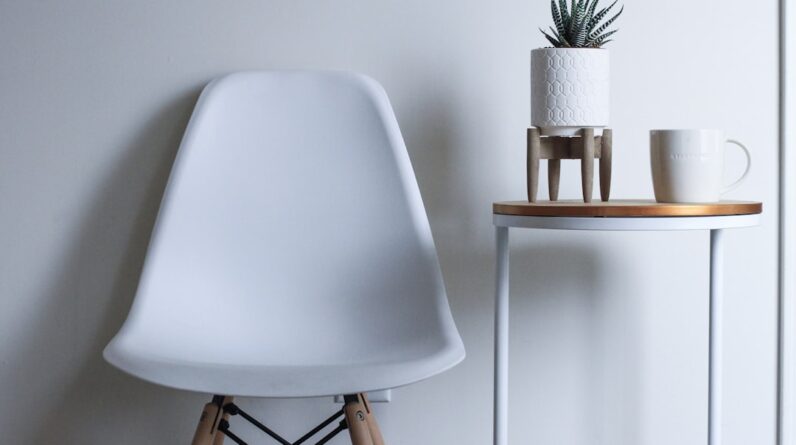
When it comes to interior design, the placement of art and decor is not merely an afterthought; it is a fundamental aspect that can significantly influence the overall ambiance of a space. You may find that the right piece of art, when positioned thoughtfully, can transform a room from ordinary to extraordinary. Art and decor serve as visual anchors, drawing the eye and creating a narrative within your environment.
They can evoke emotions, spark conversations, and even reflect your personality and values. Therefore, understanding the importance of placement is crucial for achieving a harmonious and inviting atmosphere. Moreover, the strategic placement of art and decor can enhance the functionality of a space.
For instance, a well-placed mirror can create an illusion of depth, making a small room feel more expansive. Similarly, artwork hung at eye level can create a more engaging experience for those who inhabit the space. You might also consider how different pieces interact with one another; a carefully curated gallery wall can tell a story or convey a theme that resonates with your personal style.
Ultimately, the thoughtful arrangement of art and decor not only beautifies your home but also enriches your daily life.
Key Takeaways
- Proper art and decor placement is crucial in interior design as it can enhance the overall aesthetic and atmosphere of a space.
- When choosing art and decor, consider the style, color, and size to ensure it complements the room’s design and creates a cohesive look.
- Creating a focal point with art and decor can draw attention and add visual interest to a room, serving as a centerpiece for the design.
- Incorporating different art styles and mediums can add depth and personality to a space, creating a dynamic and eclectic design.
- Scale and proportion play a significant role in art and decor placement, ensuring that pieces are appropriately sized for the space and balanced with other elements.
- Utilizing color theory in art and decor placement can evoke specific emotions and create a harmonious and visually appealing design.
- Balancing symmetry and asymmetry in design can create a sense of visual equilibrium and add intrigue to the overall composition.
- The impact of lighting on art and decor placement is significant, as it can enhance the visibility and impact of the pieces, as well as contribute to the overall ambiance of the space.
Tips for Choosing the Right Art and Decor for Your Space
Selecting the right art and decor for your space can be both exciting and daunting. To begin with, you should consider the overall theme and color palette of your room. You may want to choose pieces that complement or contrast with existing elements, such as furniture and textiles.
For instance, if your room features neutral tones, a vibrant piece of art can serve as a striking focal point. Conversely, if your decor is already bold and colorful, you might opt for more subdued artwork to create balance. Another essential factor to consider is the scale of the art and decor in relation to your space.
Large pieces can make a dramatic statement in expansive areas, while smaller items may be better suited for cozy nooks or shelves. You should also think about the emotional response you want to evoke. Do you prefer calming landscapes or energetic abstracts?
By aligning your choices with your personal preferences and the intended mood of the room, you can create a cohesive design that feels authentic to you.
How to Create a Focal Point with Art and Decor

Creating a focal point in a room is an effective way to draw attention and establish a sense of hierarchy within your design. You might start by identifying the most prominent wall or area in your space—this could be above a fireplace, behind a sofa, or at the end of a hallway. Once you’ve pinpointed this area, you can select an art piece or decor item that stands out.
A large canvas or an oversized sculpture can serve as an eye-catching centerpiece that anchors the room. In addition to size, consider the visual weight of your chosen focal point. A heavy, dark piece may require lighter elements around it to maintain balance, while a delicate artwork might benefit from bolder accents nearby.
You could also use lighting strategically to enhance your focal point; spotlighting or wall sconces can highlight your chosen piece and create an inviting atmosphere. By thoughtfully curating your focal point, you can guide the flow of movement within the space and encourage guests to engage with your design.
Incorporating Different Art Styles and Mediums into Your Design
Incorporating various art styles and mediums into your design can add depth and interest to your space. You may find that mixing contemporary pieces with vintage finds creates an eclectic yet cohesive look. Consider exploring different forms of art—paintings, photography, sculptures, textiles, and even functional art like decorative furniture can all contribute to a rich visual tapestry.
By diversifying your collection, you can create layers of texture and meaning that resonate with your personal aesthetic. When blending different styles, it’s essential to maintain some common threads to ensure harmony within the design. This could be achieved through color coordination or thematic elements that tie disparate pieces together.
For example, if you have a modern painting with bold colors, you might choose decor items in similar hues or shapes to create continuity. You should also pay attention to how different mediums interact; for instance, pairing a sleek metal sculpture with soft textiles can create an engaging contrast that enhances the overall design.
The Role of Scale and Proportion in Art and Decor Placement
Scale and proportion are critical considerations when placing art and decor in your space. You may have noticed that certain pieces feel out of place when they are either too large or too small for their surroundings. To achieve visual harmony, it’s important to assess the dimensions of both the artwork and the area where it will be displayed.
A large canvas may dominate a small room, while tiny prints could get lost on expansive walls. Striking the right balance will ensure that each piece complements its environment rather than overwhelming it. Additionally, consider how different elements relate to one another in terms of proportion.
For example, if you have a large piece of furniture, you might want to select artwork that is equally substantial to maintain balance. Conversely, if your decor is minimalistic, smaller art pieces can enhance the simplicity without detracting from the overall aesthetic. By being mindful of scale and proportion, you can create a visually appealing arrangement that feels intentional and well thought out.
Utilizing Color Theory in Art and Decor Placement

Color theory plays a significant role in interior design, influencing mood and perception within a space. When selecting art and decor, you should consider how colors interact with one another and how they affect the overall atmosphere of your room. You might choose complementary colors to create vibrancy or analogous colors for a more harmonious feel.
Understanding color relationships can help you curate a collection that enhances your design vision. Furthermore, consider how color can be used strategically to guide attention within your space. A bold piece of art in a bright hue can draw the eye immediately upon entering a room, while softer tones may create a calming effect in more intimate settings.
You could also use color to define different areas within an open floor plan; for instance, using warm tones in one section and cool tones in another can help delineate spaces while maintaining cohesion throughout your home.
Balancing Symmetry and Asymmetry in Your Design
Achieving balance in your interior design is essential for creating a visually appealing environment. You may find that incorporating both symmetry and asymmetry can add interest while maintaining harmony within your space. Symmetrical arrangements often evoke feelings of order and stability; for example, placing identical pieces of art on either side of a fireplace creates a sense of balance that is pleasing to the eye.
On the other hand, asymmetrical designs can introduce dynamism and energy into a room. By varying the sizes and shapes of your art and decor while still maintaining visual balance, you can create an engaging composition that feels lively yet cohesive. For instance, you might arrange several smaller pieces around a larger artwork to create an asymmetrical gallery wall that draws attention without feeling chaotic.
By thoughtfully balancing these two approaches, you can craft an environment that feels both inviting and visually stimulating.
The Impact of Lighting on Art and Decor Placement
Lighting is one of the most crucial elements in showcasing art and decor effectively. You may have noticed how different lighting conditions can dramatically alter the perception of colors and textures within your space. Natural light can enhance vibrant hues during the day, while artificial lighting can create warmth or drama in the evening hours.
When planning your art placement, consider how light interacts with each piece throughout the day. You should also think about using various types of lighting to highlight specific artworks or decor items. Track lighting or picture lights can draw attention to key pieces on display, while ambient lighting sets the overall mood for the room.
Additionally, consider how shadows play into your design; strategically placed lights can create depth and dimension that enhances the visual impact of your art collection. By understanding the role of lighting in your interior design, you can elevate your space and ensure that each piece is showcased to its fullest potential.
FAQs
What is interior design art and decor placement?
Interior design art and decor placement refers to the strategic arrangement of artwork, decorative items, and furniture within a space to create a visually appealing and functional environment.
Why is art and decor placement important in interior design?
Art and decor placement is important in interior design because it can enhance the overall aesthetic of a space, create a sense of balance and harmony, and reflect the personality and style of the occupants.
What are some tips for art and decor placement in interior design?
Some tips for art and decor placement in interior design include considering the scale and proportion of the items, creating focal points, using the rule of thirds, and paying attention to the flow and movement within the space.
How can art and decor placement impact the mood of a room?
Art and decor placement can impact the mood of a room by influencing the visual dynamics, creating a sense of tranquility or energy, and evoking specific emotions through the use of color, texture, and composition.
What are some common mistakes to avoid in art and decor placement?
Common mistakes to avoid in art and decor placement include overcrowding the space with too many items, neglecting the importance of lighting, ignoring the scale and proportion of the items, and failing to consider the function of the space.