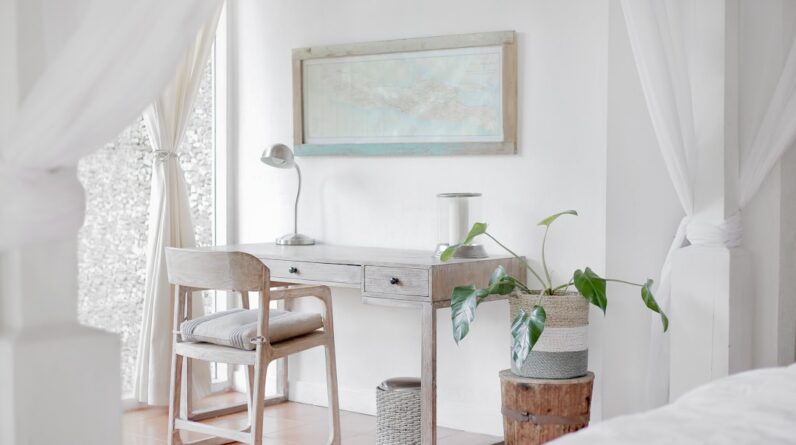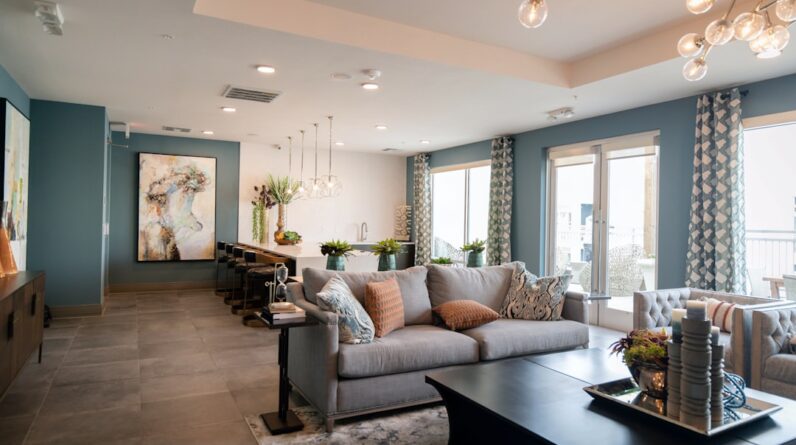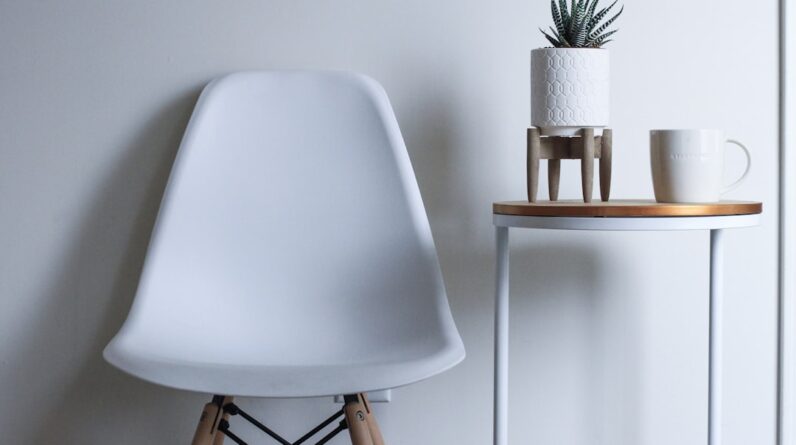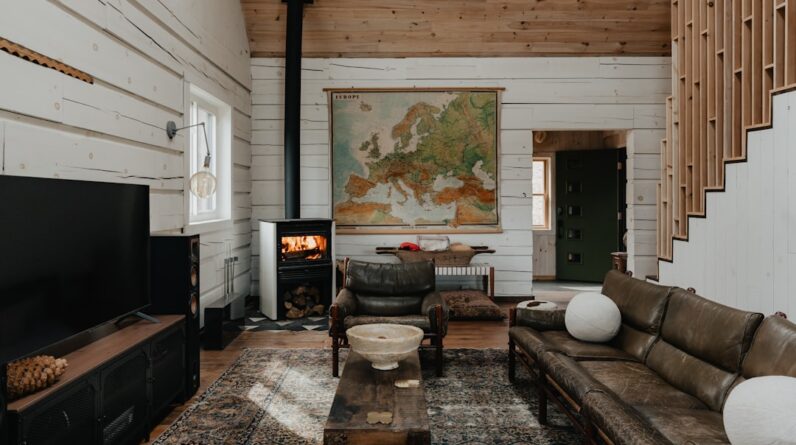
Home staging plays a pivotal role in the realm of interior design, particularly when it comes to selling a property. You may not realize it, but the way a home is presented can significantly influence potential buyers’ perceptions and decisions. When you stage a home, you are essentially creating a narrative that allows prospective buyers to envision themselves living in the space.
This emotional connection can be the difference between a quick sale and a property that lingers on the market for months. By highlighting the best features of your home and minimizing any flaws, you can create an inviting atmosphere that resonates with buyers. Moreover, home staging is not just about aesthetics; it also involves strategic planning.
You need to consider the layout, flow, and functionality of each room. When you stage your home effectively, you are not only showcasing its beauty but also its practicality. This dual approach can help buyers see the potential of the space, making them more likely to make an offer.
In a competitive real estate market, where first impressions matter immensely, staging your home can give you a significant edge over other listings.
Key Takeaways
- Home staging is important in interior design as it helps to showcase the potential of a space and make it more appealing to potential buyers or renters.
- Creating an inviting and welcoming atmosphere involves using warm colors, comfortable furniture, and adding personal touches to make the space feel lived-in.
- Choosing the right furniture and decor for home staging involves selecting pieces that are appropriately sized for the space and complement the overall style and theme.
- Maximizing space and functionality in home staging can be achieved by using multi-functional furniture, clever storage solutions, and keeping the layout open and uncluttered.
- The impact of color and lighting in home staging is significant, as it can affect the mood and perception of a space, with neutral colors and ample natural light being preferred.
How to Create an Inviting and Welcoming Atmosphere
Creating an inviting and welcoming atmosphere in your home is essential for effective staging. You want potential buyers to feel at ease as soon as they step through the door. One of the simplest ways to achieve this is by decluttering your space.
You should remove personal items, excess furniture, and any unnecessary decor that may distract from the home’s features. A clean and organized environment allows buyers to focus on the space itself rather than your personal belongings. In addition to decluttering, consider incorporating warm and neutral colors into your staging efforts.
Soft hues can create a calming effect, making rooms feel more spacious and inviting. You might also want to add some fresh flowers or plants to breathe life into the space. Natural elements can enhance the overall ambiance and make the home feel more lived-in and welcoming.
Remember, the goal is to create an environment where potential buyers can easily imagine themselves enjoying their new home.
Choosing the Right Furniture and Decor for Home Staging
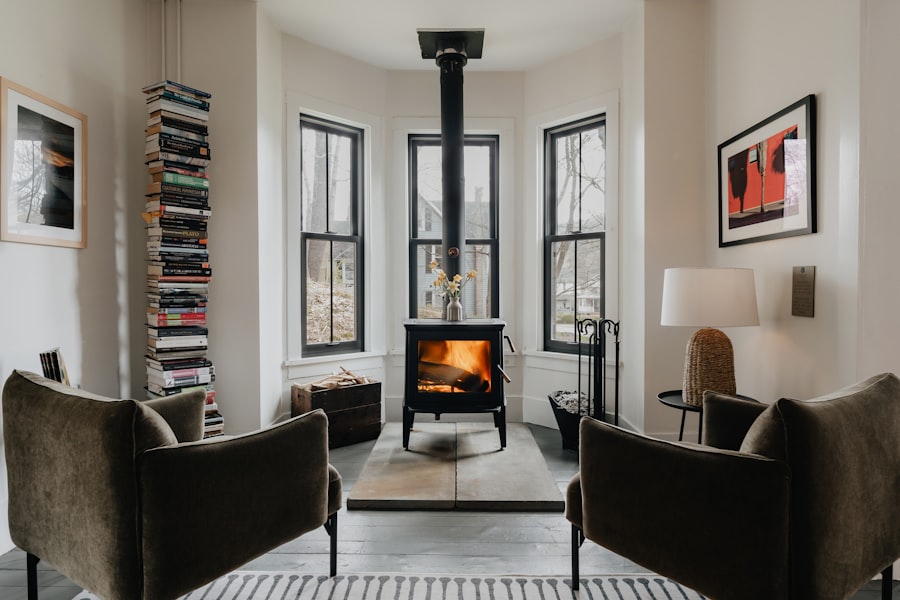
Selecting the right furniture and decor is crucial when staging your home. You want to choose pieces that complement the style of your property while also appealing to a broad audience. When selecting furniture, opt for items that are appropriately scaled for each room.
Oversized furniture can make a space feel cramped, while too-small pieces may not provide enough comfort or functionality. Aim for a balanced arrangement that highlights the room’s best features. In terms of decor, less is often more.
You should focus on a few key decorative elements that enhance the overall aesthetic without overwhelming the space. Consider using mirrors to create an illusion of depth and light, or artwork that reflects the character of the home. Additionally, incorporating textiles such as throw pillows or area rugs can add warmth and texture, making the space feel more inviting.
Ultimately, your goal is to create a cohesive look that resonates with potential buyers while showcasing the unique charm of your home.
Maximizing Space and Functionality in Home Staging
Maximizing space and functionality is another critical aspect of home staging that you should prioritize. Buyers are often looking for homes that not only look good but also serve their needs effectively. To achieve this, you should assess each room’s layout and consider how it can be optimized for better flow and usability.
For instance, rearranging furniture to create clear pathways can make a room feel more open and accessible. You might also want to highlight any built-in storage solutions or multifunctional furniture pieces that can enhance the home’s appeal. Showcasing how spaces can be utilized efficiently will resonate with buyers who value practicality in their living environments.
Additionally, consider creating designated areas within larger rooms, such as a reading nook or a small workspace, to demonstrate how versatile the space can be. By emphasizing both space and functionality, you can help potential buyers envision how they would live in your home.
The Impact of Color and Lighting in Home Staging
Color and lighting are two powerful tools in home staging that can dramatically influence a buyer’s perception of a space. The right color palette can evoke specific emotions and set the tone for each room. You should consider using soft, neutral colors on walls to create a blank canvas that allows buyers to imagine their own style within the space.
Accents of bolder colors can be introduced through decor items like cushions or artwork, adding personality without overwhelming the overall aesthetic. Lighting is equally important in creating an inviting atmosphere. Natural light should be maximized wherever possible; open curtains and blinds to let sunlight flood in during showings.
If natural light is limited, consider using warm artificial lighting to create a cozy ambiance. Layering different types of lighting—ambient, task, and accent—can also enhance the overall feel of each room. By thoughtfully considering color and lighting, you can create an environment that feels both welcoming and stylish.
Incorporating Trends and Styles in Home Staging
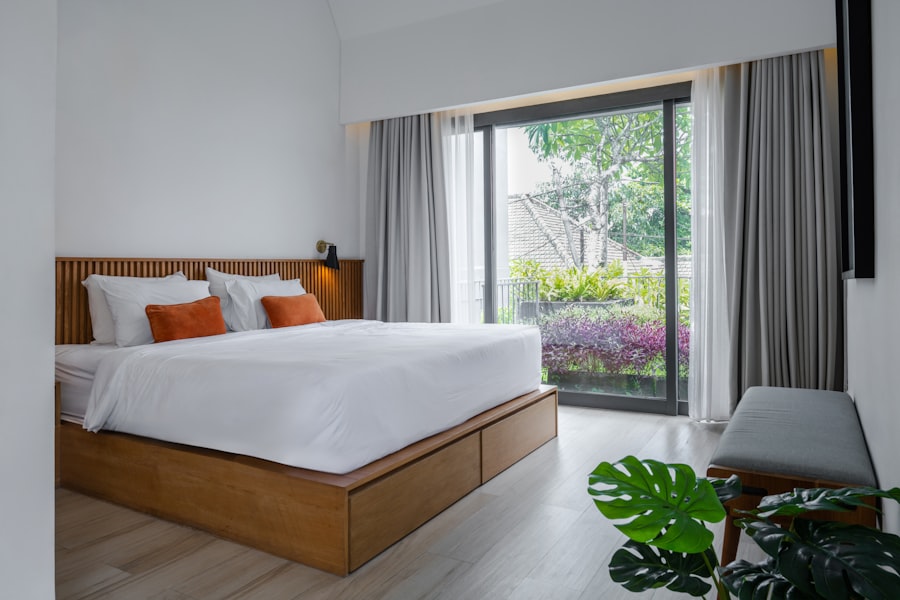
Timeless Meets Trendy
For instance, open floor plans and minimalist decor are popular trends that many buyers appreciate for their modern appeal. You might also consider integrating sustainable or eco-friendly elements into your staging efforts, as these features are increasingly sought after by environmentally conscious buyers. This could include using reclaimed materials or energy-efficient appliances in your staging setup.
Appealing to a Wide Audience
While it’s important to stay on-trend, remember that your primary goal is to create a space that feels comfortable and inviting for all potential buyers.
Striking the Right Balance
By incorporating trendy elements in a way that still feels timeless, you can create a space that appeals to a wide range of buyers. This balance is key to successful home staging.
Tips for DIY Home Staging on a Budget
If you’re looking to stage your home without breaking the bank, there are several DIY strategies you can employ to achieve impressive results on a budget. Start by decluttering your space; this is often free and can make a significant difference in how your home appears. You should also consider rearranging existing furniture rather than purchasing new pieces—sometimes simply changing the layout can breathe new life into a room.
Another cost-effective approach is to shop your own home for decor items that can be repurposed or refreshed. A fresh coat of paint on walls or furniture can dramatically change the look of a space without requiring a large investment. Additionally, consider borrowing items from friends or family members who have stylish decor pieces that could enhance your staging efforts.
With creativity and resourcefulness, you can stage your home beautifully without spending a fortune.
Working with a Professional Home Stager for the Best Results
While DIY staging can be effective, working with a professional home stager may yield even better results, especially if you’re looking for a quick sale or have a larger property to stage. Professional stagers bring expertise and experience to the table, allowing them to identify what works best for your specific space and target market. They have access to resources and furnishings that may not be readily available to you, which can elevate your home’s presentation significantly.
When collaborating with a professional stager, be open to their suggestions and insights; they understand market trends and buyer preferences better than most homeowners do. A well-staged home can lead to faster sales at higher prices, making it a worthwhile investment if you’re serious about selling your property. Ultimately, whether you choose to stage your home yourself or enlist professional help, remember that effective staging is about creating an environment where potential buyers can envision themselves living happily ever after in their new home.
FAQs
What is interior design home staging?
Interior design home staging is the process of preparing a home for sale by enhancing its appeal to potential buyers. This involves arranging furniture, decor, and other elements to showcase the home’s best features and create a welcoming atmosphere.
What is the goal of interior design home staging?
The goal of interior design home staging is to make the home more attractive to potential buyers, ultimately leading to a quicker sale at a higher price. By creating a visually appealing and inviting space, staging can help buyers envision themselves living in the home.
What are the benefits of interior design home staging?
Some of the benefits of interior design home staging include a faster sale, a higher selling price, and a competitive edge in the real estate market. Staged homes often stand out and make a positive impression on potential buyers.
How is interior design home staging different from interior design?
While both interior design and home staging involve creating visually appealing spaces, the primary difference is the purpose. Interior design focuses on creating a personalized and functional living space for the homeowner, while home staging is specifically geared towards making a home more appealing to potential buyers.
Do I need to hire a professional for interior design home staging?
While it is possible to stage a home on your own, many homeowners choose to hire a professional interior designer or home stager to ensure the best results. A professional can provide expertise in creating a cohesive and appealing look that will resonate with potential buyers.