When you think about interior design, your mind may immediately gravitate toward aesthetics—colors, textures, and furniture arrangements. However, one crucial aspect that often gets overlooked is acoustic design. The importance of sound in a space cannot be understated; it significantly influences how you experience an environment.
Poor acoustic design can lead to discomfort, distraction, and even stress, while well-thought-out acoustics can enhance communication, productivity, and overall well-being. As you navigate through various interior spaces, consider how sound interacts with the elements around you. Acoustic design is not merely an afterthought; it should be an integral part of the planning process.
Whether you are designing a home, office, or public space, understanding the acoustic properties of materials and layouts can transform the way you perceive and interact with your surroundings. For instance, in a bustling café, the right acoustic treatment can create a warm and inviting atmosphere, allowing conversations to flow without overwhelming noise levels. In contrast, a poorly designed space may lead to frustration and disengagement.
By prioritizing acoustic design, you can create environments that are not only visually appealing but also acoustically harmonious.
Key Takeaways
- Acoustic design is crucial in interior design as it affects the overall comfort and functionality of a space.
- Sound has a significant impact on interior spaces, influencing the mood, productivity, and overall experience of the occupants.
- Using materials such as acoustic panels, sound-absorbing fabrics, and soundproofing techniques can greatly improve the acoustic performance of a space.
- Integrating acoustic design into the aesthetics and functionality of a space requires a balance between visual appeal and sound control.
- Customizing acoustic solutions for different interior spaces is essential to address specific sound-related challenges and requirements.
Understanding Sound and its Impact on Interior Spaces
To appreciate the significance of acoustic design, it is essential to understand how sound behaves in different environments. Sound waves travel through air and can reflect off surfaces, absorb into materials, or be diffused throughout a space. When you enter a room, the way sound interacts with walls, ceilings, and furnishings can drastically alter your experience.
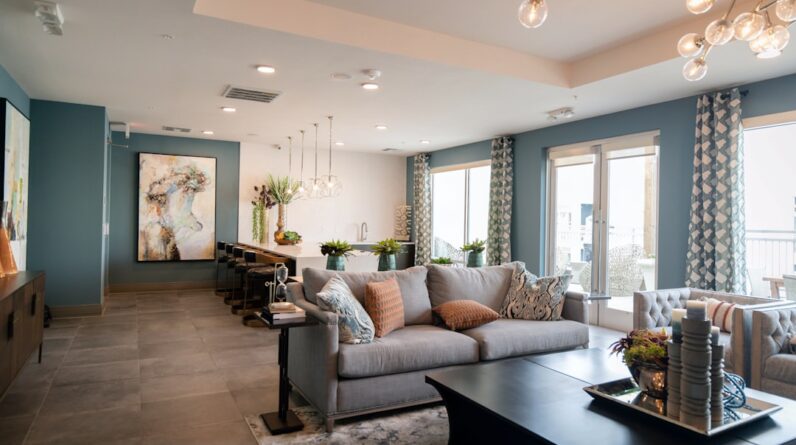
For example, hard surfaces like concrete or glass tend to reflect sound, creating echoes and amplifying noise levels. Conversely, soft materials such as carpets and curtains absorb sound, leading to a quieter and more comfortable atmosphere. The impact of sound on your mood and productivity is profound.
Research has shown that excessive noise can lead to increased stress levels and decreased concentration. In workspaces, for instance, open-plan offices often suffer from high noise levels that can hinder collaboration and focus. By understanding how sound travels and interacts within a space, you can make informed decisions about layout and materials that promote a more conducive environment for work or relaxation.
This knowledge empowers you to create spaces that not only look good but also feel good.
Materials and Techniques for Improving Acoustic Performance

When it comes to enhancing acoustic performance in interior spaces, the choice of materials plays a pivotal role. Various materials have distinct sound-absorbing properties that can either mitigate or exacerbate noise issues. For example, acoustic panels made from foam or fabric can be strategically placed on walls to absorb sound waves and reduce echo.
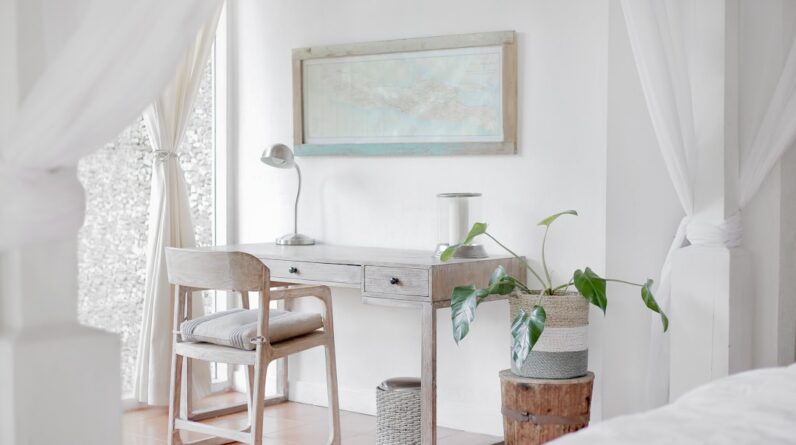
Similarly, ceiling tiles designed for sound absorption can help control noise levels in larger spaces like auditoriums or conference rooms. In addition to specialized acoustic materials, you can also utilize everyday items to improve sound quality. Soft furnishings such as upholstered furniture, rugs, and curtains can significantly dampen sound reflections.
Incorporating plants into your design not only adds aesthetic value but also contributes to sound absorption due to their porous nature. By combining these techniques with thoughtful spatial planning—such as creating designated quiet zones or using partitions—you can effectively enhance the acoustic performance of any interior space.
Integrating Acoustic Design into Aesthetics and Functionality
One of the most exciting aspects of acoustic design is its potential for integration with aesthetics and functionality. You don’t have to sacrifice style for sound quality; instead, you can create a harmonious blend of both. For instance, decorative acoustic panels come in various colors and patterns that can complement your overall design theme while serving their primary purpose of sound absorption.
This allows you to maintain visual appeal without compromising on acoustic performance. Moreover, the layout of a space can be optimized for both beauty and function. By strategically placing furniture and using room dividers, you can create intimate areas that encourage conversation while minimizing noise spillover from other sections of the room.
Lighting fixtures can also play a role; pendant lights with soft materials can diffuse sound while adding an artistic touch to your design. By considering both aesthetics and functionality in your acoustic design approach, you can craft spaces that are not only visually stunning but also acoustically effective.
Customizing Acoustic Solutions for Different Interior Spaces
Every interior space is unique, which means that acoustic solutions should be tailored to meet specific needs. A residential living room will have different acoustic requirements than a bustling restaurant or a corporate office. Understanding the purpose of each space allows you to customize your approach effectively.
For example, in a home theater, you might prioritize sound isolation to enhance the viewing experience by minimizing external noise interference. In contrast, an open office may require solutions that promote collaboration while controlling ambient noise levels. Customization also extends to the choice of materials and techniques used in each space.
In areas where aesthetics are paramount—like art galleries or high-end retail stores—you may opt for more visually appealing acoustic solutions that blend seamlessly with the design while still providing effective sound management. On the other hand, functional spaces like classrooms may benefit from more utilitarian approaches that prioritize durability and ease of maintenance. By taking the time to assess each space’s unique characteristics and requirements, you can develop tailored acoustic solutions that enhance both functionality and comfort.
The Role of Technology in Acoustic Design

As technology continues to evolve, so too does its application in acoustic design. Innovative solutions are emerging that allow for more precise control over sound within interior spaces. For instance, digital sound masking systems can be installed in offices to create a consistent background noise level that helps mask distracting sounds without being intrusive.
This technology not only improves privacy but also enhances overall comfort in shared work environments. Additionally, advancements in materials science have led to the development of new products designed specifically for acoustic performance. Smart materials that adapt to changing sound conditions are becoming increasingly popular in modern design.
These materials can actively absorb or reflect sound based on real-time measurements, providing dynamic solutions for fluctuating environments like concert halls or multipurpose venues. By embracing these technological advancements, you can elevate your acoustic design strategies and create spaces that respond intelligently to their auditory environment.
Collaborating with Acoustic Consultants and Specialists
While you may have a solid understanding of acoustic principles, collaborating with acoustic consultants and specialists can take your design projects to the next level. These professionals bring expertise in sound behavior and material properties that can help you achieve optimal results in your interior spaces. They can conduct detailed assessments of existing conditions and provide tailored recommendations based on your specific needs.
Working with an acoustic consultant also allows for a more comprehensive approach to design. They can help you navigate complex challenges such as noise control in urban environments or optimizing acoustics for performance venues. Their insights can inform your material choices and spatial layouts while ensuring compliance with relevant regulations and standards.
By leveraging their expertise, you can create spaces that not only meet aesthetic goals but also excel in acoustic performance.
The Future of Acoustic Design in Interior Design
As society becomes increasingly aware of the importance of well-designed environments, the future of acoustic design in interior spaces looks promising. With growing emphasis on mental health and well-being, there is a heightened demand for spaces that promote comfort and tranquility through effective sound management. This trend is likely to influence how architects and designers approach their projects moving forward.
Moreover, as technology continues to advance, we can expect even more innovative solutions for addressing acoustic challenges in interior design. From smart materials that adapt to changing conditions to advanced sound masking systems that enhance privacy without compromising aesthetics, the possibilities are endless. As you consider your own design projects, keep an eye on these emerging trends and technologies; they will undoubtedly shape the future landscape of acoustic design in ways we are just beginning to explore.
In conclusion, prioritizing acoustic design is essential for creating interior spaces that are not only visually appealing but also conducive to comfort and functionality. By understanding the principles of sound behavior, utilizing appropriate materials and techniques, integrating aesthetics with functionality, customizing solutions for specific environments, embracing technology, collaborating with specialists, and staying attuned to future trends, you can elevate your interior design projects to new heights—ensuring they resonate harmoniously with all who inhabit them.
FAQs
What is acoustic design in interior design?
Acoustic design in interior design refers to the process of creating spaces that effectively control sound and improve the overall acoustics within a room. This involves the use of materials and design techniques to minimize noise, control reverberation, and enhance sound quality.
Why is acoustic design important in interior design?
Acoustic design is important in interior design because it can significantly impact the comfort and functionality of a space. Proper acoustic design can improve speech intelligibility, reduce noise levels, and create a more pleasant and productive environment for occupants.
What are some common acoustic design techniques used in interior design?
Common acoustic design techniques used in interior design include the use of sound-absorbing materials such as acoustic panels, ceiling clouds, and wall treatments. Additionally, strategic placement of furniture, rugs, and other soft furnishings can also help to improve the acoustics of a space.
What are some popular materials used in acoustic design for interior spaces?
Popular materials used in acoustic design for interior spaces include acoustic foam, fabric-wrapped panels, perforated wood panels, and sound-absorbing ceiling tiles. These materials are designed to absorb and diffuse sound, improving the overall acoustics of a room.
How can acoustic design be integrated into the overall aesthetic of a space?
Acoustic design can be integrated into the overall aesthetic of a space through the use of decorative acoustic panels, fabric-wrapped wall treatments, and custom-designed acoustic elements. These elements can be customized to complement the existing decor and architectural style of a space.