Coastal interiors evoke a sense of tranquility and relaxation, reminiscent of sun-kissed beaches and gentle ocean breezes. When you step into a space designed with coastal elements, you are often greeted by a palette of soft hues, natural textures, and an overall ambiance that invites you to unwind. This design style draws inspiration from the seaside, incorporating elements that reflect the beauty of nature and the serenity of coastal living.
Whether you live near the ocean or simply wish to bring a touch of the coast into your home, understanding the principles of coastal interior design can help you create a sanctuary that feels both refreshing and inviting. As you embark on your journey to create a coastal-inspired space, consider how this design style can transform your home into a peaceful retreat. Coastal interiors are not just about aesthetics; they also promote a lifestyle that values relaxation and connection with nature.
By incorporating elements that remind you of the beach, such as light colors, natural materials, and airy layouts, you can cultivate an environment that encourages you to slow down and enjoy the simple pleasures of life. In the following sections, you will discover how to effectively implement these principles in your own home.
Key Takeaways
- Coastal interiors are inspired by the beach and ocean, creating a relaxed and airy atmosphere in the home.
- The color palette for coastal interiors includes soft blues, greens, and neutrals, while materials like natural wood, rattan, and linen are commonly used.
- Furniture and decor elements in coastal interiors are often light and breezy, with a focus on comfort and functionality.
- Maximizing natural light is key in coastal interiors, achieved through the use of sheer curtains, mirrors, and strategically placed windows.
- Creating an open and airy space in coastal interiors involves decluttering, using light-colored furniture, and incorporating reflective surfaces.
Color Palette and Materials
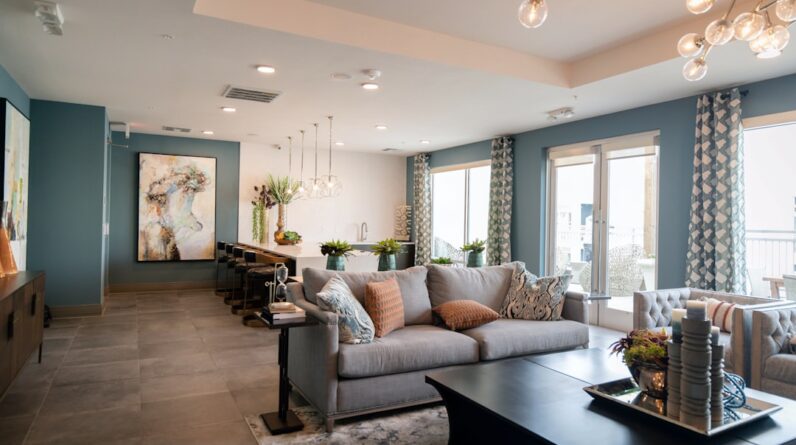
When it comes to coastal interiors, the color palette plays a pivotal role in setting the mood of the space. You might find yourself drawn to soft blues, sandy beiges, and crisp whites that mimic the colors of the sea and shore. These shades not only create a soothing atmosphere but also reflect the natural light that floods in from windows, enhancing the overall brightness of your home.
You can experiment with various shades of blue, from pale sky tones to deeper ocean hues, allowing you to create depth and interest while maintaining a cohesive look. In addition to color, the choice of materials is equally important in achieving a coastal aesthetic. Natural materials such as wood, rattan, and linen can help you establish a connection to the outdoors.
Consider incorporating reclaimed wood furniture or driftwood accents to add character and warmth to your space. Textiles made from natural fibers like cotton or jute can also enhance the coastal vibe while providing comfort and durability. By thoughtfully selecting your color palette and materials, you can create a harmonious environment that embodies the essence of coastal living.
Furniture and Decor Elements
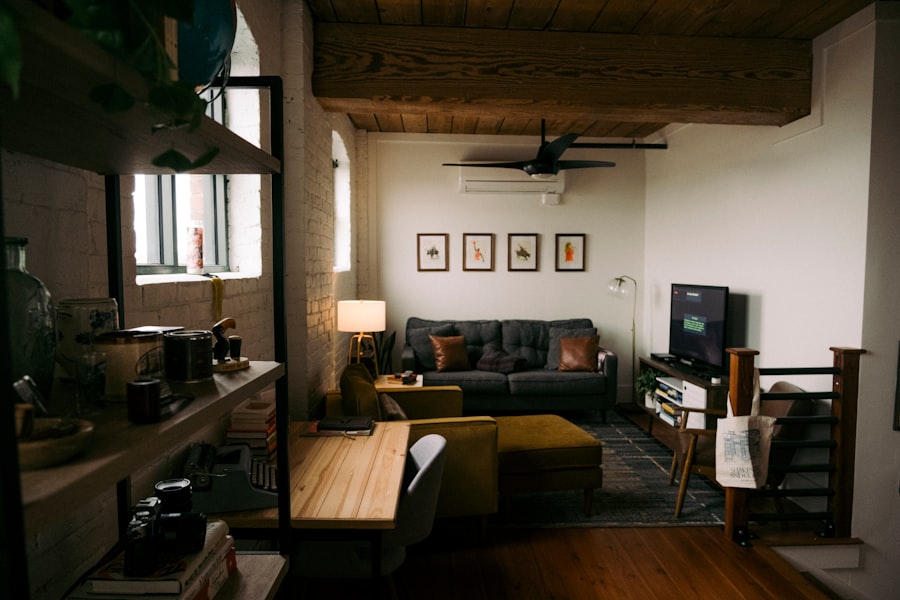
The furniture you choose for your coastal interior should reflect both comfort and style. Opt for pieces that are inviting and functional, such as oversized sofas adorned with soft cushions or wicker chairs that exude a laid-back charm. You may want to prioritize furniture that is easy to maintain, especially if you have children or pets.
Slipcovered sofas in light fabrics can be a practical choice, allowing for easy cleaning while still looking chic. Decor elements are equally essential in bringing your coastal vision to life. You might consider incorporating artwork that features seascapes or beach scenes, which can serve as focal points in your rooms.
Accessories like seashells, coral, or nautical-themed items can add personality and charm without overwhelming the space. Remember to keep your decor light and airy; too many heavy or dark elements can detract from the serene atmosphere you aim to create.
Maximizing Natural Light
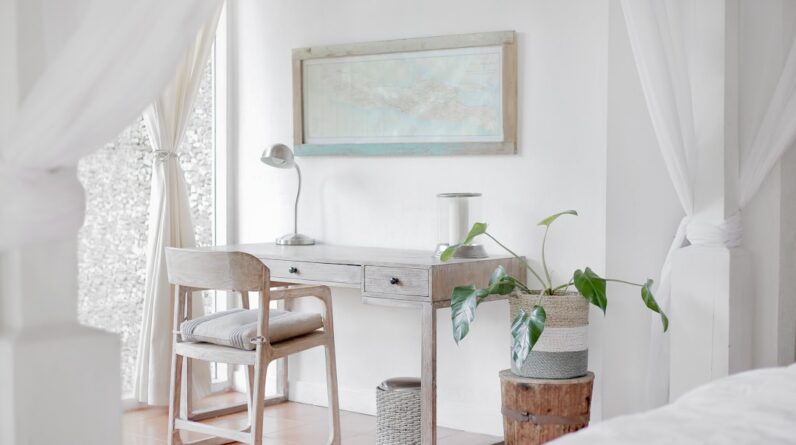
One of the hallmarks of coastal interiors is an abundance of natural light. To achieve this effect in your home, start by assessing your windows and how they interact with your space. You may want to consider sheer curtains or blinds that allow sunlight to filter through while still providing privacy.
This approach not only brightens your rooms but also creates an ethereal quality that enhances the coastal feel. In addition to window treatments, think about how you can arrange your furniture to take advantage of natural light sources. Positioning seating areas near windows can encourage relaxation while allowing you to enjoy views of the outdoors.
Mirrors can also be strategically placed to reflect light and create an illusion of more space. By maximizing natural light in your home, you will foster an uplifting atmosphere that embodies the essence of coastal living.
Creating an Open and Airy Space
An open and airy layout is essential for achieving a coastal interior design. You may want to consider removing unnecessary walls or barriers that confine your space, allowing for a seamless flow between rooms. Open floor plans not only enhance the sense of spaciousness but also encourage social interaction among family members and guests.
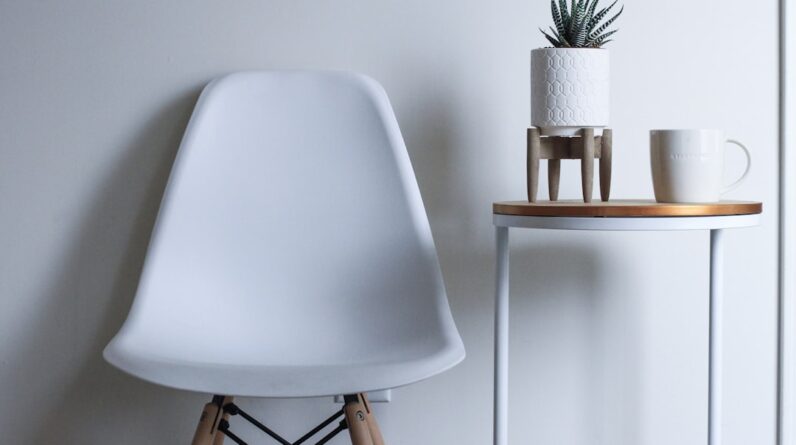
To further promote an airy feel, choose furniture that is visually light and does not overwhelm the space. For instance, opting for glass or acrylic tables can create an illusion of openness while maintaining functionality. Additionally, using lighter colors on walls and ceilings can help reflect light and make your rooms feel larger.
By focusing on creating an open environment, you will cultivate a sense of freedom and relaxation that is synonymous with coastal living.
Incorporating Nautical and Beach-inspired Elements
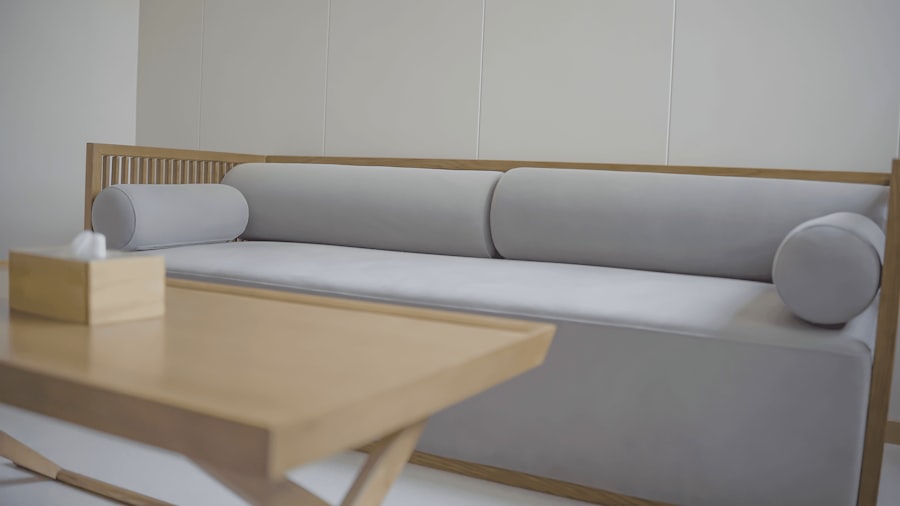
Decorative Accents with a Nautical Twist
Incorporating nautical and beach-inspired elements into your design can add character and charm to your coastal interior. You might consider using decorative items such as lanterns, ropes, or vintage maps that evoke memories of seaside adventures. These accents can serve as conversation starters while reinforcing the theme of your space.
Color Choices and Patterns Inspired by the Sea
Another way to infuse nautical elements is through color choices and patterns. Stripes are often associated with maritime themes; consider using striped fabrics for cushions or curtains to enhance this aesthetic. Additionally, artwork featuring boats or marine life can further emphasize the coastal vibe.
Creating a Cohesive Coastal Look
By thoughtfully integrating these elements into your design, you will create a cohesive look that celebrates the beauty of the ocean.
Balancing Comfort and Functionality
While aesthetics are important in coastal interior design, balancing comfort with functionality is crucial for creating a livable space. You may want to prioritize comfortable seating options that invite relaxation while ensuring they are durable enough for everyday use. Look for furniture pieces that combine style with practicality; for example, ottomans that double as storage solutions can help keep your space organized without sacrificing comfort.
In addition to furniture choices, consider how you can create functional zones within your home. Designate areas for relaxation, dining, and socializing while ensuring they flow seamlessly together. This approach not only enhances usability but also fosters a sense of community within your space.
By striking a balance between comfort and functionality, you will create an inviting environment that encourages both relaxation and social interaction.
Tips for Achieving a Coastal Interior Design on a Budget
Creating a coastal interior doesn’t have to break the bank; there are plenty of budget-friendly ways to achieve this look without sacrificing style. Start by shopping second-hand stores or flea markets for unique finds that can add character to your space. Vintage furniture pieces or decor items can often be repurposed or refreshed with a coat of paint or new upholstery.
Another cost-effective strategy is to focus on DIY projects that allow you to personalize your space while saving money. For instance, creating your own artwork using beach-inspired themes or crafting decorative items from natural materials can add a personal touch without significant expense. Additionally, consider swapping out smaller decor items seasonally; this allows you to refresh your space without making large investments.
By implementing these tips and embracing creativity, you can successfully achieve a coastal interior design that reflects your personal style while remaining budget-conscious. With thoughtful planning and attention to detail, you can transform your home into a serene retreat inspired by the beauty of the coast.
FAQs
What is coastal interior design?
Coastal interior design is a style that reflects the relaxed and breezy atmosphere of coastal living. It often incorporates natural elements such as light colors, natural textures, and nautical accents to create a serene and beachy feel.
What are some key elements of coastal interior design?
Key elements of coastal interior design include light and airy color palettes, natural materials such as wood and rattan, nautical accents like ropes and anchors, and plenty of natural light. Additionally, incorporating elements like seashells, driftwood, and beach-inspired artwork can help to enhance the coastal vibe.
How can I incorporate coastal interior design into my home?
To incorporate coastal interior design into your home, consider using a light color palette, incorporating natural materials like jute and linen, adding nautical accents such as striped patterns or rope details, and bringing in elements from nature like seashells and driftwood. Additionally, maximizing natural light and using sheer curtains can help to create a breezy and open feel.
What are some popular color schemes for coastal interior design?
Popular color schemes for coastal interior design include shades of white, cream, beige, and light blue to evoke the colors of the sand, sea, and sky. Soft pastel hues like pale pink and mint green can also be used to add a touch of whimsy and femininity to the space.
What types of furniture work well in coastal interior design?
Furniture that works well in coastal interior design includes pieces made from natural materials such as rattan, wicker, and reclaimed wood. Light and airy furniture with a relaxed and casual feel, such as slipcovered sofas and chairs, also complements the coastal aesthetic. Additionally, incorporating pieces with a weathered or distressed finish can add to the beachy vibe.