In today’s world, the concept of design has evolved beyond mere aesthetics; it has become a reflection of individual lifestyles and personal values. As you navigate through the myriad of design options available, it’s essential to consider how your living space can cater to your unique way of life. Whether you are a minimalist seeking simplicity, a family-oriented individual craving functionality, or an eco-conscious person wanting to reduce your carbon footprint, the design of your environment can significantly enhance your daily experiences.
Understanding the nuances of designing for specific lifestyles allows you to create spaces that resonate with your identity and needs. Each lifestyle comes with its own set of requirements and preferences, influencing everything from furniture selection to color schemes and layout. By embracing these principles, you can transform your home into a sanctuary that not only looks good but also feels right for you.
This article will explore various lifestyle-oriented design approaches, providing insights and inspiration for creating spaces that truly reflect who you are.
Key Takeaways
- Design for specific lifestyles involves tailoring design choices to meet the needs and preferences of different individuals and families.
- Minimalist lifestyle design focuses on simplicity, functionality, and decluttering to create a clean and serene living space.
- Family-friendly lifestyle design prioritizes durable, easy-to-clean, and child-safe furniture and decor to accommodate the needs of a busy household.
- Pet-friendly lifestyle design incorporates durable, stain-resistant materials and pet-friendly furniture to create a comfortable and safe environment for pets and their owners.
- Eco-friendly lifestyle design emphasizes sustainable materials, energy-efficient appliances, and environmentally conscious design choices to minimize the impact on the planet.
- Luxury lifestyle design focuses on high-end materials, custom furniture, and opulent decor to create a lavish and indulgent living space.
- Bohemian lifestyle design embraces eclectic, free-spirited, and unconventional design elements to create a relaxed and artistic living environment.
- Designing for specific lifestyles requires a thoughtful approach that considers the unique needs and preferences of individuals and families, ultimately creating a space that enhances their quality of life.
Designing for a Minimalist Lifestyle
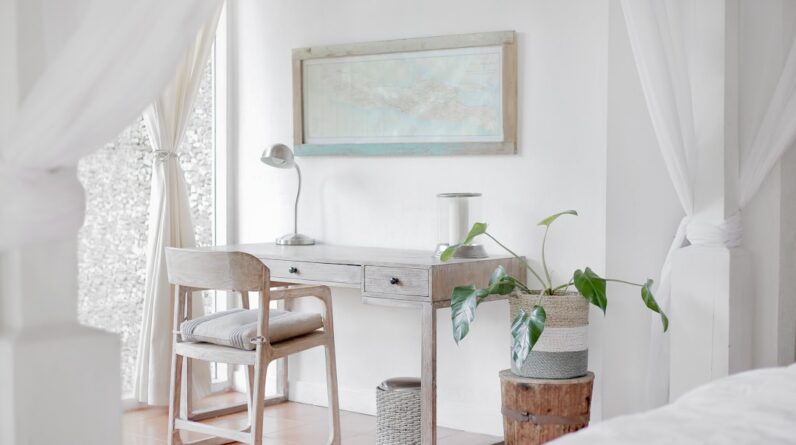
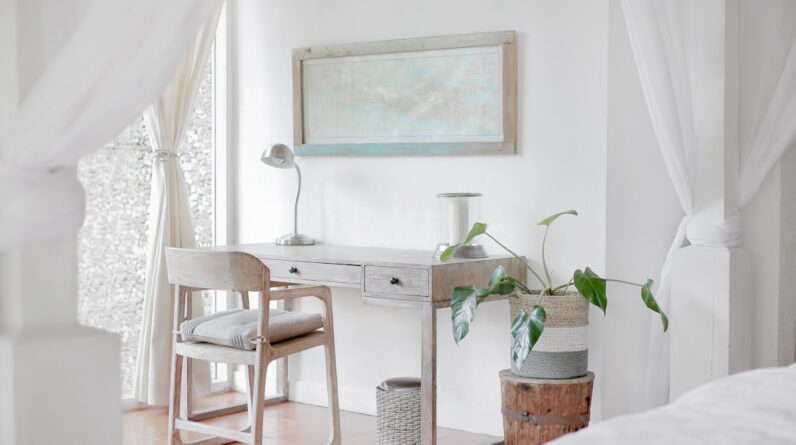
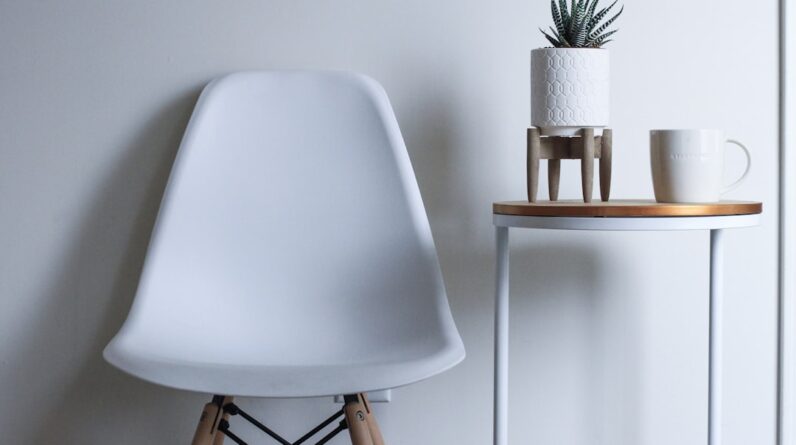
Embracing a minimalist lifestyle often means prioritizing simplicity and functionality in your living space. When you choose to adopt this approach, every item in your home should serve a purpose or bring you joy. To achieve this, start by decluttering your space, removing items that no longer resonate with you or serve a function.
This process not only clears physical space but also creates mental clarity, allowing you to focus on what truly matters in your life. In terms of design elements, opt for clean lines and neutral color palettes that evoke a sense of calm and order. Furniture should be multi-functional, serving more than one purpose to maximize utility without overcrowding your space.
For instance, consider a sleek coffee table that doubles as storage or a sofa bed for accommodating guests. By carefully curating your belongings and choosing versatile pieces, you can create an environment that embodies the essence of minimalism—one that is serene, uncluttered, and reflective of your values.
Designing for a Family-Friendly Lifestyle
When designing for a family-friendly lifestyle, the focus shifts towards creating a safe, functional, and inviting environment for all family members. Your home should be a place where children can play freely while parents can relax and entertain guests. To achieve this balance, consider incorporating durable materials that can withstand the wear and tear of daily life.
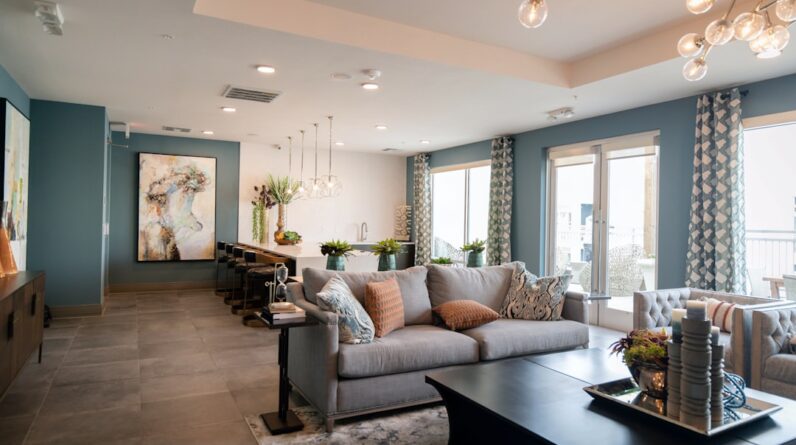
Fabrics like microfiber or leather are excellent choices for upholstery, as they are easy to clean and maintain. In addition to durability, think about the layout of your space. Open floor plans are particularly popular in family-friendly designs, as they promote interaction and allow parents to keep an eye on their children while cooking or working in another room.
Designate specific areas for play, study, and relaxation to ensure that each family member has their own space while still fostering togetherness. By thoughtfully considering both functionality and comfort, you can create a home that nurtures family bonds while accommodating the hustle and bustle of everyday life.
Designing for a Pet-Friendly Lifestyle
If you share your home with furry friends, designing a pet-friendly space is essential for ensuring their comfort and safety while maintaining your own aesthetic preferences. Start by selecting materials that are resistant to stains and scratches; for example, consider using indoor-outdoor rugs or washable slipcovers that can withstand the inevitable messes pets create. Additionally, choose flooring options like tile or laminate that are easy to clean and less likely to be damaged by pet claws.
Incorporating designated areas for your pets can also enhance the overall design of your home. Create cozy nooks with pet beds or blankets in common areas where they can feel included without being in the way. You might also consider stylish storage solutions for pet supplies—think decorative baskets for toys or chic containers for food—to keep your space organized while still looking polished.
By blending functionality with style, you can create an environment that caters to both your needs and those of your beloved pets.
Designing for an Eco-Friendly Lifestyle
As environmental awareness continues to grow, many individuals are seeking ways to incorporate eco-friendly practices into their homes. Designing for an eco-friendly lifestyle involves making conscious choices about materials, energy consumption, and overall sustainability. Start by selecting furniture made from reclaimed or sustainably sourced wood, which not only reduces waste but also adds character to your space.
In addition to material choices, consider implementing energy-efficient appliances and fixtures throughout your home. LED lighting, low-flow faucets, and Energy Star-rated appliances can significantly reduce your energy consumption while still providing the functionality you need. Furthermore, incorporating plants into your design not only enhances aesthetics but also improves air quality and promotes a sense of well-being.
By prioritizing sustainability in your design choices, you can create a home that reflects your commitment to the environment while providing a comfortable living space.
Designing for a Luxury Lifestyle
Indulge in Sophistication
For those who appreciate the finer things in life, designing for a luxury lifestyle is all about indulgence and sophistication. This approach often involves high-quality materials, exquisite craftsmanship, and attention to detail that elevates your living space to new heights. Start by selecting statement pieces—think plush sofas upholstered in rich fabrics or elegant chandeliers that serve as focal points in your rooms.
Creating a Luxurious Ambiance
Color palettes in luxury designs tend to lean towards deep hues or soft neutrals that evoke a sense of opulence. Incorporate textures such as silk, velvet, or marble to add depth and richness to your space. Additionally, consider integrating smart home technology that enhances convenience and comfort—automated lighting systems or climate control can elevate your living experience while adding a modern touch.
Crafting an Elegant Environment
By focusing on quality over quantity and curating an environment filled with luxurious elements, you can create a home that exudes elegance and sophistication.
Designing for a Bohemian Lifestyle
The bohemian lifestyle celebrates individuality and creativity through eclectic design choices that reflect personal expression. When designing for this style, embrace bold colors, varied textures, and an array of patterns that come together harmoniously yet uniquely. Layering textiles—such as throws, cushions, and rugs—can create a cozy atmosphere while showcasing your personality.
Incorporate vintage finds and artisanal pieces into your decor to add character and tell a story about your travels or experiences. Plants play a significant role in bohemian design; they not only bring life into your space but also contribute to a relaxed vibe. Consider hanging plants or creating a small indoor garden to enhance the natural feel of your home.
By allowing your creativity to flow freely in your design choices, you can cultivate an environment that feels warm, inviting, and distinctly yours.
Conclusion and Final Thoughts on Designing for Specific Lifestyles
As you embark on the journey of designing your living space, remember that it should be a true reflection of who you are and how you live. Each lifestyle presents unique challenges and opportunities for creativity; by understanding these nuances, you can create an environment that enhances your daily experiences. Whether you lean towards minimalism or embrace the vibrancy of bohemian design, the key is to remain true to yourself throughout the process.
Ultimately, designing for specific lifestyles is about finding harmony between aesthetics and functionality. Your home should not only look beautiful but also serve as a sanctuary tailored to your needs and preferences. As you explore various design approaches—be it family-friendly layouts or eco-conscious choices—allow yourself the freedom to experiment and adapt until you find what resonates most with you.
In doing so, you’ll create a space that not only meets practical requirements but also nurtures your spirit and reflects the essence of who you are.
FAQs
What is interior design for specific lifestyles?
Interior design for specific lifestyles is the practice of creating interior spaces that are tailored to the needs, preferences, and activities of a particular group of people. This can include designing spaces for families, empty nesters, pet owners, outdoor enthusiasts, and more.
How does interior design for specific lifestyles differ from traditional interior design?
Traditional interior design focuses on creating aesthetically pleasing spaces, while interior design for specific lifestyles takes into account the unique needs and activities of the people who will be using the space. This can involve incorporating specific features, materials, and layouts that cater to the lifestyle of the occupants.
What are some examples of interior design for specific lifestyles?
Examples of interior design for specific lifestyles include designing a family-friendly home with durable and easy-to-clean materials, creating a pet-friendly space with built-in pet beds and feeding stations, and designing a home for outdoor enthusiasts with ample storage for outdoor gear and easy access to outdoor spaces.
Why is interior design for specific lifestyles important?
Interior design for specific lifestyles is important because it ensures that the spaces we inhabit are not only visually appealing, but also functional and practical for the activities and needs of the people who live there. This can improve the overall quality of life for the occupants and enhance their enjoyment of the space.
How can I incorporate interior design for specific lifestyles into my own home?
To incorporate interior design for specific lifestyles into your own home, start by identifying the activities and needs of the people who will be using the space. Then, work with an interior designer to create a design plan that addresses those specific needs, whether it’s creating a play area for kids, a workspace for remote work, or a relaxation zone for empty nesters.