



In recent years, the conversation surrounding sustainability has permeated various sectors, and interior design is no exception. As you navigate the world of design, you may find yourself increasingly drawn to eco-conscious materials that not only enhance the aesthetic appeal of a space but also contribute positively to the environment. The shift towards sustainable practices in interior design reflects a growing awareness of the impact that our choices have on the planet.
By opting for eco-friendly materials, you can create spaces that are not only beautiful but also responsible. The rise of eco-conscious materials in interior design is a response to the urgent need for sustainable living. As you explore this realm, you will discover that these materials often come from renewable resources, are non-toxic, and are produced with minimal environmental impact.
This movement encourages you to rethink traditional design practices and consider how your choices can lead to a healthier planet. Embracing eco-conscious materials allows you to express your personal style while making a positive contribution to the world around you.
Key Takeaways
- Eco-conscious materials in interior design prioritize sustainability and environmental responsibility.
- Using eco-conscious materials in interior design can lead to benefits such as improved indoor air quality and reduced environmental impact.
- Types of eco-conscious materials for interior design include reclaimed wood, bamboo, cork, recycled glass, and low-VOC paint.
- Incorporating eco-conscious materials in interior design can be done through thoughtful material selection, energy-efficient design, and sustainable practices.
- When choosing eco-conscious materials for interior design, it’s important to consider factors such as durability, certifications, and the environmental impact of production and transportation.
Benefits of Using Eco-Conscious Materials in Interior Design
When you choose eco-conscious materials for your interior design projects, you are not just making a statement about your style; you are also reaping numerous benefits. One of the most significant advantages is the positive impact on your health and well-being. Many conventional materials contain harmful chemicals that can off-gas into your living space, leading to poor indoor air quality.
By selecting eco-friendly options, you can create a healthier environment for yourself and your loved ones. Additionally, using sustainable materials often results in long-term cost savings. While some eco-conscious options may have a higher upfront cost, their durability and low maintenance requirements can lead to significant savings over time.
You may find that materials like bamboo or reclaimed wood not only add character to your space but also stand the test of time, reducing the need for frequent replacements. This financial benefit, combined with the positive environmental impact, makes a compelling case for incorporating eco-conscious materials into your design.
Types of Eco-Conscious Materials for Interior Design
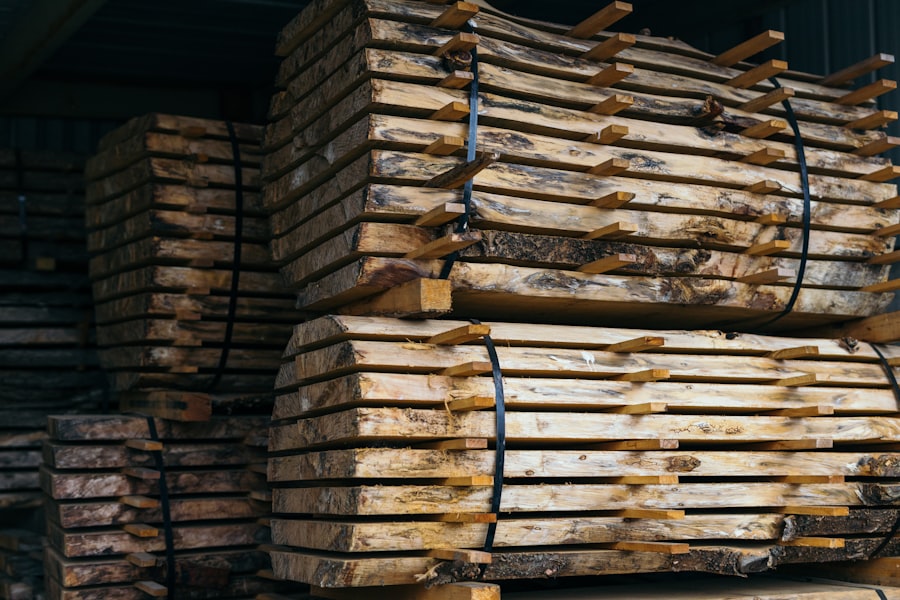
As you delve deeper into the world of eco-conscious materials, you’ll encounter a diverse array of options that can elevate your interior design projects. One popular choice is bamboo, known for its rapid growth and renewability. This versatile material can be used for flooring, furniture, and even decorative accents, providing a warm and inviting atmosphere while minimizing environmental impact.
Another excellent option is reclaimed wood, which repurposes timber from old buildings or furniture. By choosing reclaimed wood, you not only reduce waste but also add a unique character to your space. Each piece tells a story, and its rustic charm can create a cozy ambiance that resonates with many design aesthetics.
Additionally, consider natural fibers such as jute or hemp for textiles; these materials are biodegradable and often produced with minimal chemical processing.
How to Incorporate Eco-Conscious Materials in Interior Design
Incorporating eco-conscious materials into your interior design doesn’t have to be overwhelming; it can be an exciting journey of creativity and exploration. Start by assessing your current space and identifying areas where sustainable materials can make an impact. For instance, if you’re planning a renovation, consider replacing traditional flooring with bamboo or cork options that are both stylish and environmentally friendly.
You can also infuse eco-conscious elements into your decor by selecting furniture made from reclaimed wood or choosing textiles crafted from organic cotton or linen. As you curate your space, think about how these materials can complement your existing design while enhancing its sustainability. Don’t hesitate to mix and match different eco-friendly options to create a cohesive look that reflects your personal style.
Considerations When Choosing Eco-Conscious Materials for Interior Design
While the allure of eco-conscious materials is undeniable, there are several considerations to keep in mind as you make your selections. First and foremost, it’s essential to research the sourcing and production processes of the materials you’re interested in. Look for certifications such as FSC (Forest Stewardship Council) for wood products or GOTS (Global Organic Textile Standard) for textiles to ensure that they meet rigorous sustainability standards.
Another factor to consider is the lifecycle of the materials. Think about how they will perform over time and whether they can be recycled or repurposed at the end of their life cycle. This forward-thinking approach not only benefits the environment but also aligns with your commitment to sustainability.
By carefully evaluating these aspects, you can make informed choices that contribute positively to both your space and the planet.
Examples of Eco-Conscious Materials in Interior Design

As you explore the realm of eco-conscious materials, you’ll encounter numerous examples that can inspire your design choices. For instance, consider using low-VOC (volatile organic compounds) paints and finishes that minimize harmful emissions while providing vibrant color options for your walls and furniture. These paints not only enhance the aesthetic appeal of your space but also promote better indoor air quality.
Another example is using natural stone such as granite or slate for countertops and flooring. These materials are durable and timeless, offering both beauty and functionality while being sourced from the earth without harmful additives. Additionally, look into recycled glass tiles for backsplashes or decorative accents; they add a unique touch while reducing waste in landfills.
Each of these materials showcases how eco-conscious choices can seamlessly blend with style and functionality.
Sustainable Practices for Using Eco-Conscious Materials in Interior Design
To truly embrace eco-conscious materials in your interior design projects, it’s essential to adopt sustainable practices throughout the process. Start by prioritizing local sourcing whenever possible; this reduces transportation emissions and supports local economies. By choosing materials from nearby suppliers, you not only minimize your carbon footprint but also contribute to a more sustainable community.
Additionally, consider implementing energy-efficient practices during installation and maintenance. For example, using LED lighting can significantly reduce energy consumption while enhancing the ambiance of your space. Furthermore, think about how you can repurpose existing materials or furniture instead of discarding them; this practice not only reduces waste but also adds character to your design.
By integrating these sustainable practices into your approach, you can create spaces that are both beautiful and environmentally responsible.
Embracing Eco-Conscious Materials in Interior Design
As you reflect on the journey through eco-conscious materials in interior design, it’s clear that embracing sustainability is not just a trend; it’s a vital step towards creating a healthier planet. By choosing eco-friendly options, you have the power to transform spaces into havens of beauty while making responsible choices that benefit both yourself and future generations. The integration of these materials allows you to express your unique style while contributing positively to the environment.
In conclusion, as you embark on your next interior design project, consider how eco-conscious materials can play a pivotal role in shaping your vision. From bamboo flooring to reclaimed wood furniture, each choice you make has the potential to create a lasting impact. By prioritizing sustainability in your designs, you not only enhance the aesthetic appeal of your spaces but also become an advocate for a more sustainable future.
Embrace this opportunity to make a difference—your choices matter now more than ever.
FAQs
What are eco-conscious materials in interior design?
Eco-conscious materials in interior design are materials that are sourced and manufactured in a sustainable and environmentally friendly manner. These materials are often renewable, recyclable, and have a low impact on the environment.
What are some examples of eco-conscious materials used in interior design?
Examples of eco-conscious materials used in interior design include bamboo, cork, reclaimed wood, recycled glass, natural stone, and low-VOC (volatile organic compound) paints and finishes. These materials are chosen for their sustainable and environmentally friendly properties.
Why is it important to use eco-conscious materials in interior design?
Using eco-conscious materials in interior design is important because it helps reduce the environmental impact of the design and construction process. These materials also contribute to healthier indoor air quality and promote sustainability in the built environment.
How can interior designers incorporate eco-conscious materials into their designs?
Interior designers can incorporate eco-conscious materials into their designs by sourcing materials from sustainable suppliers, using recycled and reclaimed materials, and specifying products with low environmental impact. They can also consider the lifecycle of the materials and their impact on the environment.
What are the benefits of using eco-conscious materials in interior design?
The benefits of using eco-conscious materials in interior design include reducing the carbon footprint of the project, promoting sustainability, and creating healthier indoor environments for occupants. Additionally, using these materials can contribute to a more responsible and ethical approach to design and construction.


