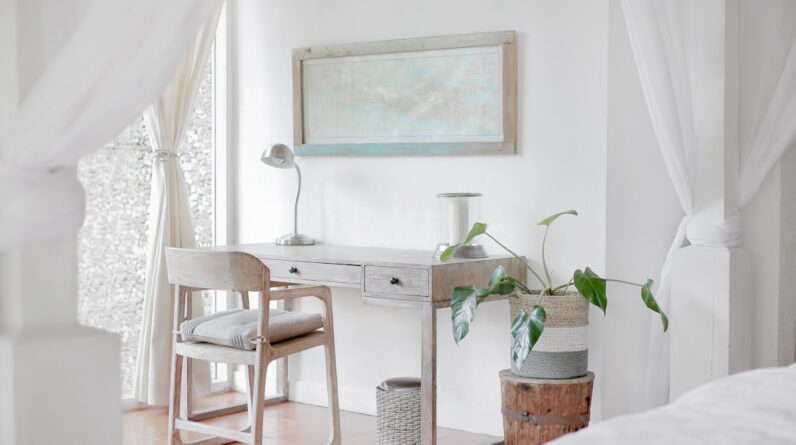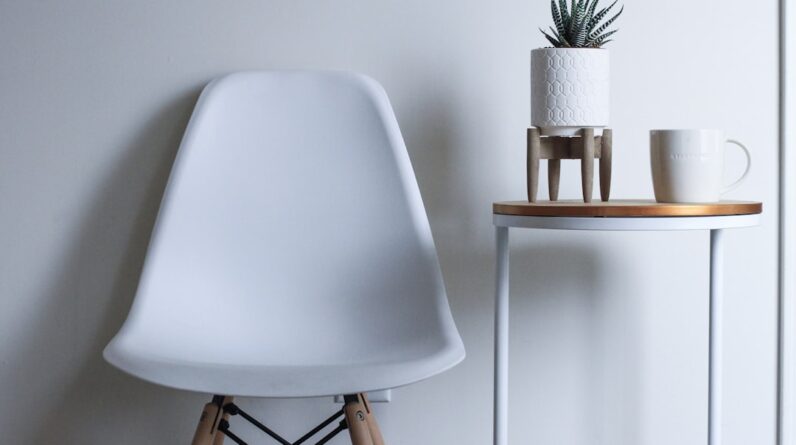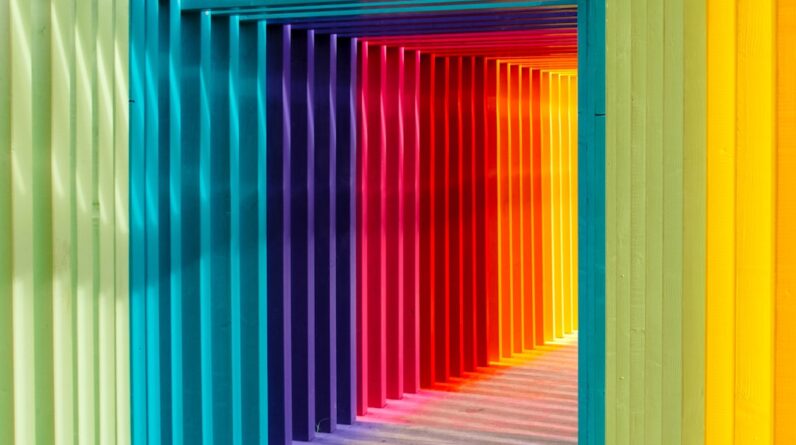
When you step into a well-designed space, you often feel an immediate connection to the environment around you. This connection is not merely a result of functional furniture or practical layouts; it is deeply rooted in the artistic elements that shape the ambiance and character of the room. Interior design is an art form that combines creativity with functionality, allowing you to express your personality and lifestyle through the spaces you inhabit.
By understanding the various artistic elements involved in interior design, you can transform any area into a reflection of your unique taste and preferences. Artistic elements in interior design encompass a wide range of components, including color, texture, pattern, light, and spatial arrangement. Each of these elements plays a crucial role in creating an atmosphere that resonates with your emotions and enhances your daily experiences.
As you delve deeper into the world of interior design, you will discover how these elements interact with one another, creating a cohesive and harmonious environment that speaks to your individuality. Whether you are redesigning your home or simply looking to refresh a room, recognizing the importance of these artistic elements will empower you to make informed decisions that elevate your space.
Key Takeaways
- Artistic elements in interior design include color, texture, pattern, art, sculpture, architecture, light, and personal expression.
- Color theory plays a significant role in setting the mood and atmosphere of a space, impacting the overall design.
- Texture and pattern add depth and visual interest to interior design, creating a sense of tactile and visual appeal.
- Art and sculpture can be used to add personality and character to a space, serving as focal points or conversation starters.
- Architecture influences interior design by dictating the layout, structure, and style of a space, impacting the overall design aesthetic.
Color Theory and its Impact on Interior Design
Color is one of the most powerful tools at your disposal when it comes to interior design. It has the ability to evoke emotions, set moods, and even influence behavior. Understanding color theory can help you make choices that not only enhance the aesthetic appeal of your space but also create the desired atmosphere.
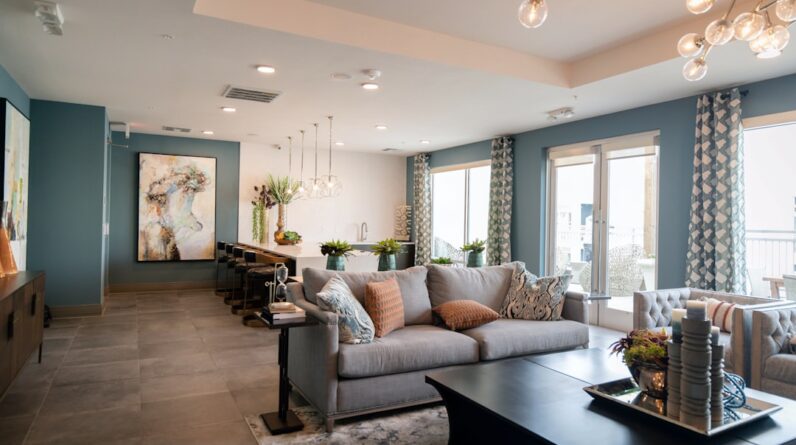
For instance, warm colors like reds and oranges can stimulate energy and excitement, making them ideal for social spaces such as living rooms or kitchens. In contrast, cool colors like blues and greens tend to promote calmness and relaxation, making them perfect for bedrooms or meditation areas. As you explore color combinations, consider the principles of color harmony.
Complementary colors—those that are opposite each other on the color wheel—can create vibrant contrasts that draw attention and add visual interest. Analogous colors, which are next to each other on the wheel, can produce a more serene and cohesive look. By thoughtfully selecting your color palette, you can create a space that not only looks beautiful but also feels inviting and comfortable.
Remember that lighting can also affect how colors appear; natural light can enhance hues during the day, while artificial lighting can alter their perception at night.
The Role of Texture and Pattern in Interior Design
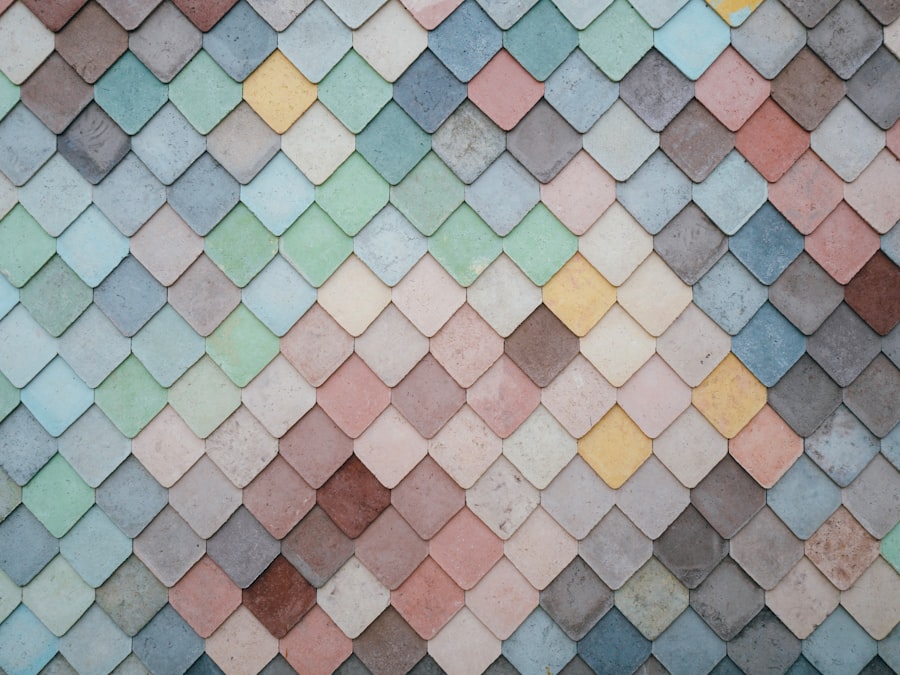
Texture and pattern are essential components that add depth and dimension to your interior spaces. They can transform a flat surface into a tactile experience, inviting touch and interaction. When you incorporate various textures—such as smooth glass, rough wood, soft fabrics, or metallic finishes—you create a sensory-rich environment that engages not just the eyes but also the hands.
This interplay of textures can evoke feelings of warmth, comfort, or sophistication, depending on how you choose to layer them. Patterns also play a significant role in defining the character of a room. From bold geometric designs to delicate florals, patterns can serve as focal points or subtle accents within your decor.
When selecting patterns, consider their scale and repetition; larger patterns can make a statement in spacious areas, while smaller patterns may work better in more intimate settings. Mixing patterns can be an exciting way to express your creativity, but it’s essential to maintain balance by ensuring that they complement rather than clash with one another. By thoughtfully integrating texture and pattern into your design scheme, you can create a visually dynamic space that reflects your personal style.
Incorporating Art and Sculpture into Interior Design
Art and sculpture are powerful elements that can elevate your interior design to new heights. They serve as focal points that draw the eye and spark conversation, allowing you to showcase your tastes and interests. When selecting artwork for your space, consider pieces that resonate with you personally—whether they are paintings, photographs, or sculptures.
The right artwork can infuse your environment with character and emotion, transforming an ordinary room into an extraordinary one. Incorporating art into your interior design goes beyond simply hanging paintings on walls; it involves thoughtful placement and consideration of scale. Large pieces can dominate a space and create a dramatic effect, while smaller works can be grouped together for a gallery-like feel.
Sculptures can be displayed on shelves, tables, or pedestals to add three-dimensional interest to your decor. Additionally, consider how lighting interacts with your art; strategically placed spotlights or ambient lighting can enhance the visual impact of your pieces. By thoughtfully integrating art and sculpture into your design scheme, you create an environment that is not only visually appealing but also deeply personal.
The Influence of Architecture on Interior Design
Architecture serves as the foundation upon which interior design is built. The structural elements of a space—such as its layout, proportions, and architectural features—significantly influence how you approach the design process. Understanding the architectural style of your home or space allows you to make informed decisions about furnishings, colors, and decor that complement its inherent characteristics.
For example, a modern minimalist space may call for sleek lines and neutral palettes, while a traditional home may benefit from rich colors and ornate details. As you navigate the relationship between architecture and interior design, consider how architectural features can be highlighted or downplayed through your choices. Exposed beams or brick walls can be accentuated with complementary decor, while awkward layouts may require creative solutions to maximize functionality without sacrificing aesthetics.
By embracing the architectural elements of your space, you can create a harmonious relationship between structure and design that enhances both form and function.
The Use of Light and Shadow in Interior Design
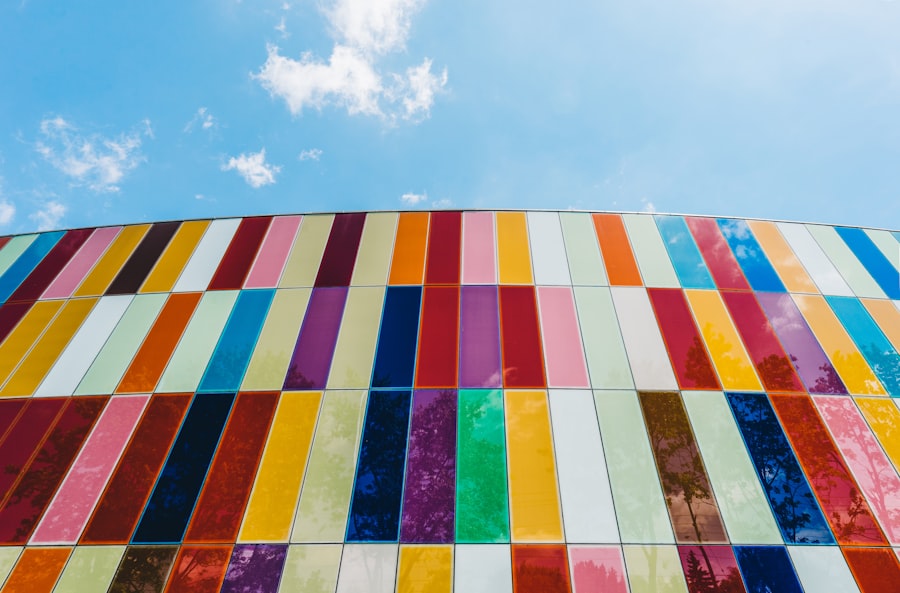
Light is an essential element in interior design that shapes how we perceive our surroundings. It influences mood, highlights textures, and creates visual interest through contrasts of light and shadow. Natural light is particularly valuable; it brings warmth and vitality to a space while changing throughout the day.
When designing your interiors, consider how natural light enters each room and how it can be maximized through window treatments or reflective surfaces. Artificial lighting also plays a crucial role in setting the ambiance of your space. Layering different types of lighting—ambient, task, and accent—allows you to create versatile environments suitable for various activities.
Ambient lighting provides overall illumination, while task lighting focuses on specific areas for activities like reading or cooking. Accent lighting draws attention to artwork or architectural features, adding depth to your design. By thoughtfully considering how light interacts with your space, you can create an atmosphere that is both functional and inviting.
Creating Harmony and Balance in Interior Design
Achieving harmony and balance in interior design is essential for creating spaces that feel cohesive and inviting. Harmony refers to the overall unity of design elements—colors, textures, patterns—that work together to create a pleasing aesthetic. Balance involves distributing visual weight throughout a room so that no single element overwhelms others.
There are two primary types of balance: symmetrical and asymmetrical. Symmetrical balance involves mirroring elements on either side of a central axis, creating a sense of order and formality. Asymmetrical balance achieves equilibrium through varied elements that complement each other without being identical.
To create harmony and balance in your interiors, start by establishing a clear focal point—this could be a piece of furniture, artwork, or architectural feature—that anchors the room. From there, consider how other elements relate to this focal point in terms of scale, color, and texture. Use repetition of colors or patterns to tie different areas together while varying shapes or sizes to maintain interest.
By thoughtfully orchestrating these elements, you can cultivate an environment that feels balanced and harmonious.
The Importance of Personal Expression in Interior Design
Ultimately, interior design is about personal expression—a reflection of who you are and how you live. Your home should be a sanctuary that resonates with your values, interests, and experiences. As you embark on your design journey, embrace the opportunity to infuse your personality into every aspect of your space.
This could mean displaying cherished mementos from travels or incorporating family heirlooms into your decor. Personal expression in interior design goes beyond mere aesthetics; it encompasses how spaces make you feel and function in your daily life. Consider what inspires you—whether it’s nature, art, culture, or history—and let those influences guide your choices.
Don’t be afraid to take risks or break conventional rules; after all, your home should be a true reflection of yourself. By prioritizing personal expression in your interior design endeavors, you create spaces that are not only beautiful but also deeply meaningful.
FAQs
What are the artistic elements in interior design?
Artistic elements in interior design include color, texture, pattern, line, shape, form, and space. These elements are used to create visually appealing and functional spaces.
How are color and texture used in interior design?
Color and texture are used to create visual interest and evoke certain emotions in a space. They can be used to highlight architectural features, create focal points, and establish a cohesive design scheme.
What role do pattern and line play in interior design?
Patterns and lines are used to add visual interest and movement to a space. They can be incorporated through textiles, wallpaper, flooring, and architectural details to create a dynamic and engaging environment.
How do shape and form contribute to interior design?
Shapes and forms are used to create balance, harmony, and rhythm in a space. They can be used to define the overall style of a room and create a sense of unity and cohesion.
What is the significance of space in interior design?
Space is a fundamental element in interior design, as it dictates the arrangement and flow of a space. Designers use space to create functional layouts, establish circulation paths, and define the overall atmosphere of a room.