How Can Interior Design Increase Productivity in the Workplace?
In an era where people are constantly seeking ways to enhance efficiency and creativity, the conversation around workplace productivity often overlooks a crucial element: interior design. You may be surprised to learn just how much the physical space you inhabit can influence your day-to-day performance. Let’s dig deep into the fascinating relationship between interior design and workplace productivity.
The Psychological Impact of Space
Understanding Human Behavior in the Workplace
The office environment is more than just a backdrop for work; it plays a significant role in how you and your colleagues feel and perform. The ambiance created by design elements—like colors, layouts, and lighting—can drastically influence mood and behavior. For instance, an open space may encourage collaboration and teamwork, while a cluttered or poorly lit area can lead to frustration and diminished focus.
Research has shown that the design of your workspace can evoke specific emotional responses. When you walk into an office with warm, inviting colors, it may uplift your spirit and motivate you to tackle your tasks. On the flip side, stark white walls and fluorescent lighting can make any workspace feel sterile and unwelcoming, leading to a drop in productivity.
The Role of Color in the Workplace
Color is a powerful tool in interior design, and understanding its psychological effects can help you create an environment that promotes productivity. Colors can elicit emotional responses, and choosing the right palette for your workplace can set the tone for how you and your team engage with each other and your tasks.
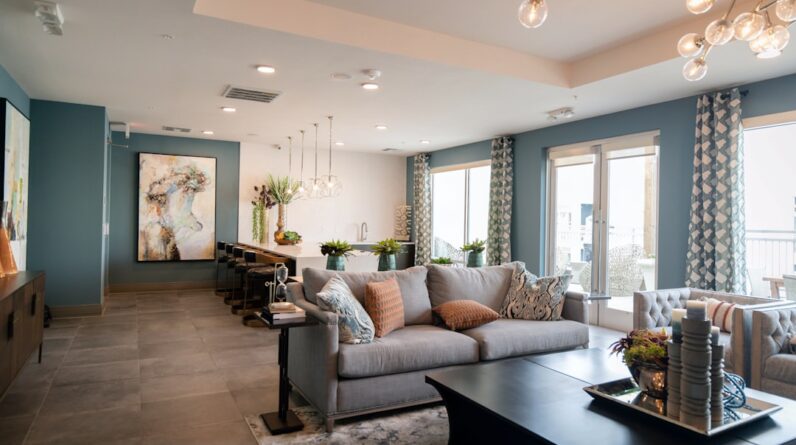
For example, blue is often associated with calmness and focus, making it an excellent choice for workspaces where concentration is key. Green, on the other hand, is linked to creativity and innovation, helping to inspire new ideas. Among colors, yellow can instill a sense of positivity and energy, while red might elevate excitement but can sometimes be overly stimulating. Therefore, strategically applying color can create an energizing yet soothing environment where productivity flourishes.
The Importance of Layout and Space Planning
Creating Functional Work Areas
The physical layout of your office significantly affects how effectively you can work. If your workplace is congested or poorly organized, it can lead to distractions and hinder concentration. You can opt for flexible layouts that include a mix of open spaces for collaboration, secluded areas for deep work, and intimate zones for meetings.
For instance, you might consider creating ‘activity-based working’ spaces, where different areas serve specific purposes. By allowing everyone to choose where they work best, whether it’s a cozy nook or a collaborative hub, you empower your team to select environments that foster their productivity levels.
The Value of Zones
Another aspect of layout design is the concept of zones. Zoning can efficiently separate areas based on the type of work being performed, thus reducing distractions. You may create distinct zones for collaborative efforts, quiet individual work, and social interaction. Establishing clear boundaries can reduce noise and interruptions, allowing for focused periods of work interspersed with engaging, collaborative sessions.

The Influence of Natural Light and Illumination
Harnessing Natural Light
Natural light is a vital component of interior design that often goes unnoticed but has a profound impact on productivity. Research suggests that exposure to daylight may improve mood, enhance alertness, and promote overall well-being. Ensuring ample windows or light wells can help encourage employee health and happiness within the workspace.
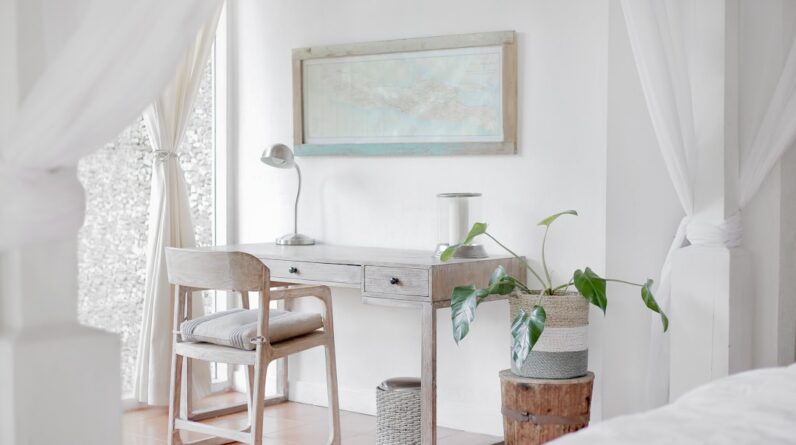
As you design your office, consider positioning desks near windows—to allow employees to benefit from natural light. Studies indicate that workers in spaces with direct sunlight report higher productivity levels. It’s essential to minimize the use of heavy drapes that may block light and instead embrace sheer curtains or blinds that diffuse sunlight while retaining an open feel.
The Science of Artificial Lighting
While natural light is invaluable, appropriate artificial lighting also plays a crucial role. You might want to favor a combination of general, task, and accent lighting to create a balanced atmosphere. Harsh, overhead fluorescent lights can lead to eye strain and fatigue, while softer, warmer lights can create a relaxing environment conducive to focus.
Additionally, consider the use of adjustable lamps for individual desks and collaborative areas. Customizable lighting ensures everyone has the right amount of brightness they need for their specific tasks, increasing overall comfort and productivity.
Biophilic Design: Bringing Nature Indoors
The Benefits of Nature in the Workplace
Biophilic design is a concept that emphasizes the connection between people and nature, advocating for an environment that promotes health and well-being. Integrating elements of nature into your workplace can significantly increase productivity and creativity.
You can introduce indoor plants, natural materials, and organic shapes into your design. Studies show that plants can improve air quality, reduce stress, and promote overall employee satisfaction. The act of nurturing a plant can also cultivate a sense of responsibility and care within your team, fostering a positive workplace culture.
Designing Outdoor Spaces
If you have access to an outdoor area, consider designing it to enhance employee well-being. Outdoor spaces can serve as a wonderful retreat for breaks or casual meetings, helping to rejuvenate the mind. Incorporating comfortable seating, greenery, and even water features can transform the outdoors into a sanctuary for relaxation and informal collaboration.

The Power of Acoustics in the Workplace
Minimizing Noise Distractions
Noise pollution in the workplace can be a significant barrier to productivity. Open-office plans, while promoting collaboration, often come with the downside of excessive noise and distractions. To combat this, you could involve elements in your design that absorb sound and reduce noise levels.
Acoustic panels, carpeted floors, and strategic placement of furniture can mitigate sound transmission and quieten the chaos. Additionally, creating designated quiet zones or ‘think pods’ can offer employees respite from distracting sounds and allow for deeper concentration.
Incorporating Technology for Sound Control
With advances in technology, you can also utilize sound-masking systems that create ambient noise, reducing distractions in busy workplaces. These systems can blend into the background, making it easier for employees to focus on their work, providing a more tranquil environment.
Flexibility and Adaptability in Workplace Design
The Benefits of a Flexible Work Environment
As modern workplaces increasingly embrace the concept of flexibility, designing spaces that can adapt to changing needs is paramount. You may want to consider modular furniture that can be easily moved or reconfigured to suit various work styles and team configurations.
Investing in moveable walls or partitions can help create multifunctional spaces that can adapt to the nature of events—be it a team meeting, brainstorming session, or a quiet area. This adaptability leads to a more dynamic workflow and empowers employees to create their preferred workspaces.
Allowing for Remote Work Integration
As remote work becomes a norm, incorporating this aspect into your office design can prove beneficial. Space for virtual meetings or areas dedicated to focused remote collaboration can invigorate your workplace dynamic. Offering quiet conference rooms with the right technologies ensures everyone remains productive, whether in the office or working from home.
Fostering Community Through Interior Design
The Value of Social Spaces
Social connections can significantly enhance workplace morale and productivity. Designing community spaces where employees can gather, share ideas, or simply unwind is essential. Think about creating a cozy lounge area, a café, or even a game room—somewhere employees can recharge and strengthen their relationships with one another.
These communal areas can spark impromptu discussions and foster innovative ideas, as well as provide a sense of belonging among employees. By investing in spaces that promote interaction, you are not just focusing on solitary productivity but nurturing a community that can collaborate effectively.
Celebrating Diversity and Individuality
Every team is diverse, with individuals possessing different needs, preferences, and working styles. Your design should embrace this diversity. By allowing for personalization in workstations—be it through wall décor, ergonomic chairs, or adjustable desks—you can enhance comfort and satisfaction.
Creating an inclusive environment that acknowledges individual needs will not only boost individual productivity but also foster a sense of respect and belonging among employees. Everyone should feel empowered to express themselves within their workspace.
Conclusion: The Bottom Line of Design and Productivity
Interior design is not merely aesthetic; it serves a critical function in boosting productivity in the workplace. From color choices and layouts to natural light and biophilic elements, the right design choices can have a profound impact on how effectively you and your team work. By prioritizing thoughtful design, you’ll create an environment that encourages creativity, collaboration, and, most importantly, productivity.
As you embark on this journey to redesign your workspace or even rethink your current office layout, remember the profound influence your environment can have on your work life. So why not start embracing interior design as a strategic element for enhancing productivity today?
If you found this article insightful, I encourage you to clap, leave a comment with your thoughts, and subscribe to my Medium newsletter for updates on more articles like this. Your feedback is always appreciated!