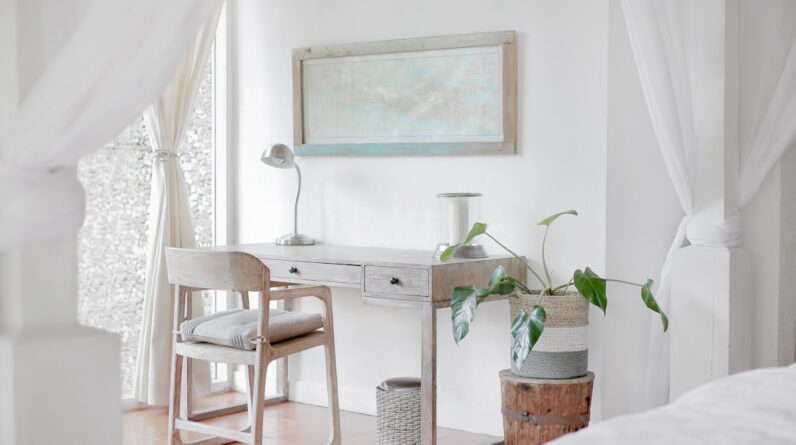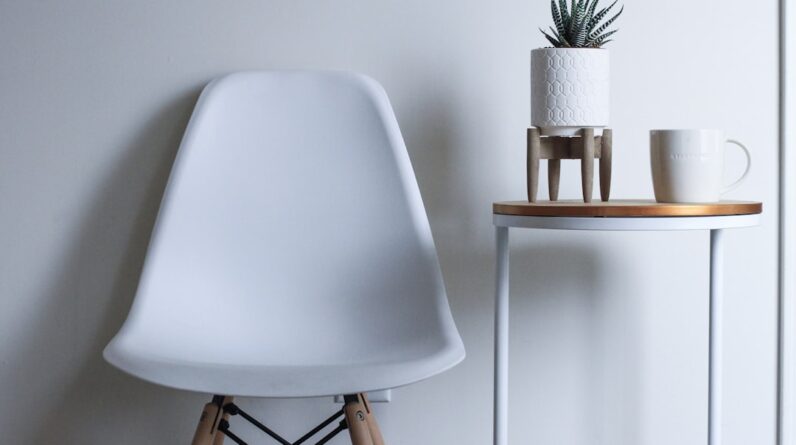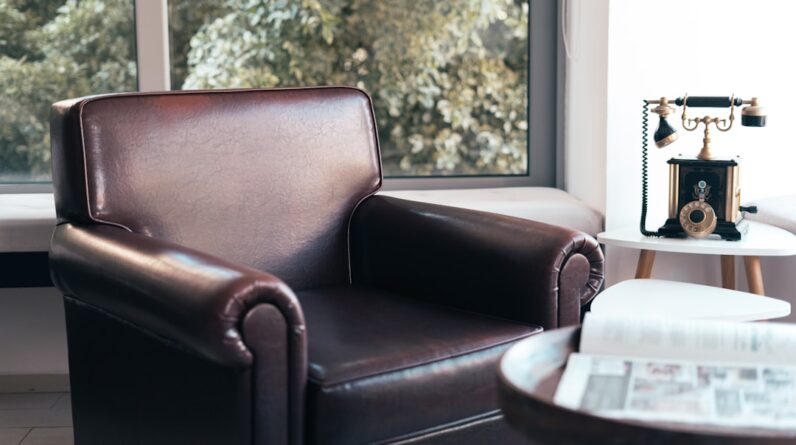
In a world that often feels fast-paced and ever-changing, there’s a certain charm in creating nostalgic nooks within your home. These spaces serve as a refuge, inviting you to pause and reflect on the beauty of the past while enjoying the comforts of the present. Nostalgic nooks are not merely about aesthetics; they evoke memories, emotions, and a sense of belonging.
By blending vintage elements with modern sensibilities, you can craft a space that resonates with your personal history and style. As you embark on this journey of design, consider how nostalgia can shape your environment. It’s not just about filling your home with old items; it’s about curating a collection that tells your story.
Whether it’s a cherished heirloom or a flea market find, each piece can contribute to a narrative that is uniquely yours. By embracing the timeless appeal of vintage design, you can create a sanctuary that feels both familiar and refreshing.
Key Takeaways
- Nostalgic nooks are cozy spaces that evoke feelings of nostalgia and comfort, often inspired by vintage design elements.
- Vintage design can provide inspiration for creating unique and timeless spaces that reflect personal style and history.
- Antique furniture can be seamlessly incorporated into modern spaces to add character and charm.
- Adding vintage accents to a contemporary home can create a sense of warmth and personality.
- Retro color schemes and patterns can be used to infuse a space with a nostalgic and playful vibe.
Finding Inspiration in Vintage Design
When it comes to vintage design, inspiration can be found in countless places. You might start by exploring antique shops, flea markets, or even your grandparents’ attic. Each of these locations holds the potential for discovery, offering a treasure trove of items that can spark your creativity.
As you sift through old photographs, furniture, and decor, allow yourself to be transported to different eras. Consider what styles resonate with you and how they can be integrated into your own space. Additionally, vintage design is often characterized by its rich history and storytelling potential.
You might find inspiration in the craftsmanship of mid-century modern furniture or the intricate details of Victorian decor. Each era has its own unique aesthetic, and by studying these styles, you can identify elements that speak to you. Whether it’s the bold colors of the 1970s or the elegance of Art Deco, understanding these influences will help you create a cohesive look that honors the past while remaining relevant today.
Incorporating Antique Furniture into Modern Spaces
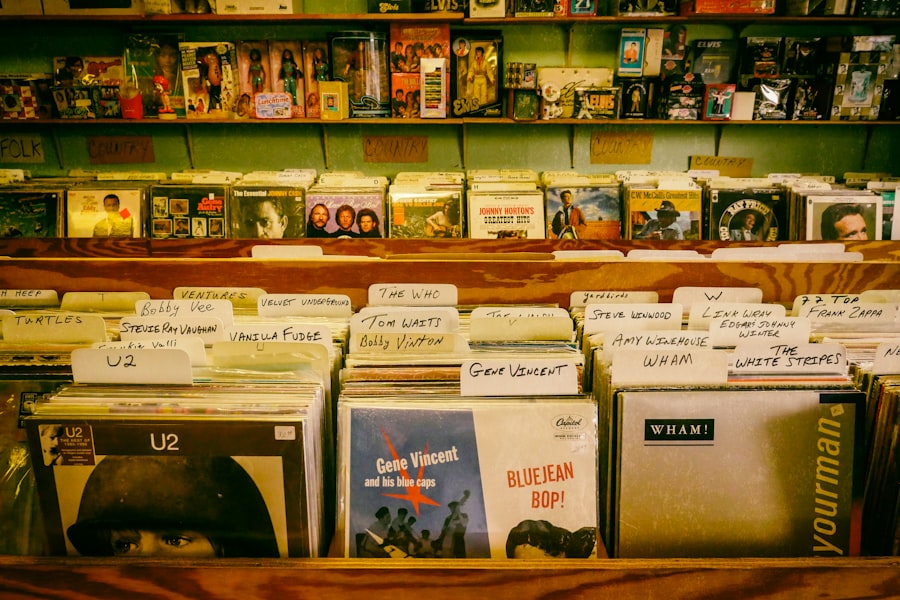
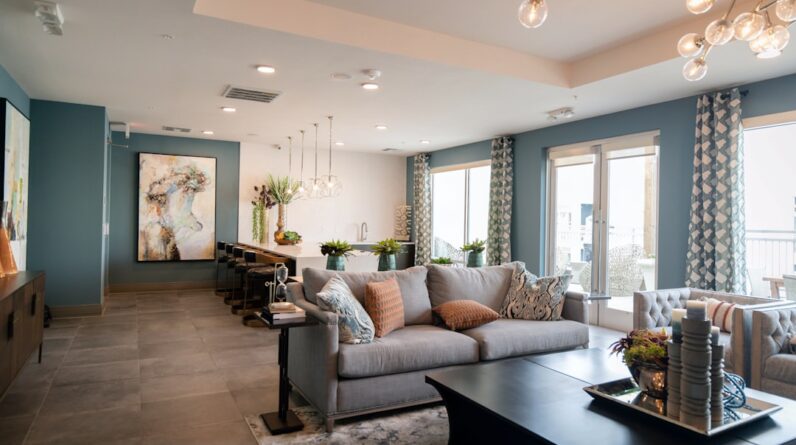
Integrating antique furniture into modern spaces can create a striking contrast that enhances the overall aesthetic of your home. Imagine a sleek, contemporary living room adorned with a beautifully restored Victorian armchair or a rustic farmhouse table paired with minimalist dining chairs. This juxtaposition not only adds character but also invites conversation and curiosity.
When selecting antique pieces, consider their scale and proportion in relation to your existing furniture to ensure harmony within the space. Moreover, incorporating antique furniture allows you to celebrate craftsmanship and history. Each piece carries its own story, and by placing it in a modern context, you breathe new life into it.
You might choose to mix and match styles or opt for a more curated approach by selecting items from the same era. Regardless of your choice, the key is to create balance—allowing the antique elements to shine without overwhelming the contemporary aspects of your home.
Adding Vintage Accents to a Contemporary Home
Vintage accents can serve as delightful focal points in a contemporary home, infusing warmth and personality into your decor. Think about incorporating vintage textiles such as quilts, throw pillows, or curtains that feature patterns reminiscent of bygone eras. These accents can soften the clean lines of modern furniture while adding layers of texture and color to your space.
A well-placed vintage rug can also anchor a room, providing both comfort and visual interest. In addition to textiles, consider using vintage accessories like lamps, mirrors, or artwork to enhance your decor. A retro lamp can illuminate a modern side table, while an antique mirror can create an illusion of space and light in a small room.
By thoughtfully selecting these accents, you can create a cohesive look that celebrates both contemporary design and vintage charm. Remember, it’s all about finding the right balance—allowing vintage pieces to complement rather than compete with modern elements.
Utilizing Retro Color Schemes and Patterns
Color plays a crucial role in establishing the mood of any space, and retro color schemes can evoke feelings of nostalgia while remaining stylishly relevant. Consider incorporating colors that were popular in past decades—such as muted pastels from the 1950s or bold jewel tones from the 1980s—into your home’s palette. These hues can be used on walls, furniture, or accessories to create an inviting atmosphere that pays homage to vintage aesthetics.
Patterns are another essential aspect of retro design. Floral prints, geometric shapes, and polka dots can add visual interest and depth to your decor. You might choose to incorporate these patterns through wallpaper, upholstery, or even artwork.
Mixing different patterns can create an eclectic look that feels both playful and sophisticated. As you experiment with color schemes and patterns, remember to maintain a sense of cohesion throughout your space—ensuring that each element works harmoniously together.
Creating a Cozy Vintage-Inspired Reading Corner
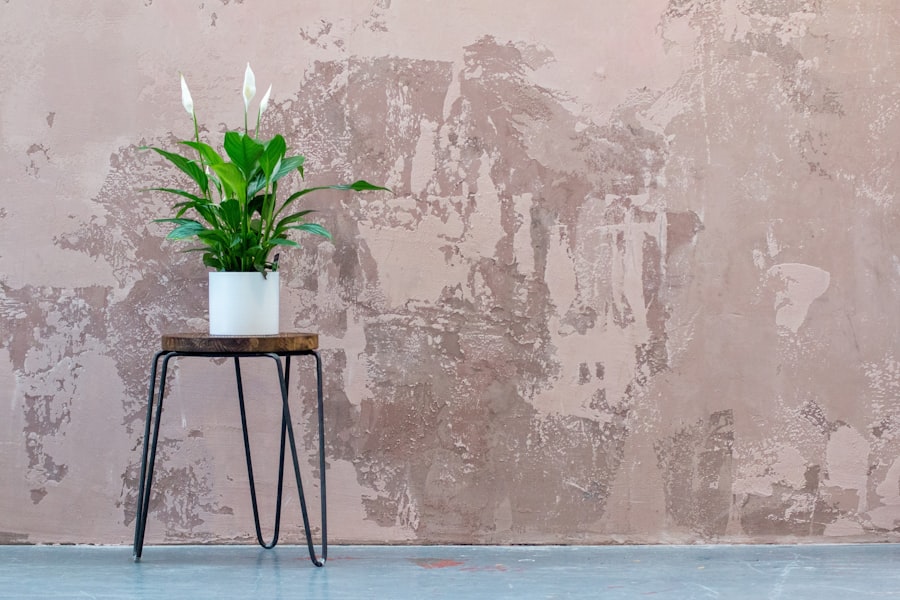
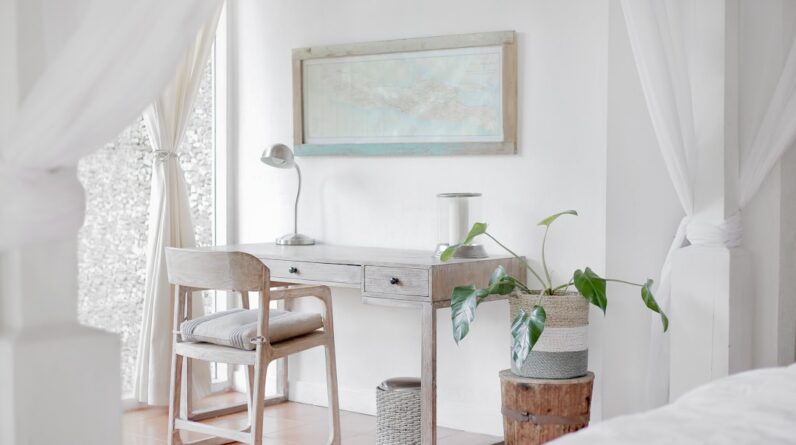
A cozy reading corner is an ideal way to embrace vintage design while creating a personal retreat within your home. Start by selecting a comfortable chair—perhaps an overstuffed armchair or a sleek mid-century modern piece—that invites you to sink in with a good book. Surround this chair with soft lighting, such as a vintage floor lamp or wall sconces that provide warm illumination for those late-night reading sessions.
To enhance the ambiance further, consider adding vintage-inspired accessories like an antique side table for your cup of tea or coffee. You might also incorporate shelves filled with classic literature or decorative objects that reflect your interests and passions. A cozy throw blanket draped over the chair adds an extra layer of comfort while also serving as a decorative element.
By curating this space thoughtfully, you’ll create an inviting nook that encourages relaxation and reflection.
Incorporating Vintage Art and Decorative Objects
Art and decorative objects are essential components of any well-designed space, and incorporating vintage pieces can add depth and character to your home. Consider displaying vintage artwork—whether it’s an original painting or a framed print—that resonates with you personally. These pieces can serve as conversation starters while also enhancing the overall aesthetic of your space.
In addition to artwork, decorative objects such as vases, sculptures, or collectibles can add personality to your decor. Look for items that reflect your interests or tell a story—perhaps a vintage globe from your travels or an antique clock passed down through generations. By thoughtfully arranging these objects on shelves or tabletops, you’ll create visual interest while celebrating the beauty of vintage design.
Embracing the Timeless Appeal of Vintage Design
As you explore the world of vintage design, you’ll discover its timeless appeal lies in its ability to evoke emotions and memories while creating spaces that feel uniquely yours. By incorporating antique furniture, vintage accents, retro color schemes, and decorative objects into your home, you can craft an environment that honors the past while embracing modern sensibilities. Nostalgic nooks not only provide comfort but also invite reflection on the stories that shape our lives.
Ultimately, embracing vintage design is about more than just aesthetics; it’s about creating spaces that resonate with who you are and where you’ve been. As you curate your home with these elements in mind, remember that each piece has its own story to tell—one that contributes to the rich tapestry of your life. So go ahead and dive into the world of nostalgic nooks; you may find that they offer not just beauty but also a deeper connection to yourself and your history.
FAQs
What are some popular vintage elements that can be incorporated into modern design?
Some popular vintage elements that can be incorporated into modern design include mid-century furniture, retro appliances, vintage artwork, antique rugs, and nostalgic color palettes.
How can vintage elements be integrated into a modern design without looking outdated?
Vintage elements can be integrated into a modern design by mixing them with contemporary pieces, using them as accent pieces rather than overwhelming the space, and incorporating them in a way that complements the overall aesthetic of the room.
What are some tips for incorporating vintage elements into a modern design?
Some tips for incorporating vintage elements into a modern design include choosing quality pieces, mixing and matching different eras, balancing vintage and modern elements, and paying attention to scale and proportion.
What are the benefits of incorporating vintage elements into modern design?
Incorporating vintage elements into modern design can add character and charm to a space, create a sense of nostalgia, and provide a unique and personalized touch to the overall design.
How can vintage elements be used to create a cohesive design in a modern space?
Vintage elements can be used to create a cohesive design in a modern space by selecting a specific era or style to focus on, incorporating vintage elements that complement the existing color scheme and furniture, and paying attention to the overall balance and harmony of the design.