As you delve into the world of interior design, it becomes increasingly clear that sustainable practices are not just a trend but a necessity. The importance of sustainability in this field cannot be overstated, as it directly impacts the environment, human health, and the overall quality of life. By embracing sustainable practices, you contribute to a healthier planet and create spaces that are not only aesthetically pleasing but also functional and responsible.
The choices you make in materials, design, and construction can significantly reduce waste and energy consumption, leading to a more sustainable future. Moreover, understanding the importance of sustainable practices allows you to connect with clients on a deeper level. Many individuals today are more environmentally conscious and seek to incorporate eco-friendly elements into their homes and workplaces.
By prioritizing sustainability in your designs, you not only meet their expectations but also educate them about the benefits of these choices. This approach fosters a sense of responsibility and awareness, encouraging clients to think critically about their consumption habits and the impact they have on the environment.
Key Takeaways
- Sustainable practices in interior design are important for reducing environmental impact and promoting a healthier living environment.
- Incorporating sustainable materials and products into interior design can help reduce waste and support eco-friendly production methods.
- Maximizing energy efficiency through interior design involves using natural light, energy-efficient appliances, and proper insulation.
- Implementing water conservation in interior design includes using low-flow fixtures and incorporating water-saving technologies.
- Promoting indoor air quality through sustainable design practices involves using non-toxic materials and proper ventilation systems.
Incorporating Sustainable Materials and Products into Interior Design
Renewable and Locally Sourced Materials
You have a wide range of options to choose from, including reclaimed wood, bamboo flooring, and other materials that offer unique benefits while minimizing environmental impact. By opting for materials that are renewable, recycled, or sourced locally, you can significantly reduce the carbon footprint associated with transportation and production.
Supporting Local Economies and Sustainability
This approach not only supports local economies but also ensures that your designs are rooted in sustainability. In addition to traditional materials, consider incorporating innovative products that prioritize sustainability.
Innovative Products for a Healthier Lifestyle
For instance, low-VOC paints and finishes contribute to healthier indoor air quality while reducing harmful emissions. You might also explore furniture made from recycled materials or textiles produced through eco-friendly processes. By integrating these sustainable products into your designs, you create spaces that are not only beautiful but also promote a healthier lifestyle for your clients.
Maximizing Energy Efficiency through Interior Design

Energy efficiency is a cornerstone of sustainable interior design, and there are numerous strategies you can employ to maximize it in your projects. One effective approach is to focus on natural lighting. By strategically placing windows and using reflective surfaces, you can enhance daylighting in a space, reducing the need for artificial lighting during the day.
This not only lowers energy consumption but also creates a more inviting atmosphere for occupants. Additionally, consider the role of insulation and energy-efficient appliances in your designs. Proper insulation helps maintain comfortable indoor temperatures while minimizing heating and cooling costs.
You can also recommend energy-efficient appliances that consume less power without sacrificing performance. By integrating these elements into your designs, you empower clients to make informed choices that lead to long-term energy savings and a reduced environmental impact.
Implementing Water Conservation in Interior Design
Water conservation is another critical aspect of sustainable interior design that you should prioritize. With water scarcity becoming an increasingly pressing issue worldwide, implementing strategies to reduce water usage in your designs is essential. Start by selecting fixtures that promote water efficiency, such as low-flow faucets and dual-flush toilets.
These products not only conserve water but also help clients save on their utility bills. In addition to fixtures, consider incorporating drought-resistant landscaping for outdoor spaces. Native plants require less water and maintenance, making them an ideal choice for sustainable design.
You might also explore rainwater harvesting systems that collect and store rainwater for irrigation or other non-potable uses. By integrating these water conservation strategies into your designs, you contribute to a more sustainable future while enhancing the overall functionality of the spaces you create.
Promoting Indoor Air Quality through Sustainable Design Practices
Indoor air quality is often overlooked in interior design, yet it plays a crucial role in the health and well-being of occupants. As you design spaces, consider how your choices can promote cleaner air. Opt for materials that emit fewer pollutants and toxins, such as natural fibers and non-toxic finishes.
This not only enhances indoor air quality but also creates a healthier environment for clients. Furthermore, incorporating plants into your designs can significantly improve indoor air quality. Plants act as natural air purifiers, absorbing carbon dioxide and releasing oxygen while filtering out harmful pollutants.
You might suggest creating green walls or incorporating potted plants throughout the space to enhance both aesthetics and air quality. By prioritizing indoor air quality in your designs, you demonstrate a commitment to the health and well-being of your clients.
Integrating Sustainable Furniture and Decor into Interior Design
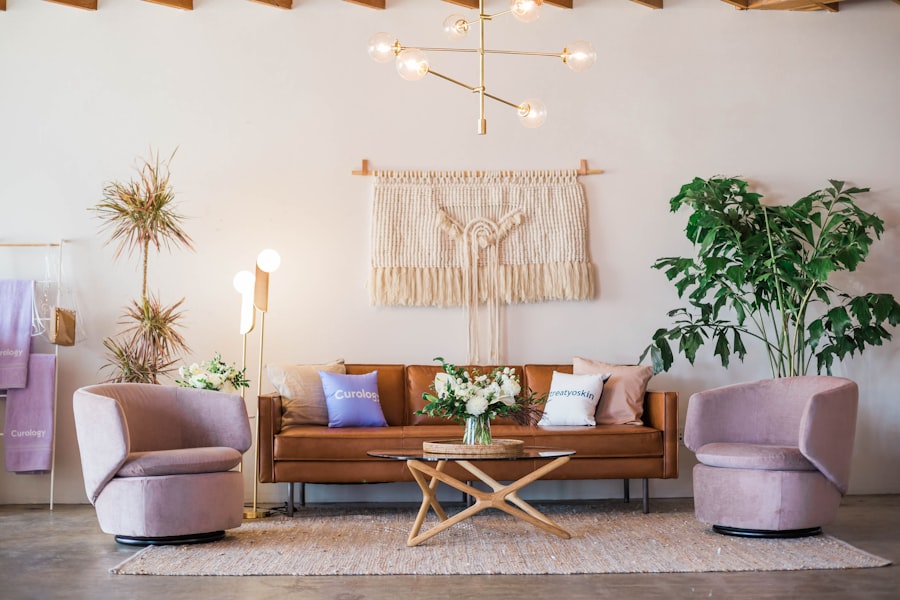
Furniture and decor are essential components of any interior design project, and choosing sustainable options can make a significant difference. When selecting furniture, look for pieces made from sustainably sourced materials or those that have been reclaimed or upcycled. This not only reduces waste but also adds character and uniqueness to your designs.
In addition to furniture, consider the decor elements you incorporate into your spaces. Choose textiles made from organic materials or those produced through ethical practices. You might also explore local artisans who create handmade decor items using sustainable methods.
By integrating these sustainable furniture and decor options into your designs, you create spaces that reflect a commitment to both style and sustainability.
Educating Clients on Sustainable Living Practices Beyond the Initial Design Phase
Your role as an interior designer extends beyond creating beautiful spaces; it also involves educating clients about sustainable living practices that can be implemented long after the design phase is complete. Take the time to discuss the importance of maintaining energy-efficient appliances or regularly checking insulation to ensure optimal performance. By providing clients with practical tips and resources, you empower them to make informed decisions that align with their sustainability goals.
Encouraging clients to adopt sustainable habits can also foster a sense of community and responsibility. You might suggest organizing workshops or events focused on sustainable living practices, where clients can learn from experts and share their experiences with others. By fostering this sense of community, you not only enhance client relationships but also contribute to a broader movement toward sustainability.
Collaborating with Sustainable Suppliers and Contractors for Ongoing Maintenance and Upkeep
To ensure the longevity of your sustainable designs, collaborating with suppliers and contractors who share your commitment to sustainability is essential. Establishing relationships with vendors who prioritize eco-friendly practices allows you to source materials and products that align with your values. This collaboration ensures that every aspect of your design remains consistent with sustainable principles.
Additionally, consider partnering with contractors who specialize in green building practices for ongoing maintenance and upkeep of your projects. These professionals can provide valuable insights into energy-efficient upgrades or eco-friendly renovations that may be necessary over time. By fostering these partnerships, you create a network of support that enhances the sustainability of your designs while providing clients with reliable resources for maintaining their spaces.
In conclusion, embracing sustainable practices in interior design is not just about aesthetics; it’s about creating spaces that promote health, well-being, and environmental responsibility. By understanding the importance of sustainability, incorporating eco-friendly materials, maximizing energy efficiency, implementing water conservation strategies, promoting indoor air quality, integrating sustainable furniture and decor, educating clients on sustainable living practices, and collaborating with like-minded suppliers and contractors, you position yourself as a leader in the field of sustainable interior design. Your commitment to these principles will not only benefit your clients but also contribute to a more sustainable future for all.
FAQs
What are interior design services?
Interior design services involve the planning, design, and coordination of interior spaces to create functional and aesthetically pleasing environments. This can include selecting furniture, color schemes, lighting, and other elements to enhance the overall design of a space.
What are sustainable practices in interior design?
Sustainable practices in interior design involve using environmentally friendly materials, reducing energy consumption, and minimizing waste. This can include using recycled or upcycled materials, choosing energy-efficient appliances, and incorporating natural lighting and ventilation.
How can interior design services incorporate sustainable practices into daily living beyond the initial design phase?
Interior design services can assist in incorporating sustainable practices into daily living by recommending eco-friendly products, providing guidance on energy-efficient solutions, and promoting a holistic approach to sustainable living. This can include educating clients on sustainable lifestyle choices and helping them make environmentally conscious decisions in their daily routines.
What are some examples of sustainable practices that can be incorporated into daily living through interior design services?
Examples of sustainable practices that can be incorporated into daily living through interior design services include using non-toxic and low VOC (volatile organic compound) paints, selecting furniture made from sustainable materials such as bamboo or reclaimed wood, and integrating smart home technology to monitor and reduce energy consumption.
How can interior design services help in creating a healthier and more sustainable living environment?
Interior design services can help create a healthier and more sustainable living environment by promoting the use of natural and non-toxic materials, optimizing indoor air quality, and designing spaces that encourage sustainable habits such as recycling and composting. Additionally, interior designers can recommend energy-efficient solutions to reduce the environmental impact of daily living.