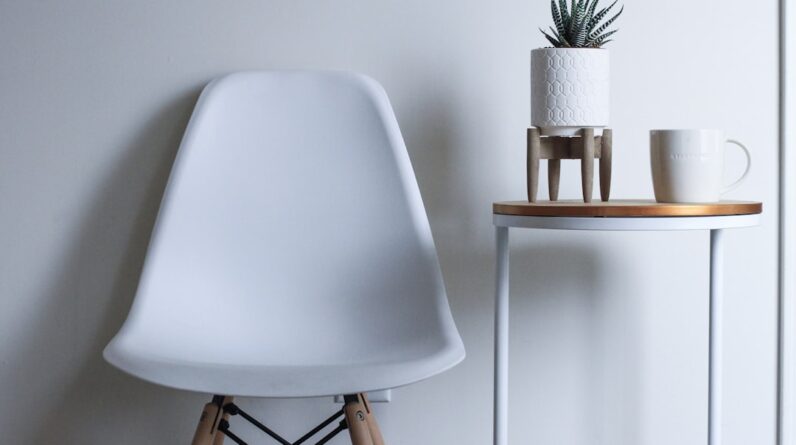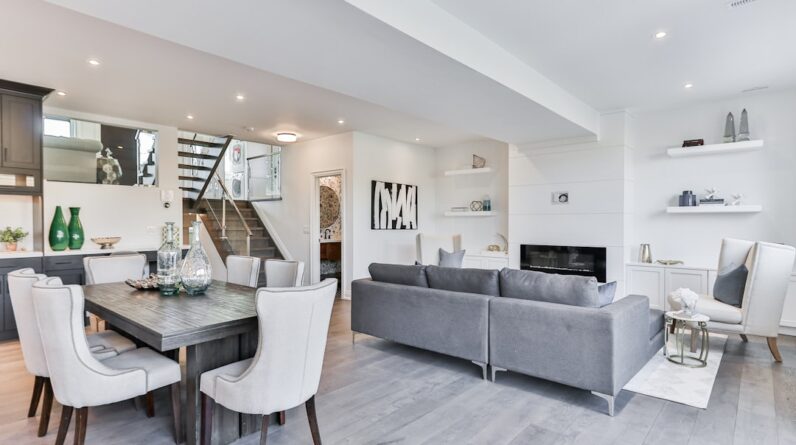
In recent years, you may have noticed a significant shift in interior design trends, with minimalism taking center stage. This movement emphasizes simplicity, functionality, and a clutter-free environment, allowing you to focus on what truly matters in your living space. The rise of minimalism can be attributed to various factors, including the fast-paced nature of modern life and a growing desire for mindfulness.
As you navigate through your daily routines, the minimalist approach encourages you to create a sanctuary that promotes peace and tranquility. Minimalism is not just about reducing the number of items in your home; it’s a lifestyle choice that reflects your values and priorities. By embracing this design philosophy, you can cultivate an environment that fosters clarity and calmness.
You might find that a minimalist space allows you to appreciate the beauty of each piece you choose to keep, whether it’s a cherished artwork or a functional piece of furniture. As you curate your surroundings, you’ll likely discover that less truly is more, leading to a more fulfilling and intentional way of living.
Key Takeaways
- Minimalism in interior design is on the rise, focusing on simplicity and functionality.
- Embrace natural materials and earthy tones to bring a sense of warmth and connection to the environment.
- Declutter and organize your living space to create a sense of calm and tranquility.
- Incorporate functional and multi-purpose furniture to maximize space and efficiency.
- Utilize neutral color palettes to create a serene and peaceful atmosphere in your home.
Embracing Natural Materials and Earthy Tones
Embracing the Essence of Nature in Your Home
Natural Materials for a Warm Atmosphere
Incorporating natural materials such as wood, stone, and organic textiles can create a warm and inviting atmosphere in your home. These materials not only add texture and depth but also connect you to nature, fostering a sense of grounding and stability.
The Power of Earthy Tones
Earthy tones, such as soft browns, muted greens, and warm grays, can evoke a sense of calmness and serenity. When you choose a color palette that reflects the natural world, you create a harmonious environment that encourages relaxation and mindfulness. The tactile quality of natural materials can also enhance your overall experience within your space, making it feel more alive and vibrant.
Transforming Your Space into a Sanctuary
You might consider painting your walls in soft taupe or incorporating terracotta accents to bring warmth into your home. By thoughtfully selecting colors and materials that resonate with you, you can transform your living space into a sanctuary that nurtures your well-being.
Decluttering and Organizing Your Living Space
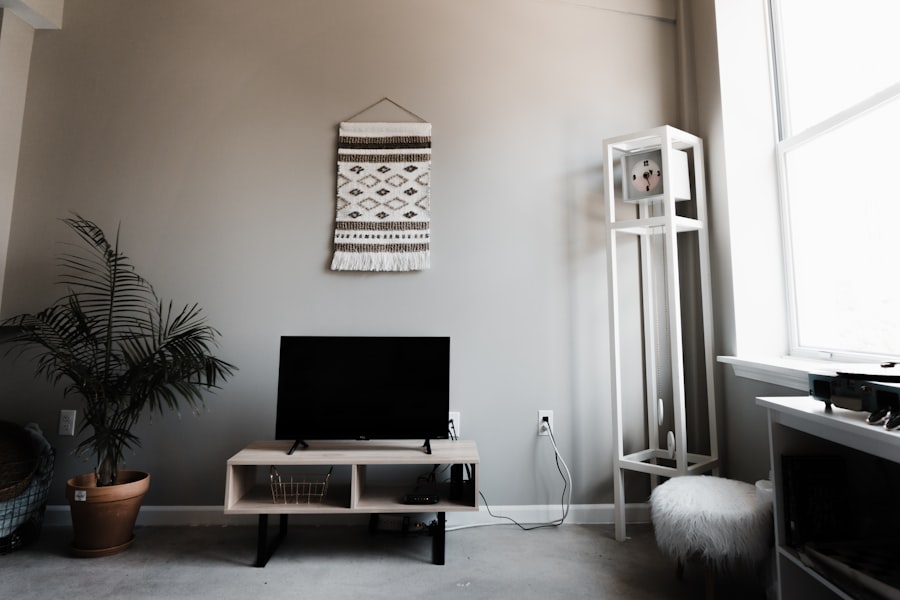
One of the fundamental principles of minimalism is decluttering, which involves removing unnecessary items from your living space. As you embark on this journey, it’s essential to approach decluttering with intention and mindfulness. Start by assessing each room in your home and identifying items that no longer serve a purpose or bring you joy.
This process can be liberating, allowing you to let go of possessions that weigh you down emotionally and physically. Once you’ve decluttered, organizing your space becomes crucial in maintaining a minimalist lifestyle. You may want to invest in storage solutions that are both functional and aesthetically pleasing.
Consider using baskets, shelves, or decorative boxes to keep your belongings neatly arranged while still showcasing your personal style. By creating designated spaces for your items, you’ll find it easier to maintain order in your home, ultimately leading to a more peaceful and enjoyable living environment.
Incorporating Functional and Multi-purpose Furniture
In a minimalist home, every piece of furniture should serve a purpose while also contributing to the overall aesthetic. As you select furniture for your space, consider opting for functional and multi-purpose pieces that maximize utility without sacrificing style. For instance, a coffee table with built-in storage can help keep your living area tidy while providing a surface for drinks or books.
Similarly, a sofa bed can transform your guest room into a cozy retreat without taking up unnecessary space. When choosing furniture, think about how each piece can adapt to your lifestyle. You might find that modular furniture allows for flexibility in your living arrangements, enabling you to rearrange your space as needed.
By prioritizing functionality in your furniture choices, you’ll create an environment that supports your daily activities while maintaining the minimalist ethos of simplicity and clarity.
Utilizing Neutral Color Palettes for a Serene Atmosphere
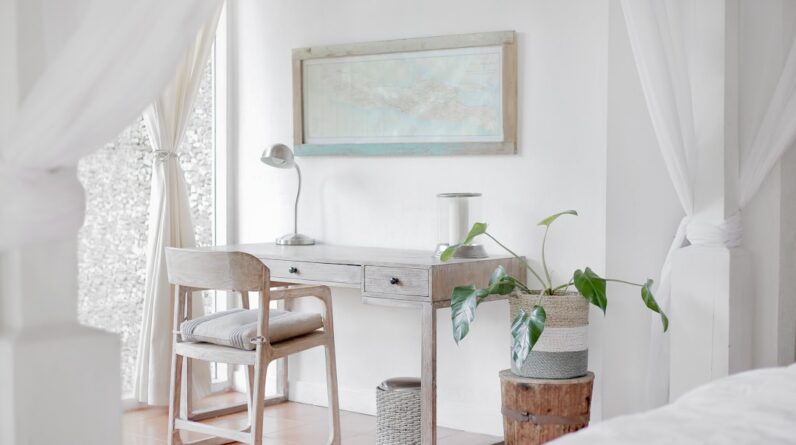
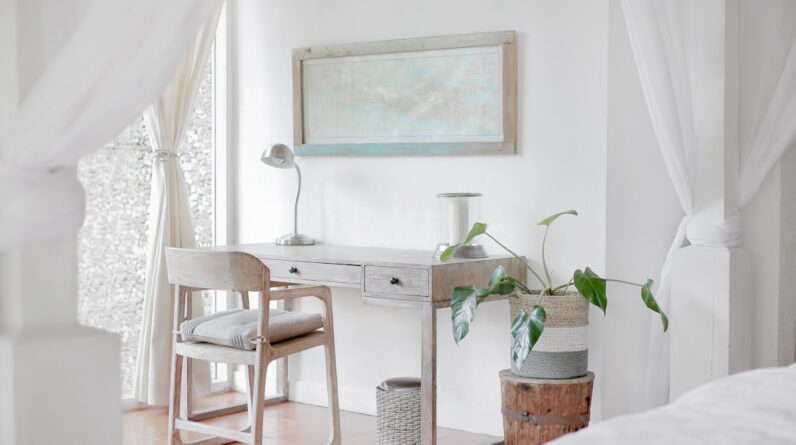
A neutral color palette is another hallmark of minimalist design that can significantly impact the ambiance of your home. By utilizing shades such as whites, beiges, and soft grays, you create a serene backdrop that allows other elements in your space to shine. This approach not only enhances the feeling of spaciousness but also promotes a sense of calmness and tranquility.
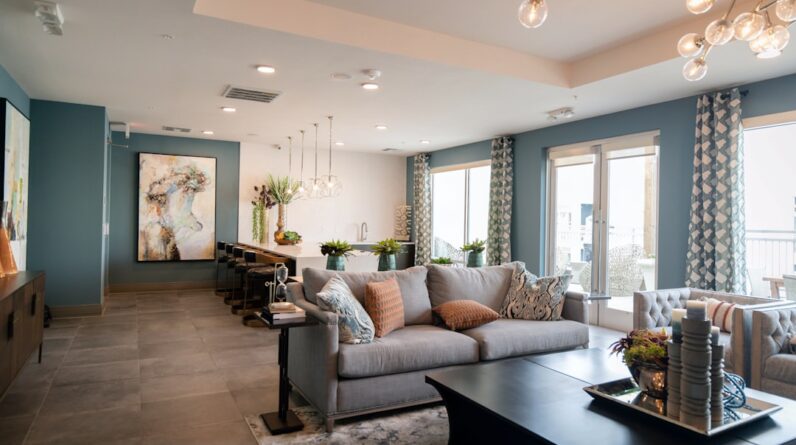
As you experiment with different neutral tones, consider how they interact with natural light throughout the day to create varying moods. Incorporating pops of color through accessories or artwork can add personality to your neutral palette without overwhelming the space. You might choose to introduce vibrant cushions or a striking piece of art that draws the eye while still maintaining the overall minimalist aesthetic.
By striking this balance between neutrality and individuality, you’ll cultivate an environment that feels both inviting and harmonious.
Bringing the Outdoors In with Biophilic Design
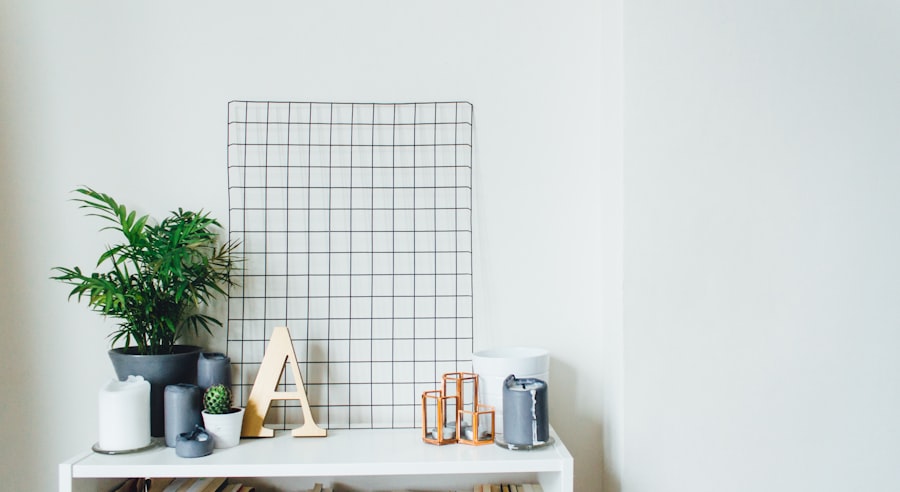
Nurturing Well-being with Natural Elements
Adding plants, natural light, and organic shapes can create a sense of well-being and promote relaxation. You might find that introducing greenery into your home not only purifies the air but also elevates your mood and fosters creativity.
Maximizing Natural Light
To embrace biophilic design fully, think about how you can maximize natural light in your space. Large windows or strategically placed mirrors can help reflect light and create an airy atmosphere.
Integrating Natural Materials
Additionally, consider using natural materials like wood or stone in your decor to further bridge the gap between indoor and outdoor environments. By integrating these elements into your home, you’ll cultivate a space that feels connected to nature while still adhering to minimalist principles.
Simplifying Technology Integration for a Seamless Experience
In today’s digital age, technology plays an integral role in our lives; however, it can also contribute to clutter if not managed properly. As you embrace minimalism in your home, consider how you can simplify technology integration for a seamless experience. Start by evaluating the devices you use daily and determine which ones are essential for your lifestyle.
By streamlining your technology setup, you’ll create a more organized environment that aligns with minimalist values. You might also explore smart home solutions that allow for efficient control of various devices from one central hub. This approach not only reduces clutter but also enhances convenience in your daily routines.
Additionally, consider concealing cords and cables with cable management solutions to maintain a clean aesthetic throughout your space. By thoughtfully integrating technology into your minimalist home, you’ll create an environment that supports both functionality and tranquility.
Creating a Cozy and Comfortable Home Environment
While minimalism often emphasizes simplicity and functionality, it’s essential not to overlook the importance of comfort in your living space. As you curate your home, focus on creating an inviting atmosphere that encourages relaxation and connection with loved ones. You might achieve this by incorporating soft textiles such as plush throws or cushions that invite you to unwind after a long day.
Lighting also plays a crucial role in establishing a cozy ambiance within your home. Consider using warm-toned bulbs or adjustable lighting options to create different moods throughout the day. You may find that layering various light sources—such as floor lamps, table lamps, and candles—adds depth and warmth to your space.
By prioritizing comfort alongside minimalism, you’ll cultivate an environment that feels both serene and welcoming. In conclusion, embracing minimalism in interior design offers numerous benefits for creating a harmonious living space. By focusing on natural materials, decluttering effectively, incorporating functional furniture, utilizing neutral color palettes, embracing biophilic design principles, simplifying technology integration, and prioritizing comfort, you can transform your home into a sanctuary that reflects your values and enhances your well-being.
As you embark on this journey toward minimalism, remember that it’s not just about aesthetics; it’s about cultivating an intentional lifestyle that brings joy and clarity into every aspect of your life.
FAQs
What is modern interior design?
Modern interior design is a style that emerged in the early 20th century and is characterized by clean, sleek lines, a simple color palette, and a focus on function and organization. It often incorporates elements of minimalism and industrial design.
What is simplicity in interior design?
Simplicity in interior design refers to the use of clean lines, uncluttered spaces, and a focus on functionality. It involves using minimal decoration and a neutral color palette to create a sense of calm and order in a space.
How can simplicity be incorporated into modern interior design?
Simplicity can be incorporated into modern interior design by using a neutral color palette, decluttering the space, choosing furniture with clean lines, and focusing on functionality and organization. It also involves using minimal decoration and avoiding excessive ornamentation.
What are the benefits of simplicity in interior design?
Simplicity in interior design can create a sense of calm and order in a space, reduce visual clutter, and make the space feel more open and airy. It can also make it easier to maintain and clean the space, and can create a timeless and elegant aesthetic.
How does simplicity in interior design relate to the concept of “back to basics”?
The concept of “back to basics” in interior design refers to a return to simple, timeless design principles and a focus on functionality and organization. It involves stripping away excess decoration and focusing on the essentials, which aligns with the principles of simplicity in interior design.