When embarking on a design project, the first and most crucial step is to understand your client’s needs. This process goes beyond merely asking what they want; it involves delving into their lifestyle, preferences, and aspirations. You should engage in meaningful conversations to uncover their vision for the space.
Ask open-ended questions that encourage them to express their thoughts and feelings about their current environment. What do they love? What frustrates them?
By actively listening, you can gather insights that will guide your design decisions. Moreover, understanding your client’s needs also means recognizing their practical requirements. Consider factors such as the number of occupants, their daily routines, and any specific activities they wish to accommodate within the space.
For instance, if your client is a family with young children, you might prioritize safety and durability in your design choices. Alternatively, if they are professionals who work from home, you may need to create a dedicated workspace that fosters productivity. By synthesizing both emotional and practical aspects, you can create a design that resonates deeply with your client.
Key Takeaways
- Understanding the client’s needs is crucial for creating a personalized and functional design.
- Effective space planning and layout can optimize the use of space and improve the flow of the room.
- Maximizing storage and organization helps to keep the space clutter-free and efficient.
- Incorporating multi-functional furniture can maximize the use of space and add versatility to the design.
- Utilizing lighting and color schemes can enhance the ambiance and mood of the space.
Space Planning and Layout
Assessing the Space
Begin by assessing the dimensions and characteristics of the area you are working with. Consider how different zones can be created to serve various functions, such as living, dining, and working areas.
Optimizing Functionality and Aesthetic Appeal
A well-thought-out layout not only enhances the aesthetic appeal but also improves the overall functionality of the space. In this stage, you should also think about traffic flow and accessibility. How will people move through the space? Are there any potential bottlenecks that could hinder movement?
Creating a Seamless Flow
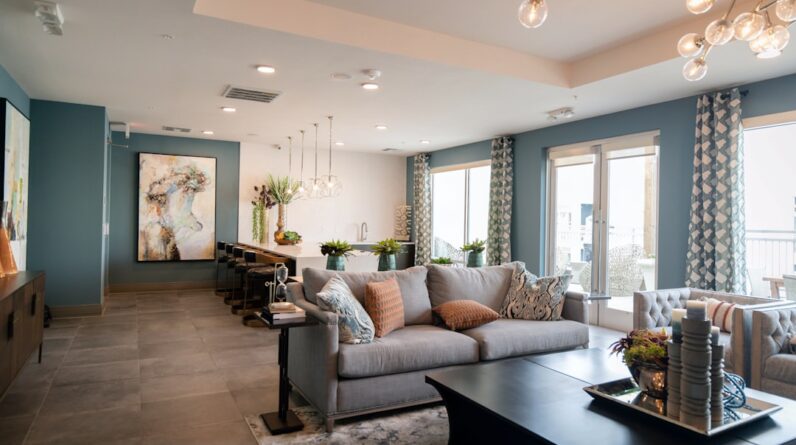
By strategically placing furniture and defining pathways, you can create a seamless flow that allows occupants to navigate effortlessly. Additionally, consider the relationship between different areas; for example, an open-concept layout can foster a sense of connection between the kitchen and living room while still allowing for distinct zones.
Effective Space Planning
Ultimately, effective space planning ensures that every square foot serves a purpose and contributes to the overall harmony of the design.
Maximizing Storage and Organization
In any design project, maximizing storage and organization is essential for creating a functional and clutter-free environment. You should assess your client’s belongings and identify their storage needs early in the design process. This involves not only providing adequate storage solutions but also ensuring that they are easily accessible and aesthetically pleasing.
Think about incorporating built-in cabinetry, shelving units, or even under-bed storage to make the most of every inch. Additionally, consider creative organization solutions that align with your client’s lifestyle. For instance, if they are avid readers, a dedicated reading nook with built-in bookshelves could be both practical and inviting.
If they enjoy cooking, a well-organized kitchen with pull-out drawers for pots and pans can enhance efficiency. By tailoring storage solutions to your client’s specific needs, you can create a space that feels both organized and personalized.
Incorporating Multi-functional Furniture
In today’s world, where space is often at a premium, incorporating multi-functional furniture is a game-changer in design. This approach allows you to maximize utility without sacrificing style. When selecting furniture pieces, look for items that serve more than one purpose.
For example, a sofa bed can transform a living room into a guest room when needed, while an ottoman with hidden storage can provide both seating and a place to stow away blankets or magazines. Moreover, multi-functional furniture can enhance flexibility within the space. Consider modular furniture that can be rearranged or expanded based on your client’s needs.
This adaptability is particularly beneficial for clients who entertain frequently or have evolving family dynamics. By integrating versatile pieces into your design, you not only optimize space but also create an environment that can adapt to changing lifestyles.
Utilizing Lighting and Color Schemes
Lighting and color schemes play a pivotal role in setting the mood and atmosphere of any space. As you work on your design, consider how different lighting options can enhance functionality while also creating an inviting ambiance. Layered lighting—combining ambient, task, and accent lighting—can provide flexibility for various activities throughout the day.
For instance, bright task lighting in a kitchen can facilitate meal preparation, while soft ambient lighting in a living room can create a cozy atmosphere for relaxation. Color schemes are equally important in influencing how a space feels. You should work closely with your client to select colors that resonate with their personality while also considering the psychological effects of different hues.
Warm tones like reds and oranges can evoke energy and warmth, while cool tones like blues and greens promote calmness and tranquility. By thoughtfully combining lighting and color schemes, you can create a harmonious environment that reflects your client’s style and enhances their overall experience within the space.
Creating a Flow and Circulation
Creating flow and circulation within a space is essential for ensuring comfort and functionality. As you design, think about how people will move through the area and interact with different zones. A well-planned layout should facilitate easy movement without obstruction or confusion.
You might consider using furniture placement to define pathways or utilizing area rugs to visually separate different spaces while maintaining an open feel. Additionally, consider how the design elements contribute to the overall flow of the space. For example, using consistent materials or colors throughout can create visual continuity that guides the eye from one area to another.
You should also pay attention to sightlines; ensuring that key focal points are visible from various angles can enhance the sense of openness and connection within the design. By prioritizing flow and circulation, you create an environment that feels cohesive and inviting.
Incorporating Technology and Smart Home Features
Incorporating technology and smart home features into your design can significantly enhance convenience and efficiency for your clients. As technology continues to evolve, integrating smart devices into residential spaces has become increasingly popular. Consider incorporating smart lighting systems that allow users to control brightness and color temperature through their smartphones or voice commands.
This not only adds convenience but also allows for customization based on mood or activity. Moreover, think about other smart home features that align with your client’s lifestyle. For instance, smart thermostats can optimize energy usage while maintaining comfort levels, while security systems can provide peace of mind for homeowners.
You might also explore options for integrated sound systems or home automation hubs that streamline control over various devices. By thoughtfully incorporating technology into your design, you create a modern living environment that enhances both functionality and comfort.
Incorporating Sustainable and Eco-Friendly Design Elements
As awareness of environmental issues grows, incorporating sustainable and eco-friendly design elements has become increasingly important in modern design practices. You should consider using materials that are sourced responsibly or have low environmental impact, such as reclaimed wood or recycled metal fixtures. Additionally, selecting energy-efficient appliances and fixtures can significantly reduce energy consumption while still providing high performance.
Furthermore, think about how natural elements can be integrated into your design to promote sustainability. Incorporating plants not only enhances aesthetics but also improves air quality within the space. You might also explore options for maximizing natural light through strategically placed windows or skylights, reducing reliance on artificial lighting during the day.
By prioritizing sustainability in your design choices, you not only create a beautiful space but also contribute positively to the environment. In conclusion, successful interior design hinges on understanding client needs, effective space planning, maximizing storage solutions, incorporating multi-functional furniture, utilizing lighting and color schemes thoughtfully, creating flow within spaces, integrating technology seamlessly, and embracing sustainable practices. Each of these elements plays a vital role in crafting environments that are not only visually appealing but also functional and reflective of individual lifestyles.
As you navigate through these considerations in your design projects, remember that the ultimate goal is to create spaces where clients feel comfortable, inspired, and truly at home.
FAQs
What is interior design?
Interior design is the art and science of enhancing the interior of a space to achieve a healthier and more aesthetically pleasing environment for the people using the space.
How do interior design services enhance the functionality of a space?
Interior design services enhance the functionality of a space by optimizing the layout, improving the flow of movement, and maximizing the use of space to meet the specific needs and requirements of the occupants.
What are some ways interior design services improve functionality?
Interior design services improve functionality by incorporating efficient storage solutions, selecting appropriate furniture and fixtures, and creating versatile and multi-functional areas within the space.
How do interior designers assess the functionality of a space?
Interior designers assess the functionality of a space by considering the needs and activities of the occupants, evaluating the existing layout and flow, and identifying any potential obstacles or inefficiencies that need to be addressed.
What are the benefits of hiring interior design services for improving functionality?
The benefits of hiring interior design services for improving functionality include maximizing the use of space, creating a more comfortable and efficient environment, and enhancing the overall usability and practicality of the space.