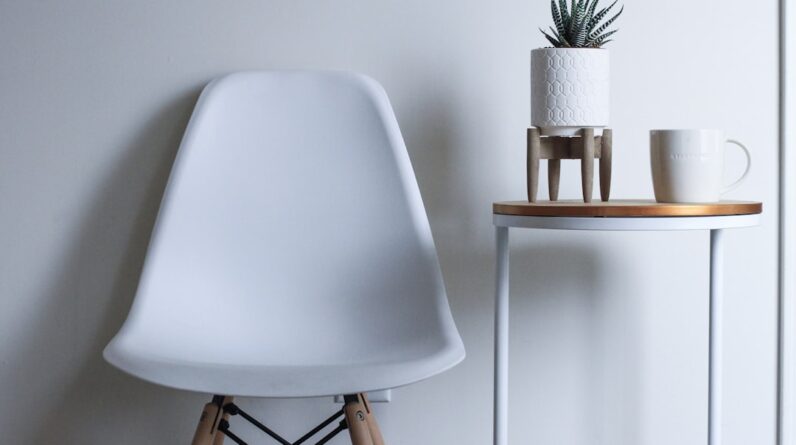
In a world that is constantly evolving, the concept of timeless and enduring aesthetics remains a beacon of stability and inspiration. You may find yourself drawn to designs that transcend fleeting trends, capturing the essence of beauty and functionality in a way that feels both familiar and fresh. Timeless aesthetics are not merely about adhering to a specific style; they embody principles that resonate across generations, allowing you to appreciate their elegance regardless of the era.
This enduring quality is what makes certain designs stand out, inviting admiration and evoking a sense of nostalgia. As you explore the realm of timeless design, you will discover that it is rooted in a deep understanding of human experience and emotion. The most successful designs often reflect a balance between artistic expression and practical utility, creating an environment that feels both inviting and inspiring.
By embracing these principles, you can cultivate spaces and objects that not only serve their purpose but also enrich your life with their beauty and significance. In this article, we will delve into the key elements that contribute to timeless aesthetics, offering insights that can guide your own design journey.
Key Takeaways
- Timeless and enduring aesthetics focus on design elements that stand the test of time and remain relevant and appealing for years to come.
- Simplicity and minimalism play a crucial role in timeless design, as they help to create a clean and uncluttered look that is both elegant and enduring.
- Balancing form and function is essential in timeless design, as it ensures that the aesthetic appeal of a design does not compromise its practicality and usability.
- Quality materials and craftsmanship are key components of timeless design, as they contribute to the longevity and durability of a product or space.
- Proportion and scale have a significant impact on timeless design, as they help to create a sense of balance and harmony in a space or product.
The Role of Simplicity and Minimalism in Design
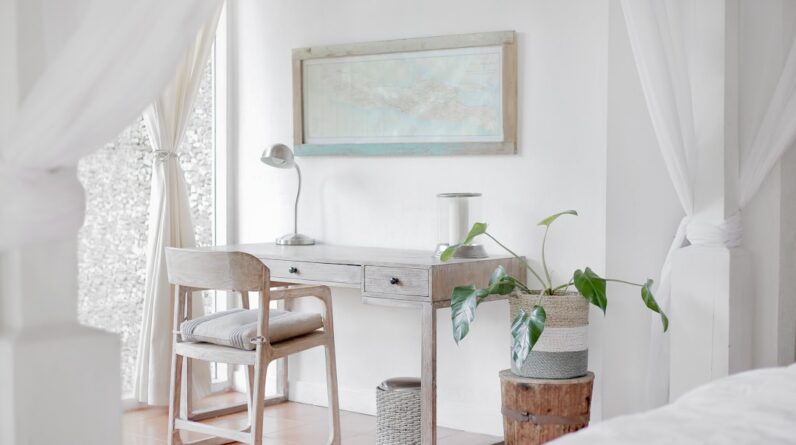
Simplicity and minimalism are often heralded as cornerstones of timeless design. When you think about the most iconic pieces of furniture or architecture, you may notice a common thread: they often embrace clean lines and uncluttered forms. This approach allows the essence of the design to shine through, free from distractions that can dilute its impact.
By prioritizing simplicity, you can create spaces that feel open and airy, inviting a sense of calm and clarity into your environment. Moreover, minimalism encourages you to focus on what truly matters. In a world filled with excess, stripping away the superfluous can lead to a more meaningful experience.
You might find that by adopting a minimalist mindset, you can curate your surroundings in a way that highlights the beauty of each individual piece. This intentionality not only enhances the aesthetic appeal but also fosters a deeper connection to the objects and spaces you inhabit. As you embrace simplicity, you may discover that less truly can be more.
Balancing Form and Function in Timeless Design

Achieving a harmonious balance between form and function is essential in creating timeless designs. You may have encountered pieces that are visually stunning yet impractical, or conversely, items that serve their purpose but lack aesthetic appeal. The key lies in finding a middle ground where beauty and utility coexist seamlessly.
When you prioritize both aspects, you create designs that are not only pleasing to the eye but also enhance your daily life. In your own design endeavors, consider how each element contributes to the overall experience. For instance, when selecting furniture, think about how its shape complements the space while also providing comfort and usability.
You might find that incorporating multifunctional pieces allows you to maximize both style and practicality. By focusing on this balance, you can create environments that are not only visually striking but also deeply functional, ensuring they stand the test of time.
The Importance of Quality Materials and Craftsmanship
The materials and craftsmanship behind a design play a pivotal role in its longevity and appeal. When you invest in high-quality materials, you are not just choosing aesthetics; you are also ensuring durability and sustainability. Timeless designs often feature materials that age gracefully, developing character over time rather than succumbing to wear and tear.
As you select materials for your projects, consider how they will hold up against the passage of time while still maintaining their beauty. Craftsmanship is equally important in achieving timeless aesthetics. You may appreciate the artistry involved in hand-crafted pieces, where attention to detail elevates the design beyond mere functionality.
When skilled artisans pour their expertise into creating an object, it imbues the piece with a sense of authenticity and uniqueness. By prioritizing quality craftsmanship in your own design choices, you can create spaces filled with character and depth, inviting admiration for both their beauty and the skill behind them.
Understanding the Impact of Proportion and Scale in Design
Proportion and scale are fundamental principles that significantly influence how we perceive design. When you consider these elements carefully, you can create spaces that feel balanced and harmonious. For instance, if you place oversized furniture in a small room, it may overwhelm the space, while tiny accents in a vast area can feel lost and insignificant.
By understanding how different elements interact with one another, you can achieve a sense of cohesion that enhances the overall aesthetic. As you experiment with proportion and scale in your own designs, pay attention to how these factors affect the mood of a space. You might find that adjusting the size of an object or its placement within a room can dramatically alter its impact.
Strive for a sense of equilibrium where each piece complements its surroundings rather than competing for attention. This thoughtful approach will help you create environments that feel inviting and well-considered, embodying the principles of timeless design.
Incorporating Classic and Timeless Elements in Modern Design

Incorporating classic elements into modern design is an effective way to achieve a timeless aesthetic while still embracing contemporary trends. You may find inspiration in historical styles or iconic designs that have stood the test of time. By blending these classic elements with modern sensibilities, you can create spaces that feel both fresh and familiar, appealing to a wide range of tastes.
Reinterpreting Traditional Motifs
Consider how traditional motifs or materials can be reinterpreted in a modern context. For example, using classic wood finishes alongside sleek metal accents can create an intriguing juxtaposition that adds depth to your design.
Integrating Vintage Pieces
You might also explore how vintage furniture pieces can be integrated into contemporary settings, providing character and warmth while maintaining a modern edge.
Crafting Timeless Spaces
By thoughtfully combining classic and modern elements, you can craft spaces that resonate with timeless appeal.
How Color and Texture Contribute to Timeless Aesthetics
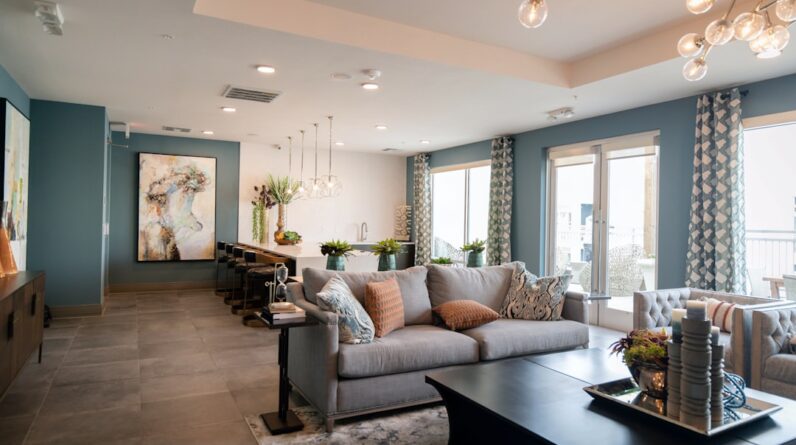
Color and texture are powerful tools in your design arsenal, capable of evoking emotions and setting the tone for any space. When it comes to timeless aesthetics, choosing a color palette that feels harmonious and balanced is essential. You may gravitate towards neutral tones or muted shades that provide a sense of calm while allowing for versatility in decor choices.
These colors often serve as a backdrop for bolder accents or artwork, creating an environment that feels cohesive yet dynamic. Texture also plays a crucial role in adding depth and interest to your designs. You might consider incorporating various materials—such as soft textiles, smooth ceramics, or rough-hewn wood—to create a tactile experience that invites interaction.
By layering textures thoughtfully, you can enhance the visual appeal of your space while also making it feel more inviting. This attention to color and texture will contribute significantly to achieving a timeless aesthetic that resonates with those who enter your space.
Embracing Timeless Design Principles for Lasting Appeal
As you reflect on the principles of timeless design discussed throughout this article, consider how they can inform your own creative endeavors. Embracing simplicity, balancing form and function, prioritizing quality materials, understanding proportion, incorporating classic elements, and thoughtfully selecting color and texture are all essential components in crafting spaces that endure over time. By integrating these principles into your design philosophy, you can create environments that not only stand the test of time but also resonate deeply with those who experience them.
Ultimately, timeless design is about more than just aesthetics; it is about creating spaces that foster connection, inspire creativity, and enhance daily life. As you embark on your design journey, remember that each choice you make contributes to the story of your space. By embracing these timeless principles, you can cultivate an environment that reflects your unique vision while also celebrating the enduring beauty of thoughtful design.
FAQs
What are design principles for achieving a timeless and enduring aesthetic?
Design principles for achieving a timeless and enduring aesthetic include simplicity, balance, harmony, proportion, and attention to detail. These principles help create designs that stand the test of time and remain visually appealing for years to come.
How can simplicity contribute to a timeless aesthetic?
Simplicity in design involves using clean lines, minimal ornamentation, and a focus on essential elements. This approach helps create a timeless aesthetic by avoiding trends and excess, resulting in a design that remains relevant and elegant over time.
Why is balance important in achieving a timeless aesthetic?
Balance in design refers to the distribution of visual weight within a composition. Achieving a balance between elements such as color, texture, and form helps create a timeless aesthetic by providing a sense of stability and harmony in the design.
What role does proportion play in creating a timeless aesthetic?
Proportion in design involves the relationship between different elements and their sizes. By carefully considering proportion, designers can create a sense of visual harmony and balance, contributing to a timeless and enduring aesthetic.
How does attention to detail contribute to a timeless aesthetic?
Attention to detail in design involves carefully considering and refining every aspect of a composition. This meticulous approach helps create a timeless aesthetic by ensuring that the design is well-crafted and free from distractions or unnecessary elements.