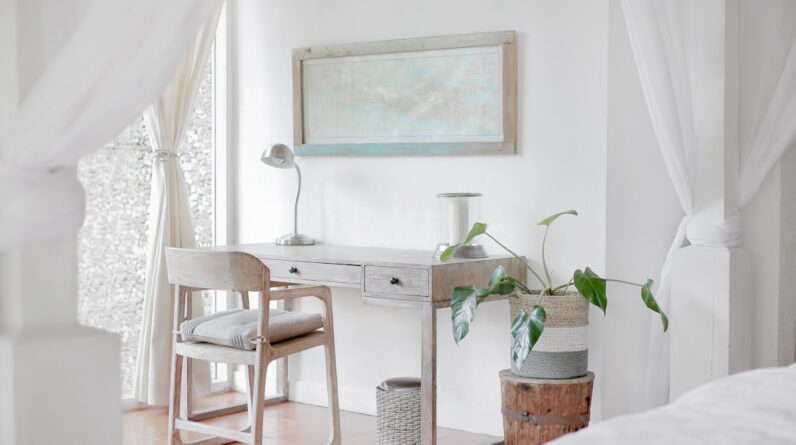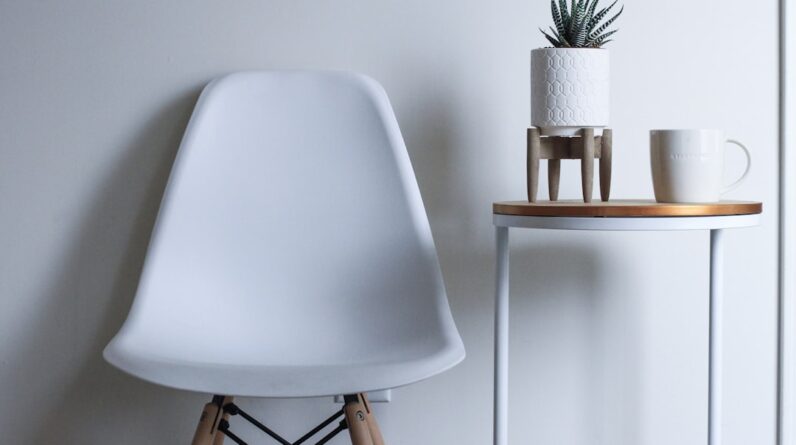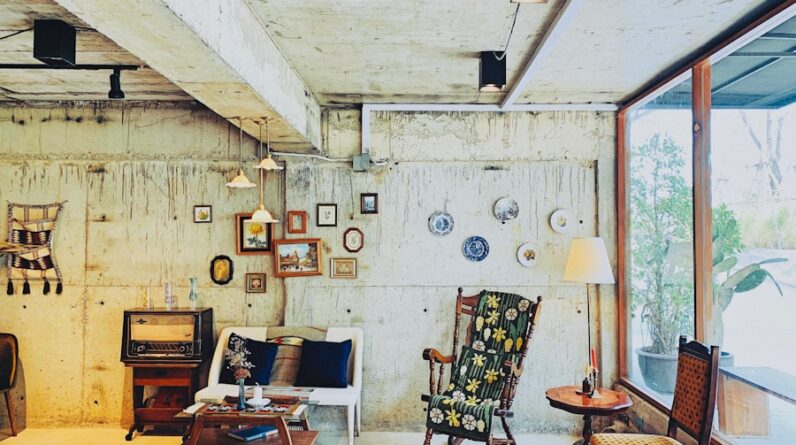
Color psychology is a fascinating field that delves into how colors affect human emotions and behaviors. When you walk into a room, the colors surrounding you can evoke specific feelings and reactions, often without you even realizing it. For instance, warm colors like red and orange can stimulate energy and excitement, while cooler shades such as blue and green tend to promote calmness and tranquility.
Understanding this influence can empower you to make more informed choices about your environment, whether at home or in the workplace. As you consider the colors in your surroundings, think about how they resonate with your personal experiences and emotions. A vibrant yellow might remind you of sunny days and happiness, while a deep blue could evoke feelings of serenity and peace.
By intentionally selecting colors that align with the mood you wish to cultivate, you can create spaces that not only reflect your personality but also enhance your overall well-being. This awareness of color psychology can transform your environment into a sanctuary that nurtures your mental health.
Key Takeaways
- Color psychology plays a significant role in influencing emotions and behaviors in a space.
- The layout and organization of a space can have a direct impact on mental well-being and productivity.
- Lighting can be used to create different moods and atmospheres, affecting mental health and overall well-being.
- Texture and materials in a space can evoke specific emotions and contribute to a sense of comfort and well-being.
- The arrangement and functionality of furniture can greatly impact the usability and comfort of a space, influencing mental health and stress levels.
The Impact of Space and Layout on Mental Well-being
The layout of a space plays a crucial role in shaping your mental well-being. When you enter a room, the arrangement of furniture and the flow of movement can significantly influence how you feel. An open layout often fosters a sense of freedom and creativity, allowing for easy navigation and interaction.
Conversely, a cramped or cluttered space can lead to feelings of anxiety and overwhelm. By being mindful of how you arrange your environment, you can create a setting that promotes relaxation and productivity. Consider how different areas within your home or workspace serve various purposes.
A cozy reading nook with comfortable seating and soft furnishings can invite relaxation, while an organized workspace with clear boundaries can enhance focus and efficiency. By thoughtfully designing these spaces, you can cultivate an atmosphere that supports your mental health. The way you utilize space can either uplift or drain your energy, so take the time to assess how your environment aligns with your emotional needs.
The Role of Lighting in Creating a Mood
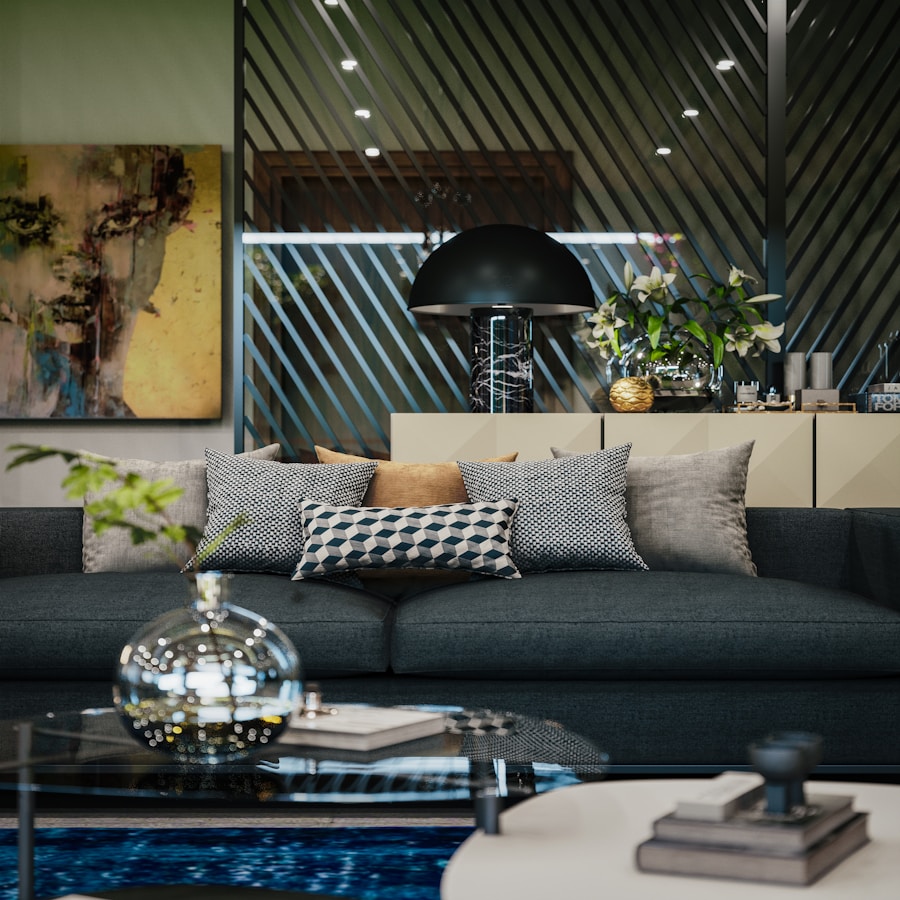
Lighting is one of the most powerful tools at your disposal when it comes to influencing mood and atmosphere. Natural light has been shown to boost mood and increase productivity, while artificial lighting can either enhance or detract from the ambiance of a space. As you think about your environment, consider how different lighting options affect your emotions throughout the day.
Bright, white light can energize you in the morning, while softer, warmer tones may be more suitable for winding down in the evening. Incorporating various lighting sources can also add depth and dimension to your space. Layering ambient, task, and accent lighting allows you to create a dynamic environment that adapts to your needs.
For instance, using dimmable lights in the living room can help set a cozy atmosphere for relaxation or social gatherings. By being intentional about your lighting choices, you can create an environment that not only looks beautiful but also supports your emotional well-being.
The Use of Texture and Materials to Evoke Emotions
The textures and materials in your environment play a significant role in shaping your emotional responses. Soft fabrics like velvet or cotton can evoke feelings of comfort and warmth, while harder surfaces like metal or glass may create a sense of modernity and sophistication. As you curate your space, consider how different textures resonate with you personally.
A plush rug underfoot might provide a sense of coziness, while sleek furniture could inspire feelings of elegance. In addition to personal preference, the tactile experience of materials can influence how you interact with your environment. For example, incorporating natural elements like wood or stone can foster a connection to nature, promoting relaxation and grounding.
By thoughtfully selecting materials that align with your emotional goals, you can create a harmonious space that nurtures your mental health. The interplay of texture and materiality can transform an ordinary room into a sanctuary that resonates with your inner self.
The Psychology of Furniture Arrangement and Functionality
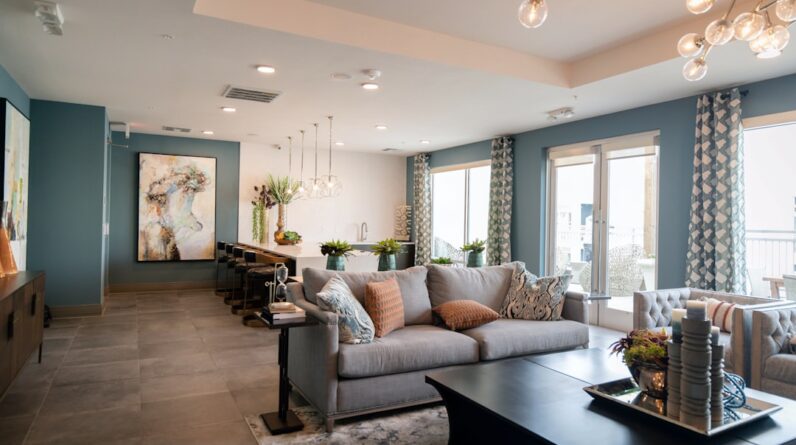
The arrangement of furniture is not merely a matter of aesthetics; it has profound implications for functionality and emotional well-being. When you arrange furniture in a way that promotes conversation and connection, you create an inviting atmosphere that encourages social interaction. On the other hand, a disjointed layout may lead to feelings of isolation or discomfort.
As you consider how to position your furniture, think about how it facilitates movement and engagement within the space. Functionality is equally important when it comes to furniture arrangement. Each piece should serve a purpose while contributing to the overall flow of the room.
For instance, placing a coffee table within easy reach of seating areas encourages relaxation and socializing, while ensuring that pathways remain clear promotes ease of movement. By prioritizing both aesthetics and functionality in your furniture arrangement, you can create an environment that supports not only your physical needs but also your emotional well-being.
The Effect of Art and Decor on Mental Health
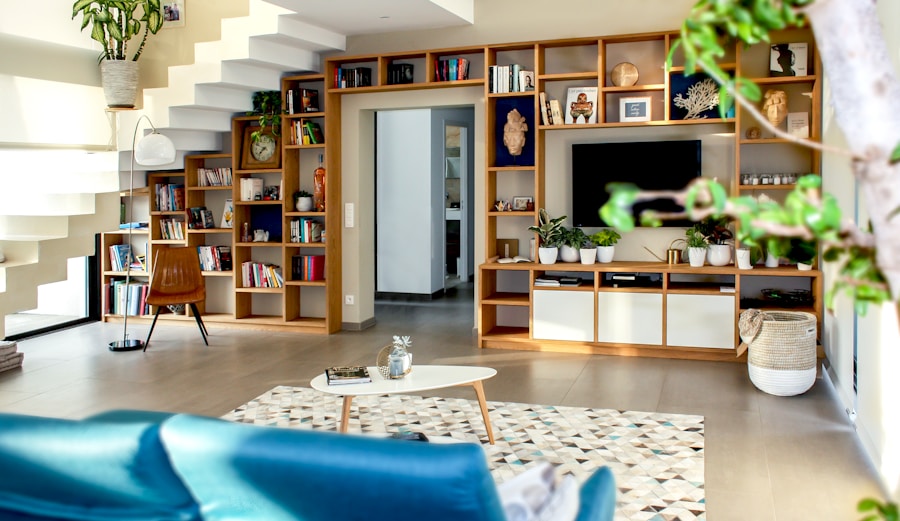
Art and decor are powerful elements that can significantly impact your mental health. The pieces you choose to display in your space reflect your personality and values while also influencing the atmosphere around you. Surrounding yourself with art that resonates with you—whether it’s vibrant paintings or serene photographs—can evoke positive emotions and inspire creativity.
As you curate your collection, consider how each piece makes you feel and what it represents in your life. Moreover, decor items such as plants or meaningful objects can enhance the emotional resonance of a space. Incorporating elements from nature has been shown to reduce stress and promote well-being, while personal mementos can evoke cherished memories and feelings of connection.
By thoughtfully selecting art and decor that align with your emotional landscape, you can create an environment that uplifts and inspires you daily.
The Importance of Personalization and Individuality in Design
Personalization is key when it comes to creating spaces that truly reflect who you are. Your environment should be an extension of yourself—an expression of your tastes, interests, and experiences. When you infuse your personality into your design choices, you cultivate a sense of belonging and comfort within your space.
This connection to your surroundings can have profound effects on your mental health, fostering feelings of safety and contentment. As you personalize your environment, consider incorporating elements that tell your story—whether it’s family photos, travel souvenirs, or artwork created by loved ones. These personal touches not only enhance the aesthetic appeal of your space but also serve as reminders of cherished moments and connections.
By embracing individuality in design, you create an environment that nurtures your spirit and supports your emotional well-being.
The Connection Between Contemporary Design and Stress Reduction
Contemporary design often emphasizes simplicity, clean lines, and minimalism—qualities that can contribute to stress reduction in our fast-paced lives. By embracing a more streamlined aesthetic, you create an environment that feels open and uncluttered, allowing for mental clarity and focus. This approach encourages mindfulness by reducing distractions and promoting a sense of calm amidst the chaos of daily life.
Incorporating elements such as natural materials, neutral color palettes, and functional furnishings can further enhance this sense of tranquility. Contemporary design encourages thoughtful choices that prioritize well-being over excess, creating spaces where you can unwind and recharge. By aligning your environment with contemporary design principles, you cultivate a sanctuary that supports stress reduction and enhances overall mental health.
In conclusion, the interplay between design elements—color psychology, space layout, lighting, texture, furniture arrangement, art, personalization, and contemporary aesthetics—plays a vital role in shaping our mental well-being. By being intentional about these aspects in your environment, you have the power to create spaces that nurture positivity, creativity, and emotional resilience. Embrace the opportunity to design an environment that reflects who you are while supporting your mental health journey.
FAQs
What is contemporary interior design?
Contemporary interior design refers to the current trends and styles in interior design. It often incorporates modern and minimalist elements, clean lines, and a focus on functionality and simplicity.
What are the key principles of contemporary interior design?
Key principles of contemporary interior design include clean lines, minimalism, open spaces, and a focus on functionality. It often incorporates neutral colors, natural light, and a mix of materials such as glass, metal, and wood.
How does contemporary interior design impact psychology?
Contemporary interior design can impact psychology by creating a sense of calm, order, and simplicity. It can also promote a feeling of spaciousness and openness, which can have a positive effect on mood and well-being.
What are some common elements of contemporary interior design?
Common elements of contemporary interior design include neutral color palettes, sleek furniture and fixtures, open floor plans, and a focus on natural light. It also often incorporates minimalist artwork and decor.
How can contemporary interior design be applied in different spaces?
Contemporary interior design can be applied in various spaces such as homes, offices, retail stores, and hospitality settings. It can be adapted to different needs and preferences while maintaining its focus on modern, minimalist, and functional design.