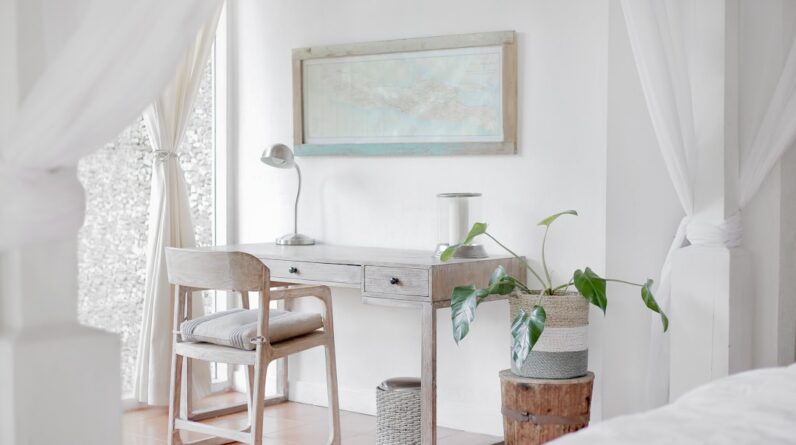
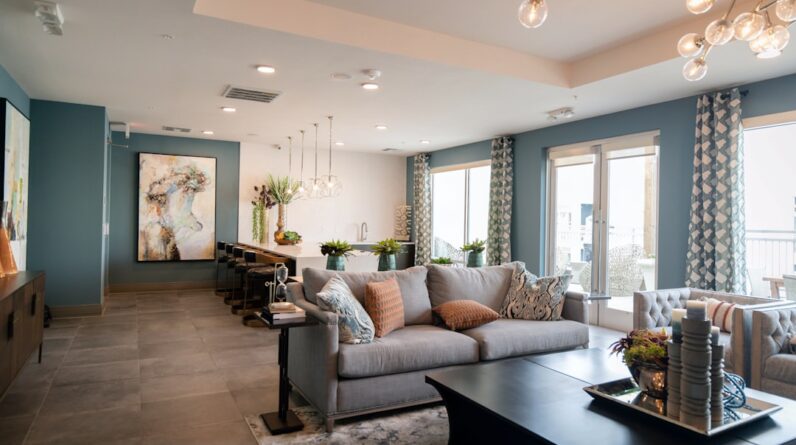
When you think about enhancing your living space, the inclusion of natural elements can significantly transform the atmosphere of your home. Integrating materials like wood, stone, and plants not only brings a sense of warmth and comfort but also fosters a connection to the outdoors. You may find that these elements create a calming environment, reducing stress and promoting well-being.
The organic textures and colors found in nature can evoke feelings of tranquility, making your home a sanctuary where you can unwind after a long day. Moreover, natural elements often contribute to improved air quality. Plants, for instance, are known for their ability to filter toxins from the air, making your living space healthier.
The use of wood and stone can also enhance the acoustics of a room, absorbing sound and creating a more peaceful ambiance. By incorporating these materials into your design, you not only elevate the aesthetic appeal of your home but also invest in your health and comfort. The benefits of natural elements extend beyond mere decoration; they can fundamentally enhance your quality of life.
Key Takeaways
- Natural elements such as wood and stone bring a sense of calm and tranquility to a space, promoting well-being and relaxation.
- When choosing wood, consider the durability, grain pattern, and color to ensure it complements the overall design aesthetic.
- Incorporate natural elements in different rooms by using stone for kitchen countertops, wood for flooring, and plants for added greenery.
- Balance natural elements with other materials such as metal and glass to create a harmonious and visually appealing design.
- Regular maintenance and care for natural elements is essential to preserve their beauty and longevity, including sealing stone and polishing wood.
Choosing the Right Type of Wood and Stone
Wood Options
Different types of wood offer distinct vibes and characteristics. Oak is known for its durability and classic appearance, while pine offers a lighter, more rustic feel. Mahogany, on the other hand, provides rich tones that can create a cozy atmosphere, making it perfect for a den. In contrast, maple’s lightness can enhance a bright kitchen.
Stone Selection
When it comes to stone, you have a wide range of options, from granite to slate. Each type of stone carries its own unique texture and color palette, allowing you to tailor your choices to fit your design vision. For a modern look, polished marble can add a touch of elegance, while rough-hewn limestone might be more suitable for a rustic aesthetic.
Creating Harmony
As you explore these materials, consider how they will interact with one another and with other elements in your home. The right combination can create a harmonious balance that elevates your space. By carefully selecting the right types of wood and stone, you can create a cohesive and inviting atmosphere that reflects your personal style.
Incorporating Natural Elements in Different Rooms

Incorporating natural elements into various rooms can significantly enhance their functionality and aesthetic appeal. In the living room, for instance, wooden furniture pieces such as coffee tables or bookshelves can serve as focal points while adding warmth to the space. You might also consider using stone accents, like a fireplace surround or an accent wall, to create a cozy atmosphere that invites relaxation and conversation.
Adding plants or natural textiles like wool or cotton can further enhance this inviting environment. In the kitchen, natural elements can play a vital role in both design and practicality. A wooden island or butcher block countertop not only provides a functional workspace but also adds character to the room.
Stone backsplashes or flooring can introduce texture and durability, making them ideal for high-traffic areas. You may also want to incorporate herbs or small potted plants on windowsills to bring life into the space while providing fresh ingredients for your culinary adventures. By thoughtfully integrating natural elements into each room, you create spaces that are not only beautiful but also functional and inviting.
Balancing Natural Elements with Other Materials
While natural elements are essential for creating a warm and inviting atmosphere, balancing them with other materials is equally important for achieving a cohesive design. You may find that combining natural wood and stone with metals or glass can create an intriguing contrast that enhances the overall aesthetic. For example, pairing rustic wooden beams with sleek metal fixtures can add depth and interest to your space.
This juxtaposition allows each material to shine while contributing to a unified look. Additionally, incorporating textiles such as linen or cotton can soften the hard surfaces of wood and stone, creating a more inviting environment. You might choose cushions or throws in natural fibers that complement the colors found in your wooden furniture or stone accents.
This balance between hard and soft materials not only adds visual interest but also creates a tactile experience that makes your home feel more comfortable and welcoming. By thoughtfully considering how different materials interact with one another, you can achieve a harmonious design that feels both intentional and effortless.
Maintaining and Caring for Natural Elements
Caring for natural elements in your home is essential to ensure their longevity and beauty. Wood surfaces require regular maintenance to prevent damage from moisture and wear. You might consider applying a protective finish or sealant to wooden furniture and floors to guard against scratches and stains.
Regular dusting and cleaning with appropriate products will help maintain their luster without causing harm. Additionally, be mindful of humidity levels in your home; excessive moisture can lead to warping or mold growth in wooden surfaces. Stone surfaces also require specific care depending on the type of stone used.
For instance, granite countertops may need periodic sealing to protect against stains, while softer stones like marble require gentler cleaning methods to avoid etching. Regularly cleaning these surfaces with pH-balanced cleaners will help preserve their appearance over time. By establishing a routine maintenance schedule for your natural elements, you can ensure that they remain beautiful and functional for years to come.
Using Natural Elements to Create a Cohesive Design

Establishing a Natural Color Palette
You can start by selecting a color palette inspired by nature, featuring earthy tones such as greens, browns, and soft neutrals that evoke a sense of calmness. This foundation will guide your choices as you incorporate various natural materials throughout your home.
Consistency in Style and Texture
As you select furniture pieces, decor items, and finishes, aim for consistency in style and texture. For example, if you choose reclaimed wood for your dining table, consider using similar wood tones in other areas such as shelving or cabinetry. This repetition creates visual harmony that ties the space together seamlessly.
Adding Life with Plants
Incorporating plants throughout your home can further unify the design by adding life and color while reinforcing the connection to nature. By being intentional about your choices, you can create an inviting atmosphere that feels cohesive and well-designed.
Adding Natural Elements in Small Spaces
In small spaces, incorporating natural elements can be particularly beneficial as they can create an illusion of openness while adding warmth and character. You might consider using lighter woods or stones that reflect light rather than darker materials that could make the space feel cramped. For instance, light-colored bamboo flooring or pale oak furniture can brighten up a small room while maintaining an organic feel.
Vertical space is also an important consideration in small areas. Utilizing wall-mounted shelves made from natural wood can provide storage without taking up valuable floor space. Hanging plants or wall planters can introduce greenery without cluttering surfaces.
Mirrors framed in natural materials can reflect light and create an illusion of depth, making the area feel larger than it is. By strategically incorporating natural elements into small spaces, you can enhance their functionality while creating an inviting atmosphere.
Incorporating Natural Elements in Modern and Traditional Designs
Natural elements can seamlessly blend into both modern and traditional designs, offering versatility that enhances any aesthetic. In modern spaces, clean lines and minimalism often dominate; however, introducing natural materials like wood or stone can soften these stark features while adding warmth. You might opt for sleek wooden furniture with simple designs or incorporate stone accents in unexpected places like countertops or feature walls.
Conversely, traditional designs often celebrate ornate details and rich textures; here, natural elements can enhance the classic appeal of your home. Consider using dark woods for cabinetry or intricate moldings that highlight craftsmanship while adding depth to the space. Stone fireplaces or exposed brick walls can serve as stunning focal points that anchor traditional designs in nature’s beauty.
By thoughtfully integrating natural elements into both modern and traditional styles, you create spaces that feel timeless yet contemporary—inviting yet sophisticated. In conclusion, embracing natural elements in your home design offers numerous benefits that extend beyond aesthetics. From enhancing air quality to creating calming environments, these materials foster a deeper connection with nature while enriching your living experience.
By carefully selecting wood and stone types, balancing them with other materials, maintaining their beauty over time, and thoughtfully incorporating them into various spaces—both large and small—you can create a cohesive design that reflects your personal style while celebrating the beauty of nature.
FAQs
What are the benefits of incorporating natural elements like wood and stone into interior design?
Incorporating natural elements like wood and stone into interior design can bring a sense of warmth, texture, and organic beauty to a space. These elements can also create a connection to nature and promote a sense of well-being and tranquility.
How can wood be incorporated into interior design?
Wood can be incorporated into interior design through the use of wooden furniture, flooring, wall paneling, and decorative accents. It can also be used to create a focal point, such as a wooden feature wall or a statement piece of furniture.
What are some ways to incorporate stone into interior design?
Stone can be incorporated into interior design through the use of natural stone tiles for flooring or walls, stone countertops, fireplace surrounds, and decorative stone accents. It can also be used to create a rustic or earthy aesthetic in a space.
What are some best practices for incorporating natural elements into interior design?
Some best practices for incorporating natural elements into interior design include using them to create a focal point, balancing them with other materials and textures, and considering the overall aesthetic and style of the space. It’s also important to consider the maintenance and durability of natural elements when incorporating them into a design.
How can natural elements like wood and stone be used to create a cohesive design in a space?
Natural elements like wood and stone can be used to create a cohesive design in a space by selecting complementary colors, textures, and finishes. It’s important to consider the scale and proportion of the natural elements in relation to the overall design of the space. Additionally, incorporating natural elements in multiple areas of a space can help create a cohesive and harmonious design.