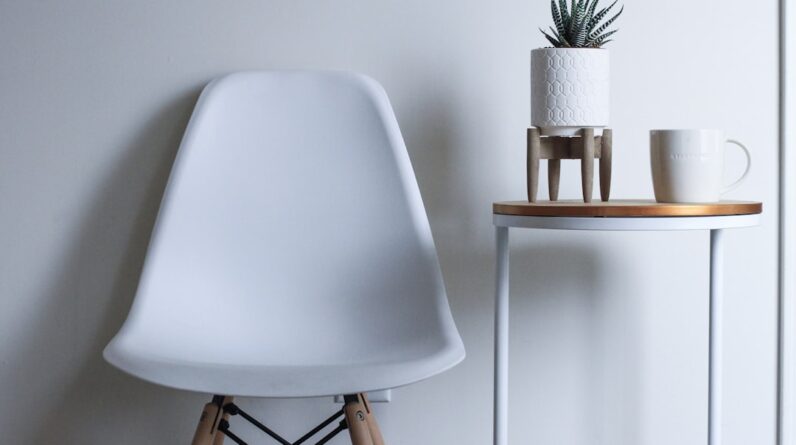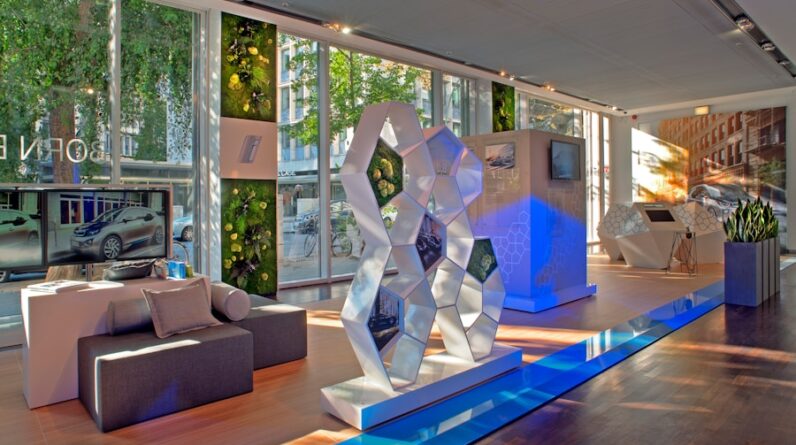
Contemporary interior design has undergone a remarkable transformation over the decades, reflecting the changing tastes, technologies, and lifestyles of society. You may find it fascinating to trace its roots back to the mid-20th century when modernism began to take hold. This movement emphasized simplicity, clean lines, and a rejection of ornamentation, paving the way for what we now recognize as contemporary design.
As you delve deeper into this evolution, you will notice how the post-war era brought about a shift in priorities, with a focus on functionality and minimalism that resonated with the burgeoning middle class. The introduction of new materials and technologies during this time also played a crucial role in shaping the aesthetic and practical aspects of interior spaces. As you explore further into the late 20th and early 21st centuries, you will see how contemporary design began to incorporate elements from various styles, creating a more eclectic approach.
The rise of globalization allowed for a fusion of cultural influences, leading to a rich tapestry of design choices. You might appreciate how this era embraced sustainability and eco-friendly practices, reflecting a growing awareness of environmental issues. Today, contemporary interior design is characterized by its adaptability and responsiveness to current trends, making it a dynamic field that continues to evolve.
You can see how this evolution not only mirrors societal changes but also influences how you perceive and interact with your living spaces.
Key Takeaways
- Contemporary interior design has evolved to embrace minimalism, clean lines, and a focus on functionality.
- The principles of contemporary interior design include simplicity, clean lines, and a focus on open spaces and natural light.
- Form in contemporary interior design emphasizes the visual appeal and aesthetic of a space, often through the use of geometric shapes and modern materials.
- Function in contemporary interior design prioritizes practicality and usability, with an emphasis on efficient use of space and ergonomic design.
- Balancing form and function in contemporary interior design involves finding harmony between visual appeal and practicality, creating a space that is both beautiful and functional.
The Principles of Contemporary Interior Design
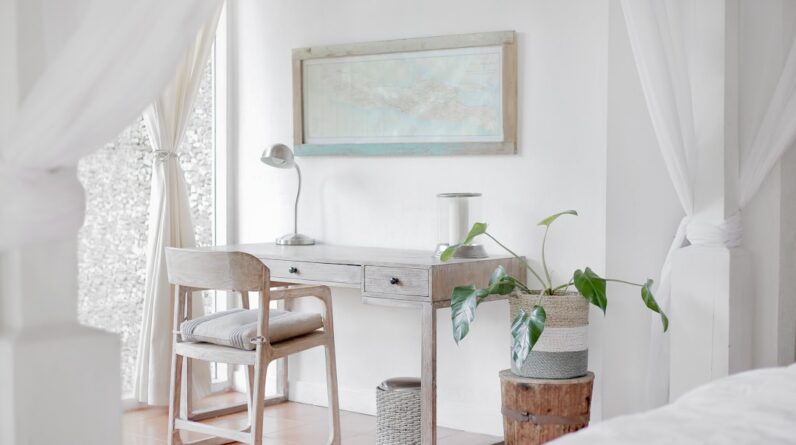
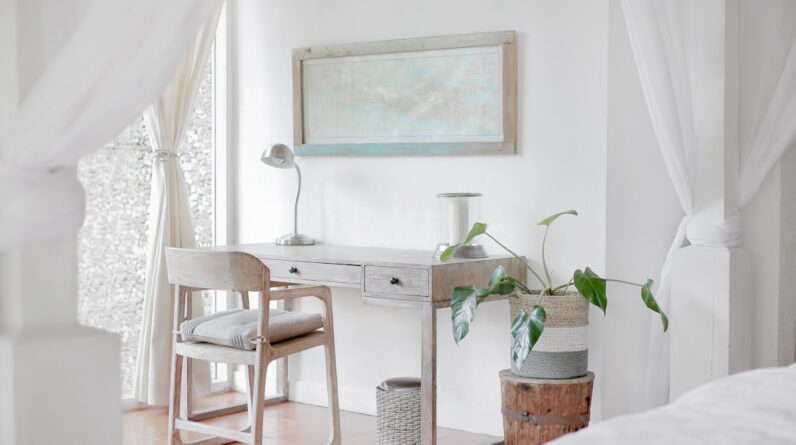
At the heart of contemporary interior design lie several key principles that guide the creation of harmonious and functional spaces. One of the most significant principles is simplicity. You may notice that contemporary designs often favor clean lines and uncluttered spaces, allowing for a sense of calm and order.
This principle encourages you to focus on essential elements, stripping away unnecessary embellishments that can overwhelm a room. By embracing simplicity, you can create an environment that feels open and inviting, promoting relaxation and well-being. Another fundamental principle is the use of natural light.
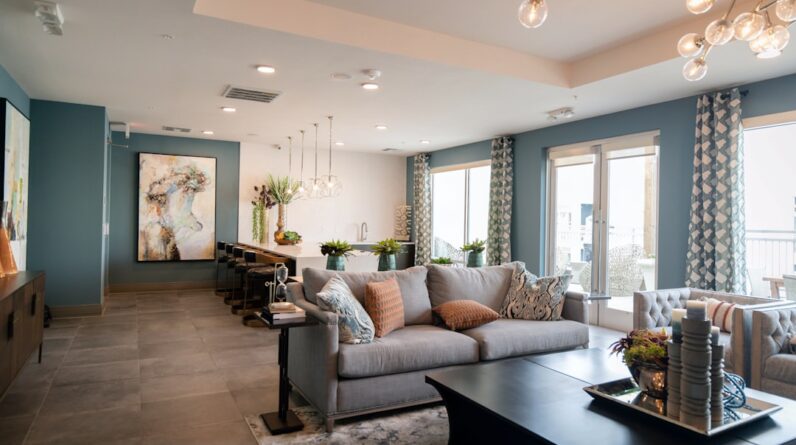
You might find it intriguing how contemporary designers prioritize large windows and open layouts to maximize daylight. This not only enhances the aesthetic appeal of a space but also contributes to energy efficiency. By allowing natural light to flood in, you can create an uplifting atmosphere that connects you with the outdoors.
Additionally, the principle of balance plays a crucial role in contemporary design. You may want to consider how different elements—such as color, texture, and scale—can be harmonized to create a cohesive look. Striking the right balance ensures that no single aspect overshadows another, resulting in a well-rounded and visually pleasing environment.
The Role of Form in Contemporary Interior Design
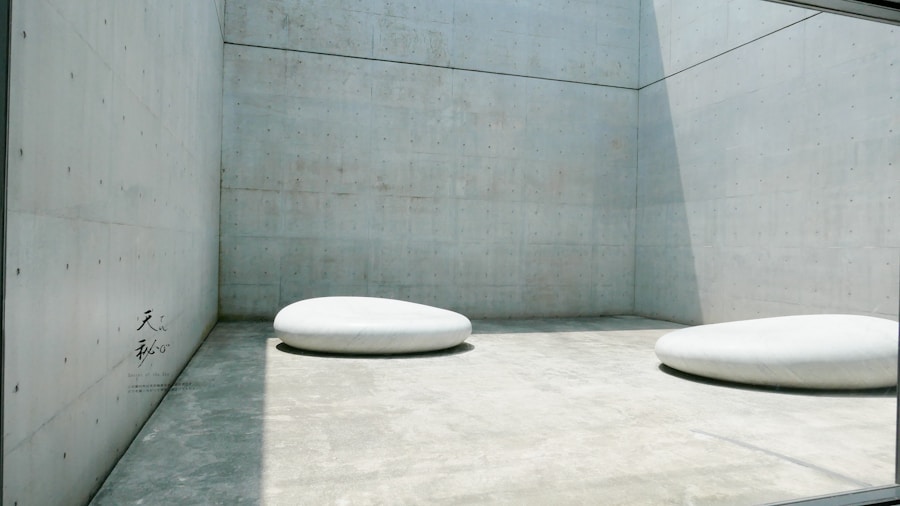
Form is a critical aspect of contemporary interior design that shapes how you perceive and experience a space. In this context, form refers to the shape and structure of furniture, fixtures, and architectural elements. You may find it interesting that contemporary design often embraces geometric shapes and organic forms, creating a dialogue between hard lines and soft curves.
This interplay can evoke feelings of comfort and sophistication, allowing you to engage with your surroundings on multiple levels. As you explore the role of form further, consider how it influences functionality as well. For instance, modular furniture pieces that can be rearranged or adapted to suit your needs exemplify the importance of form in contemporary design.
These versatile solutions not only enhance the aesthetic appeal but also cater to your lifestyle requirements. You might appreciate how contemporary designers often experiment with innovative materials and construction techniques to push the boundaries of form, resulting in unique pieces that serve both practical and artistic purposes.
The Role of Function in Contemporary Interior Design
Functionality is paramount in contemporary interior design, as it directly impacts how you interact with your living space. You may find that contemporary designs prioritize practicality without sacrificing style. This approach encourages you to think critically about how each element in your home serves a purpose while contributing to the overall aesthetic.
For example, multi-functional furniture—such as sofa beds or storage ottomans—can help maximize space in smaller homes while maintaining a sleek appearance. Moreover, the integration of technology into contemporary design has revolutionized how you experience functionality in your home. Smart home systems allow for seamless control over lighting, temperature, and security, enhancing your comfort and convenience.
As you consider these advancements, you might appreciate how they reflect a broader trend toward creating spaces that cater to modern lifestyles. By prioritizing function alongside form, contemporary interior design ensures that your home is not only visually appealing but also practical and adaptable to your needs.
Balancing Form and Function in Contemporary Interior Design
Achieving a harmonious balance between form and function is essential in contemporary interior design. You may find it challenging at times to strike this balance, especially when faced with an abundance of design choices. However, understanding how these two elements complement each other can guide you in making informed decisions about your space.
For instance, while selecting furniture pieces that are visually striking, it’s crucial to consider their usability as well. A beautifully designed chair may catch your eye, but if it lacks comfort or practicality, it may not serve your needs effectively. To achieve this balance, you might want to focus on creating focal points within your space that draw attention while still serving a purpose.
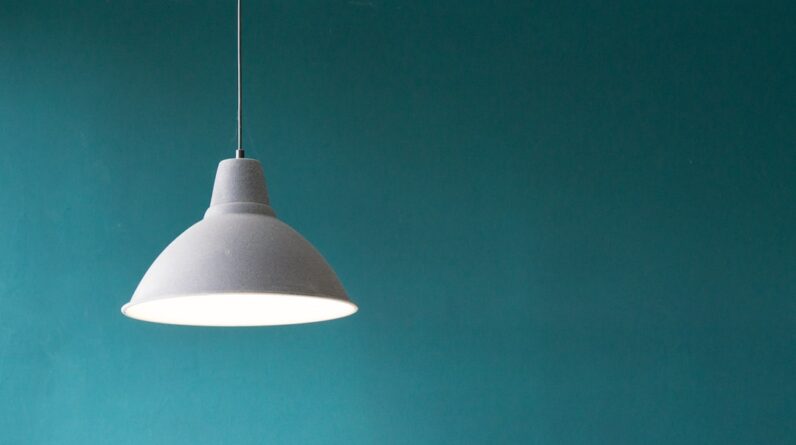
For example, an artistic light fixture can act as both a statement piece and a source of illumination. Additionally, incorporating storage solutions that blend seamlessly with your decor can help maintain an uncluttered environment while ensuring that everything has its place. By thoughtfully considering both form and function in your design choices, you can create a space that feels cohesive and well-designed.
Key Elements of Contemporary Interior Design
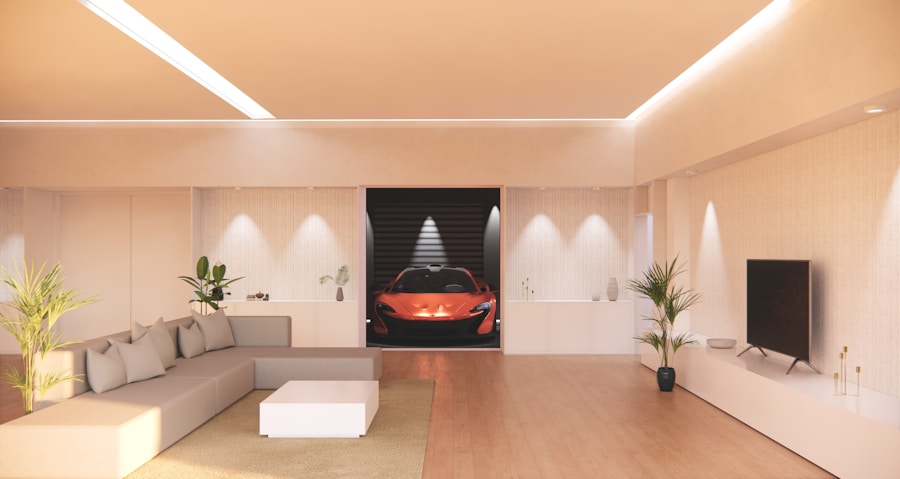
Several key elements define contemporary interior design, each contributing to the overall aesthetic and functionality of a space. One such element is color. You may notice that contemporary designs often favor neutral palettes with pops of bold colors for emphasis.
This approach allows for versatility while creating an inviting atmosphere. By incorporating accent colors through accessories or artwork, you can infuse personality into your space without overwhelming it. Another essential element is texture.
You might find it intriguing how contemporary designers play with various materials—such as wood, metal, glass, and textiles—to create depth and interest within a room. Mixing textures can evoke different sensations and enhance the overall experience of your space. For instance, pairing sleek leather furniture with soft wool throws can create a cozy yet sophisticated environment.
Additionally, incorporating natural elements—such as plants or stone features—can further enrich your design by bringing the outdoors inside.
Tips for Achieving Balance in Contemporary Interior Design
To achieve balance in contemporary interior design, there are several practical tips you can follow that will help guide your decisions as you curate your space. First and foremost, consider establishing a focal point in each room. This could be an eye-catching piece of art or a striking piece of furniture that draws attention while anchoring the overall design.
By having a clear focal point, you can create visual interest without overwhelming the space with competing elements. Another effective strategy is to embrace negative space—the areas around objects that remain empty or unoccupied. You may find that allowing for negative space helps create a sense of openness and tranquility within your home.
It encourages you to be selective about what you include in your decor while ensuring that each piece has room to breathe. Additionally, don’t hesitate to experiment with scale; mixing large and small items can create dynamic visual contrasts that enhance the overall composition of your space.
Examples of Successful Contemporary Interior Design Projects
As you explore successful examples of contemporary interior design projects, you will likely be inspired by the creativity and innovation displayed in various spaces around the world. One notable project is the High Line Hotel in New York City, which beautifully marries historic architecture with modern design elements. The hotel’s interiors feature a blend of vintage furnishings and contemporary art pieces that create an inviting atmosphere while paying homage to its storied past.
Another exemplary project is the Casa Brutale in Italy—a stunning architectural marvel that seamlessly integrates with its natural surroundings. The use of concrete and glass creates a striking contrast against the rugged landscape while offering breathtaking views of the sea below. This project exemplifies how contemporary design can harmonize with nature while prioritizing both form and function.
In conclusion, contemporary interior design is an ever-evolving field that reflects societal changes while prioritizing both aesthetics and practicality. By understanding its principles and key elements, you can create spaces that resonate with your personal style while enhancing your quality of life. Whether through balancing form and function or drawing inspiration from successful projects around the world, you have the tools at your disposal to craft an environment that truly feels like home.
FAQs
What is contemporary interior design?
Contemporary interior design refers to the current trends and styles in interior design. It often incorporates modern elements and focuses on clean lines, open spaces, and a balance between form and function.
How does contemporary interior design balance form and function?
Contemporary interior design achieves a balance between form and function by prioritizing both aesthetic appeal and practicality. This may involve using sleek furniture that is both stylish and comfortable, or incorporating storage solutions that are both visually appealing and efficient.
What are some key elements of contemporary interior design?
Key elements of contemporary interior design include minimalism, neutral color palettes, clean and sleek lines, open floor plans, and the use of natural light. It also often incorporates modern materials such as glass, metal, and concrete.
What are some popular furniture choices in contemporary interior design?
Popular furniture choices in contemporary interior design include pieces with clean lines, smooth surfaces, and minimal ornamentation. This may include items such as modular sofas, sleek dining tables, and minimalist storage solutions.
How does contemporary interior design differ from other styles?
Contemporary interior design differs from other styles such as traditional or rustic design by its focus on current trends and modern elements. It often incorporates the latest materials, technologies, and design concepts, while still maintaining a timeless and elegant aesthetic.