Contemporary interior design is a dynamic and ever-evolving field that reflects the current trends and cultural shifts of our time. As you delve into this style, you will find that it is characterized by clean lines, open spaces, and a focus on functionality. Unlike traditional design, which often emphasizes ornate details and historical references, contemporary design embraces simplicity and innovation.
This approach allows you to create spaces that feel fresh and relevant, catering to modern lifestyles while also considering sustainability and environmental impact. As you explore contemporary design, you will notice that it often incorporates elements from various styles, including minimalism, industrial, and even mid-century modern. This eclectic nature means that you can personalize your space while still adhering to contemporary principles.
By understanding the core tenets of this design style, you can create an environment that not only looks aesthetically pleasing but also serves your needs and reflects your personality. The beauty of contemporary design lies in its adaptability; it allows you to experiment with different elements while maintaining a cohesive look.
Key Takeaways
- Contemporary interior design focuses on clean lines, open spaces, and a balance of form and function.
- Minimalist elements such as simple furniture, uncluttered spaces, and a focus on functionality are key to contemporary design.
- Neutral color palettes, including shades of white, beige, and gray, create a sense of calm and sophistication in contemporary interiors.
- Natural materials like wood, stone, and metal add warmth and texture to contemporary spaces.
- Timeless furniture pieces with simple and clean designs are essential for achieving a contemporary look.
Incorporating Minimalist Elements
The Power of Decluttering
When you remove clutter and excess from your surroundings, you create a peaceful atmosphere that fosters relaxation and mental clarity. This approach not only transforms your living space but also has a profound impact on your lifestyle, encouraging you to reevaluate your priorities and values.
Designing for Simplicity
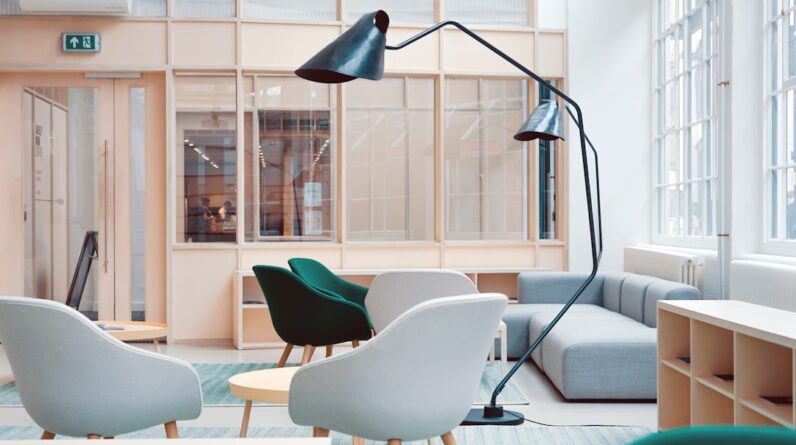
To successfully incorporate minimalist elements, consider incorporating open floor plans and multifunctional furniture into your design. These features optimize space while maintaining a sense of airiness, creating a seamless transition between different areas of your home. For example, a sleek sofa bed can serve as both a comfortable seating area during the day and a cozy sleeping space at night.
Creating a Tranquil Sanctuary
By embracing minimalism, you can craft a serene retreat that allows you to unwind and recharge. By opting for furniture with clean lines, simple shapes, and a limited color palette, you can create a sense of calm and serenity, perfect for escaping the stresses of everyday life.
Embracing Neutral Color Palettes
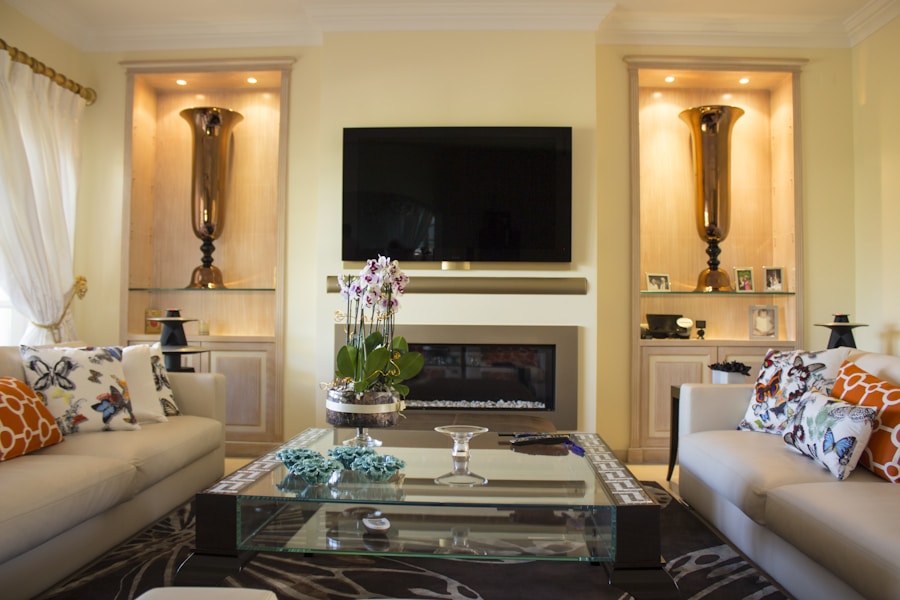
A hallmark of contemporary interior design is the use of neutral color palettes. These colors—such as whites, grays, beiges, and soft earth tones—create a calming backdrop that enhances the overall aesthetic of your space. When you choose a neutral palette, you provide a versatile foundation that allows for easy integration of various design elements.
This flexibility means that you can experiment with different textures and materials without overwhelming the senses. Incorporating neutral colors into your home can also make it feel more spacious and inviting. Light shades reflect natural light, creating an illusion of openness that is particularly beneficial in smaller areas.
You might consider painting your walls in soft whites or light grays while adding depth through textured fabrics or accent pieces in darker hues. This balance will help maintain visual interest without straying from the serene atmosphere that neutral palettes provide. Ultimately, embracing these colors allows you to create a sophisticated environment that feels both modern and timeless.
Utilizing Natural Materials
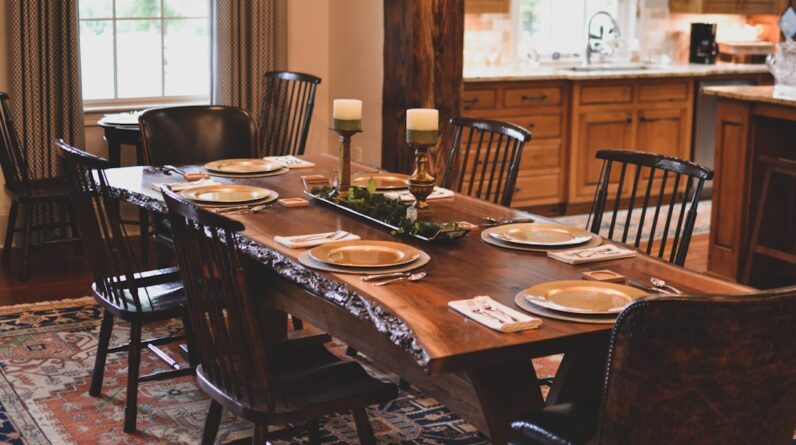
In contemporary interior design, there is a strong emphasis on sustainability and the use of natural materials. By incorporating elements such as wood, stone, and metal into your space, you not only enhance its aesthetic appeal but also promote an eco-friendly lifestyle. Natural materials bring warmth and texture to your home, creating a sense of connection to the environment.
As you select materials for your design, consider how they can contribute to both the visual and tactile experience of your space. For instance, reclaimed wood can add character and history to your home while also being an environmentally conscious choice. Similarly, stone accents—whether in countertops or decorative features—can introduce an organic feel that complements the overall design.
You might also explore incorporating textiles made from natural fibers like cotton or linen, which can enhance comfort while maintaining an eco-friendly ethos. By utilizing natural materials, you create a harmonious balance between aesthetics and sustainability, resulting in a space that feels grounded and inviting.
Selecting Timeless Furniture Pieces
When curating your contemporary interior design, selecting timeless furniture pieces is essential for creating a lasting impact. These are items that transcend trends and maintain their appeal over time. As you choose furniture for your space, look for classic designs with clean lines and high-quality materials that will withstand the test of time.
Investing in well-crafted pieces not only enhances the overall aesthetic but also ensures durability and longevity. Consider iconic designs such as the Eames lounge chair or the Barcelona chair—these pieces have become staples in modern interiors due to their enduring style and comfort. By incorporating such timeless items into your home, you create a foundation upon which to build your design.
You can then layer in more contemporary accessories or artwork that reflect current trends without compromising the overall integrity of your space. This thoughtful approach allows you to create an environment that feels both modern and enduring.
Balancing Form and Function
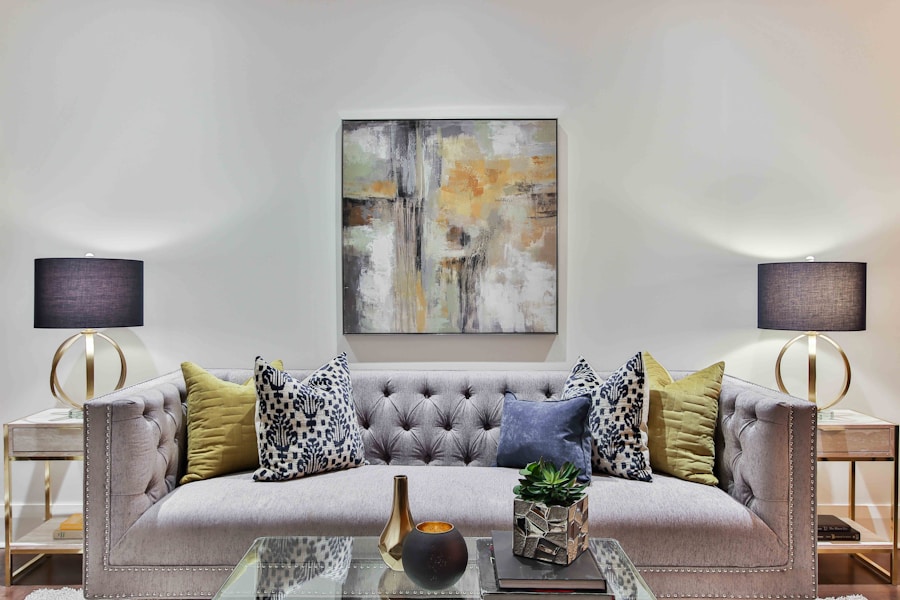
In contemporary interior design, achieving a balance between form and function is crucial for creating spaces that are both beautiful and practical. As you design your home, consider how each element serves a purpose while also contributing to the overall aesthetic. This balance ensures that your space is not only visually appealing but also functional for everyday living.
For example, when selecting lighting fixtures, think about how they can enhance the ambiance while providing adequate illumination for various tasks. A stylish pendant light can serve as a focal point in a dining area while also offering practical lighting for meals and gatherings. Similarly, when choosing storage solutions, opt for designs that are both attractive and functional—think sleek cabinets or stylish shelving units that keep clutter at bay while adding visual interest to your space.
By prioritizing both form and function, you create an environment that meets your needs without sacrificing style.
Adding Personal Touches
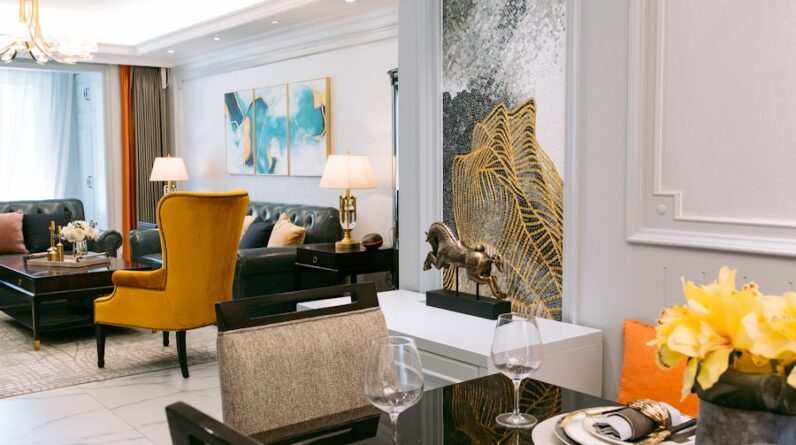
While contemporary interior design often emphasizes simplicity and minimalism, adding personal touches is essential for making your space feel like home. These unique elements reflect your personality and interests, transforming a generic environment into one that tells your story. As you curate your space, think about how you can incorporate items that hold sentimental value or showcase your hobbies.
Artwork is an excellent way to express yourself within your home. Whether it’s a collection of photographs from your travels or original pieces from local artists, displaying art adds character and depth to your space. Additionally, consider incorporating personal mementos—such as heirlooms or souvenirs—that evoke cherished memories.
These items not only enhance the aesthetic but also create emotional connections within your home. By thoughtfully adding personal touches, you create an inviting atmosphere that resonates with who you are.
Creating a Cohesive and Harmonious Space
Finally, creating a cohesive and harmonious space is essential for achieving the desired effect in contemporary interior design. This involves ensuring that all elements within your home work together seamlessly to create a unified look. As you select colors, materials, furniture pieces, and accessories, consider how they interact with one another to form a cohesive narrative throughout your space.
One effective way to achieve harmony is by establishing a consistent color scheme or theme that flows from room to room. This could involve using similar shades or complementary colors across different areas of your home. Additionally, pay attention to the scale and proportion of furniture pieces; ensuring they are appropriately sized for each room will contribute to a balanced aesthetic.
By thoughtfully curating each element within your space, you create an environment that feels intentional and well-designed—a true reflection of contemporary interior design principles. In conclusion, contemporary interior design offers endless possibilities for creating spaces that are both stylish and functional. By understanding its core principles—such as minimalism, neutral palettes, natural materials, timeless furniture selections, balancing form with function, adding personal touches, and ensuring cohesion—you can craft an environment that resonates with your lifestyle and aesthetic preferences.
Embrace this journey of design as an opportunity to express yourself while creating a home that feels both modern and inviting.
FAQs
What is contemporary interior design?
Contemporary interior design refers to the current design trends and styles that are popular at the present time. It often incorporates clean lines, minimalism, and a mix of modern and traditional elements.
What are the key elements of contemporary interior design?
Key elements of contemporary interior design include clean lines, open spaces, neutral color palettes, and a focus on functionality and simplicity. It also often incorporates natural light and sustainable materials.
How can contemporary interior design create timeless spaces?
Contemporary interior design can create timeless spaces by focusing on classic design principles and avoiding trends that may quickly become outdated. By using a neutral color palette and timeless furniture pieces, contemporary design can create spaces that remain stylish for years to come.
What are some popular materials and finishes used in contemporary interior design?
Popular materials and finishes used in contemporary interior design include natural wood, metal, glass, and stone. These materials are often used in their natural state or with minimal embellishment to create a clean and modern look.
How can I incorporate contemporary interior design into my home?
You can incorporate contemporary interior design into your home by focusing on clean lines, minimalism, and a neutral color palette. Choose furniture and decor pieces that have a modern and sleek aesthetic, and incorporate natural light and open spaces to create a contemporary feel.