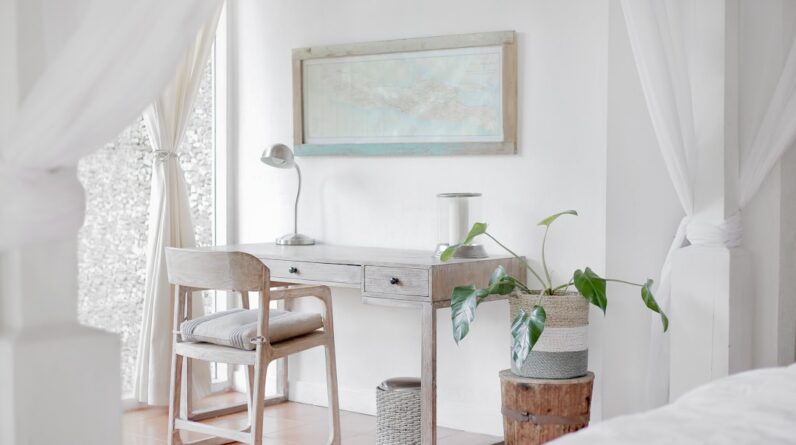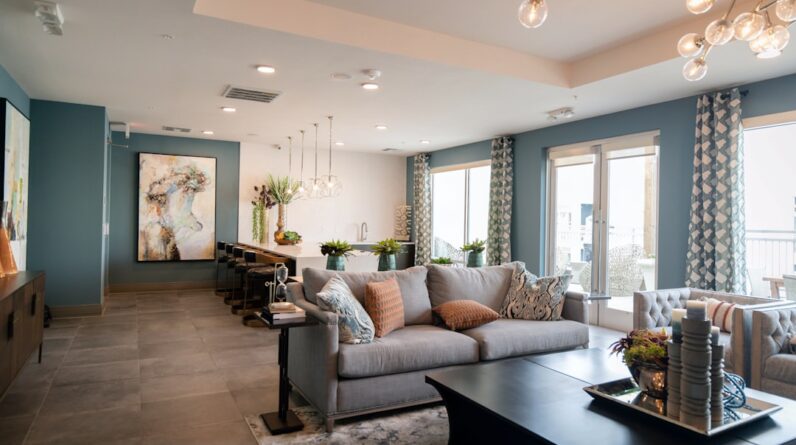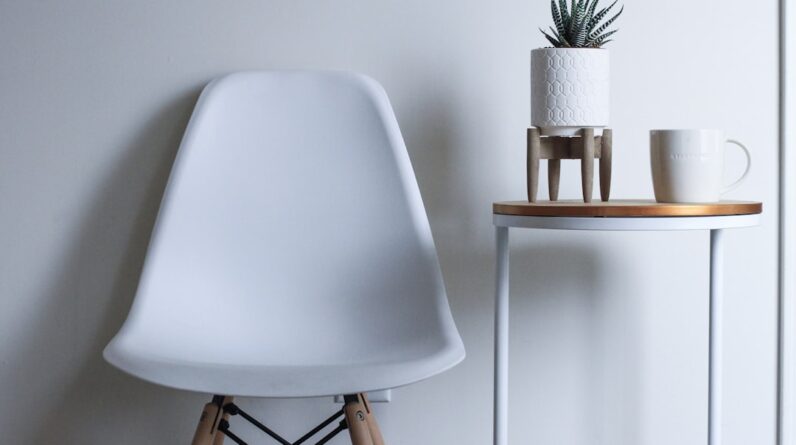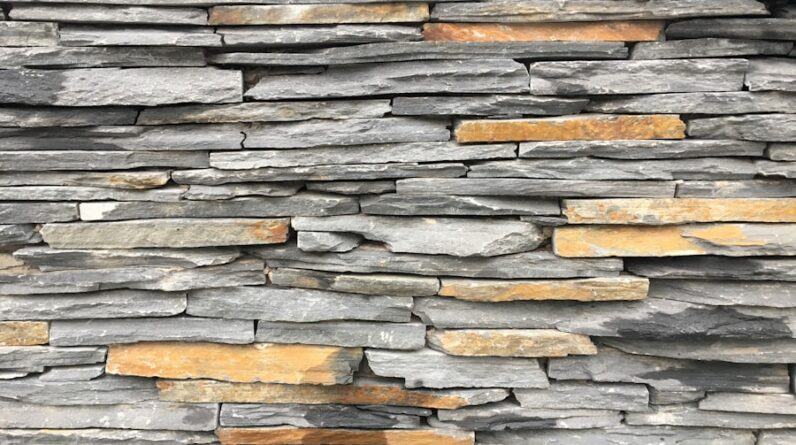
In recent years, the trend of incorporating natural materials into interior design has gained significant momentum. You may have noticed how the warmth and authenticity of materials like stone and wood can transform a space, creating an inviting atmosphere that resonates with nature. The use of these elements not only enhances the aesthetic appeal of your home but also promotes a sense of well-being and connection to the environment.
As you explore the world of interior design, understanding the role of natural materials can help you make informed choices that reflect your personal style while embracing sustainability. Natural materials bring a unique character to your living spaces, each piece telling its own story through its texture, color, and form. When you choose stone and wood, you are opting for materials that age beautifully, developing a patina that adds depth and richness over time.
This organic quality can create a timeless look that transcends fleeting design trends. By integrating these elements into your home, you not only enhance its visual appeal but also contribute to a healthier indoor environment, as natural materials often have lower levels of volatile organic compounds (VOCs) compared to synthetic alternatives.
Key Takeaways
- Natural materials like stone and wood bring warmth and character to interior design.
- Consider the durability, maintenance, and aesthetic of different types of stone and wood for your space.
- Stone and wood can be incorporated into various rooms, from the kitchen to the bathroom, to add a touch of nature.
- Use natural materials in furniture and decor to create a timeless and organic feel in your home.
- Combine stone and wood to create a cozy and inviting atmosphere, and maintain them with proper care for longevity.
Choosing the Right Type of Stone and Wood for Your Space
Considering Aesthetics
If you desire a sleek and modern look, polished granite or quartz might be ideal for countertops or flooring. On the other hand, if you prefer a more traditional or rustic aesthetic, consider using oak or pine for beams or furniture.
Practical Considerations
In addition to aesthetics, it’s essential to consider the practical aspects of your chosen materials. Think about the durability and maintenance requirements of different types of stone and wood. For high-traffic areas, you may want to opt for harder woods like hickory or maple, which can withstand wear and tear. Similarly, certain stones like slate or travertine are more resistant to scratches and stains, making them suitable for kitchens or bathrooms.
Creating a Harmonious Environment
By carefully evaluating both the visual appeal and functionality of your choices, you can create a harmonious environment that meets your needs.
Incorporating Stone and Wood into Different Rooms
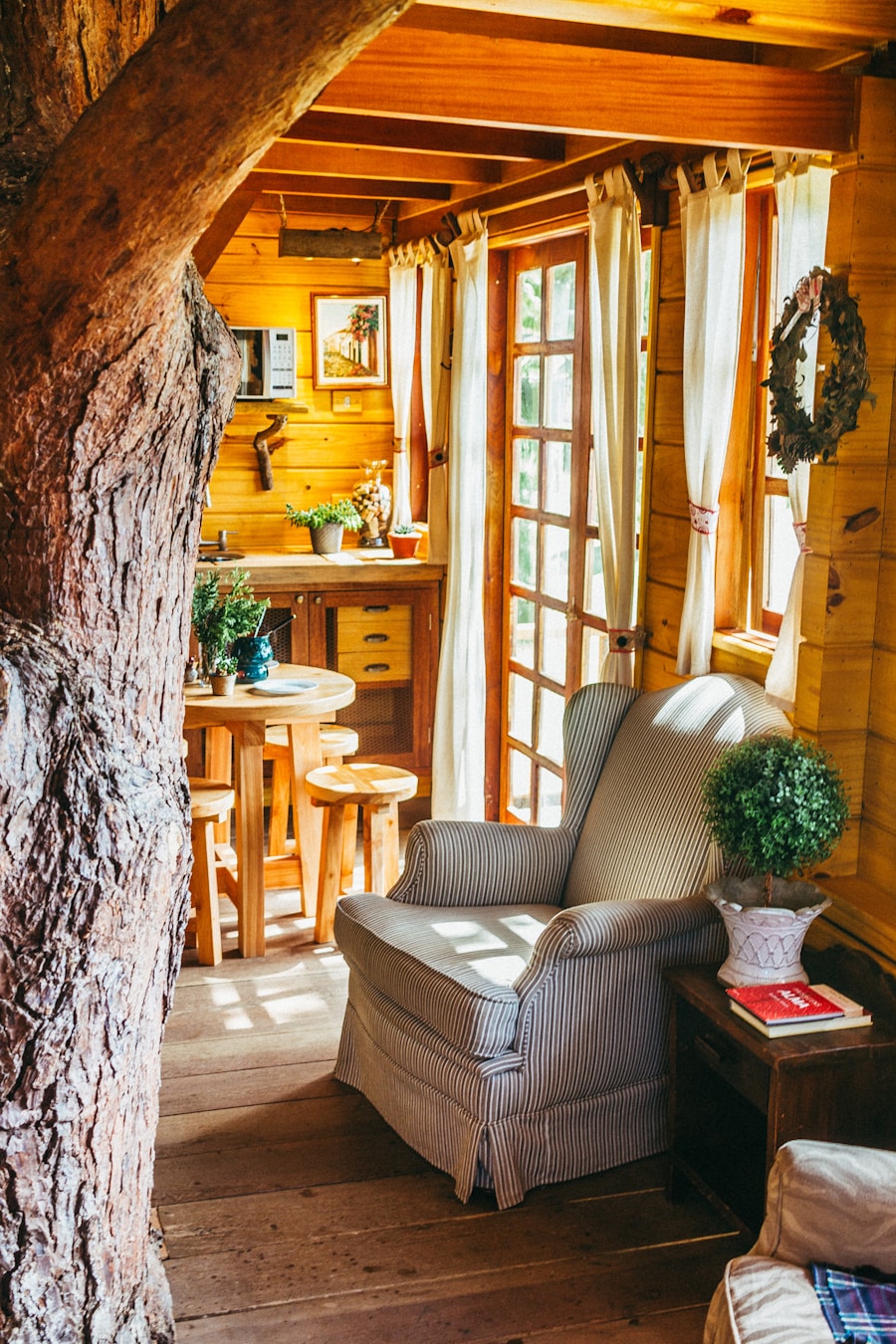
As you begin to incorporate stone and wood into various rooms of your home, consider how each material can enhance the specific function and atmosphere of that space. In the kitchen, for example, a stunning stone backsplash can serve as a focal point while providing a durable surface that withstands heat and moisture. Pairing this with wooden cabinetry can create a warm contrast that invites family gatherings and culinary creativity.
You might also explore using butcher block countertops made from hardwoods, which not only add beauty but also provide a practical workspace for meal preparation. In living areas, the combination of stone and wood can create a cozy retreat. Imagine a fireplace adorned with natural stone, surrounded by wooden beams that add architectural interest to the ceiling.
This combination not only draws the eye upward but also creates a sense of warmth and comfort. You could further enhance this atmosphere by incorporating wooden furniture pieces, such as a reclaimed wood coffee table or bookshelves, which add character and serve as functional elements in your design. By thoughtfully integrating stone and wood into each room, you can create spaces that are both beautiful and purposeful.
Using Natural Materials in Furniture and Decor
Natural materials extend beyond structural elements; they also play a significant role in furniture and decor choices. When selecting pieces for your home, consider how stone and wood can be incorporated into your furnishings. For instance, a dining table made from live-edge wood can serve as a stunning centerpiece while showcasing the natural beauty of the grain.
Similarly, accent tables or stools crafted from stone can add an unexpected touch of elegance to your decor. In addition to furniture, decorative elements such as lighting fixtures and accessories can also benefit from the use of natural materials. Pendant lights made from woven rattan or wooden shades can introduce warmth and texture to your space.
You might also consider incorporating stone sculptures or wooden art pieces that reflect your personal style while enhancing the overall aesthetic of your home. By thoughtfully selecting furniture and decor made from natural materials, you can create a cohesive look that celebrates the beauty of nature.
Creating a Cozy and Inviting Atmosphere with Stone and Wood
One of the most appealing aspects of using stone and wood in interior design is their ability to create a cozy and inviting atmosphere. The warmth of wood can instantly make a space feel more welcoming, while the coolness of stone adds an element of sophistication. To achieve this balance, consider layering textures and colors that complement each other.
For example, pairing soft textiles like wool or linen with wooden furniture can create a tactile experience that invites relaxation. Lighting also plays a crucial role in enhancing the cozy ambiance created by stone and wood. Soft, warm lighting can highlight the natural textures of these materials, casting gentle shadows that add depth to your space.
You might choose to incorporate dimmable fixtures or strategically placed lamps that create pools of light throughout the room. By combining thoughtful lighting with natural materials, you can cultivate an environment that feels both comfortable and stylish.
Maintaining and Caring for Natural Materials in Interior Design
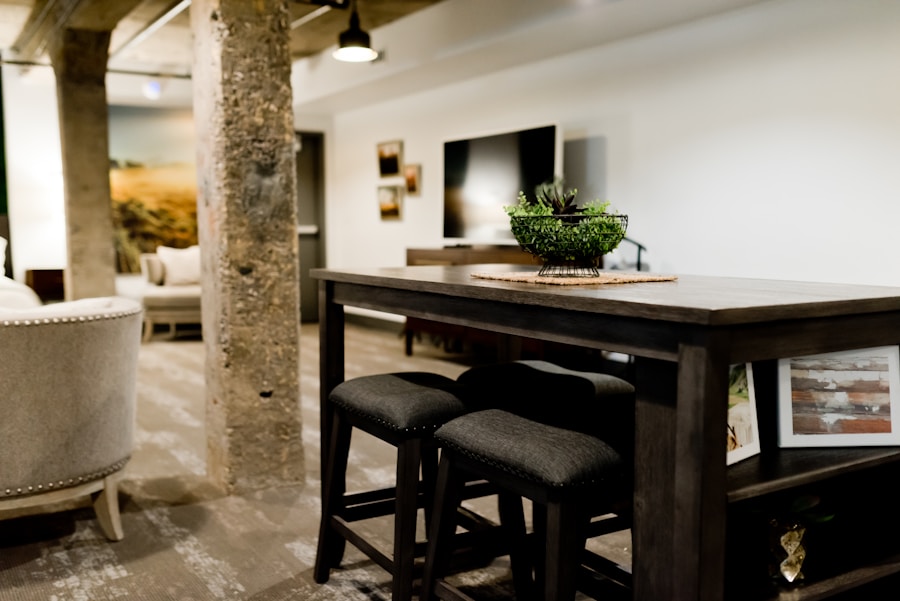
While natural materials offer numerous benefits in terms of aesthetics and sustainability, they do require some care to maintain their beauty over time. Understanding how to properly care for stone and wood is essential to ensure they remain in excellent condition. For instance, when it comes to stone surfaces like granite or marble, regular sealing is necessary to protect against stains and moisture damage.
You should also avoid using harsh chemicals that could dull their finish; instead, opt for gentle cleansers specifically designed for natural stone. Wooden surfaces require their own set of maintenance practices. Regular dusting and cleaning with a damp cloth can help prevent dirt buildup while preserving the finish.
Depending on the type of wood used, periodic oiling or waxing may be necessary to maintain its luster and protect against scratches. Additionally, be mindful of humidity levels in your home; excessive moisture can lead to warping or cracking in wooden surfaces. By investing time in proper maintenance, you can ensure that your natural materials continue to enhance your home for years to come.
Mixing Stone and Wood with Other Textures and Elements
To create a dynamic interior design scheme, consider mixing stone and wood with other textures and elements. This approach allows you to add depth and interest to your spaces while maintaining a cohesive look. For example, pairing smooth stone surfaces with soft textiles like plush rugs or velvet cushions can create an inviting contrast that enhances comfort.
You might also explore incorporating metal accents—such as brass or iron—into your design to introduce an industrial edge that complements the organic qualities of stone and wood. Color plays an important role in this mixing process as well. When combining different materials, consider how their colors interact with one another.
A neutral palette featuring earthy tones can create harmony between stone and wood while allowing other elements—like colorful artwork or vibrant textiles—to stand out as focal points. By thoughtfully mixing textures and colors, you can achieve a balanced look that feels both curated and effortless.
Tips for Achieving a Harmonious and Balanced Look with Natural Materials
Achieving a harmonious and balanced look with natural materials requires careful consideration of scale, proportion, and color throughout your space. Start by selecting a dominant material—whether it be wood or stone—and use it as a foundation for your design scheme. From there, layer in complementary materials that enhance the overall aesthetic without overwhelming it.
For instance, if you choose reclaimed wood as your primary material for furniture, consider incorporating stone accents through decorative elements like vases or sculptures. Another key aspect is maintaining consistency in finishes across different materials. If you opt for a matte finish on your wooden furniture, try to carry that through to any stone surfaces as well—this creates visual cohesion throughout your space.
Additionally, don’t shy away from incorporating greenery; plants can soften hard surfaces while adding life to your design scheme. By following these tips, you can create an interior space that feels balanced, inviting, and reflective of your personal style while celebrating the beauty of natural materials.
FAQs
What are some natural materials that can be incorporated into interior design for a warm and earthy feel?
Some natural materials that can be incorporated into interior design for a warm and earthy feel include stone, wood, bamboo, cork, leather, and jute.
How can stone be incorporated into interior design for a warm and earthy feel?
Stone can be incorporated into interior design for a warm and earthy feel by using it for features such as fireplace surrounds, accent walls, or countertops. It can also be used for decorative elements like stone sculptures or vases.
What are some ways to incorporate wood into interior design for a warm and earthy feel?
Wood can be incorporated into interior design for a warm and earthy feel by using it for furniture, flooring, ceiling beams, or wall paneling. It can also be used for decorative accents like wooden bowls, picture frames, or sculptures.
How can natural materials like stone and wood create a warm and earthy atmosphere in a space?
Natural materials like stone and wood can create a warm and earthy atmosphere in a space by adding texture, warmth, and a connection to nature. They can also bring a sense of timelessness and authenticity to the design.
What are some tips for incorporating natural materials into interior design without overwhelming the space?
Some tips for incorporating natural materials into interior design without overwhelming the space include using them as accents rather than dominant features, balancing them with softer textures and colors, and considering the scale and proportion of the materials in relation to the space.