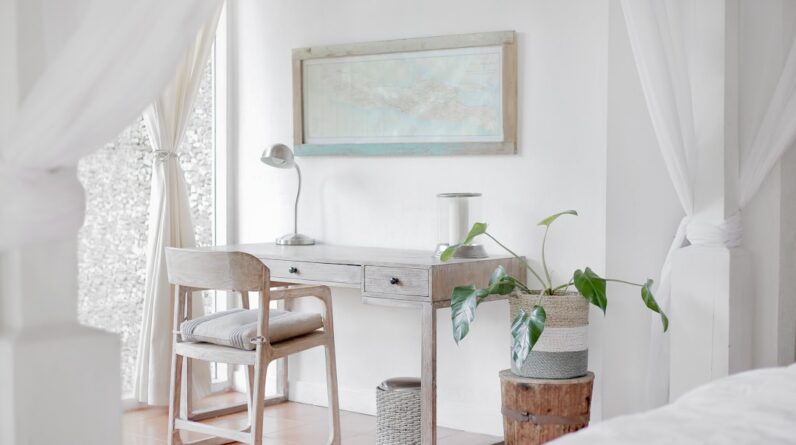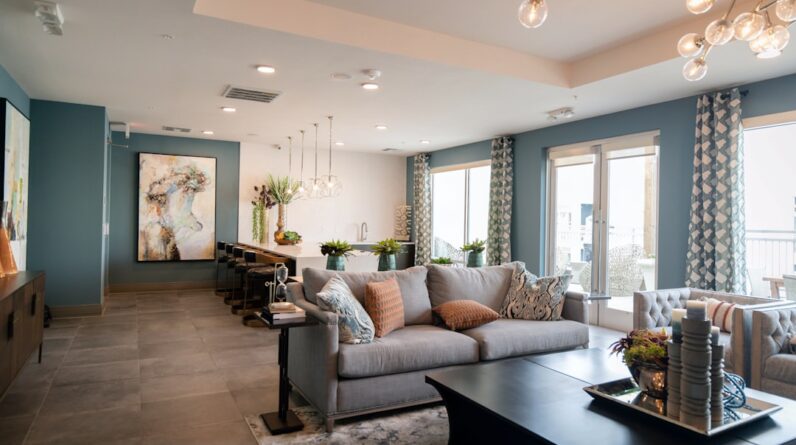
When embarking on a home improvement project, the first step is to consider the function of the room in question. Each space in your home serves a unique purpose, and understanding this can significantly influence your choices. For instance, if you are renovating a kitchen, you will want to prioritize materials that can withstand heat, moisture, and heavy foot traffic.
On the other hand, a bedroom may call for softer, more inviting materials that promote relaxation and comfort. By identifying the primary activities that will take place in the room, you can make informed decisions that enhance both functionality and aesthetics. Moreover, the function of the room can dictate the type of flooring or wall treatments you choose.
In high-traffic areas like hallways or living rooms, durability becomes paramount. You might lean towards materials like hardwood or tile that can endure wear and tear while still looking stylish. Conversely, in a home office where you may spend long hours, you might opt for carpeting that provides warmth and sound insulation.
By aligning your choices with the room’s intended use, you ensure that your space not only looks good but also serves its purpose effectively.
Key Takeaways
- Consider the room’s function to determine the type of flooring that best suits your needs
- Assess the traffic and usage in the room to choose a durable and long-lasting flooring option
- Evaluate the moisture levels in the room to select a flooring material that can withstand potential water damage
- Take into account the aesthetic and design of the flooring to ensure it complements the room’s overall look
- Research the durability and maintenance requirements of different flooring options to find one that fits your lifestyle and maintenance preferences
Assess the Traffic and Usage
Understanding Daily Wear and Tear
When designing a room, it’s crucial to consider the traffic and usage patterns of the space. This helps you select materials that can withstand daily wear and tear. For instance, if you have children or pets, you may want to opt for scratch-resistant and easy-to-clean flooring options.
Selecting Materials for High-Traffic Areas
High-traffic areas require materials that can handle constant movement without showing signs of damage or wear. This consideration is vital in ensuring that your investment lasts over time.
Considering Room Activities and Purpose
Think about the activities that will take place in the room. If it’s a family gathering space, you might want to choose materials that are not only durable but also comfortable for lounging and entertaining. On the other hand, if it’s a formal dining area used only occasionally, you might opt for more delicate finishes that enhance the room’s elegance without worrying too much about everyday wear.
By carefully evaluating traffic patterns and usage, you can make informed choices that will keep your space looking great for years to come.
Evaluate the Moisture Levels
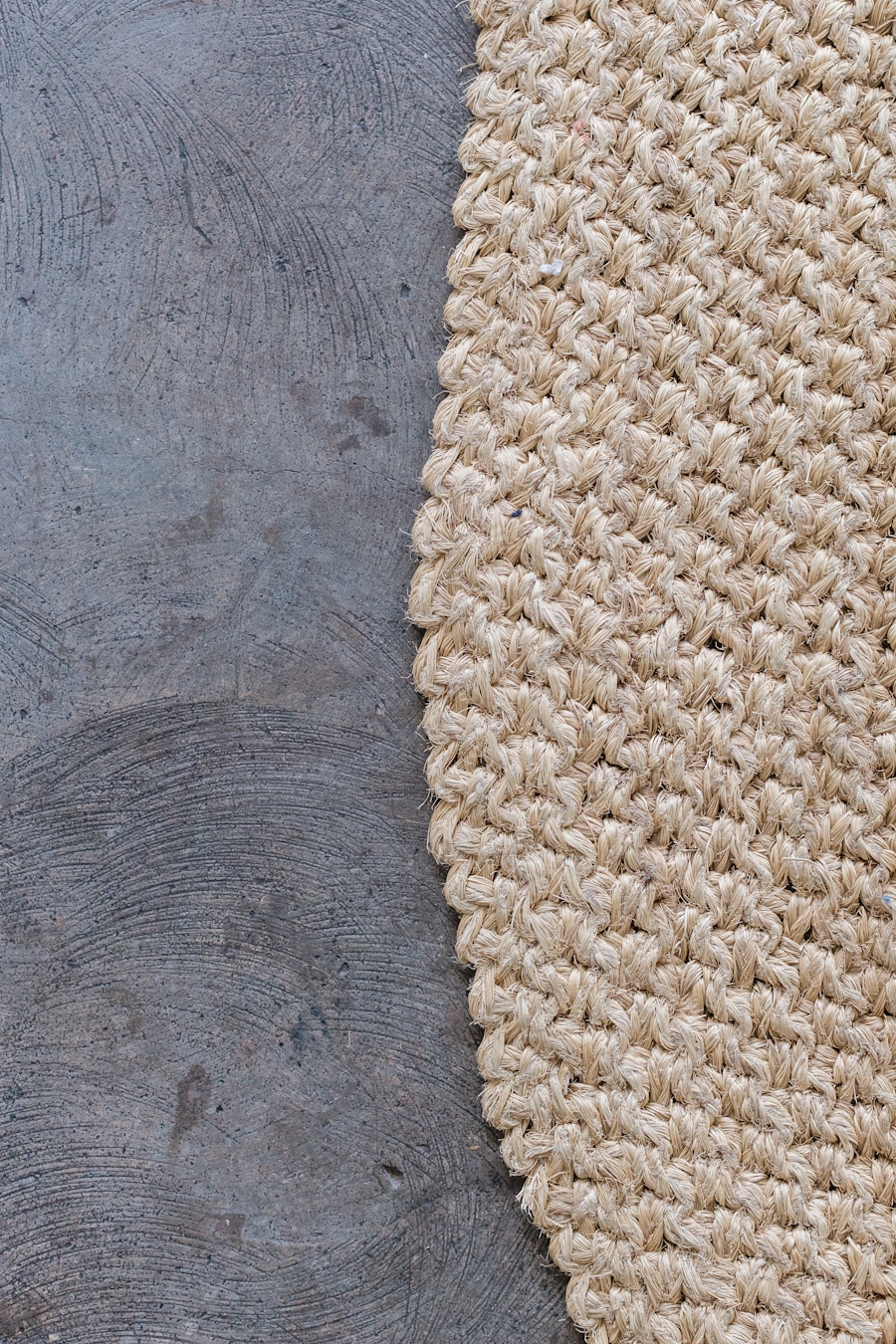
Moisture levels are another critical factor to consider when planning your renovation. Certain rooms, such as bathrooms and kitchens, are prone to higher humidity levels due to water usage. In these areas, it’s vital to select materials that can resist moisture damage.
For instance, ceramic tiles or vinyl flooring are excellent choices for bathrooms because they are waterproof and easy to clean. On the other hand, using hardwood in a moisture-prone area could lead to warping and deterioration over time. In addition to flooring, consider how moisture affects other elements in the room.
Wall treatments, cabinetry, and even paint should be chosen with moisture resistance in mind. For example, using mold-resistant paint in a bathroom can help prevent unsightly mold growth and maintain a fresh appearance. By evaluating moisture levels and selecting appropriate materials, you can create a space that remains beautiful and functional despite the challenges posed by humidity.
Take into Account the Aesthetic and Design
Aesthetics play a significant role in any renovation project. The visual appeal of a room can greatly influence your mood and overall enjoyment of the space. When selecting materials, consider how they will complement your existing decor and design style.
Whether your home leans towards modern minimalism or classic elegance, there are countless options available to suit your taste. You might find yourself drawn to sleek tiles for a contemporary kitchen or warm woods for a cozy living room. Furthermore, think about how color schemes and textures will interact within the room.
A well-coordinated palette can create a harmonious atmosphere that feels inviting and cohesive. If you’re unsure where to start, consider creating a mood board with samples of colors, textures, and materials that inspire you. This visual representation can help clarify your vision and guide your decisions as you move forward with your renovation project.
Research the Durability and Maintenance
Durability is an essential consideration when selecting materials for your home renovation. You want to ensure that your choices can withstand daily use without requiring constant repairs or replacements. Researching the durability of various materials can save you time and money in the long run.
For instance, while natural stone may offer stunning aesthetics, it often requires more maintenance than synthetic alternatives like quartz or laminate. Maintenance is another aspect to keep in mind as you evaluate your options. Some materials may require regular sealing or special cleaning products to maintain their appearance, while others may be more forgiving and easier to care for.
For example, vinyl flooring is known for its low maintenance requirements compared to hardwood floors that may need refinishing every few years. By understanding both durability and maintenance needs, you can make informed choices that align with your lifestyle and preferences.
Compare the Cost and Budget
Considering Long-Term Costs
While some materials may have a higher upfront cost, they could save you money in maintenance or replacement costs over time. It’s essential to factor in these long-term costs when comparing prices.
Installation Expenses Matter
When comparing costs, don’t forget to factor in installation expenses as well. Some materials may be more affordable, but they may require professional installation, which can significantly increase overall costs.
DIY vs. Professional Installation
Conversely, DIY-friendly options might save you money on labor, but they could require more time and effort on your part. By carefully comparing costs and considering both material prices and installation fees, you can make choices that align with your budget while still achieving the desired look and functionality.
Seek Professional Advice and Recommendations
As you navigate through your renovation project, seeking professional advice can be invaluable. Interior designers, contractors, and home improvement specialists can provide insights based on their experience and expertise. They can help you identify potential pitfalls in your plans or suggest alternatives that you may not have considered.
Additionally, professionals often have access to resources and materials that are not readily available to the general public. Don’t hesitate to ask for recommendations from friends or family who have recently completed similar projects. Their firsthand experiences can offer valuable insights into what worked well for them and what challenges they faced along the way.
By gathering information from various sources, you can make more informed decisions that lead to a successful renovation outcome.
Test Samples and Consider Your Lifestyle
Finally, before making any final decisions on materials, it’s wise to test samples in your space. Many retailers offer sample swatches of flooring or paint colors that allow you to see how they look in different lighting conditions throughout the day. This step is crucial because colors can appear drastically different depending on natural light or artificial lighting in your home.
Additionally, consider how your lifestyle will impact your choices. If you have young children or pets, durability and ease of cleaning should be top priorities in your selections. On the other hand, if you entertain frequently or enjoy hosting gatherings, think about how well your chosen materials will hold up under pressure from guests.
By testing samples and reflecting on your lifestyle needs, you can ensure that your renovation not only looks great but also functions seamlessly within your daily life. In conclusion, embarking on a home renovation project requires careful consideration of various factors ranging from room function to aesthetic appeal. By taking the time to assess traffic patterns, moisture levels, durability needs, budget constraints, and lifestyle considerations, you can make informed decisions that lead to a successful transformation of your space.
Seeking professional advice and testing samples further enhances your ability to create a home environment that reflects your personal style while meeting practical needs. With thoughtful planning and execution, your renovation project can result in a beautiful and functional space that enhances your quality of life for years to come.
FAQs
What are the factors to consider when choosing flooring materials for different rooms in a house?
When choosing flooring materials for different rooms in a house, it is important to consider factors such as the room’s function, foot traffic, moisture levels, and the overall aesthetic of the space.
What are some common flooring materials for different rooms in a house?
Common flooring materials for different rooms in a house include hardwood, laminate, vinyl, tile, carpet, and natural stone. Each material has its own unique characteristics and suitability for specific rooms.
What are the best flooring materials for high-traffic areas such as the kitchen and living room?
For high-traffic areas such as the kitchen and living room, durable and easy-to-clean flooring materials such as hardwood, laminate, vinyl, and tile are often recommended.
What are the best flooring materials for moisture-prone areas such as the bathroom and laundry room?
In moisture-prone areas such as the bathroom and laundry room, waterproof flooring materials such as tile, vinyl, and natural stone are ideal choices due to their resistance to water damage.
What are the best flooring materials for bedrooms and other low-traffic areas?
For bedrooms and other low-traffic areas, comfortable and cozy flooring materials such as carpet, hardwood, and laminate are popular choices for creating a warm and inviting atmosphere.
How can I ensure that the flooring materials I choose complement the overall design and style of my house?
To ensure that the flooring materials complement the overall design and style of your house, consider factors such as color, texture, and pattern to create a cohesive and harmonious look throughout the different rooms.