When it comes to making the most of your living area, maximizing storage space is essential. You may find that your belongings often take up more room than you anticipated, leading to clutter and a sense of chaos. To combat this, consider investing in furniture that doubles as storage.
For instance, ottomans with hidden compartments or beds with built-in drawers can provide you with extra space without sacrificing style. Additionally, think about using underutilized areas in your home, such as the space under your stairs or above cabinets, to create additional storage solutions. By being creative and strategic, you can significantly enhance the functionality of your space.
Another effective way to maximize storage is by decluttering regularly. You might be surprised at how much you can let go of when you take the time to assess your belongings. Consider adopting a “one in, one out” policy, where for every new item you bring into your home, you remove an old one.
This practice not only helps keep your space organized but also encourages mindful consumption. Furthermore, utilizing clear bins or labeled boxes can help you maintain order and easily locate items when needed. By prioritizing storage solutions and decluttering habits, you can create a more spacious and serene environment.
Key Takeaways
- Utilize storage solutions such as under-bed storage, hanging organizers, and built-in shelving to maximize storage space in small living areas.
- Choose multi-functional furniture pieces such as storage ottomans, sofa beds, and nesting tables to optimize space and functionality.
- Make use of vertical space by installing tall shelves, hanging plants, and wall-mounted storage units to free up floor space.
- Embrace open floor plans to create a sense of spaciousness and flow within the living area.
- Maximize natural light by using sheer curtains, strategically placing mirrors, and keeping windows unobstructed to create a bright and airy atmosphere.
- Opt for neutral color palettes such as whites, grays, and beiges to create a sense of openness and tranquility in small living spaces.
- Strategically place mirrors to reflect natural light and create the illusion of a larger, more open space.
- Incorporate smart technology such as smart lighting, thermostats, and voice-controlled assistants to optimize convenience and efficiency in small living areas.
Multi-functional Furniture
Maximizing Space with Adaptable Furniture
By choosing furniture that adapts to your lifestyle, you can maximize the potential of your space without overcrowding it with unnecessary items. Moreover, consider incorporating furniture that can be easily reconfigured or moved around. Modular sofas or stackable chairs allow you to change the layout of your room based on your needs or preferences.
Flexibility for a Fresh and Functional Space
This flexibility not only keeps your space feeling fresh but also allows you to host gatherings or create cozy nooks for relaxation. By embracing multi-functional furniture, you can cultivate an environment that is both practical and stylish, ensuring that every piece serves a purpose while contributing to the overall aesthetic of your home.
Practicality Meets Style
By investing in multi-functional furniture, you can create a space that is both functional and stylish. Each piece serves a purpose, and together they contribute to a cohesive and inviting atmosphere.
Utilizing Vertical Space

When it comes to optimizing your living area, utilizing vertical space is often overlooked but incredibly effective. You might be surprised at how much room you can create by thinking upwards rather than outwards. Installing shelves high on walls can provide additional storage for books, decorative items, or even plants without taking up valuable floor space.
This approach not only helps keep your belongings organized but also draws the eye upward, creating an illusion of height and openness in the room. Additionally, consider using tall furniture pieces such as bookcases or cabinets that reach toward the ceiling. These items can serve as statement pieces while providing ample storage options.
If you have limited wall space, think about using hooks or pegboards to hang items like bicycles, tools, or kitchen utensils. This not only frees up floor space but also adds an element of creativity to your decor. By embracing verticality in your design choices, you can transform even the smallest areas into functional and visually appealing spaces.
Open Floor Plans
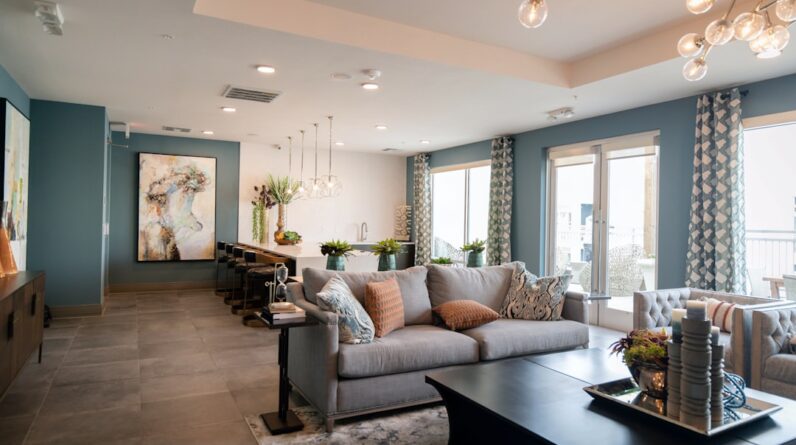
Open floor plans have gained popularity for their ability to create a sense of spaciousness and flow within a home. You may appreciate how this layout encourages interaction and connectivity among different areas of your living space. By removing walls between the kitchen, dining, and living areas, you can foster a more inviting atmosphere that is perfect for entertaining guests or spending time with family.
This design choice allows natural light to permeate throughout the space, enhancing its overall warmth and appeal. However, while open floor plans offer many advantages, they also require thoughtful design to maintain a cohesive look. You might consider using area rugs to define different zones within the open space, helping to create a sense of separation without the need for physical barriers.
Additionally, incorporating consistent color schemes and materials throughout the areas can unify the design and make the space feel harmonious. By embracing an open floor plan while being mindful of its layout and decor, you can create a welcoming environment that feels both spacious and intimate.
Utilizing Natural Light
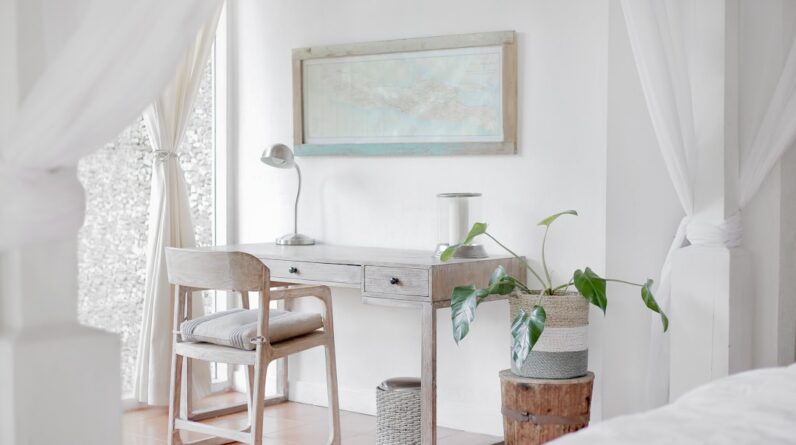
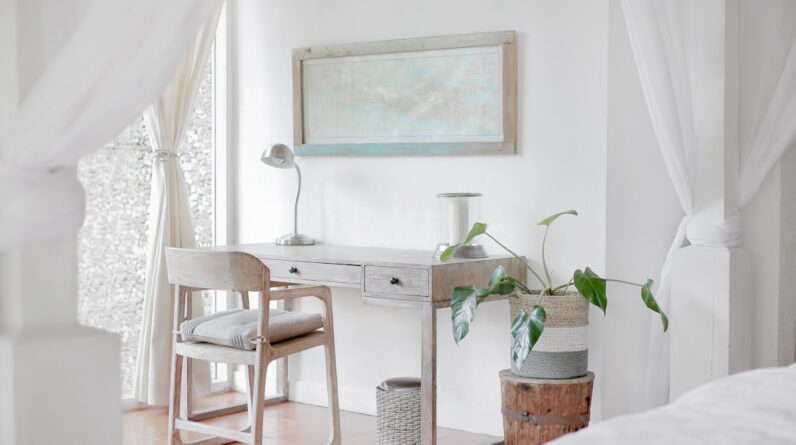
Natural light has a profound impact on the ambiance of any room, making it feel more inviting and spacious. You may find that maximizing natural light in your home not only enhances its aesthetic appeal but also contributes to your overall well-being. Consider using sheer curtains or blinds that allow sunlight to filter through while still providing privacy.
This simple adjustment can brighten up your space and create a warm atmosphere throughout the day. In addition to window treatments, think about strategically placing mirrors across from windows to reflect light deeper into the room. This technique not only amplifies the brightness but also creates an illusion of depth and openness.
If possible, consider removing heavy drapes or obstacles that block light from entering your home. By prioritizing natural light in your design choices, you can cultivate an uplifting environment that promotes positivity and comfort.
Neutral Color Palettes

Establishing a Versatile Backdrop
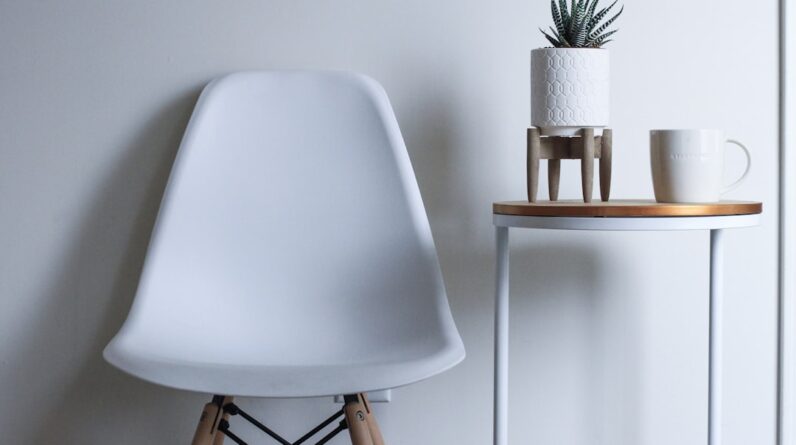
By choosing a neutral palette for your walls and larger furniture pieces, you establish a versatile backdrop that allows for easy integration of accent colors through decor and accessories. Moreover, neutral colors provide a timeless quality that can adapt to changing trends over time. You might appreciate how this approach allows you to refresh your space simply by swapping out decorative items like throw pillows or artwork without needing to repaint or invest in new furniture.
Adding Depth and Interest
Incorporating various textures within a neutral palette—such as soft fabrics, wood finishes, or metallic accents—can add depth and interest without overwhelming the senses.
Creating an Inviting Atmosphere
By embracing neutral color schemes in your home design, you create an inviting atmosphere that feels both spacious and sophisticated.
Strategic Placement of Mirrors
Mirrors are powerful tools in interior design that can dramatically alter the perception of space within a room. You may find that strategically placing mirrors can create an illusion of depth and openness, making even the smallest areas feel more expansive. Consider hanging a large mirror on one wall or using mirrored furniture pieces to reflect light and enhance brightness throughout the space.
This simple addition can transform the ambiance of your home while adding an element of elegance. In addition to their aesthetic benefits, mirrors can also serve practical purposes by helping to visually expand narrow hallways or small rooms. You might experiment with different placements to see how they affect the flow of light and space in your home.
For instance, placing a mirror opposite a window can amplify natural light and create a brighter atmosphere. By thoughtfully incorporating mirrors into your design scheme, you can elevate the overall look of your home while maximizing its perceived size.
Incorporating Smart Technology
Incorporating smart technology into your home design not only enhances convenience but also contributes to maximizing space efficiency. You may appreciate how smart devices can streamline daily tasks and improve functionality within your living area. For instance, smart lighting systems allow you to control brightness levels remotely or set schedules for when lights turn on or off—eliminating the need for bulky switches and creating a cleaner aesthetic.
Additionally, consider integrating smart storage solutions such as automated cabinets or shelving systems that adjust based on your needs. These innovative technologies can help you maintain organization while minimizing clutter in your home. Furthermore, smart thermostats and energy-efficient appliances contribute to sustainability while optimizing energy usage in smaller spaces.
By embracing smart technology in your home design, you not only enhance its functionality but also create an environment that is modern and efficient. In conclusion, maximizing storage space through creative solutions, utilizing multi-functional furniture, and embracing verticality are all essential strategies for optimizing your living area. Open floor plans promote connectivity while allowing natural light to flow freely throughout your home.
Neutral color palettes create an inviting atmosphere that feels spacious and timeless, while mirrors enhance depth and brightness. Finally, incorporating smart technology elevates convenience and efficiency in your daily life. By implementing these design principles thoughtfully, you can transform your home into a harmonious sanctuary that reflects both style and functionality.
FAQs
What are the main design considerations when working with limited square footage in urban apartments?
Some main design considerations when working with limited square footage in urban apartments include maximizing storage space, utilizing multi-functional furniture, incorporating light and neutral colors, and creating visual continuity.
How can storage space be maximized in a small urban apartment?
Storage space can be maximized in a small urban apartment by utilizing vertical space with tall shelves and cabinets, incorporating built-in storage solutions, and using furniture with hidden storage compartments.
What are some examples of multi-functional furniture that can be used in small urban apartments?
Examples of multi-functional furniture that can be used in small urban apartments include sofa beds, murphy beds, nesting tables, and ottomans with storage.
Why is it important to incorporate light and neutral colors in small urban apartments?
Incorporating light and neutral colors in small urban apartments helps to create a sense of openness and airiness, making the space feel larger and more inviting.
How can visual continuity be created in a small urban apartment?
Visual continuity can be created in a small urban apartment by using a cohesive color palette throughout the space, minimizing visual clutter, and incorporating reflective surfaces to enhance natural light.