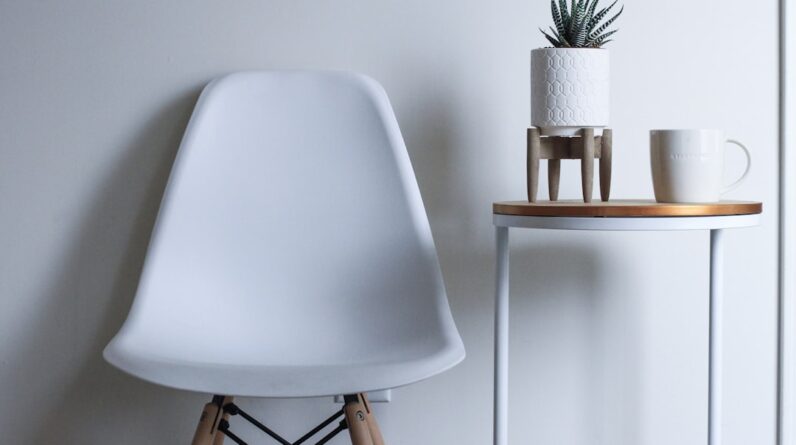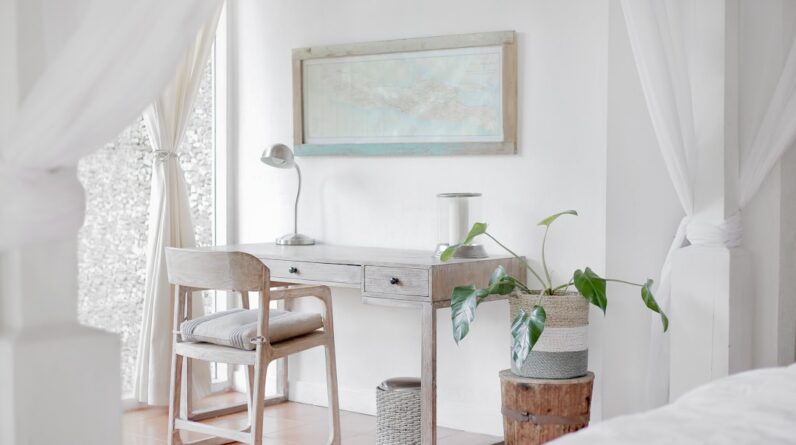
Contemporary interior design is a dynamic and ever-evolving style that reflects the current trends and cultural influences of our time. As you delve into this design approach, you will find that it emphasizes simplicity, clean lines, and a sense of openness. Unlike traditional styles that often rely on ornate details and heavy furnishings, contemporary design embraces a more streamlined aesthetic.
This means that when you are considering your own space, you should focus on creating an environment that feels fresh and uncluttered, allowing for both functionality and beauty. In contemporary design, the emphasis is placed on the here and now. This means that you should be aware of the latest trends in materials, colors, and furnishings.
You will notice that contemporary spaces often feature a mix of styles, allowing for personal expression while still adhering to a cohesive look. As you explore this design philosophy, consider how you can incorporate elements that resonate with your personal taste while still maintaining the essence of contemporary design. This balance will help you create a space that feels both modern and uniquely yours.
Key Takeaways
- Contemporary interior design focuses on clean lines, minimalism, and functionality.
- Minimalist elements such as simple furniture and uncluttered spaces can create a sense of calm and openness in a room.
- Open floor plans promote a sense of spaciousness and flow between different areas of the home.
- Neutral color palettes, such as whites, grays, and earth tones, create a timeless and versatile backdrop for contemporary design.
- Sustainable and eco-friendly materials, such as bamboo flooring and recycled glass countertops, can add a touch of environmental consciousness to a space.
Incorporating Minimalist Elements
The Essence of Minimalism
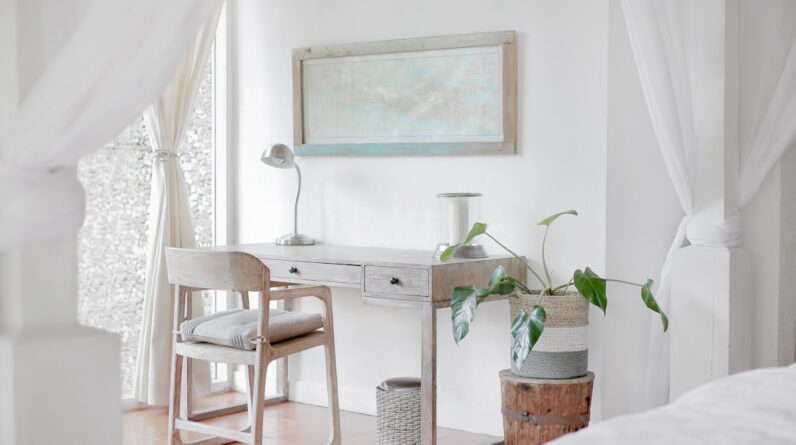
When you think about minimalism, consider the idea of “less is more.” This means that you should focus on essential pieces that serve a purpose while also contributing to the overall aesthetic of your home. By selecting furniture and decor that are functional yet stylish, you can create a space that feels open and inviting.
Decluttering and Simplifying
To embrace minimalism effectively, start by decluttering your space. Remove items that no longer serve a purpose or bring you joy. Once you have a clean slate, choose furniture with simple lines and neutral colors.
Creating a Sanctuary
Opt for multi-functional pieces, such as a coffee table with storage or a sofa bed for guests. By doing so, you will not only maximize your space but also create an atmosphere that promotes relaxation and mindfulness. Remember, the goal is to create a sanctuary where you can unwind without distractions.
Embracing Open Floor Plans
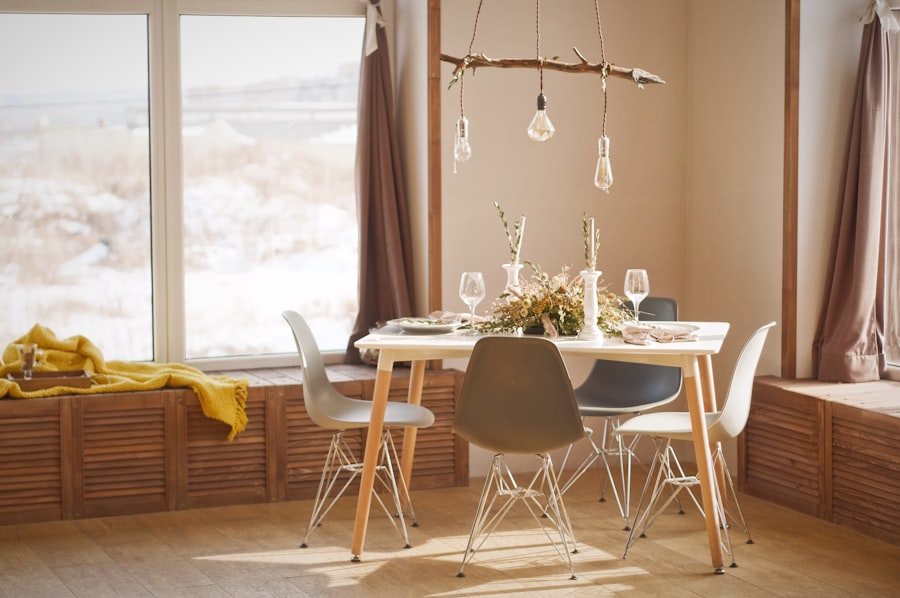
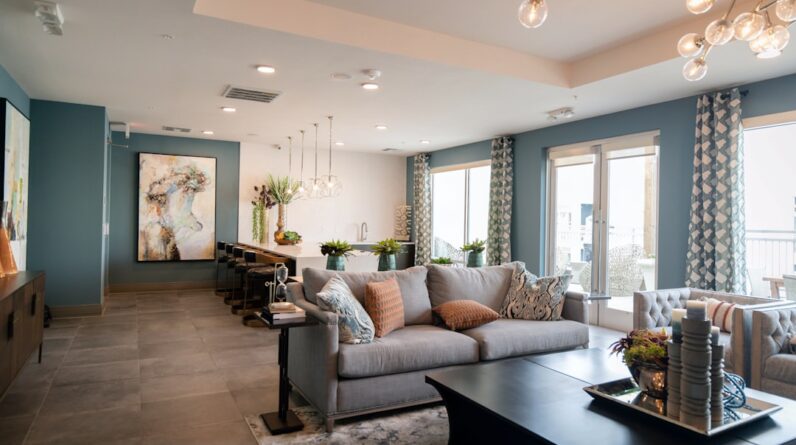
Open floor plans have become increasingly popular in contemporary interior design, as they promote a sense of flow and connectivity between different areas of your home. When you embrace this layout, you will find that it encourages social interaction and makes your space feel larger than it actually is. If you are considering an open floor plan, think about how you can create distinct zones within the space while maintaining an overall sense of unity.
To achieve this balance, consider using furniture placement to define different areas. For example, you might position a sofa to create a cozy living area while leaving the dining space open and accessible. Additionally, using area rugs can help delineate these zones without the need for physical barriers.
As you design your open floor plan, remember to keep sightlines in mind; this means ensuring that each area flows seamlessly into the next, creating an inviting atmosphere for both residents and guests.
Utilizing Neutral Color Palettes
A neutral color palette is a hallmark of contemporary interior design, providing a versatile backdrop that allows other elements in your space to shine. When you choose neutral tones such as whites, grays, beiges, and soft earth tones, you create an environment that feels calm and sophisticated. This approach not only enhances the overall aesthetic but also allows for easy integration of various decor styles and accents.
As you select your color palette, consider how different shades can evoke specific moods within your space. For instance, warm neutrals can create a cozy atmosphere, while cooler tones may lend a more modern feel. You can also play with texture to add depth to your neutral palette; think about incorporating materials like wood, metal, or textiles to create visual interest without overwhelming the senses.
By thoughtfully curating your color choices, you will establish a harmonious environment that feels both inviting and stylish.
Integrating Sustainable and Eco-Friendly Materials
In today’s world, sustainability is more important than ever, and incorporating eco-friendly materials into your interior design can make a significant impact. As you consider your options, look for sustainable materials such as reclaimed wood, bamboo, or recycled metal. These choices not only reduce your carbon footprint but also add unique character to your space.
By prioritizing sustainability in your design decisions, you contribute to a healthier planet while creating an environment that reflects your values. When selecting furnishings and decor items, pay attention to certifications and sourcing practices. Opt for products made from natural materials or those produced using environmentally friendly methods.
Additionally, consider investing in timeless pieces that will last for years to come rather than trendy items that may quickly go out of style. By choosing quality over quantity, you will create a space that is not only beautiful but also sustainable in the long run.
Incorporating Technology and Smart Home Features
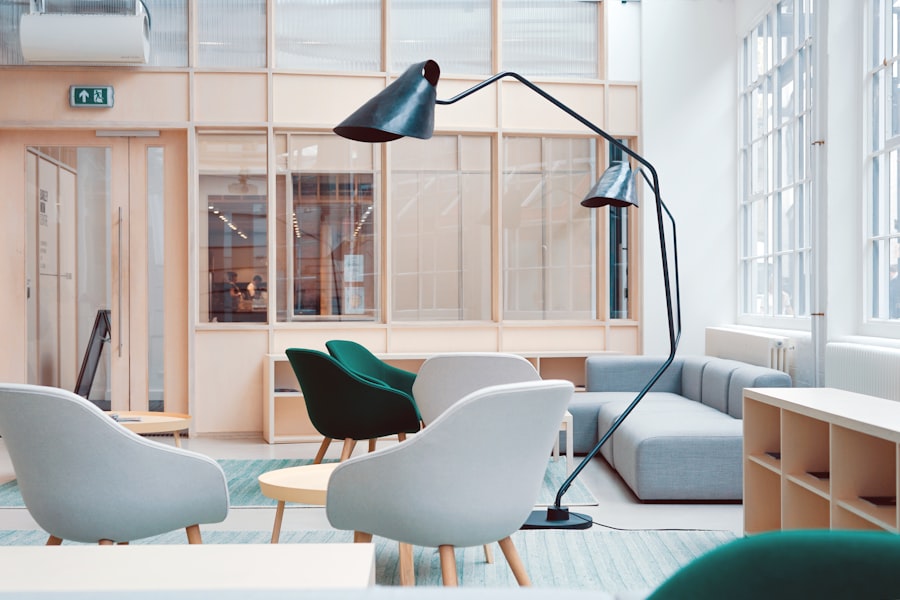
As technology continues to advance at a rapid pace, integrating smart home features into your interior design can enhance both convenience and efficiency. From smart lighting systems to automated thermostats, these innovations allow you to control various aspects of your home with ease. When considering technology in your design, think about how these features can improve your daily life while seamlessly blending into your overall aesthetic.
To incorporate technology effectively, start by assessing your needs and lifestyle. For instance, if you enjoy hosting gatherings, consider investing in a smart sound system that allows you to control music throughout your home with just a few taps on your smartphone. Additionally, smart lighting can help set the mood for different occasions by adjusting brightness and color temperature at the touch of a button.
By thoughtfully integrating technology into your space, you will create an environment that is not only stylish but also functional and responsive to your needs.
Mixing Different Textures and Materials
One of the most exciting aspects of contemporary interior design is the opportunity to mix different textures and materials to create visual interest and depth within your space. As you explore this concept, think about how various elements can work together harmoniously while still showcasing their unique characteristics. For example, pairing sleek metal accents with soft textiles can create a balanced aesthetic that feels both modern and inviting.
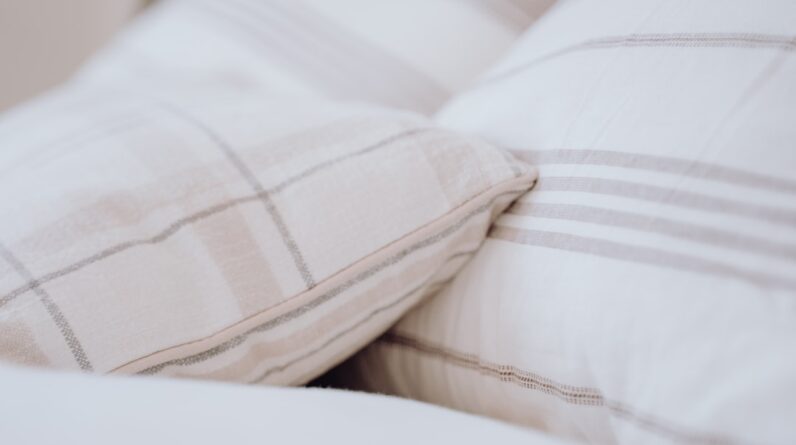
When mixing textures, consider layering different materials within the same color palette to maintain cohesion. You might combine a plush velvet sofa with a sleek glass coffee table or incorporate woven baskets alongside polished wood shelves. This approach not only adds dimension to your design but also invites tactile experiences that engage the senses.
As you experiment with different combinations, remember to trust your instincts; the goal is to create a space that feels authentic to you while still embracing contemporary design principles.
Creating a Functional and Stylish Space
Ultimately, the key to successful contemporary interior design lies in creating a space that is both functional and stylish. As you embark on this journey, keep in mind that every element should serve a purpose while contributing to the overall aesthetic of your home. This balance will ensure that your space feels comfortable and inviting while still reflecting your personal style.
To achieve this harmony, start by assessing how you use each area of your home. Consider factors such as traffic flow, natural light, and the activities that take place in each room. Once you have a clear understanding of these elements, select furnishings and decor that enhance functionality without sacrificing style.
For instance, choose storage solutions that blend seamlessly with your decor or opt for furniture pieces that can adapt to various needs over time. By prioritizing both function and aesthetics in your design choices, you will create a contemporary space that truly feels like home.
FAQs
What is contemporary interior design?
Contemporary interior design refers to the current trends and styles in interior design. It often incorporates clean lines, minimalism, and a focus on function and practicality.
What are some key principles of contemporary interior design?
Some key principles of contemporary interior design include using clean lines, incorporating natural light, utilizing neutral color palettes, and focusing on functionality and practicality.
How can contemporary interior design be incorporated into a renovation project?
Contemporary interior design can be incorporated into a renovation project by updating furniture and fixtures to reflect current trends, using neutral color palettes, and incorporating modern materials such as glass, metal, and concrete.
What are some popular materials used in contemporary interior design?
Popular materials used in contemporary interior design include glass, metal, concrete, and natural materials such as wood and stone. These materials are often used to create a sleek and modern look.
What are some common features of contemporary interior design?
Common features of contemporary interior design include open floor plans, minimalistic furniture and decor, and a focus on creating a sense of spaciousness and simplicity. Additionally, contemporary design often incorporates technology and smart home features.