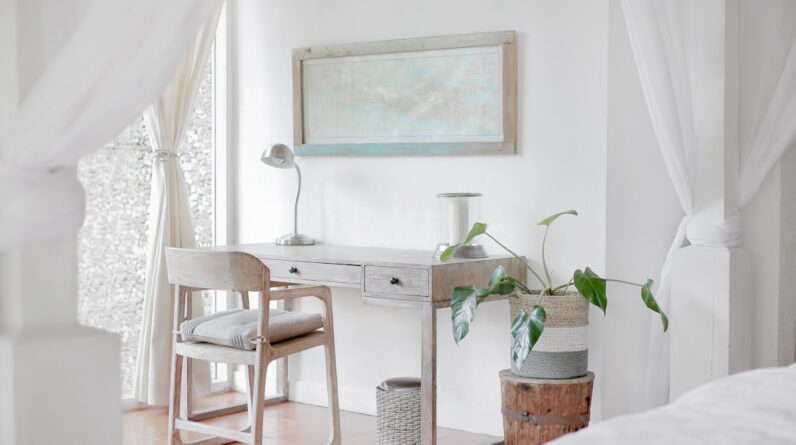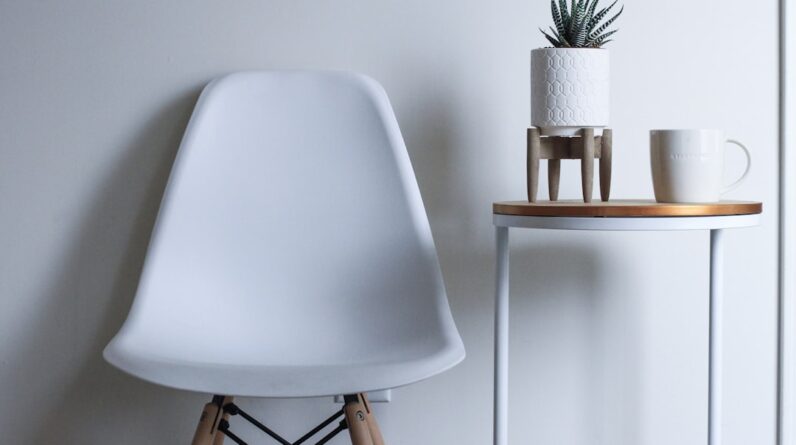
Contemporary interior design is a dynamic and ever-evolving style that reflects the current trends and cultural influences of our time. As you delve into this design approach, you will find that it emphasizes simplicity, clean lines, and a sense of openness. Unlike traditional styles that often rely on ornate details and heavy furnishings, contemporary design embraces a more streamlined aesthetic.
This means that as you curate your space, you will focus on creating an environment that feels both modern and inviting, allowing for a seamless flow between different areas of your home. In contemporary design, the concept of space is paramount. You will notice that this style often prioritizes functionality while maintaining an air of sophistication.
The use of neutral colors, combined with bold accents, creates a balanced atmosphere that is both calming and stimulating. As you explore various elements of contemporary design, consider how each piece contributes to the overall harmony of your space. This approach encourages you to think critically about your choices, ensuring that every item serves a purpose while also enhancing the aesthetic appeal of your home.
Key Takeaways
- Contemporary interior design focuses on clean lines, minimalism, and functionality.
- Choose a color palette that is neutral with pops of bold colors for a modern look.
- Incorporate minimalist furniture with sleek designs and multifunctional features.
- Embrace natural light and open space to create a sense of airiness and tranquility.
- Add personal touches with art and decor that reflect your personality and style.
Choosing the Right Color Palette
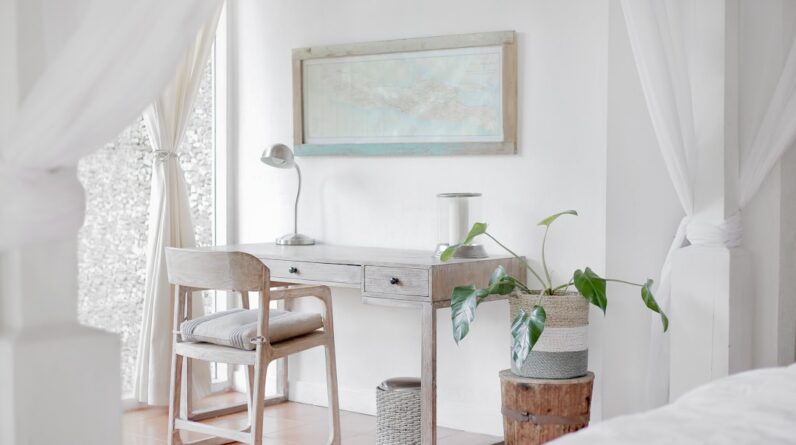
Selecting the right color palette is crucial in establishing the mood and character of your space. In contemporary interior design, you will often find a preference for neutral tones such as whites, grays, and beiges, which serve as a perfect backdrop for bolder accent colors. As you choose your palette, think about how different shades can evoke various emotions and set the tone for each room.
For instance, soft blues and greens can create a serene atmosphere in a bedroom, while vibrant reds or yellows can energize a living area. When incorporating color into your design, consider using a technique known as the 60-30-10 rule. This guideline suggests that 60% of your space should be dominated by a primary color, 30% by a secondary color, and 10% by an accent color.
By following this formula, you can achieve a balanced and cohesive look that feels intentional rather than chaotic. As you experiment with different combinations, don’t hesitate to draw inspiration from nature or art; these sources can provide fresh ideas for creating a harmonious color scheme that reflects your personal style.
Incorporating Minimalist Furniture
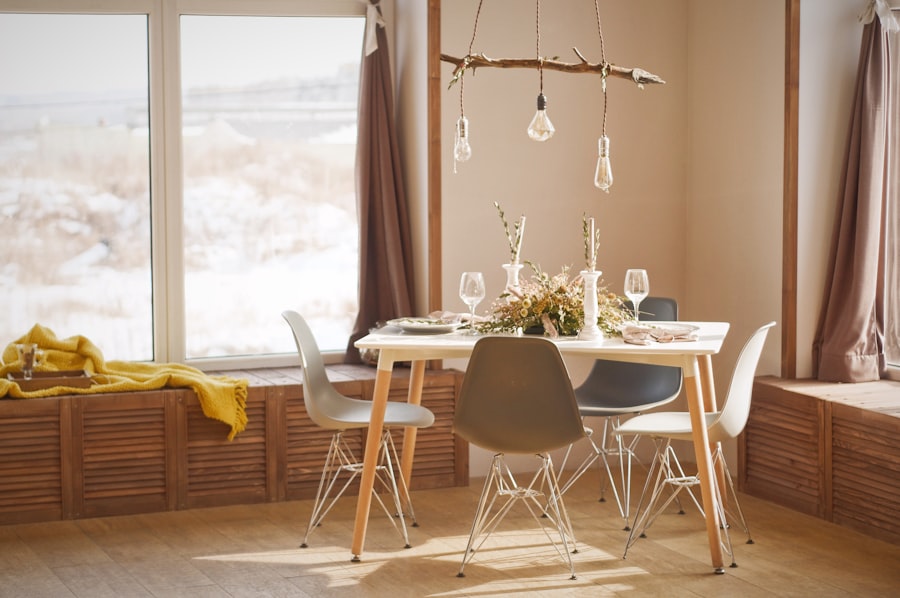
Minimalist furniture is a hallmark of contemporary interior design, characterized by its simplicity and functionality. When selecting furniture for your space, you will want to focus on pieces that are not only aesthetically pleasing but also serve multiple purposes. For example, a sleek coffee table with built-in storage can help keep your living area organized while maintaining a clean look.
As you explore various options, prioritize quality over quantity; investing in fewer, high-quality pieces will create a more sophisticated environment. In addition to functionality, consider the materials used in minimalist furniture. Natural woods, metals, and glass are popular choices that contribute to an airy feel in your home.
As you curate your collection, aim for pieces that have clean lines and geometric shapes, which can enhance the overall modern aesthetic. Remember that less is often more in contemporary design; by choosing furniture that embodies simplicity, you will create an inviting space that encourages relaxation and connection.
Embracing Natural Light and Open Space
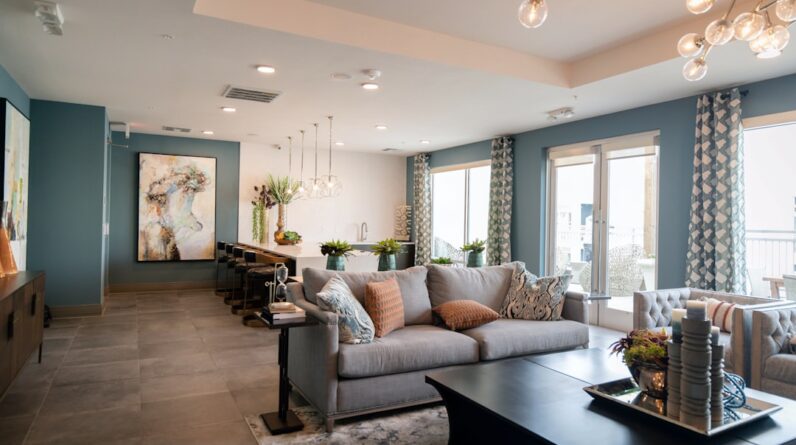
One of the defining features of contemporary interior design is the emphasis on natural light and open spaces. As you plan your layout, think about how to maximize the flow of light throughout your home. Large windows, skylights, and open floor plans can help create an airy atmosphere that feels expansive and welcoming.
You may want to consider removing unnecessary walls or barriers to foster a sense of continuity between different areas of your home. In addition to enhancing the overall aesthetic, natural light has numerous benefits for your well-being. Exposure to sunlight can improve mood and productivity while creating a warm and inviting environment.
As you arrange your furniture, be mindful of how it interacts with light sources; positioning seating areas near windows can encourage conversation and connection while allowing you to enjoy the beauty of the outdoors from within your home.
Adding Personal Touches with Art and Decor
While contemporary interior design often leans towards minimalism, adding personal touches through art and decor is essential for making your space feel uniquely yours. As you curate your collection of artwork, consider pieces that resonate with you emotionally or reflect your interests and experiences. This could include anything from abstract paintings to photography or sculptures; the key is to choose items that spark joy and conversation.
In addition to artwork, decorative elements such as throw pillows, rugs, and plants can add warmth and personality to your space. When selecting these items, think about how they complement your overall color palette and furniture choices. Layering textures and patterns can create visual interest without overwhelming the minimalist aesthetic.
By thoughtfully incorporating personal touches into your design, you will create an environment that feels both stylish and deeply connected to who you are.
Utilizing Sustainable and Eco-Friendly Materials
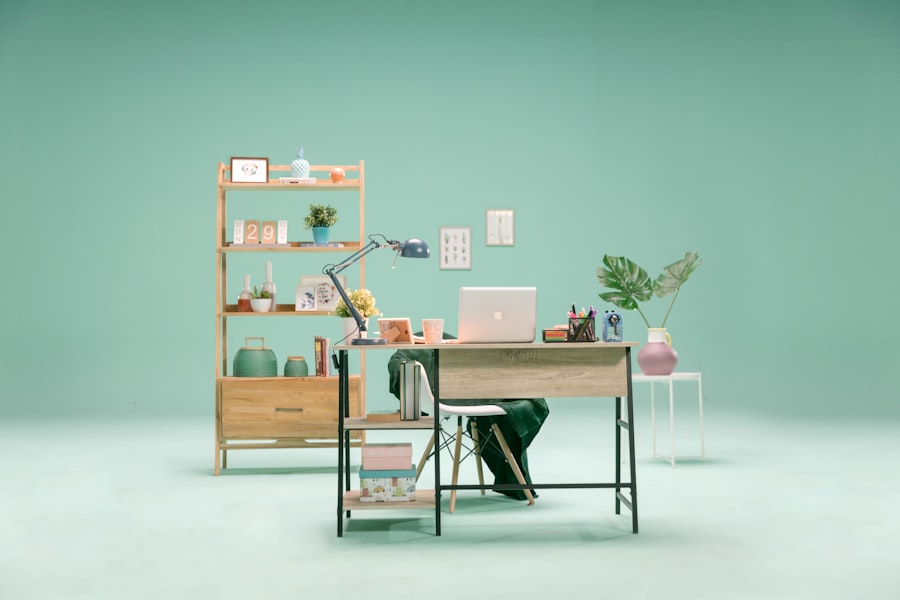
As awareness of environmental issues continues to grow, incorporating sustainable and eco-friendly materials into your interior design has become increasingly important. When selecting furnishings and finishes for your home, consider options made from renewable resources or recycled materials. For instance, bamboo flooring or reclaimed wood furniture not only adds character to your space but also minimizes your ecological footprint.
In addition to materials, think about energy-efficient appliances and fixtures that can help reduce energy consumption in your home. LED lighting, low-flow faucets, and Energy Star-rated appliances are all excellent choices that contribute to a more sustainable lifestyle. By prioritizing eco-friendly options in your design process, you will not only create a beautiful space but also promote a healthier planet for future generations.
Creating Functional and Multi-Purpose Spaces
In today’s fast-paced world, creating functional and multi-purpose spaces is essential for maximizing the utility of your home. As you design each room, think about how it can serve multiple functions without sacrificing style or comfort. For example, a guest room can double as a home office by incorporating a fold-out desk or a Murphy bed; this allows you to make the most of limited square footage while maintaining an inviting atmosphere.
When designing multi-purpose spaces, consider flexible furniture options that can easily adapt to different needs. Ottomans with hidden storage or extendable dining tables are great examples of pieces that can transform a room’s functionality without compromising its aesthetic appeal. By embracing versatility in your design choices, you will create an environment that supports your lifestyle while remaining stylish and cohesive.
Incorporating Technology and Smart Home Features
As technology continues to advance at an unprecedented pace, incorporating smart home features into your interior design has become increasingly popular. These innovations not only enhance convenience but also contribute to energy efficiency and security in your home. As you explore various options, consider integrating smart lighting systems that allow you to control brightness and color temperature through your smartphone or voice commands.
In addition to lighting, smart thermostats and security systems can help create a more comfortable and secure living environment. By automating these features, you can optimize energy usage while ensuring peace of mind when you’re away from home. As you incorporate technology into your design, aim for seamless integration; choose devices that complement your aesthetic rather than detract from it.
By thoughtfully blending technology with contemporary design principles, you will create a modern living space that meets both functional needs and personal preferences. In conclusion, contemporary interior design offers a wealth of opportunities for creating spaces that are not only stylish but also functional and reflective of your personality. By understanding key principles such as color palettes, minimalist furniture choices, natural light incorporation, personal touches through art and decor, sustainability considerations, multi-purpose functionality, and smart technology integration, you can craft an environment that truly feels like home.
Embrace these elements as you embark on your design journey; with careful thought and creativity, you will transform your living space into a harmonious sanctuary tailored to your unique lifestyle.
FAQs
What is contemporary interior design?
Contemporary interior design refers to the current trends and styles in interior decorating. It often incorporates clean lines, minimalism, and a mix of modern and traditional elements.
How is contemporary interior design different from modern interior design?
While modern interior design refers to a specific period in design history (late 19th to mid-20th century), contemporary interior design is constantly evolving and reflects the current trends and styles.
What are some key elements of contemporary interior design?
Key elements of contemporary interior design include open floor plans, neutral color palettes, use of natural light, clean lines, and a focus on functionality and minimalism.
How can I personalize my space with contemporary interior design?
You can personalize your space with contemporary interior design by incorporating your own unique style through artwork, accessories, and furniture choices. Mixing different textures and materials can also add a personal touch to your space.
What are some popular materials and finishes used in contemporary interior design?
Popular materials and finishes in contemporary interior design include glass, metal, concrete, wood, and natural stone. These materials are often used in their natural state or with minimal embellishments.
How can I incorporate sustainability into contemporary interior design?
You can incorporate sustainability into contemporary interior design by choosing eco-friendly materials, using energy-efficient lighting, and selecting furniture and decor items that are made from sustainable or recycled materials.