As you navigate the complexities of a multigenerational household, it becomes essential to recognize the unique needs and preferences of each generation living under one roof. The Baby Boomers, for instance, may prioritize comfort and accessibility, seeking spaces that allow them to age in place while still enjoying the company of their family. On the other hand, Generation X might value practicality and efficiency, looking for areas that facilitate their busy lifestyles while providing a sense of stability for their children.
Meanwhile, Millennials and Gen Z often crave modern aesthetics and technology integration, desiring spaces that reflect their values and lifestyles. To create a harmonious living environment, you must engage in open conversations with each family member about their specific needs. This dialogue can help you identify common ground and potential conflicts, allowing you to design spaces that cater to everyone.
For example, while older generations may prefer quieter areas for relaxation, younger members might seek vibrant spaces for socializing and entertainment. By understanding these diverse perspectives, you can foster an atmosphere of respect and collaboration, ensuring that every generation feels valued and heard.
Key Takeaways
- Each generation has unique needs and preferences that should be considered when designing living spaces.
- Functional and flexible spaces can accommodate the diverse activities and lifestyles of different generations.
- Universal design principles can make living spaces accessible and inclusive for people of all ages and abilities.
- Balancing modern and traditional elements in design can create a harmonious and timeless living environment.
- Safety and accessibility should be prioritized to ensure that everyone can navigate and use the living spaces comfortably and independently.
Creating Functional and Flexible Spaces
Adaptable Spaces for Different Purposes
A living room can transform from a cozy family gathering space during the day into a quiet reading nook in the evening. By incorporating movable furniture or modular designs, you can easily reconfigure the space to suit different activities and preferences.
Open Floor Plans for Interaction and Privacy
An open kitchen and dining area can encourage family meals and gatherings, fostering connections among generations. At the same time, having designated quiet zones or private nooks can provide individuals with the solitude they sometimes crave.
Striking a Balance between Communal and Private Spaces
By striking this balance between communal and private spaces, you create an environment that supports both togetherness and personal reflection.
Incorporating Universal Design Principles
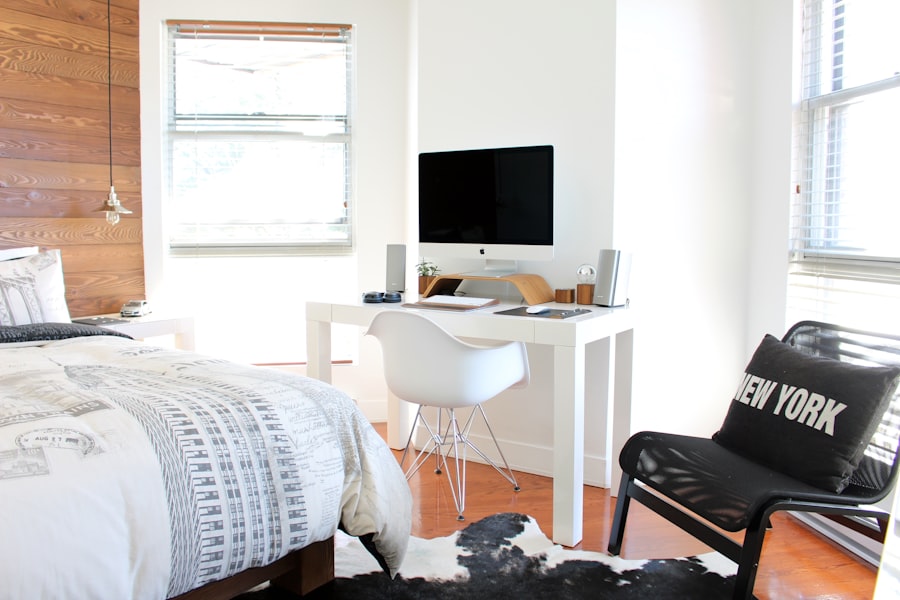
Universal design principles are essential when creating a home that accommodates all generations. These principles focus on making spaces accessible and usable for everyone, regardless of age or ability. For instance, consider incorporating features such as wider doorways, lever-style door handles, and non-slip flooring to enhance safety and accessibility for older family members.
Additionally, installing grab bars in bathrooms and ensuring that light switches are at an appropriate height can significantly improve usability for individuals with mobility challenges. Beyond physical accessibility, universal design also encompasses the emotional and social aspects of living together. You want to create an environment that fosters inclusivity and encourages interaction among family members.
This could involve designing communal areas that are inviting and comfortable, with seating arrangements that promote conversation. By prioritizing universal design principles, you not only enhance the functionality of your home but also create a welcoming atmosphere where everyone feels at ease.
Finding a Balance Between Modern and Traditional Elements
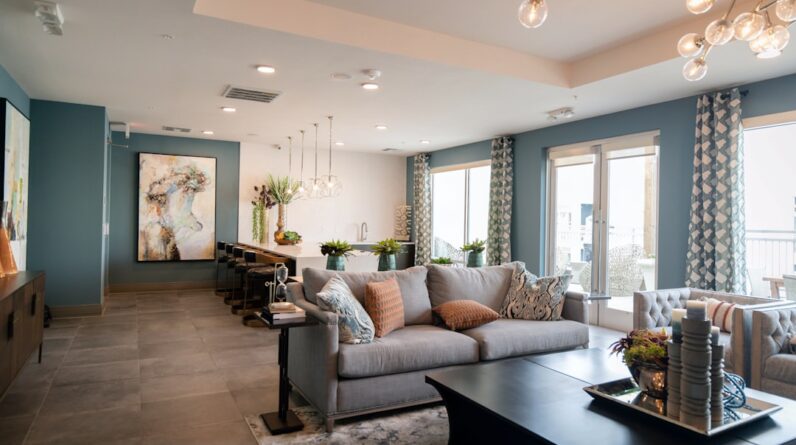
In a multigenerational household, blending modern and traditional design elements can create a cohesive aesthetic that appeals to all generations. You might find that older family members appreciate classic styles and timeless furnishings, while younger generations lean towards contemporary designs with clean lines and bold colors. To strike this balance, consider incorporating traditional pieces that have sentimental value alongside modern accents that reflect current trends.
One effective approach is to use a neutral color palette as a foundation while adding pops of color through accessories or artwork. This allows you to maintain a timeless feel while still embracing modernity. Additionally, mixing materials—such as pairing rustic wood with sleek metal—can create visual interest and harmony between different styles.
By thoughtfully curating your space in this way, you can create an environment that honors the past while embracing the future.
Prioritizing Safety and Accessibility
Safety should always be a top priority in a multigenerational home. As you design your living space, consider the potential hazards that may affect different family members. For instance, older adults may be at risk of falls, so it’s crucial to eliminate tripping hazards by securing rugs and ensuring adequate lighting throughout the home.
Installing handrails on staircases and ensuring that pathways are clear can significantly enhance safety for everyone. Accessibility is equally important in fostering independence among family members. You might want to evaluate the layout of your home to ensure that essential areas—such as bathrooms and kitchens—are easily reachable for all generations.
This could involve installing ramps or lifts if necessary or reconfiguring spaces to accommodate mobility aids like walkers or wheelchairs. By prioritizing safety and accessibility, you create an environment where everyone can thrive without unnecessary worry.
Establishing Private and Shared Areas
Creating a balance between private and shared areas is vital in a multigenerational household. While communal spaces encourage bonding and interaction among family members, private areas provide individuals with the solitude they need to recharge. As you design your home, think about how you can establish distinct zones for both purposes.
For shared areas, consider designing inviting spaces where family members can gather for meals or leisure activities. A spacious dining room or a cozy family room can serve as the heart of your home, fostering connections among generations. Conversely, private areas—such as bedrooms or personal study spaces—should be designed with comfort and tranquility in mind.
By thoughtfully delineating these spaces, you ensure that everyone has access to both social interaction and personal retreat.
Utilizing Multifunctional Furniture and Storage Solutions
In a multigenerational home, space is often at a premium, making multifunctional furniture an invaluable asset. You want to invest in pieces that serve multiple purposes, such as sofa beds for accommodating guests or ottomans with hidden storage for keeping clutter at bay. These versatile solutions not only maximize your available space but also enhance the overall functionality of your home.
Additionally, consider incorporating creative storage solutions that cater to the diverse needs of your family members. Built-in shelving units or under-bed storage can help keep shared areas organized while allowing each generation to maintain their belongings easily accessible yet out of sight. By utilizing multifunctional furniture and innovative storage options, you create a more efficient living environment that meets the demands of a busy household.
Fostering Communication and Compromise within the Household
Ultimately, the success of a multigenerational household hinges on effective communication and compromise among family members. It’s essential to establish an open dialogue where everyone feels comfortable expressing their needs and preferences. Regular family meetings can provide a platform for discussing any concerns or ideas related to your living space, ensuring that everyone has a voice in decision-making.
Encouraging compromise is equally important in maintaining harmony within your home. You may find that certain design choices resonate more with one generation than another; however, by working together to find middle ground, you can create an environment that reflects the collective identity of your family. This collaborative approach not only strengthens relationships but also fosters a sense of belonging among all generations living together.
In conclusion, designing a multigenerational home requires careful consideration of each generation’s unique needs while fostering an environment of collaboration and respect. By understanding these diverse perspectives and implementing thoughtful design strategies—such as creating flexible spaces, incorporating universal design principles, prioritizing safety, establishing private areas, utilizing multifunctional furniture, and fostering communication—you can create a harmonious living environment where every family member feels valued and at home.
FAQs
What are the key considerations when designing a contemporary space for multiple generations living together?
When designing a contemporary space for multiple generations, it is important to consider the needs and preferences of each generation, create flexible and adaptable spaces, prioritize accessibility and safety, and incorporate technology to enhance convenience and connectivity.
How can I create a flexible and adaptable space for multiple generations living together?
To create a flexible and adaptable space, consider open floor plans, multifunctional furniture, and modular design elements that can be easily reconfigured to accommodate different activities and needs. Additionally, incorporating storage solutions and movable partitions can help optimize the use of space.
What are some design strategies to prioritize accessibility and safety for multiple generations living together?
Design strategies to prioritize accessibility and safety include incorporating universal design principles, such as wider doorways and hallways, non-slip flooring, and lever-style door handles. Additionally, installing grab bars in bathrooms and ensuring adequate lighting throughout the space can enhance safety for all generations.
How can technology be integrated into the design of a contemporary space for multiple generations living together?
Technology can be integrated into the design of a contemporary space through smart home features, such as voice-activated assistants, automated lighting and temperature control, and remote monitoring systems for security and healthcare. Additionally, providing designated tech-friendly areas and incorporating charging stations can enhance connectivity for all generations.
What are some tips for creating a harmonious and cohesive design for multiple generations living together?
To create a harmonious and cohesive design, consider incorporating a neutral color palette, blending traditional and modern elements, and incorporating personal touches and family mementos. Additionally, creating designated spaces for different activities and providing opportunities for individual expression can help accommodate the diverse needs and preferences of multiple generations.