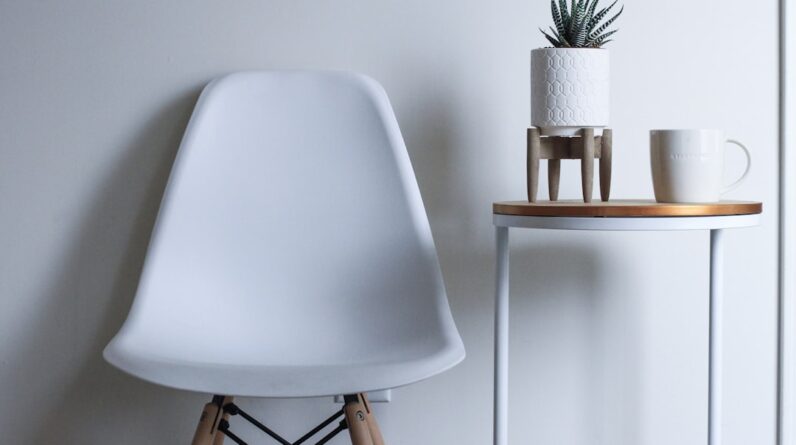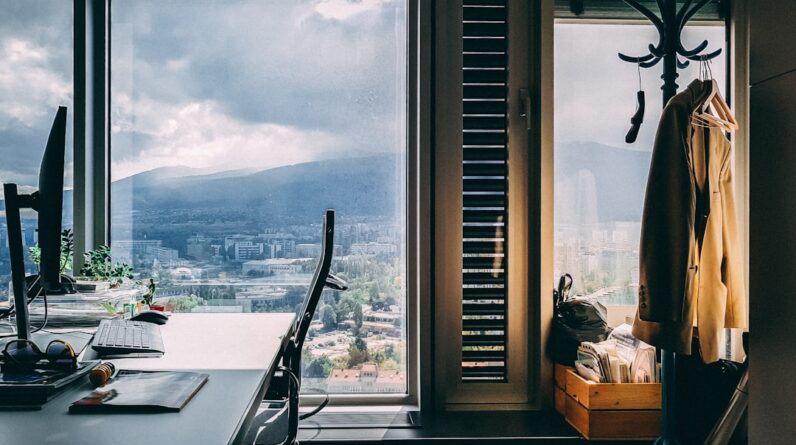
Office interior design plays a pivotal role in shaping the overall atmosphere and functionality of a workplace. It is not merely about aesthetics; rather, it encompasses the strategic arrangement of space, furniture, and decor to foster an environment conducive to productivity and employee well-being. A well-designed office can significantly enhance employee morale, reduce stress levels, and promote collaboration among team members.
When employees feel comfortable and inspired in their surroundings, they are more likely to engage fully with their work, leading to increased efficiency and creativity. Moreover, an appealing office design can serve as a powerful recruitment tool, attracting top talent who are drawn to environments that reflect modernity and innovation. Furthermore, the importance of office interior design extends beyond the immediate benefits to employees.
It also influences how clients and visitors perceive a company. A thoughtfully designed office can communicate professionalism, attention to detail, and a commitment to quality. This perception can be crucial in establishing trust and credibility with clients, partners, and stakeholders.
In an era where remote work is becoming increasingly prevalent, the physical workspace must stand out as a hub of collaboration and innovation. Therefore, investing in office interior design is not just an expense; it is a strategic decision that can yield long-term benefits for both employees and the organization as a whole.
Key Takeaways
- A well-designed office interior can improve employee morale, productivity, and overall well-being.
- Understanding the needs and preferences of your employees is crucial in creating a workspace that fosters creativity and collaboration.
- Incorporating brand identity into the office design can help reinforce company culture and values.
- Maximizing space and functionality is essential for creating an efficient and organized work environment.
- Utilizing natural light and greenery can improve mood and productivity, while also promoting a healthier work environment.
Understanding the Needs of Your Employees
Understanding Employee Needs
Creating an effective office environment requires understanding the diverse needs of employees. Each individual has unique preferences regarding their workspace, which can significantly impact their productivity and job satisfaction. Conducting surveys or focus groups can provide valuable insights into what employees value most in their work environment.
Designing for Diverse Preferences
For instance, some employees may prioritize quiet spaces for focused work, while others may thrive in collaborative areas that encourage brainstorming and teamwork. By actively seeking input from employees, organizations can tailor their office design to meet these varied needs, ultimately fostering a sense of ownership and belonging among staff. Moreover, understanding employee needs goes beyond just physical space; it also encompasses psychological factors that contribute to overall well-being.
Promoting Employee Well-being
Incorporating elements that promote mental health—such as quiet zones for relaxation or areas for social interaction—can significantly enhance employee satisfaction. Additionally, considering ergonomic furniture and adjustable workstations can help prevent physical strain and discomfort. By prioritizing employee needs in the design process, companies not only demonstrate their commitment to staff welfare but also create an environment where individuals can thrive both personally and professionally.
Incorporating Brand Identity into the Design

Integrating brand identity into office interior design is crucial for creating a cohesive and recognizable corporate image. The physical workspace should reflect the values, mission, and culture of the organization. This can be achieved through the use of colors, logos, and design elements that resonate with the brand’s identity.
For instance, a tech startup may opt for a modern aesthetic with sleek lines and vibrant colors to convey innovation and creativity, while a law firm might choose a more traditional design with rich wood finishes and muted tones to evoke professionalism and trustworthiness. By aligning the office design with brand identity, companies can create an immersive experience that reinforces their message to both employees and clients. Additionally, incorporating brand identity into the design can enhance employee engagement and pride in their workplace.
When employees see their company’s values reflected in their environment, it fosters a sense of belonging and loyalty. This connection can be further strengthened by displaying company achievements or milestones through art installations or wall graphics. Such elements not only beautify the space but also serve as constant reminders of the organization’s mission and goals.
Ultimately, a well-executed design that embodies brand identity can create a powerful narrative that resonates with employees and clients alike.
Maximizing Space and Functionality
| Aspect | Metric |
|---|---|
| Space Utilization | Percentage of available space used |
| Functionality | Number of functional features incorporated |
| Flexibility | Number of adaptable configurations |
| Efficiency | Time or resources saved through optimized space usage |
In today’s fast-paced business environment, maximizing space and functionality is more important than ever. With many companies facing constraints on square footage or budget limitations, efficient use of space becomes paramount. This involves not only optimizing the layout of workstations but also considering multifunctional furniture that can adapt to various needs throughout the day.
For example, incorporating movable partitions can create flexible spaces that can be easily reconfigured for meetings or collaborative projects. By prioritizing functionality in design, organizations can ensure that every square foot serves a purpose while accommodating the dynamic nature of modern work. Moreover, maximizing space also involves creating designated areas for different activities within the office.
This could include quiet zones for focused work, collaborative spaces for team brainstorming sessions, and informal lounges for social interaction. By thoughtfully zoning the office layout, companies can cater to diverse working styles while promoting a balanced workflow. Additionally, integrating technology into these spaces—such as video conferencing tools or interactive whiteboards—can further enhance functionality and streamline communication among team members.
Ultimately, a well-planned office layout that maximizes space not only improves efficiency but also contributes to a more enjoyable work experience.
Utilizing Natural Light and Greenery
The incorporation of natural light and greenery into office design has been shown to have profound effects on employee well-being and productivity. Natural light not only enhances mood but also helps regulate circadian rhythms, leading to improved focus and energy levels throughout the day. Designing offices with large windows or skylights can create bright, inviting spaces that reduce reliance on artificial lighting.
Additionally, positioning workstations near windows allows employees to enjoy views of the outdoors, which has been linked to increased job satisfaction and reduced stress levels. In tandem with natural light, integrating greenery into the office environment can further enhance its appeal and functionality. Plants have been shown to improve air quality while also providing psychological benefits such as reduced anxiety and increased creativity.
Incorporating biophilic design elements—such as living walls or indoor gardens—can create a calming atmosphere that promotes well-being among employees. Furthermore, these natural elements can serve as focal points within the office, contributing to an overall aesthetic that reflects a commitment to sustainability and health. By prioritizing natural light and greenery in office design, organizations can cultivate an environment that nurtures both productivity and employee satisfaction.
Choosing the Right Colors and Materials

The Impact of Colors on Office Environment
The selection of colors in office interior design plays a critical role in influencing mood and behavior within the workplace. Colors have psychological effects; for instance, blue hues are often associated with calmness and focus, while warmer tones like red can stimulate energy and creativity. When designing an office space, it is essential to consider how different colors will impact employee productivity and morale.
Creating a Balanced Color Palette
A balanced color palette that incorporates both energizing shades for collaborative areas and soothing tones for quiet zones can create a harmonious environment that caters to various working styles. This thoughtful approach allows employees to work efficiently and effectively, depending on the task at hand.
The Importance of Materials in Office Design
In addition to color selection, the choice of materials is equally important in establishing an inviting atmosphere. Natural materials such as wood or stone can evoke feelings of warmth and comfort, while sleek metals or glass may convey modernity and professionalism. The tactile experience of materials also contributes to overall employee satisfaction; for example, ergonomic furniture made from high-quality materials can enhance comfort during long working hours.
Aligning Design with Company Identity and Employee Well-being
By thoughtfully selecting colors and materials that align with the company’s brand identity while promoting well-being, organizations can create spaces that inspire creativity and foster productivity. This holistic approach to office design can have a significant impact on employee satisfaction and overall business success.
Creating Collaborative and Productive Work Areas
In today’s increasingly interconnected world, creating collaborative work areas is essential for fostering teamwork and innovation within organizations. Open-plan designs have gained popularity as they encourage spontaneous interactions among employees, breaking down silos that often hinder collaboration. However, it is crucial to strike a balance between open spaces and areas that allow for focused work without distractions.
Incorporating flexible meeting rooms equipped with technology for virtual collaboration can facilitate teamwork while accommodating different working styles. Moreover, designing productive work areas involves considering the flow of movement within the office space. Clear pathways between collaborative zones and individual workstations can enhance accessibility while promoting interaction among team members.
Additionally, incorporating comfortable seating arrangements in communal areas encourages informal discussions that can lead to creative problem-solving. By prioritizing collaboration in office design while ensuring spaces are conducive to focused work, organizations can cultivate an environment where innovation thrives alongside productivity. Ultimately, creating such dynamic work areas not only enhances employee satisfaction but also drives organizational success through improved teamwork and creativity.
FAQs
What is interior design for offices?
Interior design for offices is the process of planning and designing the layout, furniture, and decor of an office space to create a functional and aesthetically pleasing environment for employees and visitors.
Why is interior design important for offices?
Interior design is important for offices because it can improve productivity, morale, and overall well-being of employees. A well-designed office space can also make a positive impression on clients and visitors.
What are some key elements of interior design for offices?
Key elements of interior design for offices include space planning, furniture selection, lighting, color schemes, and decor. It also involves considering the flow of the space and the specific needs of the employees and the company.
How can interior design for offices improve productivity?
Well-designed office spaces can improve productivity by creating a comfortable and efficient work environment. This can include ergonomic furniture, natural lighting, and designated spaces for collaboration and focus work.
What are some popular trends in office interior design?
Some popular trends in office interior design include open floor plans, flexible workspaces, biophilic design (incorporating nature into the office), and the use of sustainable materials and design practices.
How can businesses benefit from investing in interior design for their offices?
Businesses can benefit from investing in interior design for their offices by improving employee satisfaction, attracting and retaining talent, and creating a positive brand image. A well-designed office space can also enhance the overall work environment and company culture.